



Tooth Implants NHS – Can You Get Dental Implants on the NHS?
Tooth implants NHS are a sought-after solution for patients seeking affordable permanent tooth replacements in the UK. Missing teeth can impact confidence, oral health, and overall well-being. While private dental implants can be costly, many are curious about the possibility of obtaining them through the National Health Service. This comprehensive guide explores the availability of dental implants on the NHS, eligibility criteria, the treatment process, costs, and alternative options, including affordable dental tourism with Albania Dental Implants.
Eligibility for Tooth Implants NHS
Understanding the eligibility requirements is key to accessing tooth implants NHS. The NHS prioritizes treatments based on clinical need, meaning that purely cosmetic cases are unlikely to be covered. Several factors determine whether you qualify for NHS-funded implants, including the NHS dental implant criteria, your overall health, and the specific reason for tooth loss.
Who is eligible for tooth implants on the NHS?
Eligibility is generally limited to patients with significant medical needs or those who have experienced trauma, such as accidents or congenital defects. Patients who have lost teeth due to these circumstances may be considered for NHS tooth implants if they meet certain criteria. These criteria ensure that NHS resources are allocated to those with the most pressing needs.
NHS criteria for dental implants
The NHS eligibility for dental treatment, including dental implants, is based on a clinical assessment. This assessment considers the impact of tooth loss on your ability to eat, speak, and maintain oral hygiene. Priority is given to cases where tooth loss severely affects quality of life. According to the NHS website, dental implants are sometimes available on the NHS, but this is usually only if there’s a medical reason for needing them.
Special cases (medical necessity, trauma, congenital defects)
In specific situations, the NHS may fund dental implants. Cases of medical necessity often involve patients with conditions that compromise oral health, such as cancer treatment or severe genetic disorders affecting tooth development. Individuals who have experienced severe facial trauma resulting in tooth loss may also qualify. Similarly, patients with congenital defects, like ectodermal dysplasia, which causes missing teeth, may be eligible for tooth implants NHS.
NHS Tooth Implant Process
Navigating the NHS dental surgery process for tooth implants involves several steps, from initial referral to treatment completion. Understanding this process helps manage expectations and prepare for potential wait times. The NHS aims to provide necessary dental care, but the demand for specialized treatments like implants often exceeds available resources.
How are NHS tooth implant referrals handled?
The NHS implant referral process typically begins with a general dentist. If your dentist believes you meet the criteria for NHS-funded implants, they will refer you to a specialist dental hospital or clinic for assessment. The referral will include your dental history, the reason for tooth loss, and details of any relevant medical conditions. At this point, you might consider a private consultation to explore other options like travelling to Albania for affordable dental implants from Dental Tourism in Albania.
What is the NHS implant treatment process?
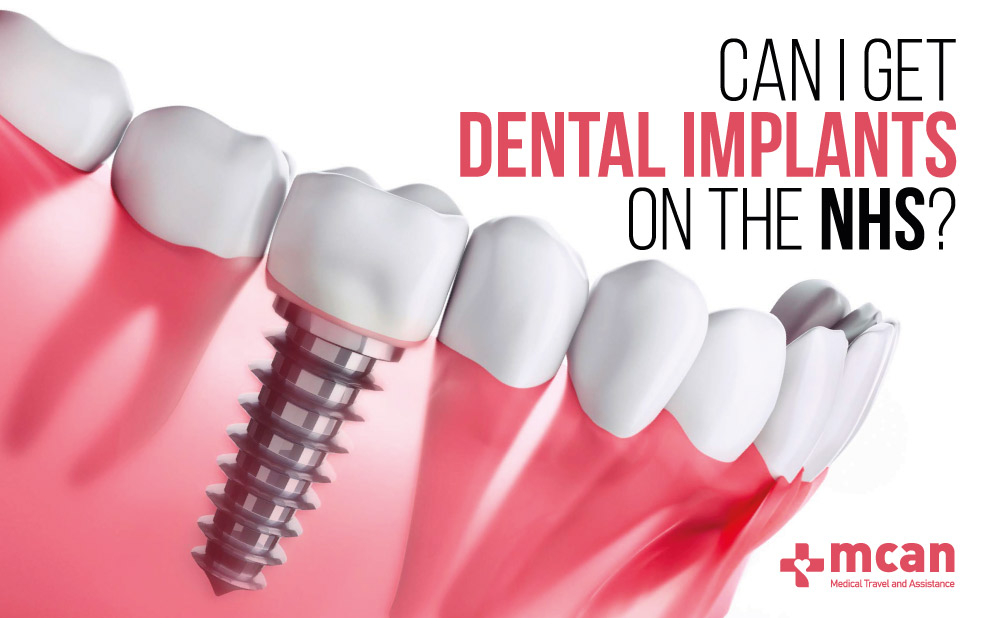
The NHS implant procedure itself involves several stages. First, a specialist assesses your suitability for implants, including x-rays and scans to evaluate bone density and jaw structure. If approved, the implant is surgically placed into the jawbone. After a healing period of several months, during which the implant integrates with the bone (osseointegration), an abutment is attached, and finally, a crown is fitted. This process ensures a stable and functional tooth replacement.
Wait times for NHS implants
Wait times for NHS implants can vary significantly depending on location and the availability of specialists. In some areas, the waiting list could be several months or even years. Factors influencing wait times include the number of patients requiring treatment, the complexity of individual cases, and funding constraints within the NHS. It’s essential to discuss potential waiting times with your dentist or specialist to explore alternative options if needed.
NHS vs Private Dental Implants – Key Differences
Choosing between NHS and private tooth implants involves weighing several factors, including cost, eligibility, and waiting times. While the NHS offers subsidized dental care, private practices provide more flexibility and faster access to treatment. Understanding these differences helps patients make informed decisions based on their individual needs and circumstances.
| NHS Tooth Implants | Private Dental Implants | |
|---|---|---|
| Cost | Typically minimal | High (per implant) |
| Eligibility | Strict | Broad |
| Waiting times | Longer | Shorter |
| Scope of treatment | Essential need | Cosmetic & elective |
How do NHS and private implant options compare?
The primary difference between NHS and private dental implants lies in accessibility and scope. NHS implants are generally reserved for patients with specific medical conditions or trauma-related tooth loss, while private implants are available to a broader range of individuals seeking to improve their smile. Private practices also offer a wider selection of implant types and materials, catering to individual preferences and aesthetic goals.
Are private implants more accessible?
Yes, private implants are generally more accessible than those offered by the NHS. With private treatment, you are not subject to the same stringent eligibility criteria or long waiting times. This allows for a more streamlined process, where you can schedule consultations and treatments at your convenience. However, this accessibility comes at a higher cost.
Cost breakdown examples
The cost of dental implants varies significantly between NHS and private options. NHS patients typically pay a standard NHS band charge, which is significantly lower than private fees. Private implant costs can range from £2,000 to £4,000 per implant, depending on the complexity of the case and the materials used. Additional costs may include consultations, x-rays, and aftercare. At Albania Dental Implants Services, you can receive high-quality treatment for a fraction of these costs, making it an attractive alternative.
What Do NHS Tooth Implants Cost?
Understanding the dental implant cost NHS involves navigating the NHS dental charge system. The NHS operates on a banded system, where you pay a fixed price for a course of treatment. This cost may or may not include implants, depending on your eligibility and the specifics of your case.
How much will NHS dental implants cost me?
The cost of dental treatment NHS varies depending on the complexity of the treatment required. If you qualify for NHS dental implants, you will likely pay the highest band charge, which covers complex treatments like crowns, dentures, and implants. As of [insert current year], this charge is [insert current NHS band 3 charge]. However, it’s important to note that this is a fraction of the cost of private implants.
Which NHS band covers implants (if any)?
Implants, if approved, typically fall under NHS band charges 3, which covers the most complex treatments. This band includes all necessary appointments and procedures required to complete the treatment. It’s essential to confirm with your dentist or specialist which band your treatment falls under to understand the exact cost you will incur.
Are there exemptions or reductions for some patients?
Yes, there are exemptions and reductions for some patients. Certain groups, such as those receiving income support, income-based Jobseeker’s Allowance, or Pension Credit Guarantee Credit, are entitled to free NHS dental treatment. Additionally, those under 18 or pregnant women may also be exempt from charges. It’s crucial to check your eligibility for exemptions to reduce the cost of your dental care. For those not eligible, exploring options like cost of dental implants in albania becomes a viable option.
Finding NHS Dental Implant Providers
Locating NHS dental hospitals UK that offer tooth implants requires research and referrals. While not all NHS clinics provide this service, certain dental hospitals and specialist clinics may offer implant treatment to eligible patients. Knowing where to look and how to get referred can help you access the care you need.
Which NHS clinics offer tooth implants?
Not all NHS clinics offer tooth implants. Typically, these services are provided at larger dental hospitals or specialist clinics with implantology departments. Some well-known NHS dental hospitals in the UK include King’s College Hospital in London, Birmingham Dental Hospital, and the University Dental Hospital of Manchester. Contacting these institutions directly can provide information on available services and referral processes.
How do I find a provider or get referred?
The first step is to consult your general dentist. They can assess your oral health and determine if you meet the criteria for how to get NHS dental implants. If so, they will provide a referral to a specialist clinic or hospital. Alternatively, you can contact NHS England directly for information on local providers. Be prepared to provide detailed information about your dental history and medical conditions.
Geographical availability
Geographical availability of NHS tooth implant services can vary. Larger cities and metropolitan areas typically have more NHS dental hospitals and specialist clinics compared to rural areas. This means that patients in remote locations may need to travel to access treatment. Consider this factor when planning your dental care and exploring alternative options, such as seeking treatment abroad.
FAQs About Tooth Implants NHS
Addressing common questions about tooth implants NHS helps clarify misconceptions and provides valuable information for those considering this treatment option. Understanding the nuances of NHS eligibility, alternatives, and implant longevity is crucial for making informed decisions about your dental health.
Can you get tooth implants on the NHS for cosmetic reasons?
No, you cannot typically get tooth implants on the NHS for cosmetic reasons. The NHS prioritizes treatments based on clinical need, meaning that purely aesthetic improvements are generally not covered. If your primary goal is to enhance your smile, private dental implants or alternative cosmetic treatments may be more appropriate.
What medical reasons qualify for NHS tooth implants?
Several medical reasons qualify for NHS tooth implants. These include cases where tooth loss has resulted from cancer treatment, trauma, congenital defects, or conditions that significantly impair oral function. The NHS assesses each case individually to determine eligibility based on medical necessity and impact on quality of life.
How long is the waiting list for NHS tooth implants?
The waiting list for NHS tooth implants can vary significantly depending on location and demand. In some areas, patients may wait several months or even years for assessment and treatment. Factors influencing wait times include the availability of specialists, funding constraints, and the complexity of individual cases. Contacting your local NHS dental hospital or specialist clinic can provide more specific information on waiting times in your area.
Are there alternatives if I’m not eligible for NHS implants?
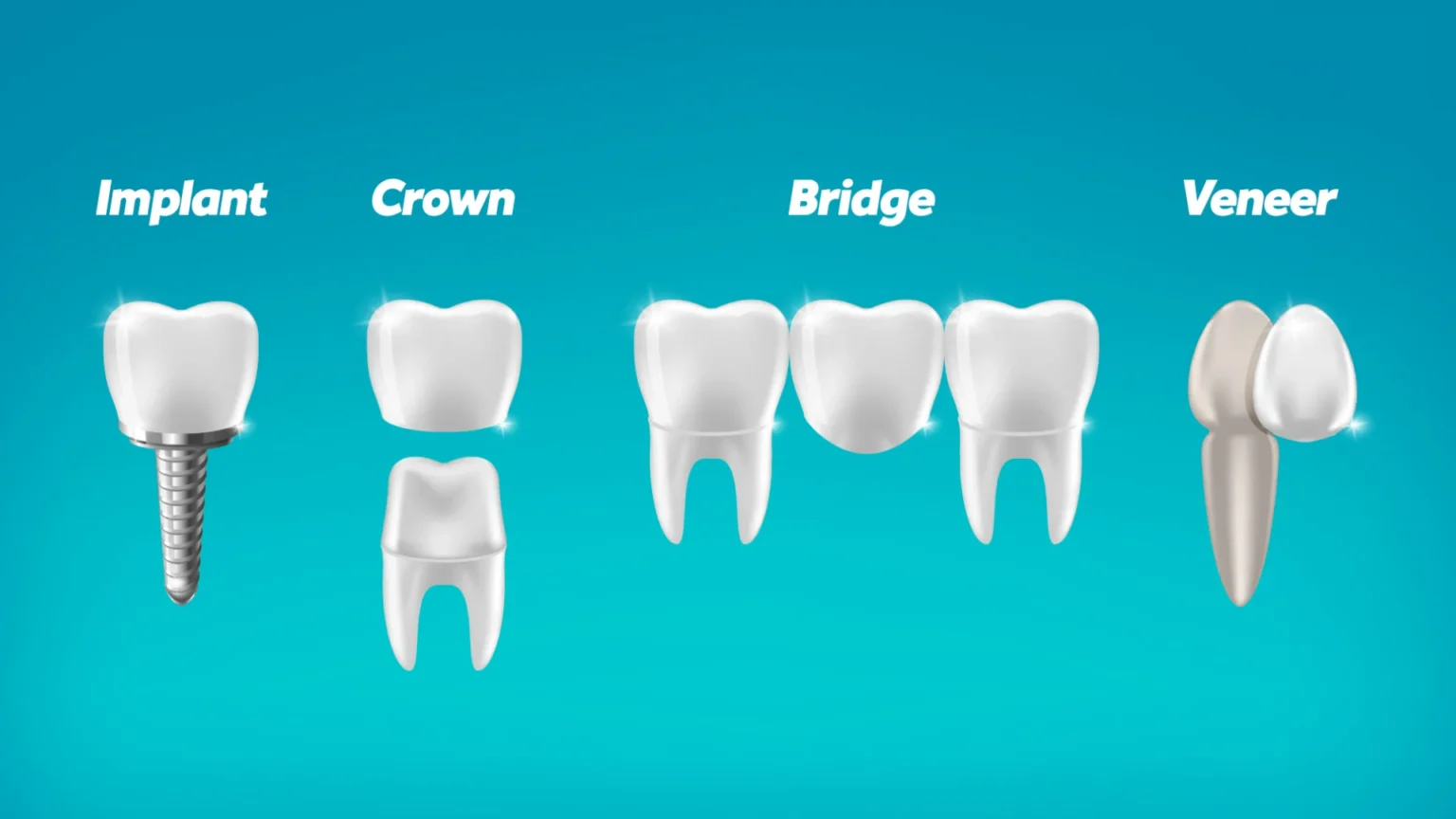
Yes, there are alternatives if you’re not eligible for NHS implants. These include private dental implants, dentures, and bridges. Private implants offer a wider range of options and faster access to treatment, but at a higher cost. Dentures and bridges are more affordable alternatives but may not provide the same long-term stability and functionality as implants. Another increasingly popular option is to consider Albania Dental Implants, where high-quality treatment is available at significantly reduced costs.
What if my NHS application is denied?
If your NHS application is denied, you have the right to appeal the decision. The NHS implant decision process involves submitting a formal appeal to the relevant NHS authority, providing additional information or supporting evidence to strengthen your case. It’s important to understand the reasons for the denial and address them in your appeal.
Can I appeal an NHS implant decision?
Yes, you can appeal an NHS implant decision. The appeals process typically involves submitting a written appeal to the NHS, outlining the reasons why you believe the decision was incorrect. You may need to provide additional medical evidence or seek support from a patient advocacy group. If your appeal is unsuccessful, you may consider alternative options, such as private treatment or exploring dental tourism.
What is the lifespan of an NHS tooth implant?
The lifespan of an NHS tooth implant is generally the same as that of a private implant. With proper care and maintenance, dental implants can last for many years, even a lifetime. Factors influencing implant longevity include oral hygiene, lifestyle habits (such as smoking), and regular dental check-ups. The materials used in NHS and private implants are typically of high quality and designed for long-term durability.
Are NHS implants made from the same materials as private ones?
Yes, NHS implants are generally made from the same materials as private ones. The standard material for dental implants is titanium, a biocompatible metal that integrates well with bone tissue. Both NHS and private providers typically use high-quality titanium implants to ensure the best possible outcome for patients. In some instances, private practices will offer a wider variety of materials.
Consider Albania Dental Implants
While navigating the world of tooth implants NHS may seem complicated, understanding your options and exploring alternative solutions like Albania Dental Implants can lead to a confident, functional smile. We provide high-quality dental care at affordable prices, offering a viable solution for those seeking permanent tooth replacements without breaking the bank. Contact us today to learn more and take the first step towards restoring your smile.





