



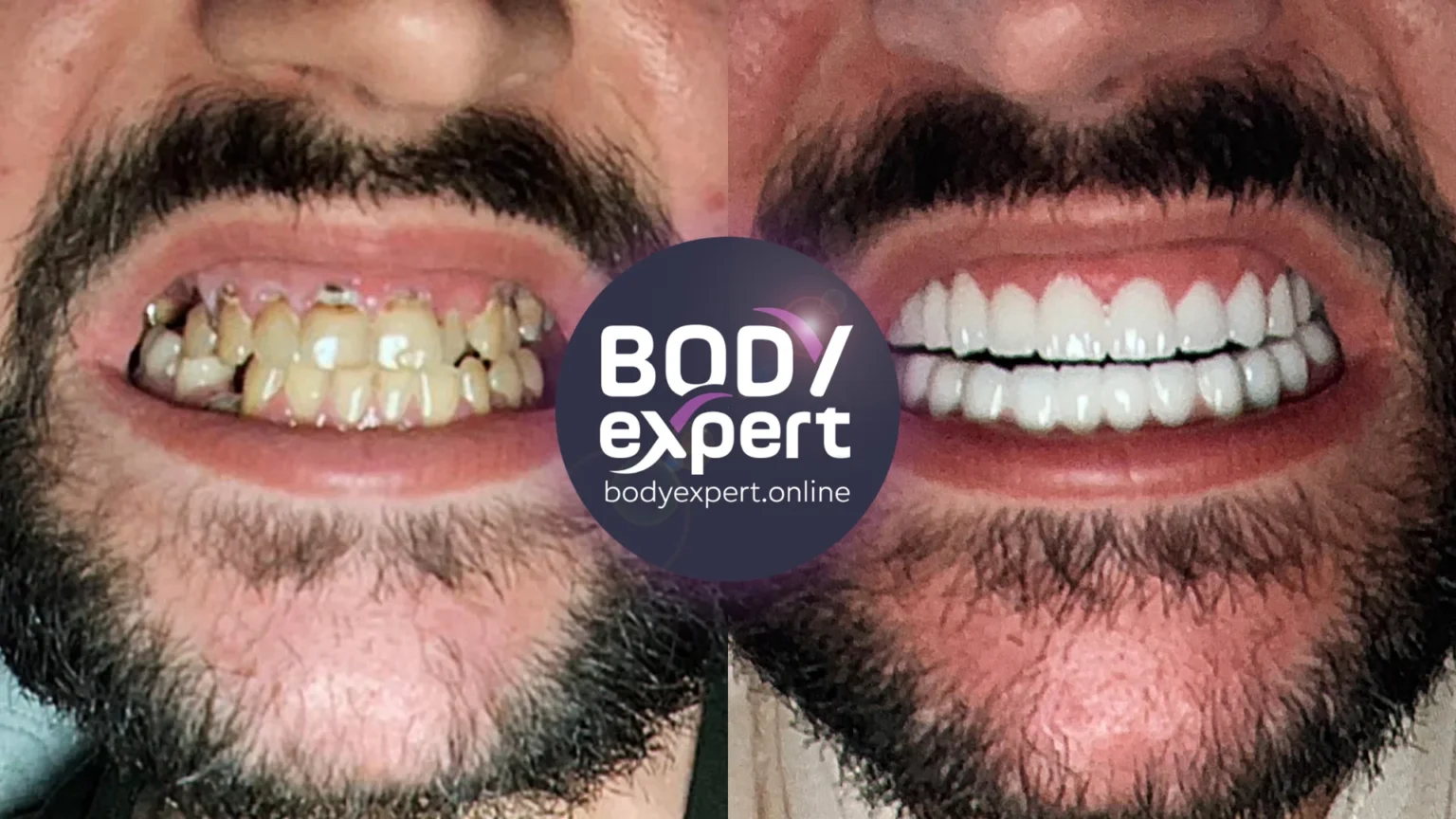
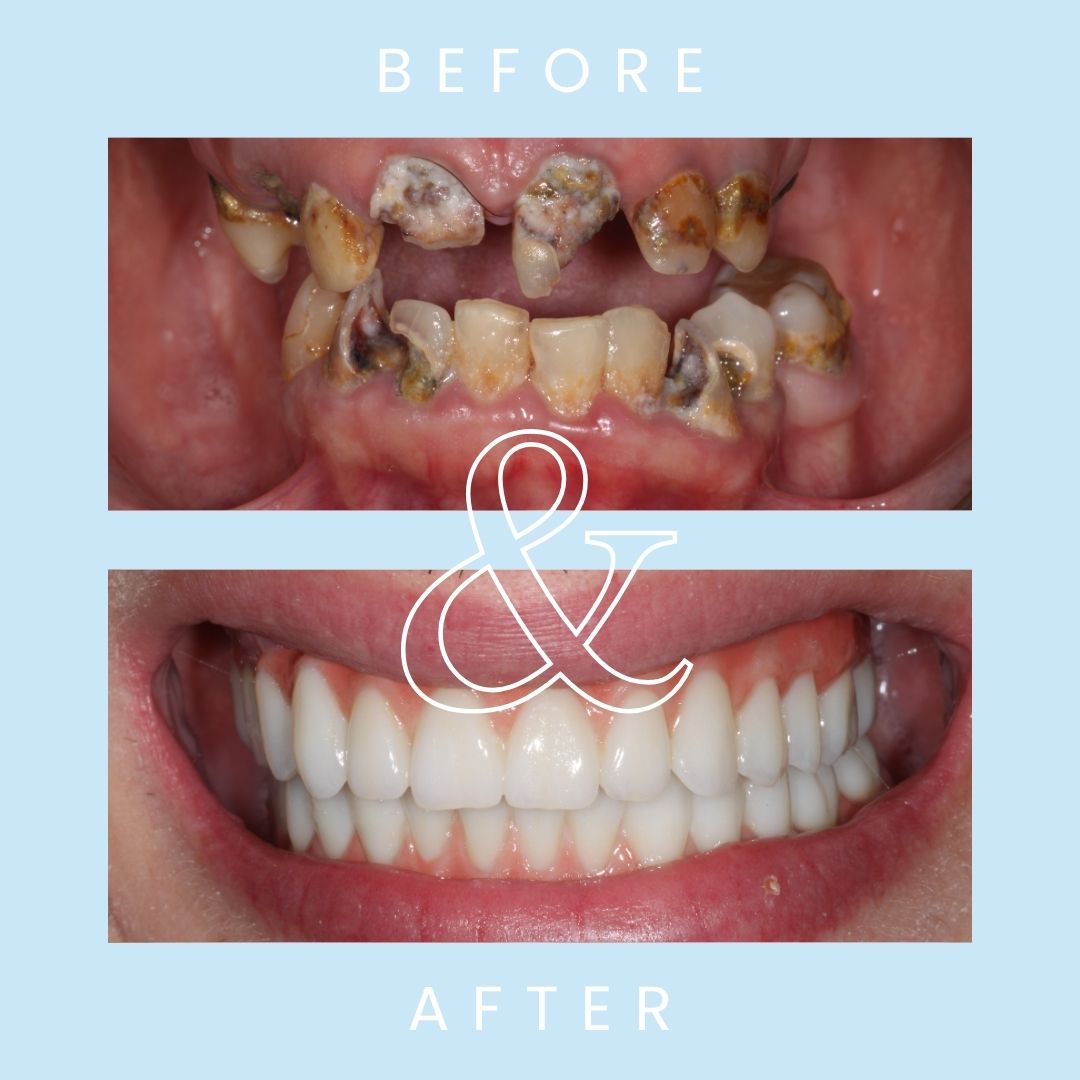
Is it worth getting full dental implants? This is a common question for individuals facing extensive tooth loss and seeking a long-term solution to restore their smile, confidence, and oral health. This article provides a comprehensive overview of full dental implants, including what they are, the benefits and risks, costs, alternatives, and the procedure involved, helping you decide if they are the right choice for you. We’ll also discuss how services from Albania Dental Implants can be a cost-effective solution.
What are Full Dental Implants?
Cluster keyword: Full mouth dental implants, permanent teeth replacement, dental implant procedure. Full dental implants, also known as full mouth dental implants or permanent teeth replacement, are a comprehensive solution for replacing all teeth in either the upper or lower jaw, or both. Unlike traditional dentures, which are removable, full dental implants are a fixed, permanent solution that provides stability, functionality, and a natural-looking smile.
Defining Full Dental Implants
Full dental implants involve placing multiple dental implants strategically in the jawbone to support a full set of artificial teeth. This can be achieved through various techniques, including: All-on-4 dental implants: This technique uses only four implants per arch to support a full set of teeth. All-on-6 dental implants: Similar to All-on-4, this technique uses six implants for added stability. Traditional full dental implants: This approach involves placing individual implants for each tooth, or using multiple implants to support a dental bridge. Unlike single or tooth implants, which replace individual missing teeth, full dental implants address the entire arch, providing a complete and comprehensive solution for those with significant tooth loss. Many individuals in the UK seek “i want all my teeth removed and replaced uk” solutions, making full dental implants a viable option.
Explaining the Procedure
The dental implant procedure for full mouth restoration typically involves several steps: 1. Consultation and planning: A thorough examination, including X-rays and CT scans, is performed to assess bone density and determine the optimal placement for the implants. 2. Implant placement: The implants are surgically placed into the jawbone. In some cases, a bone graft may be necessary if there is insufficient bone density. You can learn more about bone grafting in albania to see if this is the right option for you. 3. Healing period: The implants are left to heal and fuse with the jawbone, a process called osseointegration, which can take several months. 4. Abutment placement: Once the implants have fully integrated with the bone, abutments (connectors) are attached to the implants. 5. Prosthesis placement: A custom-made full arch of artificial teeth (denture or bridge) is attached to the abutments, completing the restoration. The procedure can be performed under local anesthesia, sedation, or general anesthesia, depending on the patient’s preferences and the complexity of the case.
Who Should Consider Full Dental Implants?
Cluster keyword: Who is eligible for implants?, dental implant risks, bone graft for implants Full dental implants are a life-changing solution for many, but they are not suitable for everyone. Determining who is eligible for implants? involves assessing various factors, including age, oral health, and bone density.
Candidacy for Full Dental Implants
Ideal candidates for full dental implants typically: Have lost most or all of their teeth due to decay, injury, or disease. Have sufficient bone density in the jaw to support the implants. If bone density is insufficient, a bone graft for implants may be necessary. Are in good general health and free from conditions that could interfere with healing. Are committed to maintaining good oral hygiene and attending regular dental check-ups. Are seeking a permanent, stable, and natural-looking tooth replacement option. The best age for dental implants is often between 30 and 60, as bone structure is typically well-developed and stable.
Medical Exclusions and Risks
While full dental implants offer numerous benefits, certain medical conditions and lifestyle factors can increase the dental implant risks and make individuals unsuitable candidates. Common medical exclusions or risks include: Uncontrolled diabetes: High blood sugar levels can impair healing and increase the risk of infection. Smoking: Smoking can reduce blood flow to the gums and bone, hindering the osseointegration process and increasing the risk of implant failure. Certain autoimmune diseases: Conditions like rheumatoid arthritis or lupus can affect the body’s ability to heal and increase the risk of complications. Bisphosphonate medications: Long-term use of these medications, often prescribed for osteoporosis, can increase the risk of osteonecrosis of the jaw (ONJ). Individuals with these conditions may still be eligible for full dental implants, but they may require additional precautions and monitoring.
When are Dental Implants NOT Suitable?
Dental implants are NOT suitable for individuals who: Have active gum disease or untreated tooth decay. Have severely compromised immune systems. Have unrealistic expectations about the outcome of the procedure. Are unwilling to commit to the necessary maintenance and aftercare. If you’re unsure, you should seek a professional opinion about when not to have a dental implant.
Benefits of Full Dental Implants
Cluster keyword: Dental implant benefits, implant longevity, success rates of dental implants The dental implant benefits are numerous, making them a popular and effective tooth replacement option. From improved aesthetics to enhanced functionality, full dental implants can significantly improve your quality of life.
Permanent Solution and Improved Appearance
One of the most significant benefits of full dental implants is that they provide a permanent solution for missing teeth. Unlike dentures, which can slip or move around, implants are securely anchored in the jawbone, providing stability and eliminating the need for adhesives. Full dental implants also look and feel like natural teeth, enhancing your appearance and boosting your self-confidence. With proper care, implant longevity can exceed 20 years. Many patients say that they are now happier after getting dental implants and now have a Hollywood smile in albania.
Enhanced Speech and Eating
Missing teeth can affect your ability to speak clearly and pronounce certain words correctly. Full dental implants can improve your speech by providing a stable base for your tongue and lips to articulate properly. Additionally, missing teeth can make it difficult to chew and enjoy your favorite foods. Full dental implants restore your ability to eat comfortably and confidently, allowing you to enjoy a wider range of foods without pain or discomfort. With All-on-4 dental implants explained, people can now regain their ability to eat normally. ###Longevity and Success Rates The success rates of dental implants are generally high, with many studies reporting success rates of 95% or higher. Factors that can affect the success rate include: Bone density: Sufficient bone density is essential for successful osseointegration. Oral hygiene: Good oral hygiene practices are crucial for preventing infection and maintaining the health of the gums and bone around the implants. Smoking: Smoking can significantly increase the risk of implant failure. Medical conditions: Certain medical conditions, such as uncontrolled diabetes, can impair healing and increase the risk of complications. Implant placement: The expertise and skill of the dental professional performing the implant placement can also impact the success rate.
Risks and Disadvantages of Full Dental Implants
Cluster keyword: Dental implant risks, dental implant recovery, maintenance. While full dental implants offer numerous benefits, it’s important to be aware of the potential dental implant risks and disadvantages associated with the procedure.
Possible Complications
Like any surgical procedure, full dental implants carry a risk of complications, including: Infection: Infection at the implant site can occur, especially if proper oral hygiene is not maintained. Nerve damage: Nerve damage can result in pain, numbness, or tingling in the gums, lips, or chin. Sinus problems: Implants placed in the upper jaw can sometimes protrude into the sinus cavity, causing sinus problems. Implant failure: In rare cases, the implant may not fuse properly with the bone, leading to implant failure. It’s crucial to choose an experienced and qualified dental professional to minimize the risk of complications and ensure a successful outcome. Knowing what is the downside to dental implants is vital.
Maintenance Demands
Full dental implants require ongoing maintenance to ensure their longevity and prevent complications. This includes: Regular brushing and flossing: Maintaining good oral hygiene is essential for preventing plaque and bacteria buildup around the implants. Professional cleanings: Regular dental check-ups and professional cleanings are necessary to remove plaque and tartar from hard-to-reach areas. Avoid smoking: Smoking can increase the risk of implant failure and should be avoided. Failing to maintain proper oral hygiene can lead to peri-implantitis, a condition that can cause inflammation and bone loss around the implant.
Recovery Experience and Timelines
The dental implant recovery period can vary depending on the individual and the extent of the procedure. Typically, patients can expect some discomfort, swelling, and bruising for several days following the surgery. The timeline from start to finish can vary from a few months to a year or more, depending on the complexity of the case and the need for additional procedures, such as bone grafting. The amount of time it takes to recover from full mouth dental implant surgery can vary depending on the individual and the extent of the procedure.
Cost Comparison: Implants vs Alternatives
Cluster keyword: Dental implant costs, affordable dental implants, dentures vs implants, dental bridges vs implants. One of the primary concerns for individuals considering full dental implants is the cost. The cost of dental implants can vary significantly depending on several factors, including the type of implant, the complexity of the case, and the location of the clinic.
Costs in the UK
In the UK, the dental implant costs for full mouth restoration can range from £7,000 to £25,000 or more per arch. This cost typically includes: Consultation and planning Implant placement surgery Abutments Custom-made prosthesis It’s important to consult with a dental professional to get an accurate estimate based on your individual needs. You can explore affordable dental implants options or even go for the cheapest implants uk to save costs.
Implants vs Dentures and Dental Bridges
Compared to dentures and dental bridges, full dental implants are generally more expensive upfront. However, they offer several long-term benefits that can make them a more cost-effective option in the long run: Durability: Implants are a permanent solution that can last a lifetime with proper care, while dentures and bridges may need to be replaced every 5-10 years. Stability: Implants provide greater stability and functionality than dentures, allowing you to eat and speak with confidence. Bone health: Implants stimulate bone growth, preventing bone loss and maintaining the structure of your jaw, while dentures can accelerate bone loss. You can use our helpful resource to get a clear understanding of what is the average UK price for full dental implants.
Insurance and Financing
While dental implants can be a significant investment, there are several options available to help make them more affordable: Insurance: Some dental insurance plans may cover a portion of the cost of dental implants, but coverage varies widely. Check with your insurance provider to determine your specific benefits. It’s also important to note that it can be difficult to get dental implants on a NHS dentist. Financing: Many dental clinics offer financing options, allowing you to spread the cost of treatment over time with monthly payments. You may be able to can I pay monthly for dental work? Considering dental tourism is another way to reduce costs. For example, how much do full dental implants cost in Turkey versus the UK? Exploring these avenues can help you find affordable dental implants.
What is the Procedure for Full Dental Implants?
Cluster keyword: Dental implant procedure, dental implant recovery, bone graft for implants Understanding the dental implant procedure is crucial for anyone considering this life-changing treatment. From the initial consultation to the final placement of the prosthesis, the process involves several steps that require careful planning and execution.
Step-by-Step Process
The typical procedure for full dental implants involves: 1. Consultation and Planning: A thorough examination, including X-rays and CT scans, is performed to assess your oral health and determine the optimal placement for the implants. You will also discuss your goals and expectations for the procedure. 2. Implant Placement: The implants are surgically placed into the jawbone. This procedure may be performed under local anesthesia, sedation, or general anesthesia. 3. Healing Period: The implants are left to heal and fuse with the jawbone, a process called osseointegration, which typically takes several months. 4. Abutment Placement: Once the implants have fully integrated with the bone, abutments (connectors) are attached to the implants. 5. Prosthesis Placement: A custom-made full arch of artificial teeth (denture or bridge) is attached to the abutments, completing the restoration.
Timeline from Start to Finish
The timeline for full dental implants can vary depending on the individual and the complexity of the case. Typically, the entire process can take anywhere from six months to a year or more. The amount of time it takes to remove all teeth and get implants can also vary.
Pain and Recovery Details
Some discomfort, swelling, and bruising are to be expected after the implant placement surgery. Pain medication and antibiotics may be prescribed to manage discomfort and prevent infection. Most patients can return to their normal activities within a few days following the surgery, but it may take several weeks for the gums to fully heal. It’s also important to note that if you don’t have enough bone for dental implants, you may need a bone graft first.
Maintenance and Aftercare for Full Dental Implants
Cluster keyword: Dental implant maintenance, implant longevity Proper dental implant maintenance and aftercare are essential for ensuring the longevity and success of your full dental implants. By following these guidelines, you can help prevent complications and maintain a healthy, beautiful smile for years to come.
Regular Cleaning and Check-ups
One of the most important aspects of maintaining your full dental implants is to practice good oral hygiene habits: Brush your teeth at least twice a day using a soft-bristled toothbrush and a non-abrasive toothpaste. Floss daily to remove plaque and bacteria from between your teeth and around the implants. Use an interdental brush to clean hard-to-reach areas around the implants. Rinse your mouth with an antibacterial mouthwash to help kill bacteria and prevent infection. Regular dental check-ups are also essential for monitoring the health of your implants and detecting any potential problems early on. Your dentist will examine your implants, gums, and bone structure to ensure everything is healthy and stable.
Factors Affecting Implant Lifespan
Several factors can affect implant lifespan and increase the risk of complications: Smoking: Smoking can reduce blood flow to the gums and bone, hindering the osseointegration process and increasing the risk of implant failure. Poor oral hygiene: Failing to maintain good oral hygiene can lead to plaque and bacteria buildup around the implants, increasing the risk of infection and peri-implantitis. Bruxism: Grinding or clenching your teeth can put excessive stress on the implants, potentially leading to damage or failure. Medical conditions: Certain medical conditions, such as uncontrolled diabetes, can impair healing and increase the risk of complications.
Frequently Asked Questions (FAQ)
Here are some frequently asked questions about full dental implants:
Is it painful to get full dental implants?
The pain associated with getting full dental implants varies depending on the individual and the extent of the procedure. However, most patients report that the pain is manageable with over-the-counter or prescription pain medication. Local anesthesia is used during the implant placement surgery to numb the area, and sedation or general anesthesia may be used to further minimize discomfort. For more information, read about how painful are full mouth dental implants?.
How long do full dental implants last?
With proper care and maintenance, full dental implants can last a lifetime. However, the lifespan of your implants can be affected by several factors, including oral hygiene, smoking, and medical conditions. Following the maintenance guidelines can help extend the life of your implants and ensure their long-term success. Find out more about how long do full dental implants last?.
Can anyone get full dental implants?
Full dental implants are not suitable for everyone. Ideal candidates have sufficient bone density in the jaw, are in good general health, and are committed to maintaining good oral hygiene. Certain medical conditions and lifestyle factors can increase the risk of complications and make individuals unsuitable candidates.
Are dental implants better than dentures?
Dental implants offer several advantages over dentures, including greater stability, improved functionality, and a more natural-looking appearance. Implants also stimulate bone growth, preventing bone loss and maintaining the structure of your jaw. However, dentures are typically less expensive and may be a suitable option for some individuals.
What are the risks involved?
The risks involved with full dental implants include infection, nerve damage, sinus problems, and implant failure. However, these complications are rare, and the risk can be minimized by choosing an experienced and qualified dental professional and following proper aftercare instructions.
What is the success rate of full dental implants?
The success rate of full dental implants is generally high, with many studies reporting success rates of 95% or higher. Factors that can affect the success rate include bone density, oral hygiene, smoking, and medical conditions.
How much do full dental implants cost in the UK?
In the UK, the cost of full dental implants can range from £7,000 to £25,000 or more per arch. The cost depends on several factors, including the type of implant, the complexity of the case, and the location of the clinic.
Do I need a bone graft first?
A bone graft may be necessary if you have insufficient bone density in the jaw to support the implants. Your dentist will assess your bone density during the initial consultation and determine if a bone graft is required.
What is the recovery time?
The recovery time following full dental implant surgery can vary depending on the individual and the extent of the procedure. Most patients can expect some discomfort, swelling, and bruising for several days following the surgery. It may take several weeks for the gums to fully heal.
Can dental implants fail?
Yes, dental implants can fail in rare cases. Implant failure can occur due to infection, poor bone quality, nerve damage, or other complications. However, the risk of implant failure can be minimized by choosing an experienced and qualified dental professional and following proper aftercare instructions.
Who offers the best dental implants in the UK?
Finding the best dental implants in the UK is a personal decision that depends on your individual needs and preferences. Look for a dental professional with experience, qualifications, and a commitment to providing high-quality care. If you are willing to travel, consider options such as dental tourism in Albania for more affordable and high-quality options.
What are alternatives if I’m not suitable for implants?
If you are not a suitable candidate for full dental implants, there are several alternatives available, including dentures and dental bridges. Your dentist can discuss these options with you and help you determine the best tooth replacement solution for your individual needs.
Are full dental implants covered by NHS or private insurance?
Full dental implants may be partially covered by some private insurance plans, but coverage varies widely. Full dental implants are rarely covered by the NHS.
Do implants look and feel natural?
Full dental implants are designed to look and feel like natural teeth. With proper planning and execution, they can provide a seamless and natural-looking restoration that enhances your smile and boosts your self-confidence.
Conclusion
Deciding whether is it worth getting full dental implants is a significant decision that requires careful consideration. Full dental implants offer numerous benefits, including improved aesthetics, enhanced functionality, and a permanent solution for missing teeth. However, they also involve risks, costs, and maintenance demands. By carefully weighing the pros and cons, considering your individual needs and circumstances, and consulting with a qualified dental professional, you can make an informed decision about whether full dental implants are the right choice for you. Contact Albania Dental Implants today to schedule a consultation and learn more about how we can help you restore your smile, confidence, and quality of life. Visit Albania Dental Implants services for a professional consultation.





