



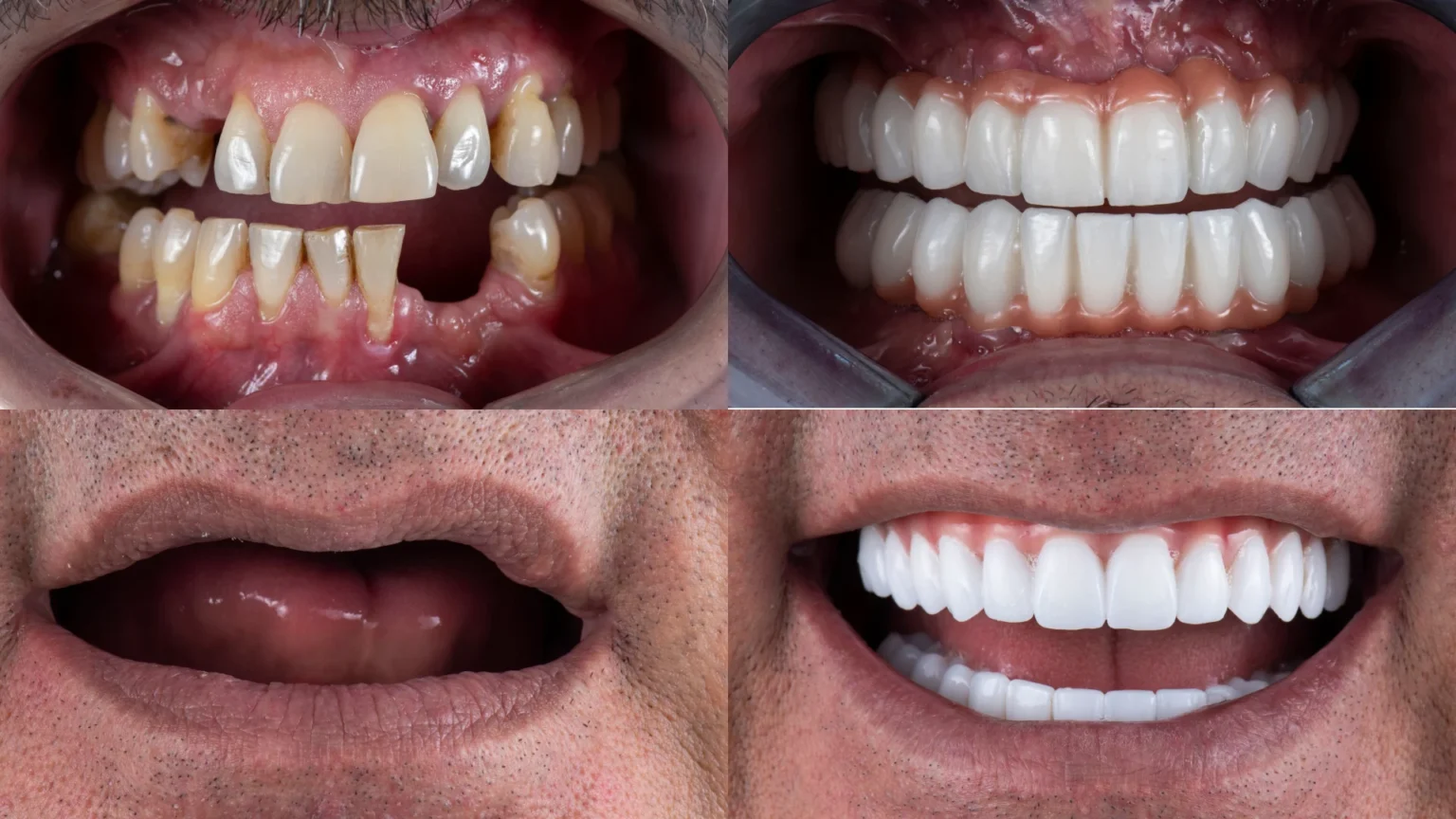
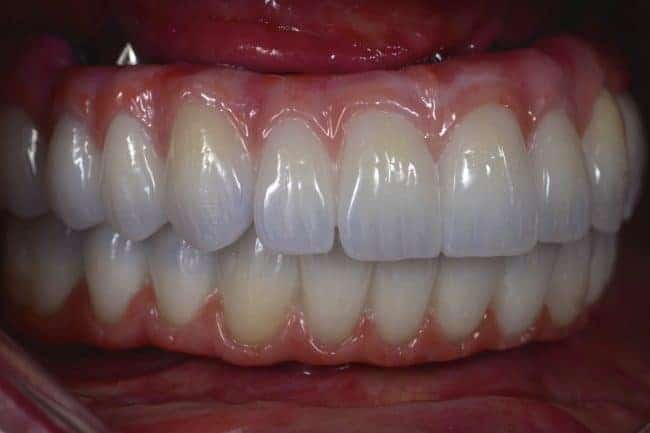
How long do full mouth dental implants last? The longevity of full mouth dental implants, while a long-term solution for replacing missing teeth, depends on several important factors. Understanding the durability and lifespan of these implants is crucial for anyone considering this investment for a complete smile restoration. This article will explore the various factors influencing the lifespan of full mouth dental implants, helping you understand their value and long-term commitment.
Understanding Full Mouth Dental Implant Lifespan
The lifespan of full mouth dental implants is a key concern for anyone considering this treatment. Full mouth dental implant lifespan. On average, full mouth dental implants can last anywhere from 15 to 25 years, and in many cases, even longer with proper care and maintenance. However, it’s important to distinguish between the implant post and the restoration (the visible teeth).
Implant Post vs. Restoration Lifespan
The implant post, which is surgically placed into the jawbone, is designed to be a permanent fixture. Made from biocompatible materials like titanium, the implant post integrates with the bone through a process called osseointegration. This process is critical for the long-term success of the implants. The restoration, which includes the artificial teeth (crowns, bridges, or dentures) attached to the implants, may need to be replaced more frequently due to wear and tear. Factors such as diet, oral hygiene, and bruxism (teeth grinding) can affect the lifespan of the restoration.
The Critical Role of Osseointegration
Initial osseointegration, the process by which the implant fuses with the jawbone, is essential. Successful osseointegration provides a stable and solid foundation for the restoration. Failure of osseointegration can lead to implant failure, requiring removal and replacement. Factors affecting osseointegration include bone quality, surgical technique, and the patient’s overall health. Patients with conditions such as diabetes or osteoporosis may experience impaired osseointegration.
Full Mouth Dental Implant Longevity vs. Other Options
When considering tooth replacement options, understanding the longevity of dental implants compared to alternatives is crucial. Longevity of dental implants. Full mouth implants are designed to last significantly longer than traditional options like bridges and dentures, making them a worthwhile long-term investment.
Dental Implants vs. Bridges and Dentures
Compared to traditional bridges, which typically last 5-10 years, full mouth implants offer a more durable and permanent solution. Bridges rely on adjacent teeth for support, which can place additional stress on those teeth, potentially leading to further dental problems. Dentures, on the other hand, may need to be replaced every 5-7 years due to wear, bone loss, and changes in the mouth’s structure. Full mouth implants, with proper care, can last two to three times longer than these alternatives, offering superior stability, function, and aesthetics.
Clinical Research and Expert Consensus
Clinical research consistently demonstrates the long-term success of dental implants. Studies show that dental implants have a high survival rate, with many lasting well over 20 years. Expert consensus in the dental community supports the durability and reliability of dental implants as a preferred option for tooth replacement. The success rates and longevity of dental implants are significantly higher than those of bridges and dentures.
Advances in materials, such as high-strength ceramics and improved titanium alloys, have further enhanced the longevity and performance of dental implants. These materials are more resistant to wear, fracture, and corrosion, contributing to the overall lifespan of the implants.
Factors Affecting Dental Implant Durability
Several factors can influence the long-term durability of full mouth dental implants. Factors affecting dental implant durability. Understanding these factors and taking proactive steps can significantly extend the lifespan of your implants.
Key Factors Influencing Implant Durability
- Oral Hygiene: Maintaining excellent oral hygiene is essential for preventing peri-implantitis, an inflammatory condition that can lead to bone loss around the implant. Regular brushing, flossing, and professional cleanings are crucial.
- Bone Quality: Adequate bone density and quality are necessary for successful osseointegration and long-term implant stability. Patients with insufficient bone may require bone grafting procedures.
- Surgeon Skill: The expertise and skill of the oral surgeon or implant dentist play a significant role in the success of the implant placement. Proper placement and alignment of the implants are critical for long-term function and durability. Consider our skilled surgeons at Albania Dental Implants for your procedure.
- Overall Health: Systemic health conditions, such as diabetes, osteoporosis, and autoimmune diseases, can affect the success and longevity of dental implants. Managing these conditions is important for optimizing implant outcomes.
- Smoking: Smoking significantly increases the risk of implant failure due to impaired healing and increased susceptibility to infection. Smokers are strongly advised to quit smoking before and after implant placement.
- Bruxism: Teeth grinding (bruxism) can place excessive stress on dental implants, leading to premature wear and potential failure. Nightguards or other protective devices may be recommended for patients with bruxism.
Risks of Peri-Implantitis and Bone Loss
Peri-implantitis, an inflammatory condition affecting the tissues around the implant, is a major threat to the long-term success of dental implants. This condition can lead to bone loss, implant instability, and eventually, implant failure. Regular dental checkups and professional cleanings are essential for detecting and managing peri-implantitis early.
The Importance of Ongoing Dental Checkups
Regular dental checkups are crucial for monitoring the health and stability of your dental implants. Your dentist can assess the surrounding tissues, check for signs of inflammation or infection, and ensure that the restoration is functioning properly. Early detection and treatment of any issues can significantly extend the lifespan of your implants.
Maintenance for Dental Implants
Proper maintenance is key to extending the lifespan of full mouth dental implants. Maintenance for dental implants. A consistent and thorough maintenance routine, combined with professional care, can help ensure the long-term success of your implants.
Recommended Maintenance Routines
- Brushing: Brush your implants at least twice a day using a soft-bristled toothbrush and non-abrasive toothpaste. Pay close attention to the areas around the implants and along the gum line.
- Flossing: Floss daily using interdental brushes or floss specifically designed for dental implants. These tools can help remove plaque and debris from hard-to-reach areas around the implants.
- Mouthwash: Use an antimicrobial mouthwash to help control bacteria and reduce the risk of infection. Look for mouthwashes that are specifically formulated for use with dental implants.
Frequency of Professional Cleanings and Self-Care
In addition to your daily self-care routine, professional cleanings are essential for maintaining the health of your dental implants. Schedule professional cleanings at least twice a year, or more frequently if recommended by your dentist. Your dental hygienist can remove plaque and tartar buildup that you may not be able to reach with regular brushing and flossing. During these visits, your dentist will also assess the overall health of your implants and surrounding tissues.
How Maintenance Extends Lifespan
Consistent and thorough maintenance helps prevent peri-implantitis, bone loss, and other complications that can shorten the lifespan of dental implants. By following a recommended maintenance routine and attending regular professional cleanings, you can significantly increase the likelihood of your implants lasting for many years.
What are the failure rates for full mouth dental implants? Understanding the causes of implant failure and survival rates is essential for anyone considering this tooth replacement option. Dental implant failure rates. While dental implants have a high success rate, failures can occur due to various reasons.
Causes of Implant Failure
- Infection: Peri-implantitis, an infection affecting the tissues around the implant, is a leading cause of implant failure.
- Technique Problems: Improper implant placement, misalignment, or inadequate bone support can lead to implant failure.
- Trauma: Trauma to the mouth, such as a blow to the face, can damage or dislodge dental implants.
- Poor Osseointegration: Failure of the implant to properly fuse with the jawbone can result in instability and eventual failure.
- Systemic Health Factors: Certain medical conditions like diabetes and osteoporosis can hinder the healing process and increase the risk of implant failure.
Statistics on Long-Term Survival Rates and Failures
Long-term survival rates for dental implants are generally high, with many studies reporting success rates of 90% or higher over a 10-year period. However, failure rates can vary depending on factors such as implant location, bone quality, and patient health. Early implant failures, which occur within the first year, are often related to infection or poor osseointegration. Late implant failures, which occur after several years, may be due to peri-implantitis, mechanical stress, or other factors.
How often do dental implants need replacing?
Most dental implants won’t need replacing and with proper care, dental implants can last a lifetime, the restoration (crown, bridge, or denture) attached to the implant may need to be replaced every 10-15 years due to wear and tear. However, in some cases, the implant itself may need to be replaced due to failure or complications. Factors such as poor oral hygiene, smoking, and systemic health conditions can increase the likelihood of implant replacement.
Cost vs. Longevity of Dental Implants
Evaluating the cost versus longevity of full mouth dental implants is crucial when considering this treatment option. Cost vs. longevity of dental implants. While the initial cost of dental implants may be higher compared to other alternatives, their long-term value and durability make them a worthwhile investment.
Initial Cost Versus Long-Term Value
The initial cost of full mouth dental implants can range significantly depending on factors such as the number of implants needed, the type of restoration, and the location of the dental practice. However, when considering the long-term value, dental implants offer several advantages over traditional options. Unlike dentures, which may need to be replaced every 5-7 years, dental implants can last for many years with proper care, reducing the need for frequent replacements and additional costs.
Comparing to Periodic Denture Replacement Costs
Dentures may seem like a more affordable option upfront, but the periodic replacement costs can add up over time. In addition to the cost of new dentures, there may be additional expenses associated with adjustments, relines, and adhesives. Full mouth implants, with their potential to last a lifetime, can be more cost-effective in the long run.
Given their durability and long-term benefits, is the increased investment justified by durability? For many patients, the answer is yes. The stability, function, and aesthetics of dental implants can significantly improve quality of life, making them a worthwhile investment in your overall health and well-being. Patients who choose dental implants often report increased confidence, improved speech and chewing ability, and a more natural-looking smile.
Patient FAQ
What is the average lifespan of full mouth dental implants?
On average, full mouth dental implants last between 15 to 25 years, and sometimes even longer with proper care and maintenance. The implant posts are designed to be permanent, while the restorations (artificial teeth) may need replacement sooner.
Can dental implants last a lifetime?
Yes, the implant posts themselves can last a lifetime with good oral hygiene and regular dental check-ups. However, the crowns, bridges, or dentures attached to the implants might need to be replaced every 10 to 15 years due to normal wear and tear.
What factors most affect how long my implants last?
The most significant factors include oral hygiene, bone quality, the skill of the surgeon, overall health, smoking habits, and bruxism (teeth grinding). Regular dental visits for check-ups and cleanings are also crucial.
How can I make my implants last longer?
To extend the lifespan of your implants, practice excellent oral hygiene by brushing and flossing daily, avoid smoking, manage any underlying health conditions, and wear a nightguard if you grind your teeth. Regular dental check-ups are also essential.
Do full mouth implants ever need to be replaced?
While the implant posts are designed to be permanent, the restorations (crowns, bridges, or dentures) may need to be replaced every 10 to 15 years due to wear and tear. In rare cases, the implant itself may need replacement due to failure or complications.
What are the failure rates for full mouth dental implants?
Full mouth dental implants have high success rates. However, failure rates can vary based on individual factors such as the patient’s overall health, lifestyle choices, and oral hygiene practices.
Is the investment worth it long-term compared to dentures?
The long-term investment in full mouth dental implants is often justified by their durability, stability, and the improved quality of life they offer. Unlike dentures, implants don’t need frequent replacements and provide better functionality and aesthetics. Consider our cost of dental implants in Albania as a more affordable option.
How often should I see my dentist after getting full mouth implants?
You should visit your dentist at least twice a year for professional cleanings and check-ups. Your dentist can assess the health of your implants and address any potential issues early on.
What are the risks that can shorten the lifespan of dental implants?
Risks include peri-implantitis (gum infection around the implant), poor osseointegration, mechanical stress from teeth grinding, systemic health conditions like diabetes, and lifestyle choices such as smoking.
Are some surgical techniques or implant systems more durable?
Yes, advanced surgical techniques and high-quality implant systems can contribute to the durability of dental implants. Techniques like guided surgery and the use of premium implant materials can improve the success rate and longevity of the implants.
Concluding Thoughts on the Lifespan of Full Mouth Dental Implants
Full mouth dental implants represent a significant advancement in dental restoration, offering a long-lasting and reliable solution for those with missing teeth. While the initial investment may be higher than other options like dentures or bridges, the durability, functionality, and aesthetic benefits of implants often make them a worthwhile choice. By understanding the factors that influence implant longevity, practicing excellent oral hygiene, and maintaining regular dental check-ups, you can significantly extend the lifespan of your full mouth dental implants and enjoy a confident, healthy smile for many years to come. Ready to transform your smile with long-lasting full mouth dental implants? Contact Albania Dental Implants today to schedule a consultation and discover how we can help you achieve the smile you’ve always wanted.





