



How painful are full dental implants? Many patients considering full mouth dental implants are concerned about the pain and recovery process. This comprehensive guide will provide you with a clear understanding of what to expect, how pain is managed, and what factors can influence your experience, especially when considering options like dental tourism in Albania.
Introduction
CLUSTER: full mouth dental implants, dental implant pain, implant procedure discomfort
Understanding the potential discomfort associated with full dental implants is crucial for making an informed decision. This procedure, designed to restore your smile and improve oral function, can seem daunting due to concerns about pain. However, modern techniques and pain management strategies have made the process much more comfortable than many patients anticipate. We’ll explore the various aspects of pain related to full dental implants, from the surgery itself to the recovery period, and provide practical advice on how to manage any discomfort effectively. Knowing what to expect can ease anxiety and help you approach the procedure with confidence. Considering dental tourism in Albania can offer a more affordable solution without compromising quality.
What to Expect During Full Dental Implant Surgery
CLUSTER: dental implant procedure, anaesthesia dental implants, pain management options
The dental implant procedure is a multi-step process, and understanding what to expect can significantly reduce anxiety. The initial step involves a thorough evaluation, including X-rays and a consultation to determine the best treatment plan for your specific needs. During the surgical phase, anaesthesia plays a critical role in ensuring your comfort. Let’s look at pain management options.
How Anaesthesia is Used During Surgery
Anaesthesia is essential for a pain-free experience during full dental implant surgery. Local anaesthesia is typically administered to numb the treatment area, preventing you from feeling any sharp pain during the procedure. In some cases, sedation dentistry might be recommended, especially for patients with dental anxiety. Sedation options range from oral sedatives to intravenous (IV) sedation, which can help you feel relaxed or even fall asleep during the surgery. General anaesthesia is rarely necessary but may be used in complex cases. The choice of anaesthesia depends on your comfort level, the complexity of the procedure, and your dentist’s recommendation. Proper anaesthesia ensures that you remain comfortable and pain-free throughout the entire surgical process. At Albania Dental Implants Services we ensure patients are relaxed with our caring team.
Typical Sensations During and After the Procedure
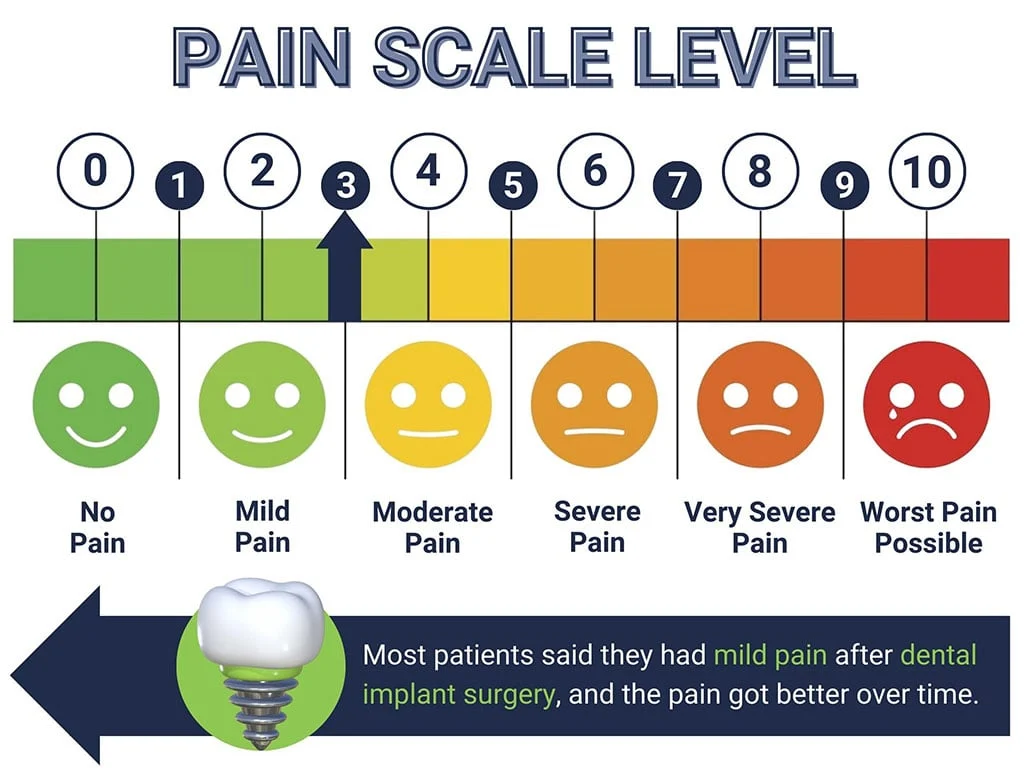
During the procedure, you should feel little to no pain due to the anaesthesia. Some patients report feeling pressure or vibrations, but these sensations are generally mild and tolerable. After the surgery, as the anaesthesia wears off, you may experience some discomfort. This is typically managed with pain medication prescribed by your dentist. Common sensations after the procedure include soreness, swelling, and mild aching. These effects are usually most pronounced in the first few days and gradually subside as the healing process progresses. Following your dentist’s aftercare instructions, such as using cold compresses and taking prescribed medications, can help minimize these sensations and promote faster healing.
Is dental implant surgery painful itself?
No, dental implant surgery is not painful itself. Thanks to local anaesthesia and, in some cases, sedation, patients typically experience no pain during the procedure. While some pressure or vibration may be felt, these sensations are generally mild and well-tolerated. The real question for most patients is about managing pain after surgery.
What type of pain relief is provided?
Several types of pain relief are provided to manage discomfort after dental implant surgery. Your dentist will likely prescribe pain medication, such as over-the-counter options like ibuprofen or acetaminophen, or stronger prescription pain relievers for more significant discomfort. Cold compresses can also help reduce swelling and numb the area, providing additional pain relief. Additionally, following aftercare instructions, such as maintaining good oral hygiene and avoiding hard or chewy foods, can help minimize pain and promote faster healing. Using saltwater rinses can also help soothe the area and prevent infection, further contributing to pain relief. At our implantology in Albania clinic we are dedicated to giving the best aftercare.
Pain After Dental Implant Surgery: Timeline and Severity
CLUSTER: post-implant pain, recovery after dental implants, pain duration dental implants
Understanding the timeline and severity of pain after dental implant surgery can help you prepare for the recovery process. Pain levels can vary depending on individual factors, but there’s a general pattern to expect. Let’s break down when pain typically appears and how long it lasts.
When Pain Typically Appears
Pain after dental implant surgery typically begins as the anaesthesia wears off, usually a few hours after the procedure. The initial discomfort is often described as soreness or aching in the surgical area. The intensity of pain can vary depending on individual pain tolerance and the complexity of the surgery. For most patients, the first 24 to 72 hours are the most uncomfortable. During this time, it’s essential to follow your dentist’s instructions for pain management, which may include taking prescribed medication and using cold compresses. After the initial peak, pain levels generally start to decrease gradually as the healing process progresses.
Intensity of Discomfort Day by Day
- Day 1-3: Expect the most intense discomfort during these first few days. Soreness, swelling, and aching are common. Pain medication and cold compresses are crucial for managing pain.
- Day 4-7: Pain levels typically begin to decrease gradually. Swelling may still be present, but the intensity of discomfort should lessen. Continue taking pain medication as needed.
- Day 7-14: Most patients experience significant relief from pain and discomfort during this period. Swelling should subside further, and you may be able to reduce or discontinue pain medication.
- Day 14+: By this time, most of the initial discomfort should be resolved. Some mild soreness may persist, but it should not be significant. Follow up with your dentist for check-ups to ensure proper healing.
Factors Influencing Pain Levels (e.g. bone grafts, number of implants)
Several factors can influence the level of pain experienced after full dental implants. These include:
- Bone Grafts: If bone grafting is necessary to support the implants, this can increase post-operative pain and swelling. Bone grafts add complexity to the surgery and require additional healing time.
- Number of Implants: Full mouth procedures involving multiple implants may result in more discomfort compared to single implant placements. The more extensive the surgery, the greater the potential for pain and swelling.
- Individual Pain Tolerance: Pain tolerance varies from person to person. Some individuals may experience higher pain levels than others, even with the same procedure.
- Surgical Technique: The skill and experience of the dental surgeon can also impact pain levels. Minimally invasive techniques may result in less discomfort and faster healing times.
At bone grafting in Albania, our expertise minimizes post-operative pain.
How long does pain last after full dental implants?
The duration of pain after full dental implants varies but generally follows a predictable timeline. Most patients experience the most intense pain in the first 24 to 72 hours, followed by a gradual decrease in discomfort over the next week or two. By day 14, most of the initial pain should subside, although some mild soreness may persist for a few more weeks. Factors like bone grafts and the number of implants can influence the total duration of pain.
Is the pain worse with multiple implants or full mouth procedures?
Yes, the pain is often worse with multiple implants or full mouth procedures compared to single implant placements. The more extensive the surgery, the greater the potential for tissue trauma and inflammation. This can result in increased post-operative pain, swelling, and discomfort. However, with proper pain management strategies, such as prescribed medication and aftercare, even full mouth procedures can be managed effectively.
Managing Pain After Full Dental Implants
CLUSTER: pain relief dental implants, aftercare tips, swelling after dental implants
Effective pain management is crucial for a smooth recovery after full dental implants. There are several strategies you can use to minimize discomfort and promote healing. Let’s explore some key recommendations.
Home Care Recommendations
Proper home care is essential for managing pain and promoting healing after full dental implants. Here are some key recommendations:
- Rest: Get plenty of rest in the first few days after surgery. Avoid strenuous activities that could increase swelling or discomfort.
- Cold Compresses: Apply cold compresses to the surgical area for 15-20 minutes at a time, several times a day. This helps reduce swelling and numb the area.
- Soft Diet: Stick to a soft diet for the first few weeks. Avoid hard, chewy, or crunchy foods that could irritate the surgical site.
- Oral Hygiene: Gently rinse your mouth with saltwater after meals to keep the area clean. Avoid vigorous brushing near the surgical site.
- Avoid Smoking: Smoking can impair healing and increase the risk of complications. It’s best to avoid smoking altogether during the recovery period.
Prescription and Over-the-Counter Options
Pain relief can be achieved through both prescription and over-the-counter medications. Your dentist may prescribe stronger pain relievers for the initial days after surgery. Over-the-counter options like ibuprofen or acetaminophen can also be effective for managing mild to moderate pain. Be sure to follow your dentist’s instructions regarding dosage and frequency. In addition to pain medication, your dentist may prescribe antibiotics to prevent infection, which can also contribute to pain relief. Always consult with your dentist before taking any new medications or supplements.
How to Reduce Swelling and Discomfort
Reducing swelling and discomfort is a key part of managing pain after full dental implants. Here are some effective strategies:
- Cold Compresses: As mentioned earlier, cold compresses are highly effective for reducing swelling. Apply them regularly in the first few days.
- Elevate Your Head: When resting, elevate your head with extra pillows. This can help reduce swelling by promoting fluid drainage.
- Stay Hydrated: Drinking plenty of fluids can help reduce swelling and promote healing. Avoid sugary or carbonated beverages.
- Gentle Exercise: Light walking can improve circulation and reduce swelling. Avoid strenuous activities.
- Avoid Salt: Excess salt intake can contribute to swelling. Opt for a low-sodium diet during the recovery period.
Our cosmetic dentistry in Albania clinic focuses on minimal swelling.
What can patients do to relieve pain after surgery?
Patients can relieve pain after surgery by following their dentist’s aftercare instructions, taking prescribed pain medication, using cold compresses to reduce swelling, maintaining good oral hygiene, and sticking to a soft diet. Additionally, avoiding smoking, staying hydrated, and getting plenty of rest can help promote healing and minimize discomfort.
When should you contact your dentist about post-surgery pain?
You should contact your dentist about post-surgery pain if you experience severe pain that is not relieved by medication, signs of infection (such as fever, pus, or increased redness), persistent swelling that does not improve after several days, or any unusual symptoms. Early intervention can help prevent complications and ensure a smooth recovery.
Comparing Full Dental Implant Pain to Other Dental Procedures
CLUSTER: dental implant vs tooth extraction pain, implants vs dentures discomfort
Understanding how the pain associated with full dental implants compares to other dental procedures can provide valuable context and help manage expectations. While pain is subjective, there are some general comparisons that can be made.
Subjective Comparisons to Other Major Dental Treatments
When comparing the pain of full dental implants to other major dental treatments, here’s what to consider:
- Tooth Extraction: Many patients find that the pain after full dental implants is comparable to or slightly less than that experienced after multiple tooth extractions. The initial soreness and discomfort are similar, but implants don’t involve the same degree of bone healing as extractions.
- Root Canal: The pain associated with root canals is often more focused and localized, while implant pain may be more diffuse and related to swelling and soreness. Root canals can be intensely painful if the infection is severe, whereas implant pain is typically more manageable with medication.
- Dentures: While dentures themselves are not typically painful to place, the adjustment period can involve significant discomfort due to pressure points and irritation. Implants, once healed, tend to be more comfortable in the long run.
- All-on-4 Implants: Similar to full dental implants, All-on-4 involves placing multiple implants, but often with a shorter recovery period. The pain levels are generally comparable, but All-on-4 may have slightly less post-operative discomfort due to the fewer number of implants.
Getting full mouth reconstruction in Albania can be less painful with our expert team.
Are full dental implants more painful than tooth extractions or dentures?
Whether full dental implants are more painful than tooth extractions or dentures depends on individual circumstances. Many patients find the initial pain comparable to tooth extractions, but the long-term comfort is often greater with implants. Dentures can cause ongoing discomfort due to pressure points and irritation, whereas implants, once healed, provide a more stable and comfortable solution.
Potential Complications: When Pain Signals a Problem
CLUSTER: implant complications, infection symptoms, persistent pain dental implants
While some pain is normal after full dental implants, it’s important to recognize when pain signals a potential complication. Identifying and addressing these issues early can prevent more serious problems and ensure the success of your implants.
Signs that Pain May Indicate a Complication (Infection, Nerve Injury, Implant Failure)
Here are some signs that your post-operative pain may indicate a complication:
- Severe Pain: Pain that is not relieved by prescribed medication or worsens over time may indicate a problem.
- Signs of Infection: Fever, pus or drainage from the surgical site, increased redness, or a foul taste in your mouth can all be signs of infection.
- Persistent Swelling: Swelling that does not improve after several days or suddenly worsens may indicate an issue.
- Numbness or Tingling: Numbness or tingling in your gums, lips, or chin can indicate nerve injury.
- Implant Instability: Feeling that your implants are loose or moving can be a sign of implant failure.
- Difficulty Chewing: Significant difficulty chewing or biting down, especially if it persists after the initial healing period, may indicate a problem.
What type of pain is considered abnormal after full dental implants?
Abnormal pain after full dental implants includes severe pain that is not relieved by medication, pain that worsens over time, sharp or shooting pain, and pain accompanied by other concerning symptoms like fever, swelling, or numbness. Any pain that deviates significantly from the expected recovery timeline should be evaluated by your dentist.
What complications can cause severe pain after dental implants?
Several complications can cause severe pain after dental implants, including infection, nerve injury, implant failure, sinus issues (if implants are placed in the upper jaw), and problems with the surrounding bone or tissue. Addressing these complications promptly is essential for managing pain and ensuring the long-term success of your implants.
FAQ Section
CLUSTER: frequently asked questions, full mouth dental implants
Here are some frequently asked questions about pain associated with full mouth dental implants:
Is dental implant placement painful?
Dental implant placement itself is generally not painful due to the use of local anaesthesia and sedation. During the procedure, you may feel pressure or vibrations, but you should not experience sharp pain. Post-operative discomfort is typically managed with pain medication and other aftercare strategies.
How long does pain from full dental implants last?
The duration of pain from full dental implants varies, but most patients experience the most intense discomfort in the first 24 to 72 hours, followed by a gradual decrease over the next one to two weeks. By day 14, most of the initial pain should subside, with some mild soreness potentially lingering for a few more weeks.
What helps with dental implant pain management?
Effective dental implant pain management includes taking prescribed pain medication, using cold compresses to reduce swelling, maintaining good oral hygiene, sticking to a soft diet, avoiding smoking, staying hydrated, and getting plenty of rest. Following your dentist’s aftercare instructions is crucial for minimizing discomfort.
What is the expected recovery timeline?
The expected recovery timeline for full dental implants typically includes:
- First 3 Days: Most intense pain and swelling. Rest and pain medication are essential.
- Day 4-7: Pain begins to decrease gradually. Continue aftercare and medication as needed.
- Day 7-14: Significant pain relief. Swelling subsides further.
- Day 14+: Most initial discomfort is resolved. Follow up with your dentist for check-ups.
What can patients do if pain persists?
If pain persists after the expected recovery timeline, patients should contact their dentist. Persistent pain may indicate a complication such as infection, nerve injury, or implant failure. Early intervention can help prevent more serious problems and ensure the long-term success of the implants. At Albania Dental Implants, we use state-of-the-art technology including zirconia implants in Albania.





