



What are the negatives of full mouth dental implants? Many people considering this treatment wonder about the potential drawbacks and risks involved.
Understanding Full Mouth Dental Implants
When considering full mouth dental implants, it’s important to understand the procedure, its benefits, and its potential drawbacks. Full mouth dental implants offer a permanent solution for replacing an entire set of teeth, but they also come with considerations that patients should be aware of. Let’s delve into the details of this transformative dental procedure.
What are full mouth dental implants?
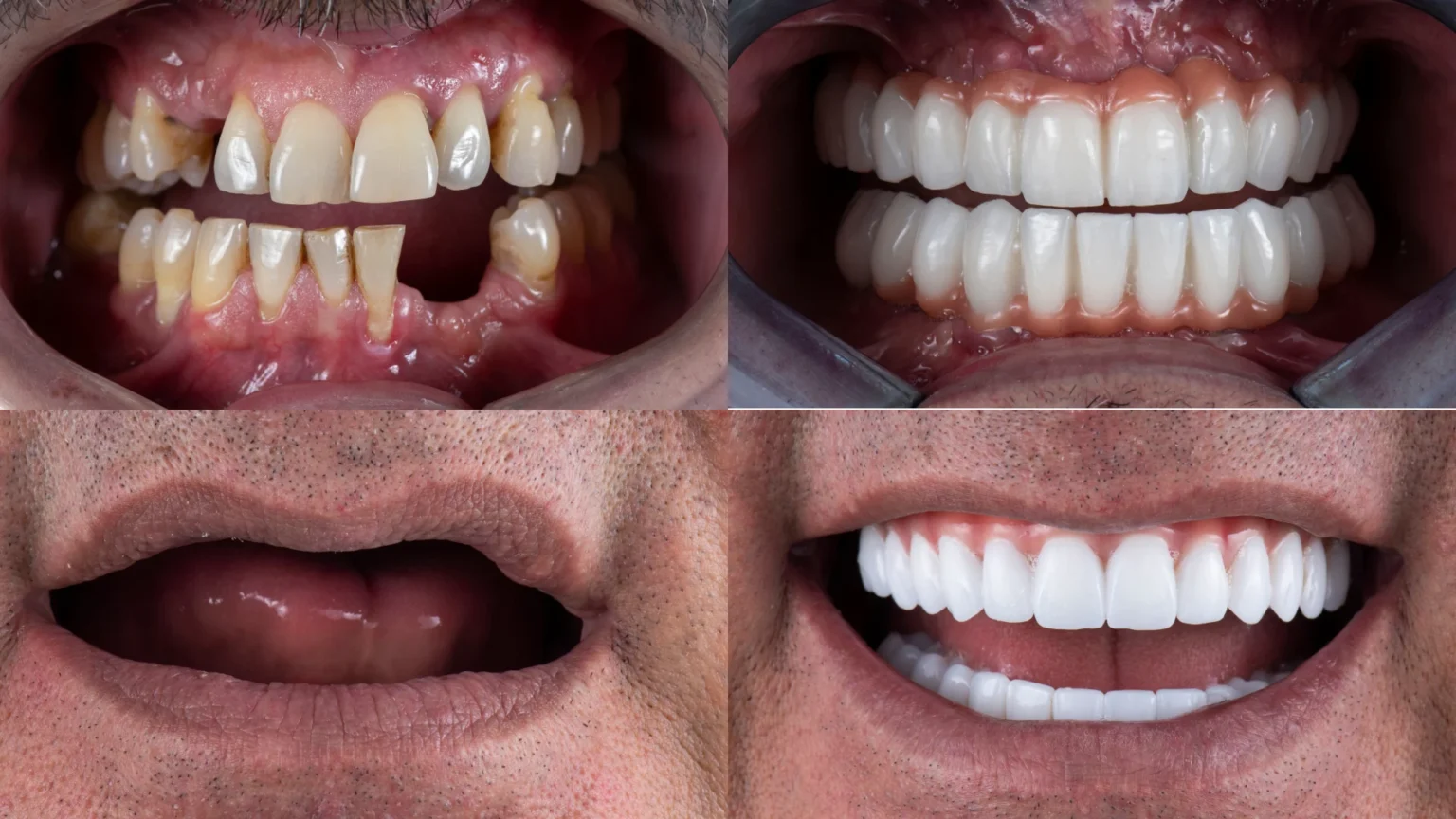
Full mouth dental implants involve replacing all teeth in either the upper or lower jaw, or both, with dental implants. Instead of individual implants for each tooth, a strategic number of implants (typically four to six) are placed to support a full arch of replacement teeth. This approach is often referred to as “all-on-4” or “all-on-6”. Full mouth dental implants offer a stable and long-lasting alternative to traditional dentures.
How does the dental implant procedure work?
The dental implant procedure typically involves several stages:
- Consultation and Planning: A thorough examination, including X-rays and CT scans, is conducted to assess the patient’s jawbone and determine the optimal placement for the implants.
- Implant Placement: The implants, which are small titanium posts, are surgically placed into the jawbone. This may be done under local anaesthesia, sedation, or general anaesthesia.
- Healing Period (Osseointegration): Over several months, the implants fuse with the jawbone in a process called osseointegration. This provides a strong and stable foundation for the replacement teeth.
- Abutment Placement: Once osseointegration is complete, abutments (connectors) are attached to the implants. These will serve as the base for the new teeth.
- Prosthesis Placement: Finally, a custom-made set of replacement teeth (denture or bridge) is attached to the abutments. These replacement teeth are designed to look and function like natural teeth.
At Albania Dental Implants, we ensure each stage is performed with precision and care, utilizing state-of-the-art technology and experienced dental professionals. You can start by contacting us here.
Who is a candidate for full mouth dental implants?
Ideal candidates for full mouth dental implants typically include individuals who:
- Have lost most or all of their teeth due to decay, gum disease, or injury.
- Have sufficient bone density in the jaw to support implants, or are willing to undergo bone grafting.
- Are in good overall health, as certain medical conditions can affect the success of dental implants.
- Are committed to maintaining good oral hygiene and attending regular dental check-ups.
However, certain health conditions may increase the risks associated with dental implants. It’s essential to consult with a qualified dental professional to determine if full mouth dental implants are the right choice for you. To know Who is not Suitable for Implants, consult us for recommendations.
Common Negatives of Full Mouth Dental Implants
While full mouth dental implants offer significant benefits, it’s essential to be aware of the disadvantages of dental implants, risks of dental implants, and potential dental implant complications. Understanding these potential drawbacks can help patients make informed decisions and prepare for the challenges that may arise.
Surgical risks and complications
As with any surgical procedure, full mouth dental implant surgery carries certain risks. Common surgical risks include infection, bleeding, nerve damage, and sinus problems (particularly with upper implants). Although these complications are relatively rare, they can occur and may require additional treatment. At Albania Dental Implants, we take every precaution to minimize surgical risks, including thorough pre-operative assessments and adherence to strict infection control protocols. These protocols are designed to maximize patient safety and implant success.
High cost and affordability
One of the most significant disadvantages of dental implants is the cost. Full mouth dental implants can be a substantial investment, often more expensive than alternative tooth replacement options like dentures or bridges. This cost can be a barrier for many patients, making the treatment unaffordable. However, it’s important to consider the long-term value and benefits of dental implants, such as improved oral health, enhanced aesthetics, and increased self-confidence. Furthermore, alternatives like affordable dental tourism in Albania with Albania Dental Implants can help make full mouth restoration more accessible.
Time investment and multiple procedures
The full mouth dental implant process typically requires multiple procedures and a significant time commitment. From the initial consultation and planning stages to the surgical placement of implants and the final fitting of replacement teeth, the entire process can take several months to a year or more. This time investment can be challenging for patients with busy schedules or those seeking a quick solution. At Albania Dental Implants, we strive to streamline the process and minimize the number of visits required, without compromising the quality of care.
Post-operative pain and recovery challenges
Following dental implant surgery, patients may experience post-operative pain, swelling, and discomfort. The extent of these symptoms can vary depending on the individual and the complexity of the procedure. Managing pain and discomfort typically involves pain medication, ice packs, and a soft food diet. While most patients recover without significant issues, some may experience prolonged pain or complications that require additional treatment. You can find out How long does it take to recover from full mouth dental implant surgery here.
Long-Term Concerns with Dental Implants
When considering full mouth dental implants, it’s crucial to be aware of the long-term effects of dental implants, potential for dental implant failure, risk of bone loss, and the possibility of peri-implantitis. Understanding these long-term concerns can help patients make informed decisions and take proactive steps to maintain the health of their dental implants.
Risk of implant failure
While dental implants have a high success rate, there is always a risk of implant failure. Implant failure can occur due to various factors, including infection, poor bone integration, excessive force on the implant, or underlying medical conditions. Although rare, implant failure can be a significant concern for patients who have invested time and money in the procedure. At Albania Dental Implants, we take every precaution to minimize the risk of implant failure, including thorough patient screening, precise surgical techniques, and the use of high-quality materials.
Potential for bone loss or gum disease (peri-implantitis)
Peri-implantitis is a type of gum disease that affects the tissues surrounding dental implants. It can lead to inflammation, bone loss, and eventual implant failure if left untreated. Maintaining good oral hygiene and attending regular dental check-ups are essential for preventing peri-implantitis. Additionally, bone loss around dental implants can occur over time due to factors such as osteoporosis or poor bite alignment. You can find out Can I get Implants with Receding Gums in this article.
Maintenance requirements and future repairs
Dental implants require ongoing maintenance to ensure their long-term success. This includes regular brushing, flossing, and professional dental cleanings. Additionally, dental implants may require future repairs or replacements due to wear and tear, damage, or complications. While dental implants are designed to be durable, they are not immune to the effects of time and use. Being prepared for the ongoing maintenance requirements and potential future repairs is essential for patients with full mouth dental implants.
Comparison with Alternatives
When considering full mouth dental implants, it’s important to compare them with alternatives such as dental implants vs dentures, dental bridges vs implants, and other alternatives to full mouth implants. Understanding the pros and cons of each option can help patients make the best choice for their individual needs and preferences.
How do full mouth implants compare to dentures?
Full mouth implants offer several advantages over traditional dentures. Implants are more stable and secure, providing better chewing function and speech clarity. They also help preserve bone density in the jaw, preventing bone loss that can occur with dentures. Additionally, implants don’t require messy adhesives and are more comfortable to wear. However, implants are more expensive and require surgery, while dentures are less invasive and more affordable.
Pros and cons versus dental bridges
Dental bridges are another alternative to full mouth implants, particularly for replacing a few missing teeth. Bridges involve anchoring a false tooth to adjacent natural teeth, filling the gap. Bridges are less expensive than implants and don’t require surgery. However, bridges can put additional stress on the adjacent teeth, and they don’t prevent bone loss in the jaw. Implants, on the other hand, provide a more stable and long-lasting solution that preserves bone density. Check here to see Is a Dental Bridge Better Than an Implant?
When might an alternative be a better choice?
Alternatives to full mouth implants may be a better choice for patients who:
- Cannot afford the cost of implants.
- Are not good candidates for surgery due to health reasons.
- Have significant bone loss in the jaw that cannot be corrected with bone grafting.
- Are looking for a less invasive and quicker solution.
In these cases, dentures or bridges may be more appropriate options. However, it’s essential to consult with a qualified dentist to determine the best course of treatment based on individual circumstances.
Factors That May Increase Risks
Certain factors can increase the risks associated with full mouth dental implants. It’s important to be aware of these factors and take steps to minimize their impact. Let’s take a closer look at the medical risks dental implants pose, who should not get dental implants, and the impact of various health conditions on implant outcomes.
How medical conditions (like diabetes, osteoporosis) affect risks
Medical conditions such as diabetes and osteoporosis can affect the success of dental implants. Diabetes can impair healing and increase the risk of infection, while osteoporosis can reduce bone density and affect implant stability. Patients with these conditions may require additional precautions or alternative treatment options. However, with proper management and careful planning, many patients with medical conditions can still successfully undergo dental implant treatment.
Impact of poor oral hygiene, smoking, and age on outcomes
Poor oral hygiene, smoking, and advanced age can all negatively impact the outcomes of dental implants. Poor oral hygiene can increase the risk of infection and peri-implantitis, while smoking can impair healing and reduce implant success rates. Advanced age can also affect bone density and healing capacity. Patients who maintain good oral hygiene, abstain from smoking, and are in relatively good health tend to have the best outcomes with dental implants. You can start by asking your dentist Can you get Implants if you have bad teeth?
FAQs About the Negatives of Full Mouth Dental Implants
Here are some frequently asked questions about the negatives of full mouth dental implants, providing valuable insights to help you make an informed decision:
Are full mouth dental implants safe?
Full mouth dental implants are generally safe when performed by a qualified and experienced dental professional. However, like any surgical procedure, there are potential risks involved. These can include infection, bleeding, nerve damage, and sinus problems. Choosing a reputable dental clinic with experienced surgeons is crucial to minimize these risks.
What complications are most common with dental implants?
The most common complications with dental implants include infection, peri-implantitis (gum disease around the implant), implant failure, and nerve damage. Maintaining good oral hygiene and attending regular dental check-ups are essential for preventing these complications.
How painful is the recovery from full mouth implants?
The level of pain experienced during recovery can vary from person to person. Most patients experience some discomfort, swelling, and bruising following surgery. Pain medication, ice packs, and a soft food diet can help manage these symptoms. While the initial recovery period may be challenging, most patients report significant improvement within a few days.
Can dental implants fail after several years?
Yes, dental implants can fail after several years, although this is relatively rare. Implant failure can occur due to factors such as infection, poor bone integration, excessive force on the implant, or underlying medical conditions. Regular dental check-ups and good oral hygiene can help prevent long-term implant failure.
Are infections common with dental implants?
Infections are not common with dental implants, but they can occur. Proper surgical technique and strict infection control protocols can minimize the risk of infection. Maintaining good oral hygiene after surgery is also crucial for preventing infection.
Is the high cost justified by the benefits?
The high cost of full mouth dental implants is a significant consideration for many patients. However, the long-term benefits, such as improved oral health, enhanced aesthetics, and increased self-confidence, can justify the investment for many individuals. Additionally, financing options and dental tourism can help make the treatment more affordable.
How do I minimize the risks of complications?
You can minimize the risks of complications by:
- Choosing a qualified and experienced dental professional.
- Maintaining good oral hygiene.
- Attending regular dental check-ups.
- Following all post-operative instructions.
- Abstaining from smoking.
- Managing any underlying medical conditions.
Who should NOT get full mouth dental implants?
Full mouth dental implants may not be suitable for individuals who:
- Have certain medical conditions that impair healing or increase the risk of infection.
- Have significant bone loss in the jaw that cannot be corrected with bone grafting.
- Are heavy smokers or have poor oral hygiene.
- Are unwilling to commit to the long-term maintenance requirements.
Will dental implants feel and function like natural teeth?
With proper planning and execution, dental implants can feel and function very much like natural teeth. They provide a stable and secure foundation for chewing, speaking, and smiling. While there may be a slight adjustment period, most patients report that their dental implants feel comfortable and natural over time. Make sure you have a clear What Does an Implant Tooth Look Like? to feel more at ease with your journey.
What are the maintenance requirements for full mouth dental implants?
The maintenance requirements for full mouth dental implants include:
- Brushing and flossing daily.
- Using a water flosser or interdental brush to clean around the implants.
- Attending regular dental check-ups and professional cleanings.
- Avoiding smoking and excessive alcohol consumption.
- Maintaining a healthy diet.
Conclusion
Full mouth dental implants offer a transformative solution for replacing missing teeth and restoring oral health. However, it’s essential to be aware of the potential disadvantages and risks involved. Weighing the pros and cons, considering individual circumstances, and consulting with a qualified dental professional are crucial steps in making an informed decision. If you’re looking for a more affordable option, consider our dental implants in Albania services.
Summary of key disadvantages
The key disadvantages of full mouth dental implants include:
- Surgical risks and complications.
- High cost and affordability concerns.
- Significant time investment and multiple procedures.
- Post-operative pain and recovery challenges.
- Potential for implant failure, bone loss, or gum disease.
- Ongoing maintenance requirements and potential future repairs.
Balanced view on whether full mouth dental implants are the right choice
While full mouth dental implants are not without their drawbacks, they can be a life-changing solution for individuals who have lost most or all of their teeth. The decision to undergo full mouth dental implant treatment should be made after careful consideration of individual circumstances, weighing the potential benefits against the risks and costs. By working with a qualified and experienced dental team, patients can maximize the chances of a successful and satisfying outcome.
Considering restoring your smile with full mouth dental implants? Contact Albania Dental Implants today to schedule a consultation and explore your options. Our experienced team can help you determine if full mouth dental implants are the right choice for you, and provide you with a personalized treatment plan tailored to your needs and budget. Don’t wait any longer to regain your confidence and enjoy a healthy, beautiful smile!





