



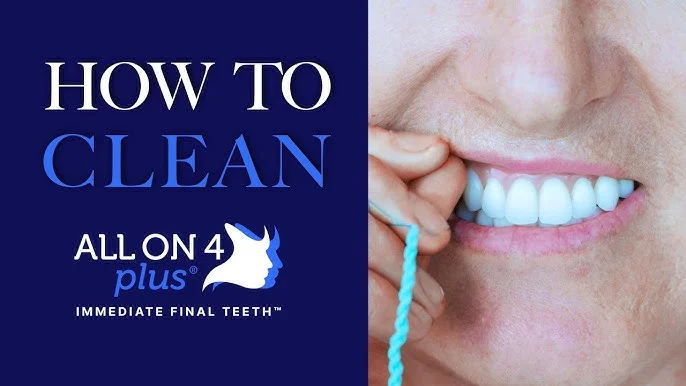

How do you clean under full mouth dental implants? This is a critical question for anyone who has invested in a full arch restoration to regain their smile and quality of life. Maintaining excellent oral hygiene is paramount to ensure the longevity and health of your dental implants in Albania. This comprehensive guide will provide you with step-by-step instructions, the best tools, and essential tips to keep your implants clean and prevent complications.
Why Is Cleaning Under Full Mouth Dental Implants Essential?
Oral hygiene for dental implants is not just about maintaining a bright smile; it’s crucial for the long-term success of your investment. Neglecting to clean under your full mouth dental implants can lead to serious complications.
Preventing Infection Under Dental Implants
One of the primary reasons cleaning is essential is preventing infection under dental implants. Food particles and bacteria can accumulate around the implant site, leading to inflammation and infection. These infections can compromise the integrity of the implant and surrounding tissues.
The Risk of Peri-implantitis
Peri-implantitis is a condition similar to periodontitis but affects the tissues around dental implants. This inflammatory disease can cause bone loss around the implant, potentially leading to implant failure. Regular and thorough cleaning is the best defense against this risk. Poor oral hygiene has been shown to lead to inflammation and increased chance of peri-implantitis.
How Gum Health Impacts Implants
Good gum health is the foundation of successful dental implants. Healthy gums provide a tight seal around the implant, preventing bacteria from penetrating the underlying bone. If the gums become inflamed or infected, the support for the implants weakens, increasing the risk of implant failure. Taking good care of your gums is vital. At Albania Dental Implants, we tell our patients to brush regularly, use interdental brushes and use antibacterial mouthwash.
What Tools and Products Are Best for Cleaning Under Dental Implants?
To effectively maintain your full mouth dental implants, it’s essential to have the best tools for cleaning under implants. Here’s a breakdown of recommended tools and products:
Implant-Specific Brushes
These brushes are designed with soft bristles to gently clean the surface of the implants without causing damage. Look for brushes with small heads and angled necks for better access to hard-to-reach areas. These will effectively remove plaque and debris.
Water Flossers (Irrigators)
A water flosser, also known as an oral irrigator, uses a stream of pulsating water to flush out bacteria and debris from under and around the implants. It’s particularly effective for cleaning areas that are difficult to reach with a traditional toothbrush or floss. If you’re getting full mouth reconstruction in Albania, your dentist should go through all the necessary information with you.
Interdental Brushes and Picks
Interdental brushes are small, cone-shaped brushes that fit between the implants to remove plaque and debris. Dental picks can also be useful for dislodging stubborn particles, but should be used gently to avoid damaging the implants or gums.
Antibacterial Mouthwash
Using an antibacterial mouthwash can help reduce the bacterial load in your mouth and prevent infection. Look for mouthwashes containing chlorhexidine or cetylpyridinium chloride (CPC), which are effective against oral bacteria.
Dental Cleaning Aids for All-on-4 Implants
If you have All-on-4 implants, cleaning can be a bit different due to the unique design of the restoration. In addition to the tools mentioned above, you may find specialized floss threaders and proxy brushes helpful for cleaning under the bridge.
Step-by-Step Guide: How Do You Clean Under Full Mouth Dental Implants?
Now, let’s get into the nitty-gritty of full arch dental implants cleaning. Here’s a detailed guide to help you maintain optimal hygiene:
Preparing for Cleaning
Before you begin, gather all your tools: implant-specific brush, water flosser, interdental brushes, and antibacterial mouthwash. Ensure you have good lighting and a mirror to see all areas clearly.
Daily Brushing Technique
- Use a soft-bristled, implant-specific toothbrush.
- Apply a small amount of fluoride toothpaste.
- Gently brush all surfaces of the implants, paying close attention to the gumline.
- Use small, circular motions to remove plaque and debris.
- Brush for at least two minutes, twice a day.
Avoid using excessive pressure, which can damage the implants and irritate the gums.
How to Use Interdental Brushes
- Select an interdental brush that fits snugly between the implants.
- Gently insert the brush and move it back and forth to remove plaque and debris.
- Rinse the brush after each use.
- Replace the brush when the bristles become worn.
Be careful not to force the brush, as this can damage the implants and gums.
Water Flosser Instructions
- Fill the water flosser reservoir with lukewarm water.
- Select a low-pressure setting to start.
- Place the tip of the water flosser at the gumline, aiming the stream of water between the implant and gum.
- Move the tip along the gumline, cleaning all surfaces of the implants.
- Increase the pressure gradually as you become more comfortable.
Use the water flosser once a day, preferably after brushing.
When to Use Mouthwash
- After brushing and flossing, rinse your mouth with antibacterial mouthwash.
- Swish the mouthwash around your mouth for 30 seconds.
- Spit out the mouthwash and avoid rinsing with water for at least 30 minutes.
Mouthwash should be used as the final step in your oral hygiene routine.
Advanced Maintenance: Professional Care and Follow-Up
While daily cleaning is essential, professional care is also crucial for the long-term health of your full mouth dental implants. Dental implant maintenance tips include regular visits to your dental hygienist and dentist.
Frequency of Hygienist Appointments
It’s recommended to visit your dental hygienist every 3-6 months for a professional cleaning. The frequency may vary depending on your individual needs and oral health.
What Your Dental Checkups Should Include
During your checkups, your dentist should:
- Assess the health of your gums and surrounding tissues.
- Check the stability of the implants.
- Evaluate your bite and the fit of the restoration.
- Take X-rays to monitor bone levels around the implants.
What to Expect at a Professional Cleaning
At a professional cleaning, your hygienist will use specialized tools to remove plaque and tartar from your implants. They may also use a polishing paste to smooth the surface of the implants and make them less susceptible to bacterial accumulation. They can also show you how to best clean your new dental crowns in Albania.
Troubleshooting: Signs of Poor Hygiene & What to Do
Recognizing the signs of poor implant hygiene is crucial for preventing complications. Here’s what to watch out for:
Symptoms of Infection to Watch For
Symptoms of infection around your implants may include:
- Redness and swelling of the gums.
- Bleeding when brushing or flossing.
- Pain or tenderness around the implants.
- Pus or discharge from the gumline.
- Loose implants.
What to Do If You Notice Bleeding or Swelling
If you notice bleeding or swelling, increase your cleaning efforts and rinse with antibacterial mouthwash. However, if the symptoms persist or worsen, it’s essential to contact your dentist immediately.
When to Contact Your Dentist
Contact your dentist if you experience:
- Persistent pain or discomfort.
- Loose implants.
- Significant swelling or bleeding.
- Fever or other signs of systemic illness.
Prompt treatment can prevent serious complications and preserve the health of your implants.
Frequently Asked Questions
Here are some questions people ask regarding the care of full mouth dental implants:
How Often Should I Clean Under My Dental Implants?
You should clean under your dental implants at least twice a day, using a combination of brushing, flossing, and water flossing. Incorporating antibacterial mouthwash into your oral hygiene routine can also be beneficial for killing bacteria. Regular cleaning prevents plaque buildup, inflammation, and infection, ensuring the longevity of your implants.
Can I Use Regular Floss with Full Mouth Dental Implants?
While regular floss can be used, it may not be as effective as specialized floss designed for dental implants. Implant-specific floss is often coated with a special material that makes it easier to slide between the implant and gumline.
What Happens If I Don’t Clean Under My Implants Properly?
Failing to clean under your implants properly can lead to a buildup of plaque and bacteria, which can cause inflammation, infection, and bone loss around the implant. This condition, known as peri-implantitis, can ultimately lead to implant failure.
Is a Water Flosser Better Than an Implant Brush?
A water flosser and an implant brush serve different purposes. An implant brush is ideal for cleaning the surfaces of the implants, while a water flosser is better for flushing out debris from under and around the implants. Using both tools is the best approach for comprehensive cleaning.
Do Cleaning Techniques Vary for Different Implant Systems (e.g. All-on-4)?
Yes, cleaning techniques can vary depending on the type of implant system you have. For example, All-on-4 implants may require specialized floss threaders or proxy brushes to clean under the bridge. Your dentist or hygienist can provide specific instructions based on your implant system.
Are There Foods or Habits That Increase Cleaning Difficulty?
Yes, certain foods and habits can increase the difficulty of cleaning your implants. Sticky or sugary foods can contribute to plaque buildup, while smoking can impair gum health and increase the risk of infection. It’s best to limit these foods and habits to maintain optimal oral hygiene.
Conclusion: The Importance of Daily Care for Full Mouth Dental Implants
Maintaining clean full mouth dental implants requires consistent effort and the right tools. By following the steps outlined in this guide and seeking regular professional care, you can ensure the longevity and health of your implants. Prioritizing daily care will not only preserve your investment but also contribute to your overall oral health and confidence. If you’re considering full mouth reconstruction in albania, or have any concerns about your implants, contact Albania Dental Implants today to schedule a consultation and take the first step towards a healthier, brighter smile. Remember, a clean implant is a happy implant!





