



Are full mouth dental implants painful? This is a common concern for those considering this advanced dental procedure. Beyond the cost, the potential for pain and discomfort is often a significant barrier for individuals seeking a permanent solution for missing teeth. This comprehensive guide addresses those concerns, providing a clear understanding of what to expect during and after full mouth dental implant surgery. At Albania Dental Implants, we strive to make the process as comfortable and stress-free as possible, offering high-quality, affordable solutions through our dental tourism packages in Albania.
What Are Full Mouth Dental Implants?
Cluster keyword: Full mouth implants overview
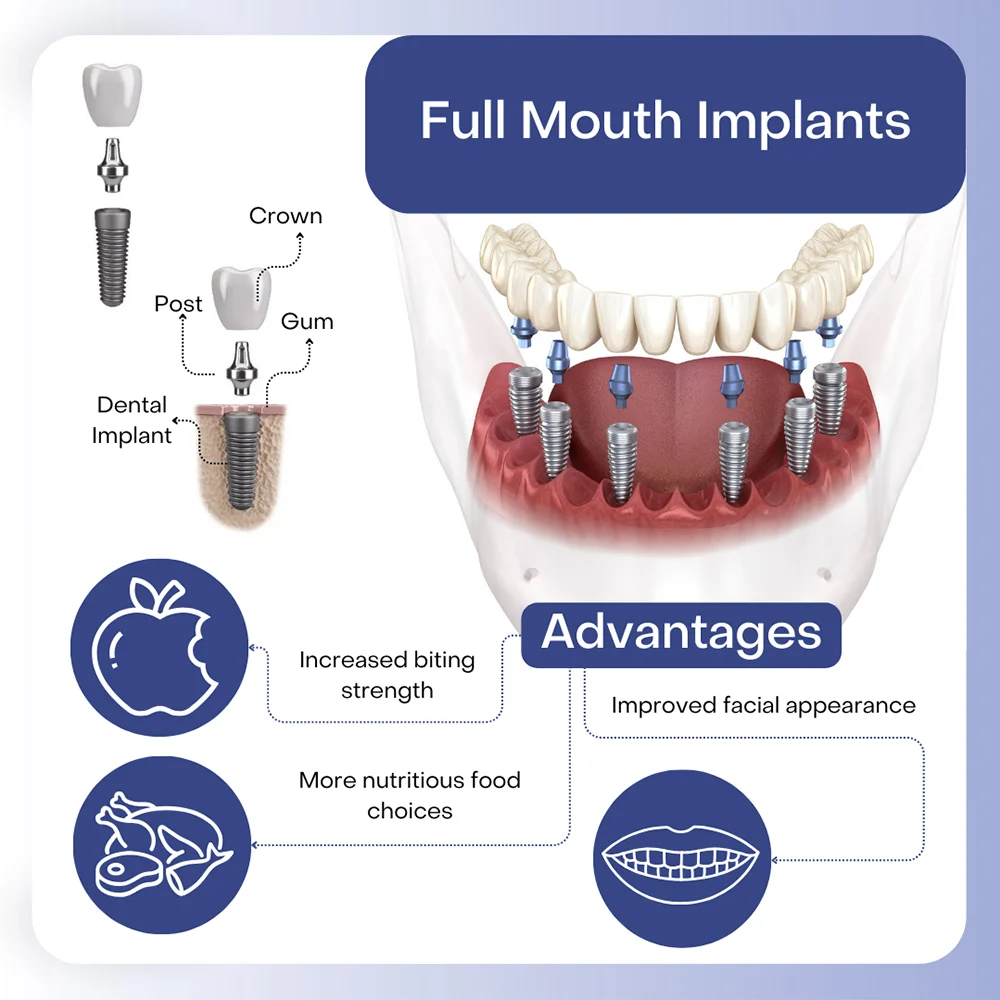
Full mouth dental implants offer a comprehensive solution for individuals who have lost most or all of their teeth. Unlike single tooth implants that replace individual missing teeth, full mouth implants, such as all on 4 dental implants in albania or all on 6 dental implants in albania, restore an entire arch of teeth. This involves placing a set of implants to support a full set of prosthetic teeth.
Full Mouth Implants vs Single Implants
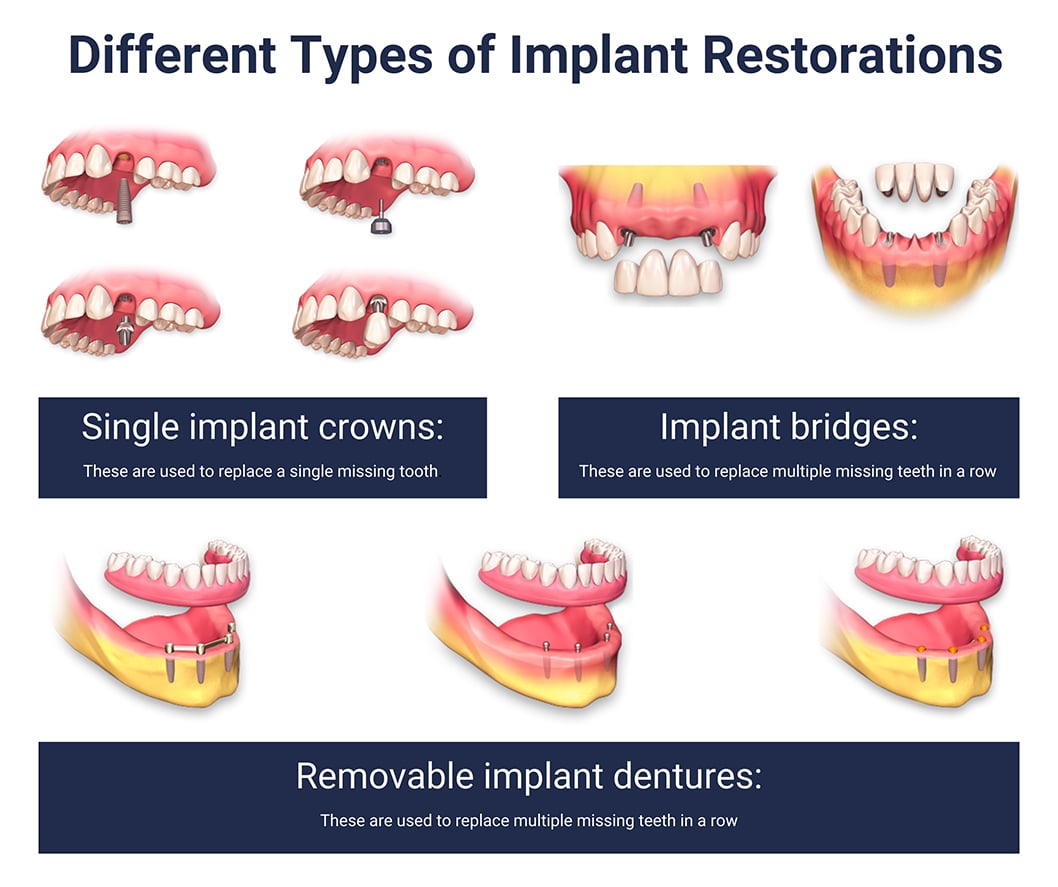
- Single Implants: Replace one missing tooth. A single implant is surgically placed into the jawbone, and a crown is attached.
- Full Mouth Implants: Replace an entire arch of teeth (upper or lower). Typically involve fewer implants than individual replacements, usually four to six implants per arch.
Common Procedures: All-on-4, All-on-6, Fixed Bridge
- All-on-4: Four dental implants support an entire arch of teeth. This method is often quicker and less invasive, offering a cost-effective option for many patients.
- All-on-6: Six dental implants provide even greater stability and support for the prosthetic arch. This is often recommended for patients with significant bone loss.
- Fixed Bridge: A full set of teeth is permanently attached to the implants. This provides a secure and natural-feeling solution.
Why People Choose Full Mouth Implants
- Improved Functionality: Restore the ability to eat and speak comfortably.
- Enhanced Aesthetics: Provide a natural-looking smile, boosting confidence.
- Long-Term Solution: Offer a durable and stable alternative to dentures.
- Bone Preservation: Help prevent bone loss in the jaw.
Many patients choose full mouth dental implants because they offer a permanent, stable, and aesthetically pleasing solution for extensive tooth loss. The enhanced functionality and improved quality of life make them a worthwhile investment. In addition, Albania Dental Implants offers high-quality full mouth implants at a fraction of the cost in the UK, making it an attractive option for those seeking affordable dental care.
Is the Full Mouth Implant Procedure Painful?
Cluster keyword: Dental implant procedure discomfort
Many prospective patients are understandably concerned about discomfort during the full mouth dental implant procedure. However, modern techniques and sedation options aim to minimize pain and anxiety.
Typical Expectations During the Procedure
- During the implant placement, you should feel little to no pain due to anaesthesia.
- Some pressure or vibration may be felt, but it should not be painful.
- The duration of the procedure varies, depending on the complexity and number of implants, but it’s typically completed in a few hours.
Anaesthesia and Sedation Options
- Local Anaesthesia: Numbs the treatment area, ensuring you feel no pain during the procedure.
- IV Sedation: Provides a deeper level of relaxation, reducing anxiety and discomfort.
- General Anaesthesia: Puts you completely to sleep, eliminating all awareness and sensation during the surgery. This is often reserved for complex cases or highly anxious patients.
What You Feel During Surgery
With appropriate anaesthesia, patients typically report feeling minimal discomfort during the surgery itself. The most common sensations are pressure and vibration as the dentist prepares the implant sites. Modern techniques, such as guided surgery using 3D-printed surgical guides, further enhance precision and minimize trauma to the surrounding tissues. At Albania Dental Implants, our skilled surgeons prioritize patient comfort, utilizing state-of-the-art technology to ensure a smooth and pain-free experience during your dental tourism in albania experience.
Pain During and Immediately After the Surgery
Cluster keyword: Pain after all-on-4 implants
While the procedure itself is generally painless, some discomfort is expected immediately after surgery as the anaesthesia wears off. Understanding what’s normal and how to manage it is crucial for a smooth recovery.
Immediate Post-Op Pain: What is Normal
- Mild to moderate pain at the implant sites.
- Swelling in the gums and cheeks.
- Slight bruising may occur.
Anaesthesia Wearing Off
As the anaesthesia wears off, you may start to feel some pain or throbbing at the implant sites. This is a normal part of the healing process and can be effectively managed with prescribed or over-the-counter pain medication.
Typical Pain Levels and Location
Most patients report that the pain is manageable and comparable to that experienced after a tooth extraction. The pain is usually localized to the implant sites and surrounding tissues. Pain levels vary from person to person.
When to Call Your Dentist
While some discomfort is normal, it’s important to know when to seek professional help. Call your dentist if you experience:
- Severe pain that is not relieved by medication.
- Signs of infection, such as fever, pus, or increased swelling.
- Excessive bleeding at the implant sites.
The experience of pain after all-on-4 implants or other full mouth implant procedures is transient and manageable. Being prepared and following post-operative instructions helps minimize discomfort. At Albania Dental Implants, we provide comprehensive post-operative care instructions and are available to address any concerns or complications that may arise.
Managing Pain and Discomfort After Full Mouth Implants
Cluster keyword: Managing pain after implants
Effective pain management is essential for a comfortable recovery after full mouth dental implant surgery. Following your dentist’s recommendations and practicing proper home care can significantly reduce discomfort.
Medications Prescribed and What to Expect
- Pain Relievers: Your dentist will likely prescribe pain medication to manage post-operative pain. Take the medication as directed, and don’t wait for the pain to become severe before taking it.
- Antibiotics: Antibiotics may be prescribed to prevent infection. Be sure to complete the full course of antibiotics, even if you feel better.
- Anti-inflammatory Drugs: Over-the-counter anti-inflammatory medications like ibuprofen can help reduce swelling and pain.
Recommended Home Care
- Ice Packs: Apply ice packs to your face for 20 minutes at a time, several times a day, to reduce swelling.
- Salt Water Rinses: Rinse your mouth gently with warm salt water (1/2 teaspoon of salt in 8 ounces of water) several times a day to keep the area clean and promote healing.
- Rest: Get plenty of rest in the days following your surgery. Avoid strenuous activities that could increase swelling or bleeding.
Foods to Eat and Avoid
- Soft Foods: Stick to a soft food diet in the days following your surgery. Examples include:
- Soup
- Mashed potatoes
- Yogurt
- Smoothies
- Foods to Avoid: Avoid hard, crunchy, or chewy foods that could irritate the implant sites.
- Nuts
- Seeds
- Raw vegetables
- Chewy candies
Duration of Discomfort in Most Patients
Most patients experience the most significant discomfort in the first few days after surgery. The pain and swelling typically subside within a week to ten days. However, it’s essential to continue following your dentist’s instructions and maintain good oral hygiene throughout the healing process.
Proper pain management and home care significantly improve recovery after full mouth implants. Albania Dental Implants provides detailed aftercare instructions and ongoing support to help patients manage discomfort and ensure optimal healing during their dental clinic in albania experience.
Recovery Timeline and When the Pain Goes Away
Cluster keyword: Dental implant recovery time
Understanding the recovery timeline helps manage expectations and ensure proper healing after full mouth dental implant surgery.
Average Healing Duration
The initial healing phase usually lasts about 1-2 weeks, during which most of the swelling and discomfort subside. However, complete osseointegration (the process of the implants fusing with the jawbone) can take several months, typically 3-6 months.
Milestones: First Week, First Month, 3 Months
- First Week:
- Significant swelling and bruising are common.
- Focus on rest, soft foods, and pain management.
- Gentle salt water rinses to keep the area clean.
- First Month:
- Swelling and bruising should largely disappear.
- You may gradually reintroduce more solid foods.
- Follow-up appointments to monitor healing.
- 3 Months:
- Implants should be well-integrated with the bone.
- Final prosthetic teeth are attached.
- Most patients can resume normal eating habits.
Factors that Affect Pain Duration
- Individual Pain Tolerance: Pain perception varies from person to person.
- Surgical Complexity: More complex procedures may result in a longer recovery.
- Adherence to Aftercare Instructions: Following your dentist’s guidelines closely can minimize complications and expedite healing.
- Overall Health: Existing health conditions can impact healing times.
Knowing what to expect during each stage of the recovery process allows you to manage discomfort effectively and promotes successful integration. At Albania Dental Implants, we provide regular follow-up appointments and comprehensive support throughout your recovery, ensuring you are well-cared for during your journey to a restored smile and helping you to understand when you can start enjoying Albania Dental Implants services.
Complications: When Pain Is Not Normal
Cluster keyword: Risks and complications of dental implants
While full mouth dental implants are generally safe and successful, complications can occur. Knowing the warning signs and when to seek professional help is essential.
Signs of Infection or Implant Failure
- Persistent, Severe Pain: Pain that does not improve with medication.
- Increased Swelling: Swelling that worsens after the first few days.
- Fever: A temperature above 100.4°F (38°C).
- Pus or Discharge: Pus or discharge at the implant sites.
- Implant Mobility: Feeling that the implant is loose or moving.
When Pain Is a Warning Sign
- Nerve Damage: Numbness or tingling in the gums, lips, or chin.
- Sinus Problems: Pain or pressure in the sinuses (for upper implants).
- Difficulty Chewing or Speaking: Persistent discomfort that affects daily functions.
What to Do if Pain Persists
- Contact Your Dentist Immediately: Do not delay seeking professional help if you experience any of the above symptoms.
- Follow Your Dentist’s Instructions: They may prescribe antibiotics, anti-inflammatory medication, or recommend further treatment.
- Maintain Good Oral Hygiene: Continue gentle cleaning to prevent further complications.
Recognizing the signs of complications and seeking prompt treatment ensures the best possible outcome for your dental implants. Albania Dental Implants emphasizes patient education and provides ongoing support to address any issues that may arise, helping to prevent the need for multiple implants with bridges in albania.
Sedation, Anxiety, and Pain Management Options
Cluster keyword: Sedation for dental implants
Managing anxiety and pain is a crucial aspect of the full mouth dental implant experience. Understanding the various sedation options can help you feel more comfortable and confident during the procedure.
Types of Sedation (Local, IV, General)
- Local Anaesthesia: Numbs the specific area, ensuring you feel no pain during the procedure. You remain fully conscious and aware.
- IV Sedation: Administered intravenously, providing a deeper level of relaxation. You may feel drowsy and less aware, but you are still conscious and able to respond to commands.
- General Anaesthesia: Puts you completely to sleep, eliminating all awareness and sensation. This is usually reserved for complex cases or patients with severe anxiety.
How Sedation Affects Pain Perception and Memory
Sedation can significantly reduce pain perception and anxiety. IV sedation and general anaesthesia can also create a degree of amnesia, meaning you may not remember much of the procedure. This can be particularly beneficial for anxious patients.
Options for Anxious Patients
- Consultation: Discuss your concerns and anxieties with your dentist. They can help you choose the most appropriate sedation option.
- Relaxation Techniques: Practicing relaxation techniques like deep breathing or meditation can help calm your nerves before the procedure.
- Oral Sedatives: In some cases, your dentist may prescribe an oral sedative to take before the appointment.
Selecting the right sedation method can significantly enhance the comfort and overall experience of getting full mouth dental implants. At Albania Dental Implants, we tailor our sedation options to meet each patient’s individual needs and preferences, ensuring a stress-free and comfortable journey to a restored smile and also offering oral surgery in albania if needed.
Real Patient Experiences
Cluster keyword: Patient experiences with full mouth implants
Hearing about real patient experiences can provide valuable insights and reassurance when considering full mouth dental implants.
Testimonials/Paraphrased Experience Reports
- Patient A: “I was terrified of dental work, but the team at Albania Dental Implants made me feel so comfortable. The procedure was painless, and the recovery was much easier than I expected. I now have a beautiful smile and can eat anything I want!”
- Patient B: “I had all-on-4 implants done, and it changed my life. The initial swelling was a bit uncomfortable, but the pain was manageable with medication. Now, I have a full set of teeth that look and feel natural.”
- Patient C: “I was nervous about going abroad for dental work, but the cost savings and high quality of care at Albania Dental Implants were worth it. The staff was professional, and the results exceeded my expectations.”
What Most Patients Say About Pain
Most patients report that the procedure is far less painful than they anticipated. The biggest concerns are usually swelling and discomfort during the first few days after surgery. However, with appropriate pain management, these symptoms are typically well-controlled.
Surgeon Advice for Reducing Discomfort
- Follow Post-Operative Instructions: Adhering to your dentist’s guidelines is crucial for minimizing discomfort and promoting healing.
- Use Ice Packs: Apply ice packs regularly to reduce swelling.
- Take Prescribed Medication: Take pain medication and antibiotics as directed.
- Maintain Good Oral Hygiene: Gently clean the implant sites to prevent infection.
Real patient experiences highlight the positive outcomes and manageable discomfort associated with full mouth dental implants. At Albania Dental Implants, we are committed to providing a supportive and comfortable environment for our patients, ensuring they feel confident and well-informed throughout their journey to a restored smile. Many also comment on the quality of cosmetic dentistry in albania.
Frequently Asked Questions
How painful is it to get full mouth dental implants?
With modern anaesthesia and sedation, the procedure itself is generally painless. Some post-operative discomfort is expected, but it’s usually manageable with medication. Most patients report that the pain is similar to that experienced after a tooth extraction.
How long does the pain last after full mouth implants?
The most significant discomfort usually lasts for the first few days after surgery. Swelling and bruising typically subside within a week to ten days. Residual soreness may persist for a few weeks, but it should gradually decrease.
Are full mouth dental implants more painful than dentures?
The initial recovery period after implant surgery can involve some discomfort. However, full mouth dental implants are generally more comfortable in the long run compared to dentures. Implants are stable and do not cause the friction and irritation often associated with dentures.
What is the worst day for pain after dental implants?
The second or third day after surgery is often reported as the worst for pain. This is when the anaesthesia has worn off, and the initial swelling is at its peak. Taking prescribed medication and following aftercare instructions helps manage the discomfort.
How do dentists manage pain during and after the procedure?
Dentists manage pain during the procedure using local anaesthesia, IV sedation, or general anaesthesia. After the surgery, pain is managed with prescribed pain medication, over-the-counter anti-inflammatory drugs, ice packs, and gentle salt water rinses.
Can you be put to sleep for full mouth dental implants?
Yes, general anaesthesia is an option for full mouth dental implant surgery. This is typically reserved for complex cases or patients with severe anxiety. IV sedation is another common option that provides a deeper level of relaxation while remaining conscious.
What painkillers are recommended after the procedure?
Dentists typically prescribe pain relievers such as opioids or recommend over-the-counter anti-inflammatory drugs like ibuprofen. It is important to follow your dentist’s instructions and take the medication as directed.
What complications cause pain after dental implants?
Complications that can cause pain after dental implants include infection, nerve damage, sinus problems (for upper implants), and implant failure. If you experience severe or persistent pain, contact your dentist immediately.
How do patient experiences vary with full mouth implants?
Patient experiences vary based on individual pain tolerance, surgical complexity, and adherence to aftercare instructions. However, most patients report that the procedure is manageable and the long-term benefits outweigh the initial discomfort.
What should I do if pain gets worse after my implants?
If your pain worsens after your implants, contact your dentist immediately. This could be a sign of infection or other complications that require prompt treatment. Do not delay seeking professional help.
Choosing full mouth dental implants is a significant decision that can dramatically improve your quality of life. While concerns about pain are valid, modern techniques and sedation options make the procedure manageable. At Albania Dental Implants, we are dedicated to providing high-quality, affordable solutions and comprehensive support to ensure a comfortable and successful journey to a restored smile. Contact us today to learn more about our services and discover how we can help you regain your confidence and oral health with affordable dental implants. By choosing us, you choose a dedicated dental tourism experience in Albania. Consider Albania Dental Implants for the cost of dental implants in albania, and consider Albania Dental Implants Reviews, for what patients are saying.





