



And Dental Implant — Your Complete Guide to Modern Tooth Replacement
And dental implant solutions provide the gold standard in permanent tooth replacement for patients seeking function, aesthetics, and longevity.
What Are Dental Implants?
Dental implants offer a permanent and natural-looking solution for missing teeth. Understanding the definition of dental implants, the procedures involved, and the different types available is crucial for making an informed decision about your oral health.
Definition and Overview
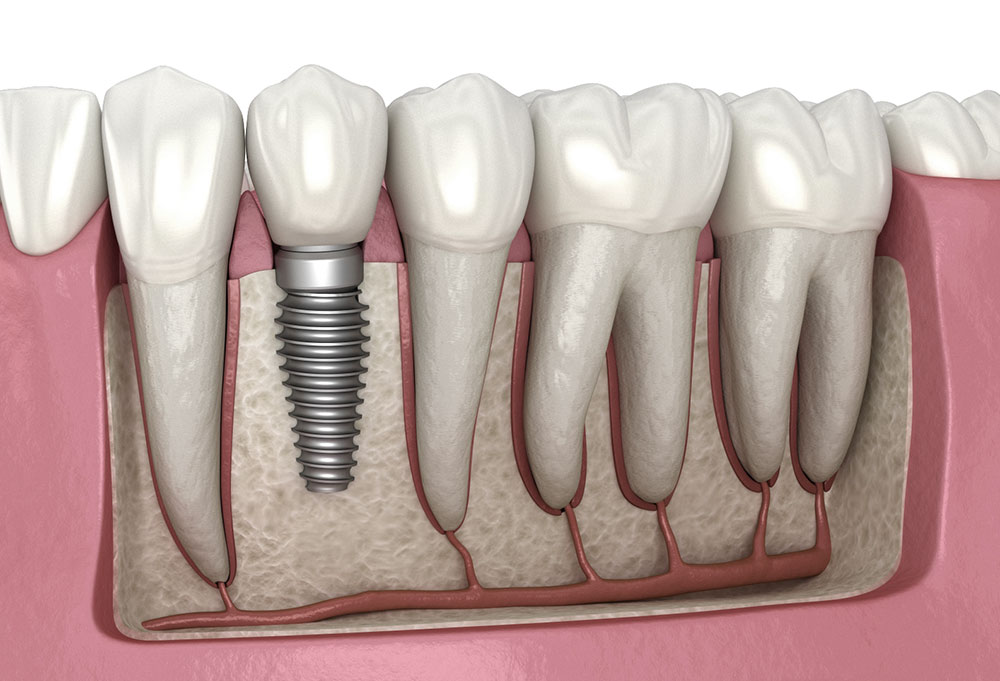
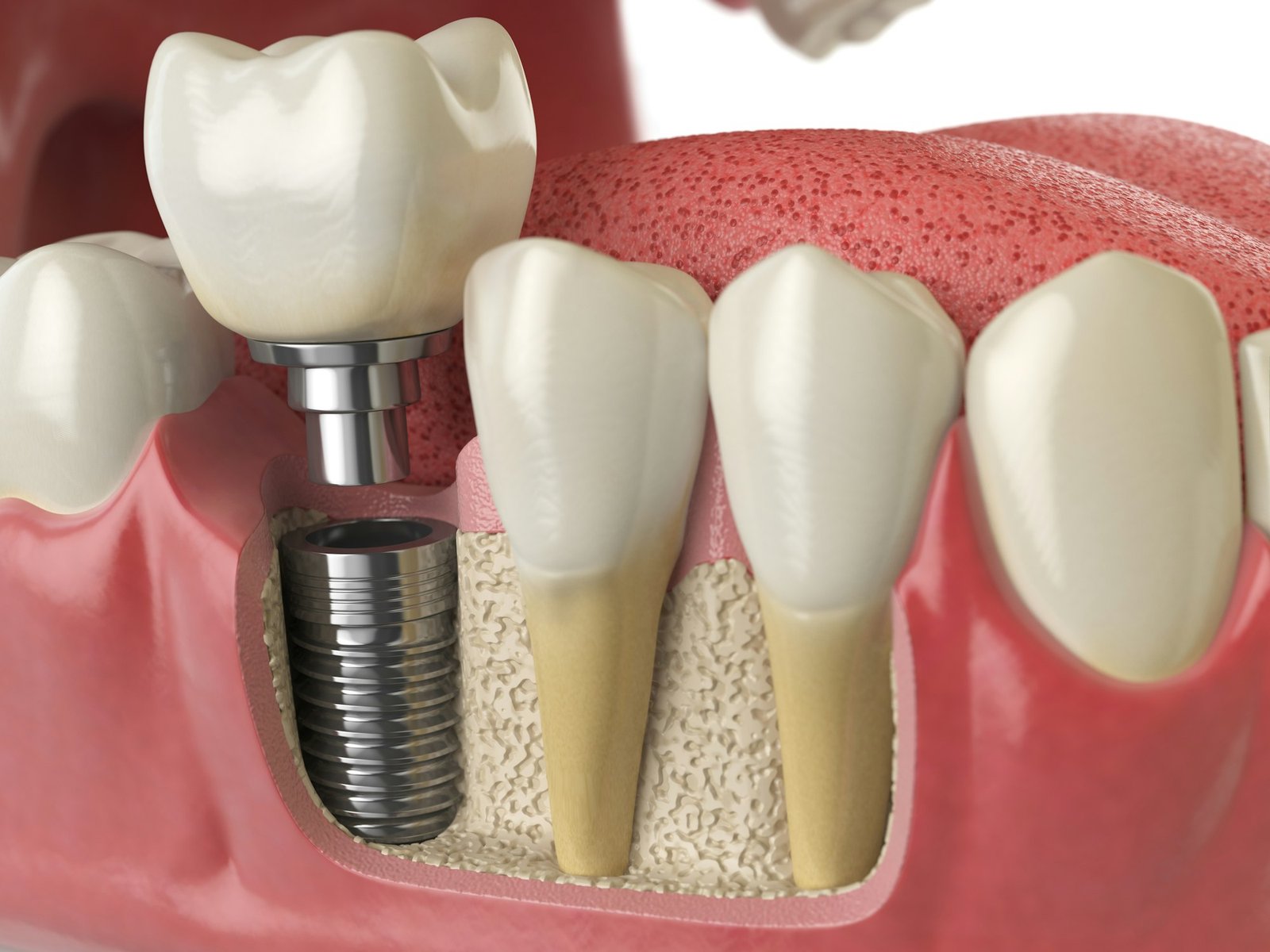
A dental implant is a surgical component that interfaces with the bone of the jaw or skull to support a dental prosthesis such as a crown, bridge, denture, facial prosthesis, or to act as an orthodontic anchor. Essentially, it’s an artificial tooth root that provides a stable base for a replacement tooth. Unlike dentures, which rest on the gums, dental implants are fused to the bone, offering superior stability and preventing bone loss.
Types of Dental Implants (endosteal, subperiosteal)
There are primarily two main types of dental implants:
- Endosteal Implants: These are the most common type and are placed “in the bone.” They are suitable for most patients who have good jawbone density. Endosteal implants come in various forms, including screws, cylinders, or blades.
- Subperiosteal Implants: These are placed “on the bone” but under the gum tissue. A metal framework is fitted onto the jawbone, and the gum tissue closes around it. This type is used less frequently and is typically reserved for patients who have insufficient bone height for endosteal implants and are not candidates for bone grafting.
For those seeking a more comprehensive solution, full mouth dental implants are available, offering a complete restoration of your smile. If you are considering full arch implants, options such as all on 4 dental implants may be worth exploring. These techniques utilise fewer implants to support a full set of teeth, reducing treatment time and cost.
Dental Implant Materials and Technology
Dental implants are typically made from titanium or titanium alloys, materials known for their biocompatibility and ability to fuse with bone (osseointegration). Zirconia implants in albania are also gaining popularity as a metal-free alternative. The advancements in technology, such as 3D imaging and CAD/CAM (computer-aided design and computer-aided manufacturing), have greatly improved the precision and success rates of dental implant procedures.
Benefits of Dental Implants
Dental implants offer numerous advantages over other tooth replacement options like dentures and bridges. Examining the dental implant benefits, comparing them to dentures, and understanding long-term outcomes can help you determine if they are the right choice for you.
Durability and Longevity
One of the most significant benefits of dental implants is their durability and longevity. With proper care and maintenance, dental implants can last a lifetime. How long do dental implants last in the UK? Studies show that implants have a high success rate, with many lasting 20 years or more. This makes them a cost-effective long-term solution for missing teeth.
Natural Appearance and Function
Dental implants are designed to look, feel, and function like natural teeth. The crown, which is the visible part of the implant, is custom-made to match the color, shape, and size of your existing teeth. This ensures a seamless and natural-looking smile. Additionally, because implants are anchored in the bone, they provide the same stability and biting force as natural teeth, allowing you to eat, speak, and laugh with confidence. For some patients looking for a perfect smile emax veneers in albania may be a more suitable option.
Implant vs Bridge vs Denture: Pros and Cons
When considering tooth replacement options, it’s important to weigh the pros and cons of each. Should I get dentures or implants? Here’s a comparison of implants, bridges, and dentures:
- Dental Implants:
- Pros: Long-lasting, natural appearance and function, prevents bone loss, doesn’t affect adjacent teeth.
- Cons: Higher initial cost, requires surgery, may not be suitable for everyone.
- Dental Bridges:
- Pros: Lower cost than implants, quicker treatment time.
- Cons: Requires altering adjacent teeth, shorter lifespan than implants, doesn’t prevent bone loss.
- Dentures:
- Pros: Least expensive option, non-surgical.
- Cons: Less stable than implants, can be uncomfortable, affects taste and speech, accelerates bone loss.
For those seeking a cheaper alternative to dental implants in the UK, dentures or bridges may be considered. However, it’s essential to understand the limitations of these options and their potential long-term impact on oral health. In certain scenarios, a multiple implants with bridges in albania could also be considered.
Dental Implant Procedure Step-by-Step
Understanding the implant surgery stages, including the healing time, the need for a bone graft, and the aftercare requirements, can alleviate anxiety and prepare you for the process. It’s also important to consider can implants be done in one day?
Consultation and Assessment
The first step in the dental implant process is a comprehensive consultation and assessment. Your dentist will evaluate your oral health, take X-rays or CT scans to assess bone density, and discuss your treatment goals. This initial assessment helps determine if you are a suitable candidate for dental implants and allows the dentist to create a customized treatment plan. During the consultation, you can also discuss the cost of dental implants in Albania and financing options.
Surgical Placement
The next step is the surgical placement of the dental implant. This procedure is typically performed under local anesthesia, though sedation options are available for anxious patients. Are you put to sleep for dental implants? The dentist will make an incision in the gum tissue to expose the bone and then drill a small hole to insert the implant. The gum tissue is then stitched back into place, and the implant is left to heal.
Osseointegration and Recovery
Osseointegration is the process by which the dental implant fuses with the surrounding bone. This process typically takes several months (3-6 months) and is crucial for the long-term stability of the implant. During this time, it’s important to follow your dentist’s instructions for proper oral hygiene and diet to promote healing. The recovery time after implant surgery varies from patient to patient, but most people can return to their normal activities within a few days.
Crown Restoration and Final Placement
Once osseointegration is complete, the final step is the crown restoration. The dentist will attach an abutment (a connector piece) to the implant and then place a custom-made crown on top of the abutment. The crown is designed to match the color, shape, and size of your natural teeth, providing a seamless and functional restoration.
Candidacy & Suitability for Dental Implants
Not everyone is an ideal candidate for dental implants. Factors such as who can get dental implants, eligibility criteria, and bone density play a significant role in determining suitability.
Health Conditions Affecting Suitability
Certain health conditions can affect your suitability for dental implants. These include:
- Uncontrolled diabetes: Can impair healing and increase the risk of infection.
- Smoking: Can reduce blood flow to the jawbone and hinder osseointegration.
- Autoimmune diseases: Can affect the body’s ability to heal and accept the implant.
- Osteoporosis: Can reduce bone density and make it difficult for the implant to fuse with the bone.
If you have any of these conditions, it’s important to discuss them with your dentist to determine if dental implants are still a viable option. Understanding who should not get dental implants is crucial for ensuring a successful outcome.
Age and Lifestyle Factors
Age and lifestyle factors can also influence your suitability for dental implants. While there is no upper age limit, children and adolescents may not be suitable until their jawbone has fully developed. Lifestyle factors such as smoking and poor oral hygiene can also increase the risk of implant failure. What is the best age for dental implants? Generally, adults with good overall health and adequate bone density are the best candidates.
Alternatives if Not Suitable
If you are not a suitable candidate for dental implants, there are alternative tooth replacement options available. These include dental bridges, dentures, and implant-supported dentures. What is the best alternative to dental implants? The best option for you will depend on your individual needs, preferences, and budget. Your dentist can help you weigh the pros and cons of each option and choose the one that is right for you. If it is too late for dental implants, another solution is to consider dentures.
Risks and Complications in Dental Implant Placement
Like any surgical procedure, dental implant placement carries certain risks and potential complications. Being aware of the dental implant failure, the possibility of infection or rejection, and other complications can help you make an informed decision.
Common Risks and Prevention
Some of the common risks associated with dental implant placement include:
- Infection: Can occur at the implant site and may require antibiotic treatment.
- Nerve damage: Can cause numbness, tingling, or pain in the gums, lips, or chin.
- Sinus problems: Can occur if implants are placed in the upper jaw and protrude into the sinus cavity.
- Implant failure: Can occur if the implant does not properly fuse with the bone.
To minimize these risks, it’s important to choose an experienced and qualified dentist, follow all pre- and post-operative instructions, and maintain good oral hygiene.
How to Minimise Complications
Minimising complications in dental implant placement involves several key steps:
- Thorough pre-operative assessment: Includes a review of your medical history, a comprehensive oral exam, and X-rays or CT scans.
- Proper surgical technique: Ensures precise placement of the implant and minimizes trauma to the surrounding tissues.
- Strict infection control: Includes sterilization of instruments and the use of antibiotics.
- Post-operative care: Includes following your dentist’s instructions for oral hygiene and diet.
In case of complications or dental implant pain there are options to fix this.
Success Rates in the UK
Dental implants have a high success rate in the UK, with many studies reporting success rates of 95% or higher. Success rates can vary depending on factors such as the patient’s overall health, bone density, and the location of the implant. However, with proper planning, execution, and maintenance, dental implants can provide a long-lasting and successful solution for missing teeth. What percentage of people reject dental implants? The rejection rate is relatively low, but it’s important to be aware of the potential risks and complications.
Cost and Financing Dental Implants
One of the biggest concerns for many people considering dental implants is the cost. Understanding the dental implant cost UK, exploring private vs NHS options, and looking into payment plans can help you make an informed financial decision.
Price Factors and Estimates
The price of dental implants in the UK can vary significantly based on several factors, including:
- The number of implants needed: A single implant will cost less than a full-mouth restoration.
- The type of implant used: Premium brands and materials may cost more.
- The location of the clinic: Prices may be higher in London and other major cities.
- The dentist’s experience and qualifications: More experienced dentists may charge higher fees.
- Additional procedures: Such as bone grafting or sinus lifts, which may be required to prepare the jawbone for implants.
As a general estimate, a single dental implant in the UK can cost between £2,000 and £4,000. Full-mouth dental implants can cost anywhere from £10,000 to £30,000 or more.
Insurance and Financing Options
Unfortunately, Does NHS cover dental implants? dental implants are generally not covered by the NHS, except in very rare cases of medical necessity. However, many private dental insurance plans may cover a portion of the cost. Additionally, many dental clinics offer financing options, such as payment plans or loans, to help make dental implants more affordable. Can I pay monthly for dental implants? This is a common question, and many clinics offer flexible payment options to suit your budget.
Value vs. Alternatives
When evaluating the cost of dental implants, it’s important to consider their long-term value compared to other tooth replacement options. While dentures and bridges may be less expensive upfront, they typically require more frequent replacements and may not provide the same level of comfort, function, and aesthetics as dental implants. In the long run, dental implants can be a more cost-effective solution due to their durability and longevity. If you want a solution for missing teeth, it is also possible to explore cost of dental implants in albania.
Choosing a Dental Implant Provider in the UK
Selecting the right dental implant provider is crucial for ensuring a successful outcome. Evaluating the credentials and experience, examining the clinic technology and standards, and reading patient testimonials can help you make an informed decision about the best dental implant clinic in the UK.
Credentials and Experience
When choosing a dental implant provider, it’s important to consider their credentials and experience. Look for a dentist who has extensive training and experience in implant dentistry. Check their qualifications, certifications, and professional affiliations. A dentist who is a member of a reputable dental implant organization is likely to have the necessary skills and knowledge to perform the procedure safely and effectively.
Clinic Technology and Standards
The technology and standards of the dental clinic can also impact the success of your dental implant treatment. Choose a clinic that uses state-of-the-art equipment and follows strict infection control protocols. Advanced technologies such as 3D imaging, CAD/CAM, and laser dentistry can improve the precision and efficiency of the implant procedure. Additionally, make sure that the clinic is properly licensed and accredited.
Patient Testimonials
Reading patient testimonials can provide valuable insights into the quality of care and the patient experience at a particular dental clinic. Look for reviews and testimonials that are genuine and detailed. Pay attention to comments about the dentist’s skill, the staff’s professionalism, and the overall satisfaction of the patients. Albania dental implants reviews can also be a good source of information.
Considering dental tourism in Albania can provide access to high-quality dental care at more affordable prices. Albania Dental Implants offers a range of services, including single tooth implants in Albania, to meet your dental needs.
FAQ-style Questions Answered in Detail
What is a dental implant and how does it work?
A dental implant is an artificial tooth root, typically made of titanium, that is surgically placed into the jawbone to support a replacement tooth or bridge. Over time, the bone fuses with the implant through a process called osseointegration, providing a stable and long-lasting foundation. The replacement tooth, or crown, is then attached to the implant, providing a natural-looking and fully functional restoration.
Am I a candidate for a dental implant procedure?
Candidacy for dental implants depends on several factors, including your overall health, bone density, and commitment to oral hygiene. Generally, you may be a candidate if you have good overall health, sufficient bone density in the jaw, and are a non-smoker or willing to quit. Certain health conditions, such as uncontrolled diabetes or autoimmune diseases, may affect your suitability. A thorough evaluation by a qualified dentist is necessary to determine your candidacy.
What is the success rate of dental implants?
Dental implants have a high success rate, with many studies reporting success rates of 95% or higher. Factors that can affect the success rate include the patient’s overall health, bone density, the dentist’s experience, and adherence to post-operative instructions. With proper care and maintenance, dental implants can last a lifetime.
How long does the dental implant process take?
The dental implant process typically takes several months to complete. The initial consultation and assessment are followed by surgical placement of the implant. The osseointegration process, where the bone fuses with the implant, can take 3-6 months. After osseointegration, the dentist will attach an abutment and place the final crown. In some cases, immediate loading dental implants in albania may be an option, reducing the overall treatment time.
What are the risks and possible complications?
While dental implants are generally safe, there are some risks and possible complications to be aware of. These include infection, nerve damage, sinus problems, and implant failure. Choosing an experienced and qualified dentist, following all pre- and post-operative instructions, and maintaining good oral hygiene can minimize these risks. When not to have a dental implant is an important consideration too.
How much do dental implants cost in the UK?
The cost of dental implants in the UK can vary significantly based on several factors. As a general estimate, a single dental implant can cost between £2,000 and £4,000. Full mouth dental implants can cost anywhere from £10,000 to £30,000 or more. Additional procedures, such as bone grafting or sinus lifts, can also increase the overall cost. To get an understanding of tooth replacement cost explore options such as dental tourism in albania.
How do dental implants compare to bridges and dentures?
Dental implants offer several advantages over bridges and dentures. Implants are more stable, natural-looking, and long-lasting. They also prevent bone loss, which can occur with dentures. However, implants are more expensive and require surgery. Bridges and dentures are less expensive but may not provide the same level of comfort, function, and aesthetics as dental implants. Is a dental bridge better than an implant? Both solutions have their advantages and it is crucial to explore all options.
What is the recovery time after implant surgery?
The recovery time after implant surgery varies from patient to patient. Most people can return to their normal activities within a few days. However, it’s important to follow your dentist’s instructions for proper oral hygiene and diet to promote healing. Some swelling, bruising, and discomfort are normal after surgery, but these symptoms can be managed with pain medication.
How do I find the best dental implant provider near me?
Finding the best dental implant provider requires careful research and consideration. Look for a dentist who has extensive training and experience in implant dentistry. Check their qualifications, certifications, and professional affiliations. Read patient testimonials and reviews to get a sense of the quality of care and patient experience at the clinic. Also, make sure that the clinic uses state-of-the-art equipment and follows strict infection control protocols. Many find excellent dental implants in Albania so it is worth considering that.
Conclusion
Dental implants are a revolutionary solution for missing teeth, offering a permanent, stable, and natural-looking alternative to dentures and bridges. While the cost may be a concern for some, the long-term benefits and improved quality of life make dental implants a worthwhile investment. If you are considering dental implants, it’s important to consult with a qualified and experienced dentist to determine if you are a suitable candidate and to discuss your treatment goals. Albania Dental Implants offers high-quality and affordable dental implant services, providing a range of solutions to meet your individual needs. How can I get free dental implants in the UK? While fully free options are rare, exploring treatments abroad can be cost-effective. Contact us today to schedule a consultation and take the first step towards restoring your smile and confidence!





