


Are Dental Implants Better than Natural Teeth? A Complete Comparison
Are dental implants better than teeth? This is a crucial question for anyone facing tooth loss and considering their options. In this comprehensive guide, we’ll explore the pros and cons of both natural teeth and dental implants, helping you make an informed decision for your oral health, potentially with Albania Dental Implants
Understanding Natural Teeth vs. Dental Implants: What’s the Difference?
Let’s start with the basics of natural teeth vs. dental implants. What are they? How do they function? This section will give a clear overview of each, covering natural teeth anatomy, implant materials, and their respective roles in your mouth.
Anatomy and Function of Natural Teeth
Natural teeth are biological structures composed of enamel, dentin, cementum, and pulp. Each component plays a vital role in the tooth’s functionality. The enamel, the hardest substance in the human body, protects the inner layers from damage. The dentin provides support, while the cementum covers the root, anchoring the tooth to the jawbone. The pulp contains nerves and blood vessels, keeping the tooth alive. Healthy teeth facilitate chewing, speaking, and maintaining facial structure.
Dental Implants: Definition, Materials, and Function
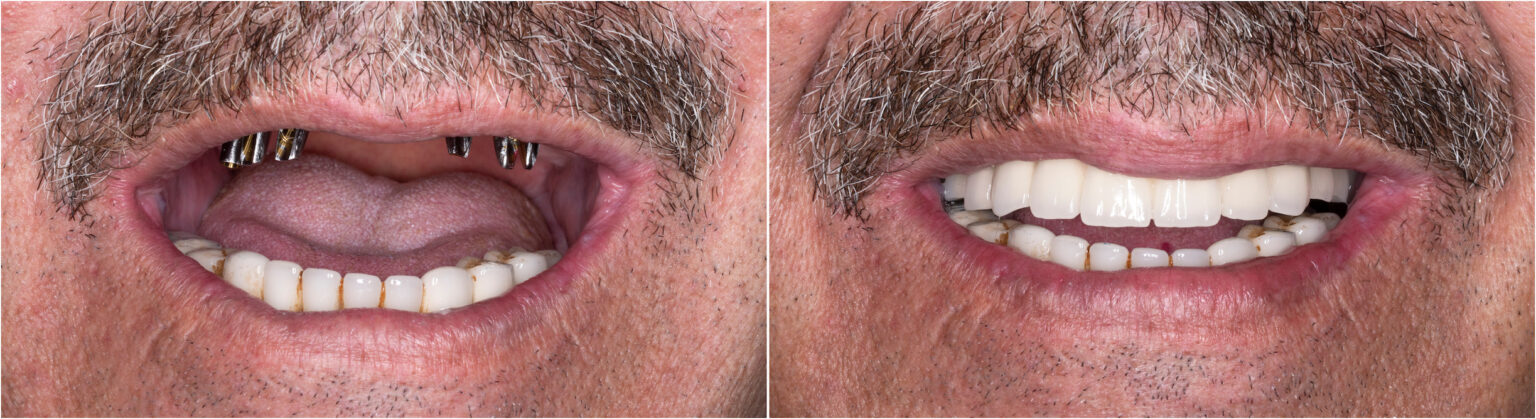
Dental implants, on the other hand, are artificial tooth roots, typically made of titanium or zirconia. These implants are surgically placed into the jawbone, providing a stable base for replacement teeth, often in Albania with a Dental Tourism Albania package. Implants function similarly to natural tooth roots, stimulating bone growth and preventing bone loss. The implant fuses with the jawbone through a process called osseointegration, creating a strong and durable foundation for a crown, bridge, or denture.
Durability and Longevity Comparison: How Long Will They Last?
A key consideration is the long-term lifespan. This section focuses on dental implant longevity, natural teeth lifespan, and maintenance to help you understand which option offers the best long-term value.
Natural Teeth Lifespan and Factors Affecting It
The lifespan of natural teeth varies widely depending on oral hygiene, diet, and genetics. With proper care, natural teeth can last a lifetime. However, factors such as tooth decay, gum disease, trauma, and teeth grinding can significantly shorten their lifespan. Poor oral hygiene leads to plaque buildup, causing cavities and gum inflammation. A diet high in sugar and acid erodes enamel, while untreated gum disease can lead to tooth loss.
Dental Implant Longevity and Success Rates
Dental implants boast high success rates and can last for many years, even decades, with proper care. Studies show that dental implants have a success rate of over 95% after ten years. Factors influencing implant longevity include the patient’s overall health, bone density, oral hygiene, and lifestyle habits. Regular dental check-ups and professional cleanings are essential to maintain implant health.
Maintenance Requirements for Natural Teeth and Implants
Both natural teeth and dental implants require regular maintenance to ensure their longevity. For natural teeth, this includes brushing twice daily, flossing daily, and attending regular dental check-ups. Implants require similar care, including brushing, flossing, and using special interdental brushes to clean around the implant. Regular professional cleanings are also crucial to remove plaque and tartar buildup, preventing peri-implantitis, an inflammatory condition affecting the tissues around the implant.
Cost Considerations: What’s the Financial Impact?
Cost is a significant factor for many patients. We’ll explore dental implant cost in Albania, natural tooth care expenses, and insurance coverage to help you understand the true financial commitment of each option.
Natural Tooth Care Expenses Over a Lifetime
The costs associated with natural tooth care can accumulate over a lifetime. Regular dental check-ups, cleanings, fillings, root canals, and other treatments add up. The average cost of a dental check-up in the UK ranges from £20 to £50, while fillings can cost between £50 and £200 per tooth. More extensive treatments, such as root canals and crowns, can cost several hundred pounds per tooth. Neglecting oral health can lead to more costly and complex treatments in the long run.
Dental Implant Procedure Costs and Ongoing Expenses
The initial cost of dental implants can be higher than other tooth replacement options. The cost of a single dental implant in the UK typically ranges from £2,000 to £4,000, including the implant, abutment, and crown. However, this price can be significantly reduced by considering options, like Dental Implants Cost Albania. Additional costs may include bone grafting, sinus lifts, and other procedures to prepare the jawbone for the implant. Ongoing expenses include regular dental check-ups and professional cleanings to maintain implant health.
Insurance Coverage for Implants vs. Natural Tooth Care
Insurance coverage for dental implants varies widely depending on the provider and policy. Some insurance plans may cover a portion of the implant cost, while others may not cover implants at all. It’s essential to check with your insurance provider to understand your coverage. Most dental insurance plans cover routine dental care, such as check-ups, cleanings, and fillings, but may have limitations on more extensive treatments like root canals and crowns.
Health and Comfort Benefits: What Can You Expect?
Beyond longevity and cost, the impact on your health and comfort is critical. We’ll examine bone preservation, speaking and eating capabilities, and comfort levels to highlight the benefits of each option.
Bone Preservation Differences Between Natural Teeth and Implants
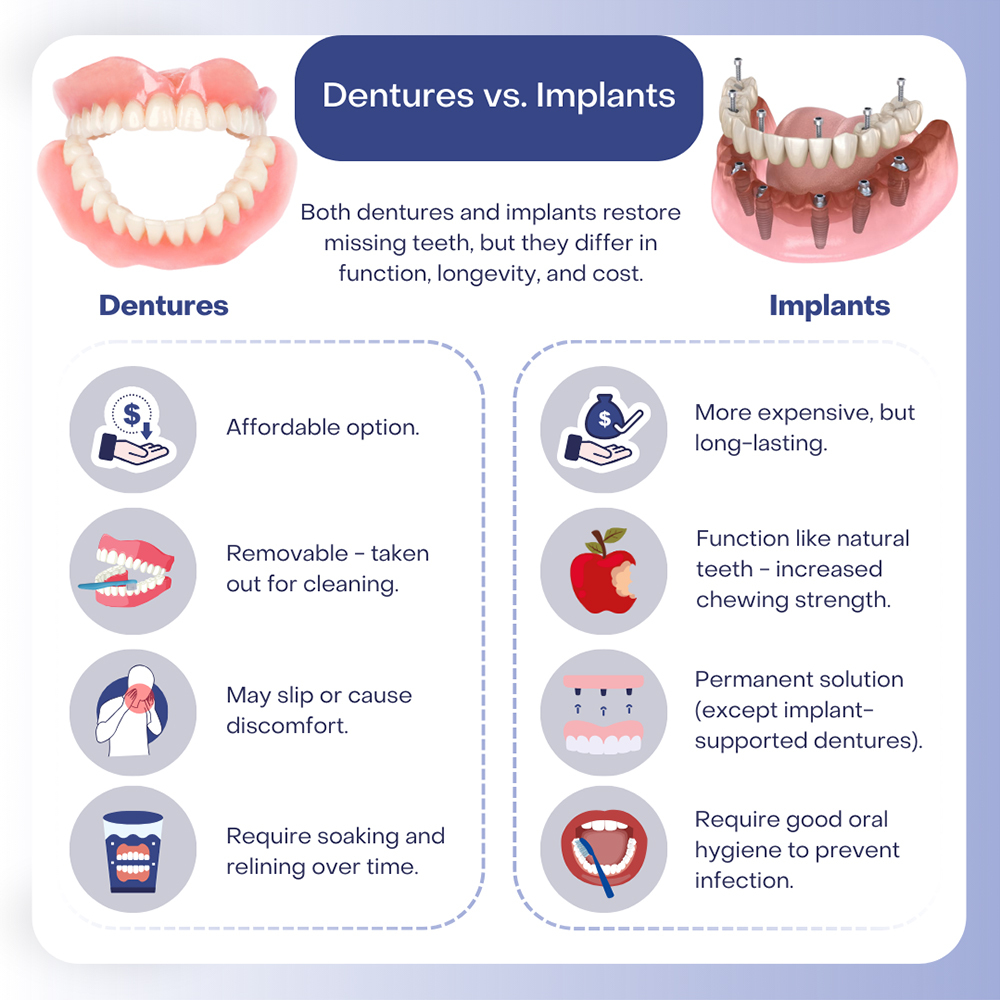
Natural teeth stimulate the jawbone through chewing, preventing bone loss. When a tooth is lost, the jawbone in that area begins to resorb, leading to bone loss over time. Dental implants, on the other hand, provide similar stimulation to the jawbone, preventing bone loss and maintaining facial structure. This is a significant advantage of implants over other tooth replacement options, such as dentures.
Speaking and Eating Capabilities with Each Option
Natural teeth allow for normal speaking and eating capabilities. Missing teeth can affect speech and make it difficult to chew certain foods. Dental implants restore these functions, allowing patients to speak clearly and enjoy a wide range of foods without discomfort or limitations. Implants provide a stable and secure base for replacement teeth, improving chewing efficiency and overall quality of life.
Comfort Levels During Daily Activities: Which Feels Better?
Natural teeth are generally comfortable during daily activities. However, damaged or decayed teeth can cause pain and discomfort. Dental implants, once fully integrated with the jawbone, feel and function like natural teeth, providing a comfortable and natural-feeling solution for missing teeth. Unlike dentures, implants don’t slip or move around, eliminating discomfort and irritation.
Potential Drawbacks and Complications: What Are the Risks?
It’s important to understand the potential downsides. We’ll explore natural tooth problems, implant surgery risks, and long-term complications to give a balanced view.
Natural Tooth Problems and Their Management
Natural teeth are susceptible to various problems, including tooth decay, gum disease, fractures, and infections. Tooth decay can lead to cavities and pain, requiring fillings, root canals, or extractions. Gum disease can cause inflammation, bleeding, and eventual tooth loss. Fractures can occur due to trauma or teeth grinding, requiring crowns or extractions. Infections can develop in the tooth pulp or surrounding tissues, requiring antibiotics or root canals.
Dental Implant Surgery Risks and Complications
Dental implant surgery, like any surgical procedure, carries certain risks and complications. These include infection, bleeding, nerve damage, sinus problems, and implant failure. Infections can be treated with antibiotics, while nerve damage may cause temporary or permanent numbness or tingling. Sinus problems can occur when implants are placed in the upper jaw, requiring additional treatment. Implant failure can occur due to poor bone density, infection, or other factors, requiring removal and replacement of the implant.
Long-Term Complications for Natural Teeth and Implants
Long-term complications for natural teeth include tooth decay, gum disease, and tooth loss. Poor oral hygiene and neglect can lead to these problems over time. Long-term complications for dental implants include peri-implantitis, implant failure, and damage to adjacent teeth. Regular dental check-ups and professional cleanings are essential to prevent these complications and maintain long-term oral health.
When Implants Are the Better Choice: Specific Scenarios and Patient Profiles
In some situations, implants are clearly the superior option. This section examines ideal implant candidates and bone loss to illustrate when implants excel.
Ideal Candidates for Dental Implants
Ideal candidates for dental implants are individuals with good overall health, sufficient bone density in the jaw, and a commitment to maintaining good oral hygiene. Patients with chronic conditions, such as diabetes or heart disease, may still be eligible for implants, but require careful evaluation and management. Smokers may have a higher risk of implant failure and require counseling to quit smoking.
Addressing Bone Loss with Implants
Dental implants are particularly beneficial for individuals with bone loss in the jaw. Implants stimulate bone growth and prevent further bone loss, preserving facial structure and improving overall oral health. Bone grafting procedures can be performed to increase bone density and provide a stable foundation for implants. Implants can also be used to support dentures, providing improved stability and retention.
When Natural Teeth Are Preferable: Candidate Requirements and Considerations
Despite the benefits of implants, natural teeth are often the best option. This section covers natural teeth preservation and candidate requirements for keeping your original teeth.
Prioritizing Natural Teeth Preservation
Preserving natural teeth should always be the primary goal. Natural teeth offer numerous benefits, including natural aesthetics, sensation, and function. When possible, dentists will recommend treatments to save natural teeth, such as fillings, root canals, and crowns. However, when a tooth is severely damaged or decayed, extraction may be necessary.
Candidate Requirements for Keeping Natural Teeth
Candidates for keeping natural teeth are individuals with good oral hygiene, healthy gums, and minimal tooth damage. Regular dental check-ups and professional cleanings are essential to maintain natural tooth health. Patients with minor tooth decay or damage can benefit from fillings or crowns. However, when a tooth is severely damaged or decayed, extraction may be necessary.
FAQ: Answering Your Questions About Dental Implants vs. Natural Teeth
Let’s tackle some common questions about dental implants vs. natural teeth.
What is the best alternative to dental implants?
The best alternative to dental implants varies depending on individual needs and circumstances. Common options include dental bridges and dentures. Bridges involve anchoring a false tooth to adjacent natural teeth, while dentures are removable appliances that replace multiple teeth. The choice depends on factors like oral health, budget, and desired outcome, all of which can be explored with Albania Dental Implants Services
How painful is a dental implant?
While some discomfort is normal, the procedure is generally well-managed with local anaesthetic and post-operative pain relief. The level of pain varies depending on the individual and the complexity of the procedure. Many patients report that the pain is similar to that of a tooth extraction. Pain can be minimized by following the dentist’s instructions and taking prescribed pain medication.
What is the downside to dental implants?
Potential downsides include the cost, surgical risks, and the possibility of complications such as infection or implant failure. Implants require a surgical procedure, which carries inherent risks. Complications can occur, although they are relatively rare. It’s essential to discuss the potential downsides with your dentist and weigh the risks and benefits before making a decision.
Why are dental implants so expensive in the UK?
Several factors contribute to the high cost of dental implants in the UK, including the cost of materials, laboratory fees, and the expertise of the dental professionals involved. Implants require high-quality materials and advanced technology. The expertise and training of the dental surgeon and the dental team also contribute to the cost.
Can I get dental implants on NHS?
Accessing dental implants through the National Health Service (NHS) can be limited. The NHS typically provides dental implants only in cases of medical necessity, such as after trauma or surgery for oral cancer.
What foods not to eat after dental implants?
During the initial healing period, it’s best to avoid hard, crunchy, and sticky foods that can damage the implant or irritate the surgical site. Soft foods, such as yogurt, soup, and mashed potatoes, are recommended. As the implant heals, you can gradually reintroduce other foods into your diet.
Conclusion: Making the Right Choice for Your Smile
Choosing between natural teeth and dental implants is a personal decision that depends on individual circumstances and preferences. Natural teeth offer numerous benefits, but may not always be salvageable. Dental implants offer a long-lasting and functional solution for missing teeth, but require careful consideration of the costs, risks, and benefits. Consulting with a qualified dentist is essential to determine the best option for your oral health.
Ready to explore your options? Contact Albania Dental Implants today to schedule a consultation and discover how we can help you achieve a healthy, beautiful smile.