



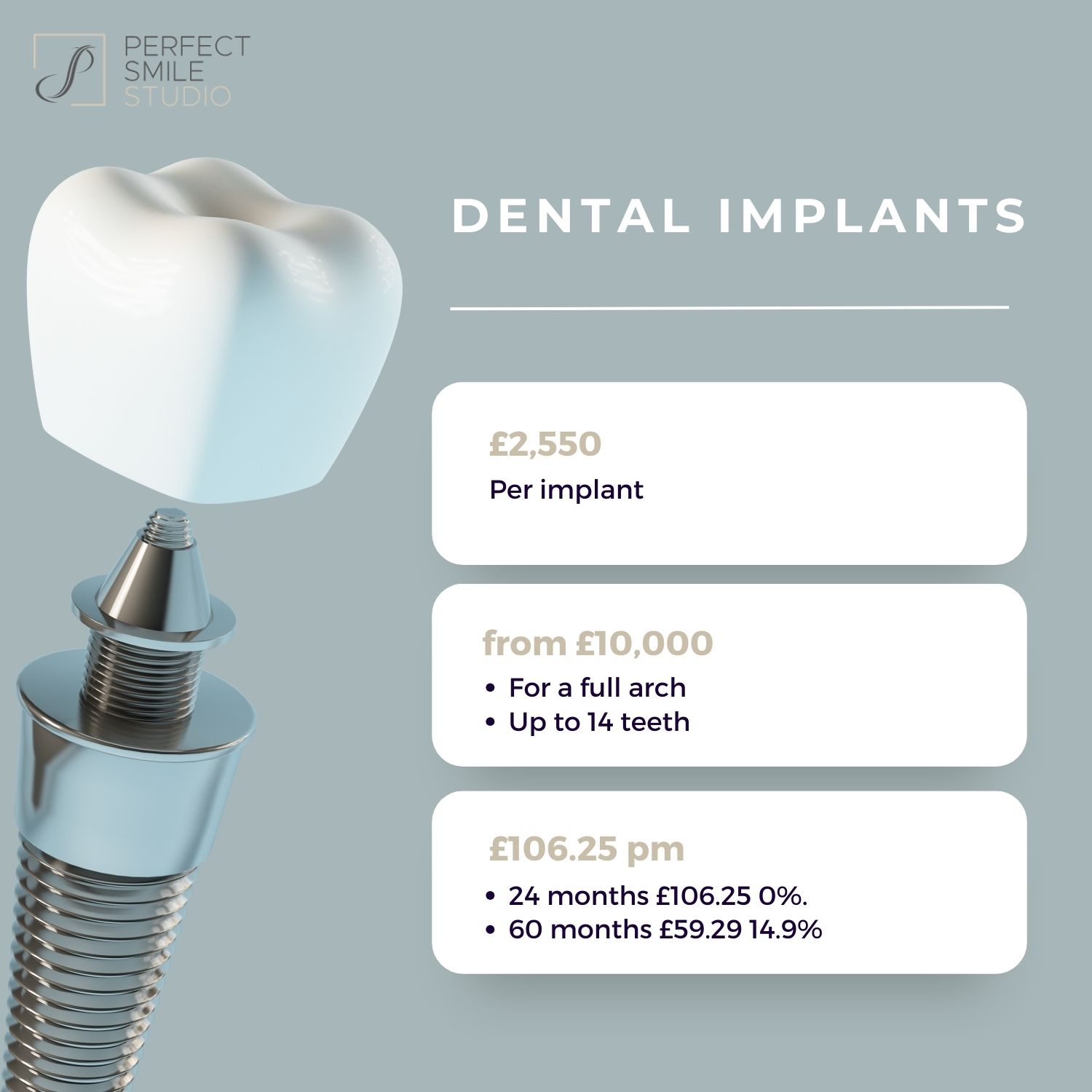
Are dental implants now available on the NHS? This is a question many UK residents are asking, especially those struggling with tooth loss and seeking affordable solutions. Understanding the current NHS policies and eligibility criteria is crucial for making informed decisions about your dental health. This article explores the availability of dental implants on the NHS, who qualifies, and alternative options for those who may not be eligible, including exploring more affordable options such as dental tourism in albania
What Are Dental Implants and Why Are They Needed?
NHS dental treatment, NHS restorative dentistry
Overview of Dental Implants
Dental implants are a popular and effective long-term solution for missing teeth. They involve surgically placing a titanium post into the jawbone, which then fuses with the bone over time through a process called osseointegration. Once fused, the implant acts as a sturdy anchor for a replacement tooth, such as a crown, bridge, or denture. Unlike dentures, dental implants are fixed in place, providing stability and preventing slipping. They also help maintain bone density in the jaw, preventing bone loss that can occur with missing teeth. For many, dental implants offer a significant improvement in quality of life, restoring their ability to eat, speak, and smile with confidence.
Who Needs Dental Implants?
Dental implants are often recommended for individuals who have lost one or more teeth due to various reasons, including:
- Tooth decay
- Gum disease
- Injury or trauma
- Congenital defects
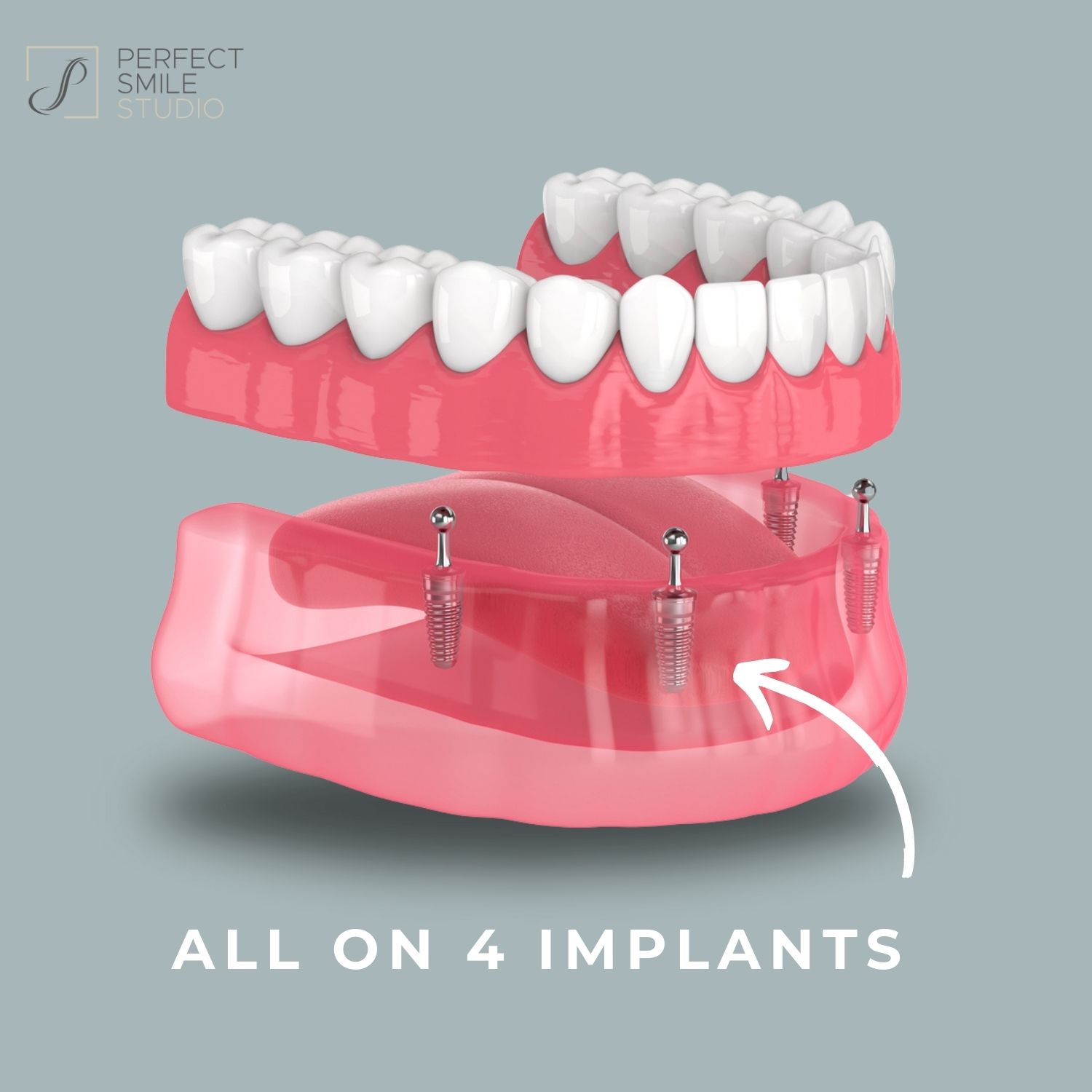
Missing teeth can lead to a range of problems, such as difficulty chewing, changes in speech, shifting of adjacent teeth, and bone loss in the jaw. Dental implants address these issues by providing a stable and permanent replacement for missing teeth, improving both oral health and overall well-being. For patients who are considering having all on 4 dental implants in albania, they will regain their confidence when speaking to others and have an enjoyable experience.
The Role of NHS Dental Treatment and Restorative Dentistry
The NHS provides a range of dental treatments aimed at maintaining oral health and function. Restorative dentistry, which includes treatments like fillings, crowns, and bridges, is a key component of NHS dental care. However, the availability of certain advanced treatments, such as dental implants, on the NHS is limited due to funding constraints and specific eligibility criteria. Understanding the scope of NHS dental treatment and the role of restorative dentistry is crucial for patients seeking solutions for missing teeth.
Are Dental Implants Available on the NHS?
NHS dental implants eligibility, Who qualifies for NHS dental implants, NHS coverage for missing teeth
Are Dental Implants Generally Available on the NHS?
While the NHS provides a wide range of dental treatments, the availability of dental implants is limited. NHS-funded dental implants are not routinely available and are typically reserved for cases where there is a clear medical need. This means that most people seeking dental implants will need to explore private dental care options.
Who Qualifies for NHS Dental Implants?
Who qualifies for NHS dental implants? Eligibility for NHS dental implants is determined on a case-by-case basis, with priority given to individuals who meet specific criteria. These criteria often include:
- Severe trauma resulting in tooth loss
- Congenital defects affecting tooth development
- Medical conditions that necessitate dental implants for overall health
Patients must undergo a thorough assessment to determine their eligibility for NHS-funded dental implants. The assessment typically involves a review of their medical history, a dental examination, and radiographic imaging to evaluate their oral health. Only those who meet the strict criteria and demonstrate a clear medical need are likely to be approved for NHS dental implants.
Specific Criteria the NHS Uses to Approve Dental Implants
The NHS uses a set of specific criteria to evaluate applications for dental implants. These criteria may include:
- The impact of tooth loss on the patient’s ability to eat, speak, and maintain nutrition
- The presence of any underlying medical conditions that could affect the success of the implant procedure
- The patient’s commitment to maintaining good oral hygiene
- The absence of any alternative treatments that could effectively address the patient’s needs
The NHS may also consider the cost-effectiveness of dental implants compared to other treatment options, such as dentures or bridges. In some cases, the NHS may approve dental implants for patients who have a significant disability or medical condition that makes it difficult for them to wear dentures or undergo other conventional treatments.
Understanding NHS Coverage for Missing Teeth
The NHS offers various options for tooth replacement, but not all are readily available. While implants aren’t commonly covered, alternatives include dentures and bridges. Dentures, removable appliances made of acrylic or metal, replace missing teeth and surrounding tissues. Bridges, fixed prosthetic devices, attach to adjacent teeth to fill gaps. The NHS covers these options based on clinical need and patient eligibility, ensuring basic dental function is restored.
How to Access Dental Implants on the NHS
How to get dental implants on the NHS, NHS dental waiting list
How to Get Dental Implants on the NHS: A Step-by-Step Process
While getting dental implants on the NHS is challenging, understanding the process can help you navigate the system. Here’s a step-by-step guide:
- Initial Consultation: Start by visiting your NHS dentist for a comprehensive dental examination. Discuss your concerns about missing teeth and your interest in dental implants.
- Referral: If your dentist believes you may be eligible for NHS-funded dental implants based on your medical and dental history, they will refer you to a specialist for further assessment.
- Specialist Assessment: The specialist will evaluate your oral health, review your medical history, and determine if you meet the NHS eligibility criteria for dental implants.
- Approval: If the specialist approves your application, you will be placed on the NHS waiting list for dental implant treatment.
- Treatment: Once your name is reached on the waiting list, you will be contacted to schedule your dental implant procedure.
The NHS Dental Waiting List: What to Expect
How long is the waiting time for NHS dental implants? Due to high demand and limited funding, the waiting list for NHS dental implants can be quite long. The exact waiting time varies depending on the region and the availability of specialists. Patients may need to wait several months or even years to receive treatment. During this time, it’s essential to maintain good oral hygiene and attend regular dental check-ups to ensure your mouth remains healthy and prepared for the implant procedure.
Navigating the NHS System for Dental Implants
To increase your chances of accessing dental implants on the NHS, consider the following tips:
- Maintain Excellent Oral Hygiene: Good oral health is essential for demonstrating your commitment to the long-term success of the implant procedure.
- Gather Supporting Documentation: Collect any medical records or documentation that supports your need for dental implants.
- Be Persistent: Follow up with your dentist and the specialist to stay informed about your application status.
If you are not eligible for NHS dental implants or are unwilling to wait for an extended period, you may want to consider exploring private dental care options. While private dental implants can be more expensive, they offer faster access to treatment and a wider range of options.
Private vs NHS Dental Implants
Private vs NHS dental implants, Dental implant cost UK, Free dental implants UK
Comparing Private and NHS Dental Implants: A Comprehensive Overview
When considering dental implants, it’s essential to weigh the pros and cons of both private and NHS options. Private dental implants offer several advantages, such as shorter waiting times, a wider range of treatment options, and access to advanced technologies and materials. However, they also come at a higher cost. NHS dental implants, on the other hand, are more affordable but have limited availability and longer waiting times.
Dental Implant Cost UK: Private vs NHS
What is the cost of dental implants in the UK? The cost of dental implants in the UK can vary significantly depending on whether you choose private or NHS treatment. Private dental implants typically range from £2,000 to £4,000 per tooth, depending on the complexity of the case and the materials used. NHS dental implants, when available, are more affordable, with costs varying depending on the specific treatment band. However, it’s important to note that NHS dental charges apply, and the total cost may still be significant.
Are Free Dental Implants UK a Possibility?
Are dental implants ever free? Completely free dental implants in the UK are rare, but there are certain circumstances where you may be eligible for reduced-cost or free treatment. This may include:
- NHS Treatment: As mentioned earlier, NHS-funded dental implants are available for individuals who meet specific eligibility criteria.
- Dental Schools: Some dental schools offer discounted dental implant treatment as part of their training programs. However, treatment may be provided by students under the supervision of experienced dentists.
- Charitable Organizations: Certain charitable organizations may offer financial assistance or free dental treatment to individuals who meet their eligibility criteria.
Exploring these options can help you access more affordable dental implant treatment, but it’s important to carefully consider the potential limitations and risks associated with each option. Another route worth exploring is dental tourism in albania where you can have a combined holiday with quality dental services.
Private vs NHS Dental Implants: A Comparison Table
| Feature | Private Dental Implants | NHS Dental Implants | |———————–|———————————|———————————| | Cost | £2,000 – £4,000 per tooth | NHS dental charges apply | | Eligibility | Available to anyone | Limited to specific medical needs | | Waiting Times | Shorter waiting times | Longer waiting lists | | Treatment Options | Wider range of options | Limited treatment options | | Materials & Technology | Access to advanced materials & technology | Standard materials & technology | | Care Options | More personalized care | Standardized care |
Frequently Asked Questions (FAQs)
NHS dental implants eligibility, NHS dental waiting list, Dental implant cost UK, Who qualifies for NHS dental implants
Are Dental Implants Now Available on the NHS for Everyone?
No, dental implants are not available on the NHS for everyone. They are typically reserved for cases where there is a clear medical need, such as severe trauma or congenital defects. Most people seeking dental implants will need to explore private dental care options.
Who is Eligible to Get Dental Implants on the NHS?
Who is eligible to get dental implants on the NHS? Eligibility is determined on a case-by-case basis, with priority given to individuals who meet specific criteria, such as:
- Severe trauma resulting in tooth loss
- Congenital defects affecting tooth development
- Medical conditions that necessitate dental implants for overall health
Patients must undergo a thorough assessment to determine their eligibility.
How Can I Apply or Be Referred for NHS Dental Implants?
The first step is to consult with your NHS dentist. If they believe you may be eligible, they will refer you to a specialist for further assessment. The specialist will evaluate your oral health and determine if you meet the NHS eligibility criteria.
How Long is the Waiting Time for NHS Dental Implants?
Due to high demand and limited funding, the waiting time for NHS dental implants can be quite long. The exact waiting time varies depending on the region and the availability of specialists. Patients may need to wait several months or even years to receive treatment.
What are the Costs Involved for NHS Dental Implants, and Can They Ever Be Free?
While NHS-funded dental implants are more affordable than private treatment, NHS dental charges apply. The exact cost depends on the specific treatment band. Completely free dental implants are rare, but you may be eligible for reduced-cost treatment through dental schools or charitable organizations.
Is it Better to Get Dental Implants Privately or Through the NHS?
The best option depends on your individual needs and circumstances. Private dental implants offer shorter waiting times and a wider range of treatment options, but they also come at a higher cost. NHS dental implants are more affordable but have limited availability and longer waiting times. Consider your budget, timeline, and specific treatment needs when making your decision.
Recent Changes and Availability Updates
Recent updates, post-COVID changes, and pilot schemes (if any), Regional variations or new NHS initiatives
Recent Updates and Post-COVID Changes
The COVID-19 pandemic has significantly impacted healthcare services, including dentistry. Many dental practices experienced closures and reduced capacity, leading to longer waiting times for treatment. While dental services have largely resumed, the backlog of patients and ongoing safety protocols may continue to affect access to NHS dental implants. It’s essential to check with your local NHS dental practice for the latest updates and guidelines.
Regional Variations and New NHS Initiatives
The availability of NHS dental implants can vary depending on the region. Some areas may have more funding or specialist availability than others, leading to differences in eligibility criteria and waiting times. Additionally, the NHS may introduce new initiatives or pilot schemes to improve access to dental implants in certain regions. It’s worth checking with your local NHS dental practice or Primary Care Trust for information on any regional variations or new initiatives in your area.
Staying Informed About NHS Dental Implant Availability
To stay informed about NHS dental implant availability and any recent changes in policy, consider the following:
- Check the NHS Website: The NHS website provides information on dental services and eligibility criteria.
- Contact Your Local NHS Dental Practice: Your local dental practice can provide updates on NHS dental implant availability in your area.
- Contact Your Local Primary Care Trust: Your local Primary Care Trust (PCT) can provide information on regional variations and new NHS initiatives.
By staying informed, you can increase your chances of accessing NHS dental implants if you meet the eligibility criteria.
Conclusion
Navigating the world of dental implants on the NHS can be complex, but understanding your options and eligibility is the first step towards restoring your smile and oral health. While NHS-funded dental implants are limited, they may be a possibility for individuals who meet specific medical criteria. If you are not eligible for NHS dental implants or are unwilling to wait for an extended period, private dental care options, including exploring treatment abroad with Albania Dental Implants Services, can provide faster access to a wider range of solutions. Remember to speak with an NHS dentist for the most current and relevant eligibility information. Ultimately, making an informed decision and prioritizing your oral health will lead you to the best possible outcome. Don’t let missing teeth hold you back—explore your options and take the first step towards a confident and healthy smile today!
Contact Albania Dental Implants today to schedule a consultation and discover how our dental implants can transform your smile and improve your quality of life. Our expert team offers personalized treatment plans, cutting-edge technology, and exceptional care, all at an affordable price. Restore your confidence and achieve a healthy, beautiful smile with Albania Dental Implants. Call us or visit our website to learn more!





