




Are you awake during full dental implants? This is one of the most frequent questions patients ask before their surgery. At Albania Dental Implants, we understand the anxiety surrounding dental procedures, and we’re here to provide clarity and reassurance. Understanding what to expect during a full dental implant procedure, including the anaesthesia options, can significantly ease your concerns and help you make informed decisions about your oral health.
Dental Implant Procedure Explained
The dental implant procedure involves several carefully planned stages to ensure a successful and long-lasting result. It’s a journey towards restoring your smile and oral function, and knowing what each step entails can alleviate some of the pre-surgery jitters.
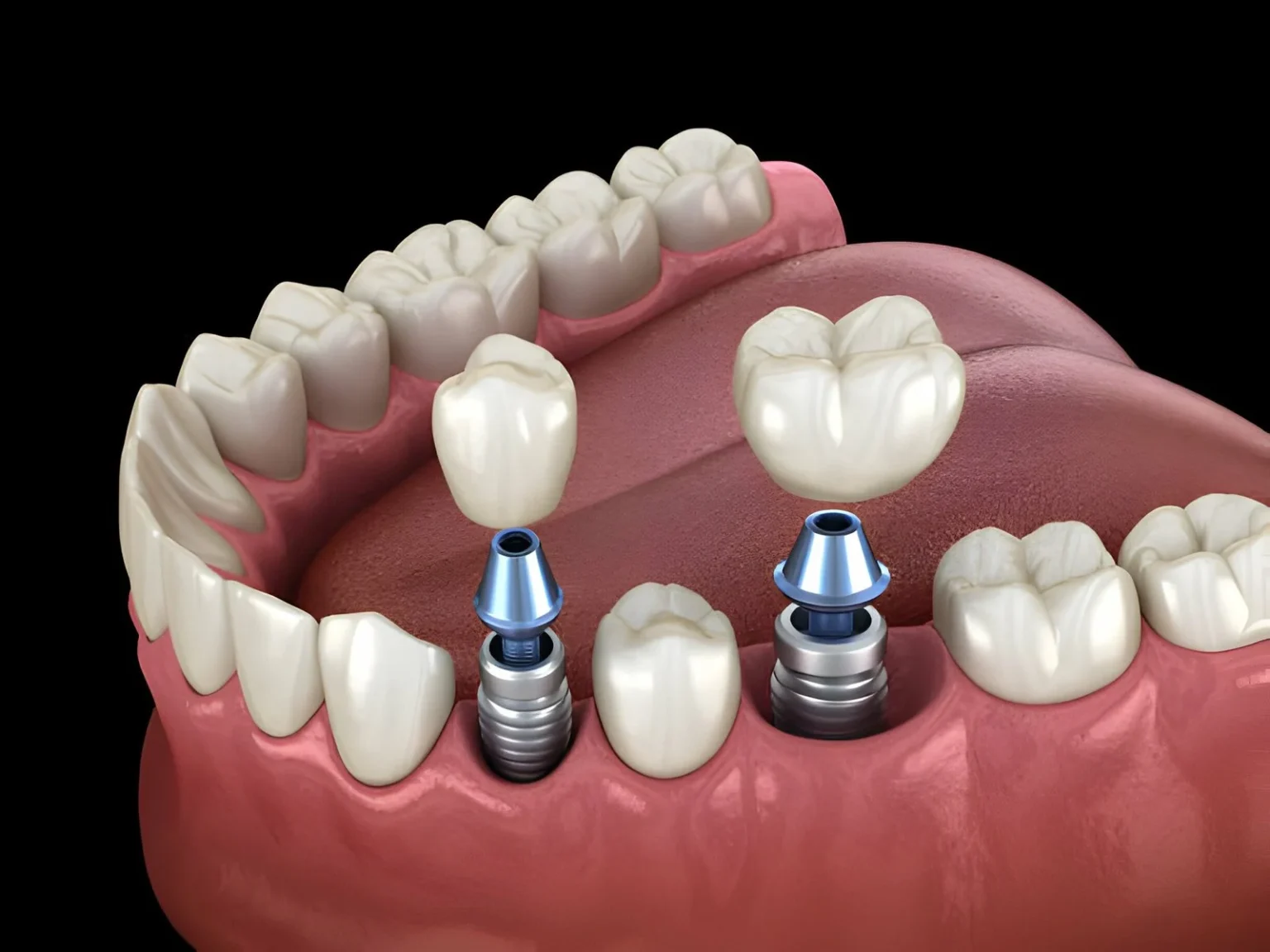
Overview of Each Stage for Full Dental Implants
A full dental implant procedure typically involves these stages:
- Consultation and Planning: A thorough examination, including X-rays or CT scans, to assess your jawbone and determine the best implant placement. We at Albania Dental Implants provide a through consultation process with a dental examination.
- Implant Placement: Surgical insertion of the titanium implant posts into the jawbone.
- Osseointegration: A healing period (usually a few months) where the implant fuses with the bone.
- Abutment Placement: Attaching a connector piece (abutment) to the implant, which will hold the new teeth.
- Crown/Prosthesis Placement: Securing the custom-made crowns or full arch prosthesis to the abutments, completing your new smile.
Typical Settings: Local Anaesthetic, Sedation, Hospital
Depending on the complexity of your case and your comfort level, full dental implant procedures can be performed in various settings. Local anaesthetic is the most common, numbing the treatment area while you remain fully conscious. Albania Dental Implants Services can also be provided under sedation to help with anxiety. For more complex cases or patients with significant health concerns, a hospital setting may be recommended.
The dental team at a dental clinic in albania will tailor the setting and anaesthesia to your needs to make the procedure as seamless as possible.
Types of Anaesthesia and Sedation Options
Understanding the different types of anaesthesia and sedation available for dental implant surgery is essential for making informed decisions about your treatment. Each option offers a different level of awareness and pain control, ensuring your comfort and safety throughout the procedure.
Local Anaesthetic for Implants
Local anaesthetic is the most common method used for dental implant procedures. It involves injecting a numbing agent directly into the gums, blocking pain signals in the treatment area. While you remain fully awake and aware, you won’t feel any pain or discomfort during the surgery.
Benefits of Local Anaesthetic:
- Minimally invasive
- Allows for clear communication with the dental team
- Quick recovery time
IV Sedation Dental Implants
IV sedation, also known as “twilight sleep,” involves administering a sedative medication intravenously, inducing a state of deep relaxation. While you’re not completely unconscious, you’ll be less aware of your surroundings and may not remember much of the procedure afterwards.
Benefits of IV Sedation:
- Reduces anxiety and fear
- Allows for a more comfortable experience
- Can be adjusted to suit individual needs
If you are nervous about your dental implant procedure then sedation dentistry might be for you.
General Anaesthetic vs Sedation
General anaesthetic involves administering medication that renders you completely unconscious during the procedure. This option is typically reserved for complex cases or patients with significant anxiety or medical conditions.
Key Differences:
- Awareness: With general anaesthetic, you’re fully unconscious, while with IV sedation, you’re in a state of deep relaxation but still responsive.
- Complexity: General anaesthetic is typically used for more complex procedures, while IV sedation is suitable for a wider range of cases.
- Recovery: Recovery from general anaesthetic can take longer than from IV sedation.
Which is Most Common in UK Clinics?
In the UK, local anaesthetic is the most common choice for dental implant procedures. IV sedation is also frequently used to help anxious patients, while general anaesthetic is less common due to its higher risks and costs.
Why Practices May Prefer One Option Over the Other
Dental practices choose anaesthesia options based on several factors, including:
- Patient needs and preferences
- Complexity of the case
- Availability of specialized equipment and staff
- Cost considerations
Ultimately, the goal is to provide a safe and comfortable experience while achieving the best possible outcome for your dental implant procedure.
Are You Awake? Patient Experience During Full Implants
The question of whether you’re awake during full dental implants boils down to the type of anaesthesia used. It’s natural to be concerned about pain and discomfort, but modern techniques and medications ensure a more manageable experience.
What You Feel and Perceive During Surgery
With local anaesthetic, you’ll be awake but shouldn’t feel any pain. You might experience some pressure or vibrations, but the area will be numb. With IV sedation, you’ll be in a relaxed state and may not remember the procedure afterwards. Under general anaesthetic, you’ll be completely unconscious and unaware.
What “Awake” Means in This Context (Local Anaesthetic vs Deep Sedation)
When we say “awake” in the context of local anaesthetic, we mean you’re conscious and aware of your surroundings. You can communicate with the dental team, but you won’t feel pain. Deep sedation, on the other hand, induces a state of reduced awareness and responsiveness, minimizing anxiety and discomfort.
Pain During Dental Implants
While the sound of the procedure might be uncomfortable, pain during dental implant procedure is manageable. Depending on the setting, our dental tourism can be tailored to ensure that you are as comfortable as possible.
Patient Testimonials and Clinical Standards
Many patients who have undergone full dental implant surgery with local anaesthetic or IV sedation report a positive experience. They appreciate the ability to communicate with the dental team and the lack of pain during the procedure. Clinical standards prioritize patient comfort and safety, ensuring that all procedures are performed with the highest level of care.
Recovery and Aftercare Following Full Dental Implant Surgery
Proper recovery and aftercare are crucial for ensuring the success of your full dental implant surgery. Following your dentist’s instructions carefully can minimize discomfort and promote healing.
Immediate Post-Surgery Expectations: Awareness, Side-Effects, Typical Recovery Advice
Immediately after surgery, you’ll likely experience some swelling, bruising, and discomfort. You’ll be given pain medication to manage any pain. It’s important to rest and avoid strenuous activities for the first few days. Typical recovery advice includes:
- Applying ice packs to reduce swelling
- Eating soft foods
- Avoiding smoking and alcohol
- Taking prescribed medications as directed
Dental Implant Surgery Recovery
Dental implant surgery recovery is different for every patient. Albania Dental Implants will tailor the recovery to ensure that your implant heals well.
Managing Discomfort and Care Instructions
To manage discomfort and promote healing, follow these care instructions:
- Rinse your mouth gently with warm salt water
- Brush your teeth carefully, avoiding the implant site
- Avoid chewing hard or sticky foods
- Attend all follow-up appointments
By taking good care of your implants, you can ensure their longevity and enjoy a healthy, functional smile for years to come.
Frequently Asked Questions (Detailed Answers)
Are you awake during full dental implants?
Whether you are awake during full dental implants depends on the type of anaesthesia used. Local anaesthetic is the most common, numbing the area while you remain conscious. IV sedation provides a relaxed state, while general anaesthetic renders you completely unconscious.
Is dental implant surgery painful?
With modern techniques and anaesthesia, dental implant surgery is generally not painful. You may experience some discomfort after the procedure, but it can be managed with pain medication.
Can you be put to sleep for dental implants UK?
Yes, you can be put to sleep for dental implants in the UK using general anaesthetic. However, this option is typically reserved for complex cases or patients with significant anxiety. IV sedation is a more common alternative.
What anaesthetic is used for full mouth implants?
The anaesthetic used for full mouth implants can vary depending on your needs and preferences. Local anaesthetic, IV sedation, and general anaesthetic are all options.
How long does full dental implant surgery take?
Full dental implant surgery can take anywhere from 2 to 6 hours, depending on the complexity of the case.
Is recovery harder if you were awake during procedure?
The difficulty of recovery is more dependent on the extent of the surgery and individual healing abilities, rather than whether you were awake during the procedure. Following your dentist’s instructions carefully is key.
How soon can you eat after full dental implant surgery?
You can typically eat soft foods within a few hours after full dental implant surgery. However, it’s important to avoid hard or sticky foods for several weeks to allow the implant site to heal properly.
Are there risks with sedation or general anaesthetic?
Yes, there are risks associated with sedation and general anaesthetic, including allergic reactions, breathing difficulties, and cardiovascular complications. However, these risks are rare, and your dentist will take precautions to minimize them.
Is sedation dentistry safe for older patients?
Sedation dentistry can be safe for older patients, but it’s important to discuss any medical conditions or medications you’re taking with your dentist. They will assess your individual risk factors and determine the most appropriate anaesthesia option for you.
What does it feel like to have dental implants placed?
Having dental implants placed is generally described as feeling pressure rather than pain. With local anaesthetic, the area will be numb. With IV sedation, you’ll be relaxed and may not remember much of the procedure afterwards.





