



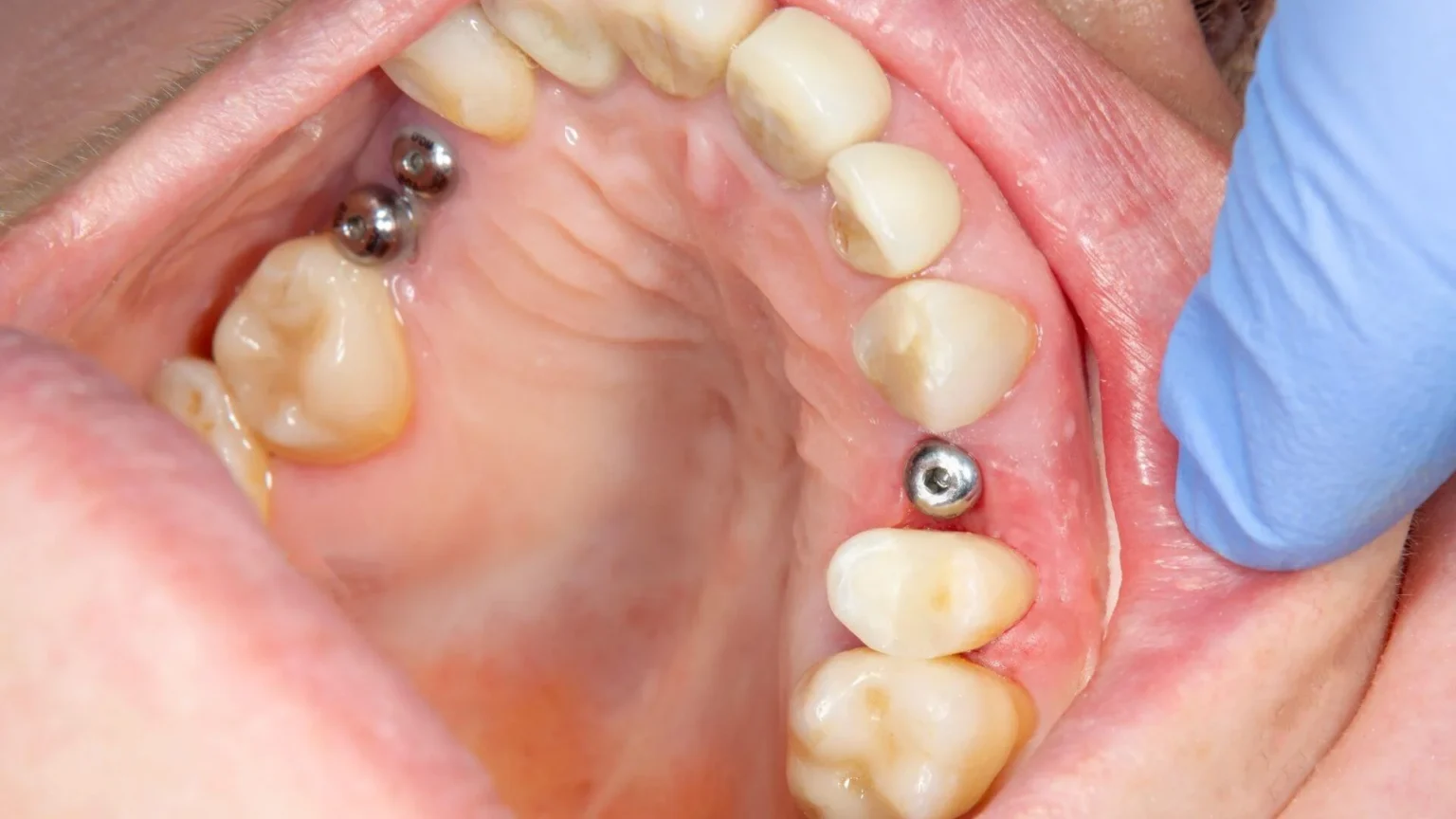

Dental Implant Sedation Options Explained
When it comes to the dental implant procedure, various sedation options are available to ensure your comfort. Understanding these options will help you make an informed decision in consultation with your dentist at a dental clinic in Albania.
Local Anesthesia
Local anesthesia is the most common form of pain management for dental implants. It involves injecting an anesthetic agent directly into the gum tissue surrounding the implant site. This numbs the area, preventing you from feeling any pain during the procedure. You will remain fully awake and aware throughout the surgery.
IV Sedation
IV sedation, also known as conscious sedation, involves administering a sedative drug intravenously. This puts you in a relaxed and drowsy state, reducing anxiety and discomfort. While you are not fully asleep, you may not remember much of the procedure afterwards. IV sedation is a popular choice for patients who experience dental anxiety or are undergoing more complex implant procedures.
General Anesthesia
General anesthesia is the deepest form of sedation, rendering you completely unconscious during the dental implant procedure. It is typically reserved for patients with severe dental anxiety or those undergoing extensive oral surgery. General anesthesia requires a qualified anesthesiologist to monitor your vital signs and ensure your safety throughout the procedure.
What to Expect During the Dental Implant Procedure
Understanding what to expect during dental implants can significantly reduce anxiety and help you prepare mentally and physically for the process. The dental implant procedure involves several stages, from initial consultation to final restoration.
Pre-Procedure Consultation
The first step in the dental implant process is a comprehensive consultation with your dentist. During this appointment, your dentist will evaluate your oral health, assess the bone density in your jaw, and discuss your treatment goals. This may involve taking X-rays or CT scans to get a detailed view of your oral structures. The dentist will also explain the different sedation options available and help you choose the one that best suits your needs and comfort level. This is the time to discuss any concerns you might have and ask questions regarding the process and cost of dental implants in Albania.
Day of the Surgery
On the day of the surgery, you will be prepped for the procedure and given the chosen sedation. The dentist will then make a small incision in your gum tissue to expose the underlying bone. A pilot hole is drilled into the bone, and the dental implant is carefully placed into the hole. The gum tissue is then stitched back together, and a healing cap may be placed on top of the implant. The duration of the surgery depends on the number of implants being placed and the complexity of the case.
Recovery and Aftercare
After the dental implant procedure, it’s normal to experience some discomfort, swelling, and bruising. Your dentist will provide you with pain medication and instructions on how to care for the implant site. This may include rinsing with a special mouthwash, avoiding hard or chewy foods, and maintaining good oral hygiene. It typically takes several months for the implant to fully integrate with the bone, a process called osseointegration. Once osseointegration is complete, you will return to the dentist to have the final restoration, such as a dental crown, attached to the implant.
Pain Management and Comfort During Dental Implants
Effective pain management for dental implants is essential for a positive experience. Modern techniques and sedation options can significantly enhance implant surgery comfort, minimizing discomfort and anxiety.
How Painful Is the Procedure?
Many patients worry about the level of pain associated with dental implants. With the use of local anesthesia and sedation, the procedure itself is generally not painful. You may feel some pressure or vibration during the implant placement, but you should not experience any sharp or intense pain. After the surgery, you may experience some soreness, swelling, and bruising, which can be managed with pain medication prescribed by your dentist. According to a study published in the Journal of Oral Implantology, most patients report only mild to moderate discomfort following dental implant surgery.
Tips for Reducing Discomfort
There are several steps you can take to minimize discomfort after dental implant surgery:
- Take pain medication as prescribed by your dentist.
- Apply ice packs to the face to reduce swelling.
- Eat soft foods and avoid chewing on the implant site.
- Rinse with warm salt water to keep the area clean.
- Avoid smoking and alcohol, as they can interfere with healing.
Managing Anxiety and Stress
Dental anxiety is a common concern for many patients considering dental implants. If you experience anxiety, talk to your dentist about sedation options or relaxation techniques that can help you feel more comfortable. Deep breathing exercises, meditation, and listening to calming music can also help to reduce stress before and during the procedure. You can also consider dental tourism in Albania, combining your treatment with a relaxing break.
Dental Anesthesia Types Compared
Understanding the different dental anesthesia types is crucial for making an informed decision about your dental implant procedure. Sedation dentistry offers various options to suit different needs and anxiety levels.
Pros and Cons of Each Anesthesia Type
Each type of dental anesthesia has its own advantages and disadvantages:
- Local Anesthesia:
- Pros: Simple, cost-effective, minimal side effects.
- Cons: Does not address anxiety, may not be sufficient for complex cases.
- IV Sedation:
- Pros: Reduces anxiety, allows for deeper relaxation, can be adjusted during the procedure.
- Cons: Requires monitoring, potential for nausea or dizziness after the procedure.
- General Anesthesia:
- Pros: Eliminates all awareness and pain, suitable for complex cases or severe anxiety.
- Cons: Requires advanced monitoring, higher risk of side effects, longer recovery time.
Which Option Is Right for You?
The best anesthesia option for you will depend on several factors, including your level of anxiety, the complexity of the procedure, and your medical history. Talk to your dentist about your concerns and preferences, and they will help you choose the option that is right for you. According to the Oral Health Foundation UK, discussing your anxieties with your dentist is the first step to a stress-free dental experience.
Frequently Asked Questions (FAQs)
Are you awake during dental implant surgery?
Whether you are awake during dental implant surgery depends on the type of anesthesia you receive. With local anesthesia, you will be awake but the area being worked on will be numb. With IV sedation, you’ll be in a relaxed state and may not remember the procedure. General anesthesia will render you completely unconscious.
Can you choose to be put to sleep for dental implants?
Yes, you can often choose to be put to sleep for dental implants. This typically involves IV sedation or general anesthesia. Discuss your preferences with your dentist to determine the best option for your comfort and the complexity of the procedure.
What is IV sedation, and is it safe for dental implants?
IV sedation involves administering a sedative drug intravenously, putting you in a relaxed and drowsy state. It is generally safe for dental implants when administered by a trained professional who monitors your vital signs throughout the procedure. It’s crucial to disclose your full medical history to your dentist beforehand.
How long does dental implant surgery take?
The duration of dental implant surgery varies depending on the number of implants being placed and the complexity of the case. A single implant can take between 1 to 2 hours, while multiple implants or more complex procedures can take longer.
Is general anesthesia commonly used for dental implants?
General anesthesia is not commonly used for dental implants unless there is severe dental anxiety or the procedure is extensive. IV sedation and local anesthesia are more frequently used due to their lower risk profile and effectiveness in managing pain and anxiety.
What are the risks of sedation for dental implants?
The risks of sedation for dental implants vary depending on the type of sedation used. Local anesthesia has minimal risks, while IV sedation may cause nausea, dizziness, or headache. General anesthesia carries a higher risk of side effects, such as breathing difficulties or allergic reactions. A thorough pre-operative assessment can minimise these risks.
Will I feel pain during the procedure?
With the use of local anesthesia and sedation, you should not feel pain during the dental implant procedure. You may feel some pressure or vibration, but the area will be numbed to prevent any sharp or intense pain.
What should I expect after waking up from sedation?
After waking up from sedation, you may feel groggy or disoriented. It’s essential to have someone drive you home and monitor you for the rest of the day. You may also experience some nausea, headache, or dizziness, which should subside within a few hours.
How do I prepare for sedation dental implant surgery?
To prepare for sedation dental implant surgery, follow your dentist’s instructions carefully. This may include fasting for a certain period before the procedure, avoiding certain medications, and arranging for someone to drive you home after the surgery. Also, ensure you get a good night’s sleep before the procedure to reduce anxiety.
Are there alternatives to sedation for dental implant surgery?
Alternatives to sedation for dental implant surgery include relaxation techniques, such as deep breathing exercises or meditation. Some patients also find that listening to calming music or using a stress ball can help to reduce anxiety. However, these alternatives may not be sufficient for patients with severe dental anxiety.
Consider Albania Dental Implants for Your Dental Needs
Choosing Albania Dental Implants means opting for high-quality care at affordable prices. Our experienced team, state-of-the-art facilities, and commitment to patient comfort make us a leading destination for Albania Dental Implants Services. Whether you require a single tooth implants in Albania or a more complex full mouth reconstruction, we are here to provide exceptional dental solutions tailored to your unique needs.
Conclusion
Understanding your sedation options is crucial for a comfortable and stress-free dental implant experience. Whether you choose local anesthesia, IV sedation, or general anesthesia, discussing your concerns and preferences with your dentist is essential. At Albania Dental Implants, we are committed to providing personalized care and ensuring your comfort throughout the entire process. Contact Albania Dental Implants today to schedule a consultation and learn more about our services.