



Are you put to sleep for full mouth dental implants? This is a common question for individuals considering this life-changing procedure to restore their smile and oral function. Understanding the anaesthesia options available and what to expect during the surgery is crucial for making an informed decision.
Overview of Full Mouth Dental Implants
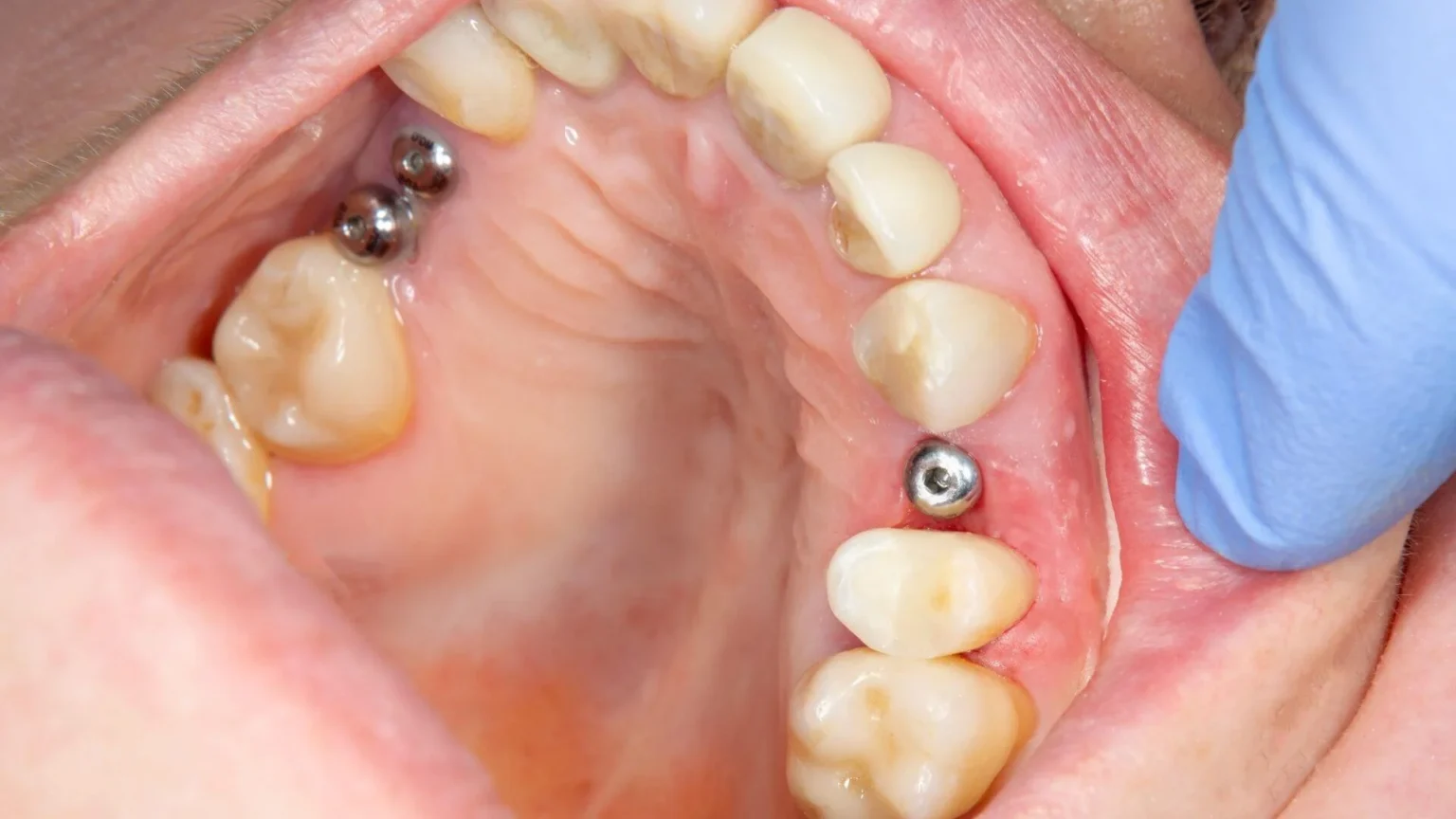
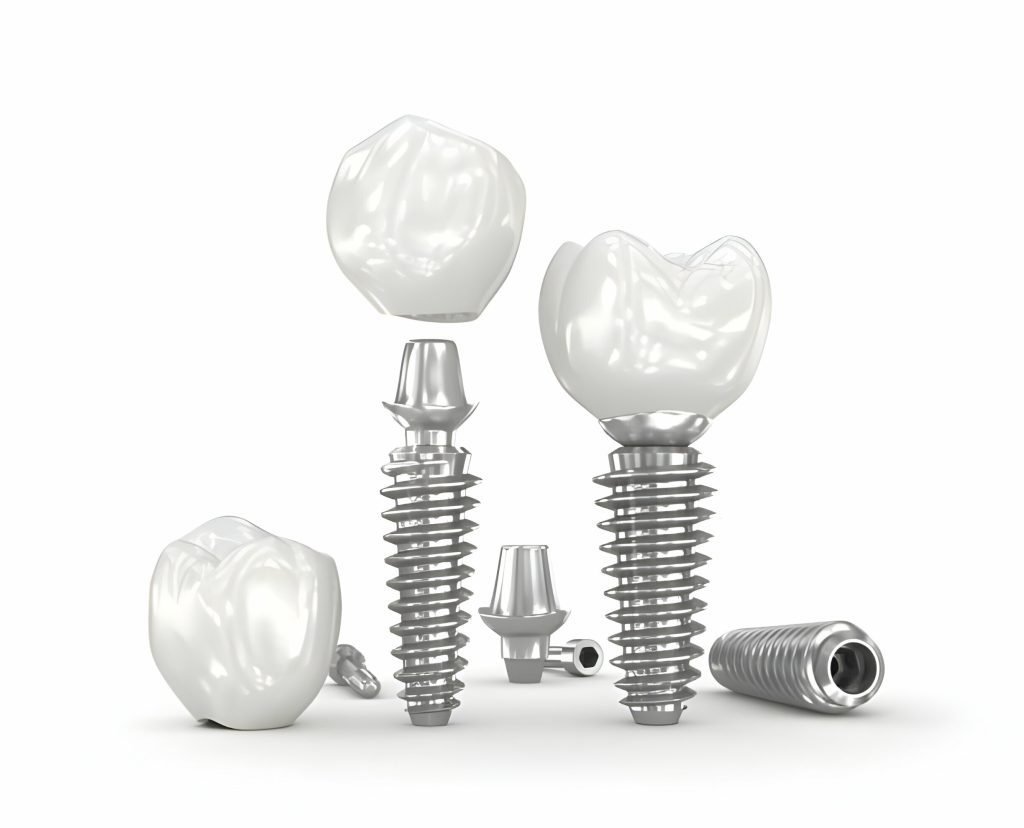
Full mouth dental implants are a comprehensive solution for replacing all teeth in either the upper or lower jaw, or both. This involves surgically placing multiple dental implants into the jawbone, which then act as anchors for a full set of artificial teeth. This offers a permanent and stable alternative to dentures.
Who typically needs them?
Patients who have lost most or all of their teeth due to decay, gum disease, injury, or other medical conditions are typically good candidates for full mouth dental implants. They are also suitable for those who are unhappy with traditional dentures and are looking for a more secure and natural-feeling solution.
Procedural complexity and duration
The full mouth dental implant procedure is more complex than a single implant and typically requires several hours to complete. The exact duration depends on factors such as the number of implants being placed, the need for bone grafting, and the specific technique used. The procedure involves careful planning, precise implant placement, and a period of healing to allow the implants to fuse with the jawbone.
Anaesthesia and Sedation Options for Full Mouth Dental Implants
Dental implant anaesthesia options are varied, ensuring patient comfort throughout the procedure. Dentists carefully consider each patient’s needs and preferences when choosing the most suitable type of anaesthesia.
Local Anaesthesia
Local anaesthesia numbs only the area where the implants will be placed. You’ll remain awake during the procedure, but you won’t feel any pain. This is commonly used for simpler implant cases. It works by blocking nerve signals in the targeted area, providing a pain-free experience during the surgery.
IV Sedation (“Twilight Sleep”)
IV sedation, also known as intravenous sedation or “twilight sleep,” involves administering sedative medication through a vein. This puts you in a relaxed, drowsy state. You will be conscious but less aware of the procedure and unlikely to remember much of it afterward. IV sedation at dental clinics is a popular option for patients with dental anxiety. This option helps create a calm and stress-free environment for the duration of the implant surgery.
General Anaesthetic (Full Unconsciousness)
General anaesthetic involves complete unconsciousness. You will be entirely asleep during the procedure and unaware of anything happening. This is typically reserved for more complex cases or patients with severe anxiety. The use of general anaesthetic for implants requires specialized equipment and trained personnel to monitor your vital signs and ensure your safety.
How dentists decide which to use
Dentists consider several factors when deciding which type of anaesthesia to use, including:
- The complexity of the surgery
- The patient’s anxiety level
- The patient’s medical history
- The dentist’s experience and expertise
They will discuss these factors with you to determine the best option for your individual needs. If you are considering implants, remember that you can use our cost of dental implants in Albania calculator to get an idea of pricing.
Are You Put to Sleep for Full Mouth Dental Implants?
Sedation for dental implants is a common concern for many patients. It’s important to clarify what “being put to sleep” really means in this context.
Circumstances where patients are “put to sleep”
In some cases, patients undergoing full mouth dental implants are “put to sleep,” meaning they receive general anaesthesia and are completely unconscious. This is typically reserved for more complex cases or patients with significant anxiety or phobias about dental procedures.
General anaesthesia vs. IV sedation
It’s crucial to understand the difference between being fully asleep (general anaesthesia) and being sedated (IV sedation). With general anaesthesia, you are completely unconscious and unaware of the procedure. With IV sedation, you are conscious but in a deeply relaxed state. You may feel drowsy or sleepy, but you are still able to respond to instructions from the dentist.
When each method is standard in the UK
In the UK, IV sedation is more commonly used for full mouth dental implants than general anaesthesia. General anaesthesia is typically only used in hospital settings for patients with specific medical needs or severe anxiety. Most dental clinics offering full mouth dental implants will provide IV sedation as a standard option. At Albania Dental Implants, our dental professionals can consult with you to determine the best option based on your specific needs and the details of your case.
What type of anaesthesia do most UK clinics use for full mouth implants?
Most dental clinics in the UK opt for IV sedation for full mouth dental implant procedures, as it provides a comfortable and anxiety-free experience for the patient while allowing the dentist to perform the procedure efficiently.
What Happens on the Day of the Surgery?
Knowing the full dental implant procedure experience can help ease anxiety and ensure you’re prepared for your appointment.
Step-by-step patient journey
- Arrival: You’ll arrive at the dental clinic and be greeted by the staff.
- Consultation: You’ll meet with the dentist to review the procedure, answer any remaining questions, and ensure you’re comfortable.
- Anaesthesia: The anaesthesia will be administered, whether it’s local anaesthesia, IV sedation, or general anaesthesia.
- Implant Placement: The dentist will surgically place the dental implants into your jawbone.
- Recovery: After the surgery, you’ll be monitored in a recovery area until the anaesthesia wears off.
- Going Home: Once you’re stable and alert, you’ll be given post-operative instructions and discharged to go home.
Monitoring and safety procedures
During the procedure, your vital signs (heart rate, blood pressure, oxygen levels) will be continuously monitored to ensure your safety. The dental team is trained to manage any complications that may arise. If you’re considering a dental clinic in Albania, ensure they have robust safety protocols.
Safety, Risks, and Recovery with Implant Anaesthesia
Understanding the risks of dental implant anaesthesia is crucial for informed consent and peace of mind.
Common side effects and how they’re managed
Common side effects of anaesthesia include nausea, vomiting, drowsiness, and headache. These are typically mild and can be managed with medication or rest. Your dentist will provide specific instructions on how to manage any side effects you may experience.
Risks specific to different sedation methods
- Local Anaesthesia: Risks are minimal, but may include allergic reaction or temporary numbness.
- IV Sedation: Risks include breathing difficulties, changes in blood pressure, and allergic reactions. These risks are rare and are carefully managed by the dental team.
- General Anaesthesia: Risks are more significant and include breathing difficulties, heart problems, and allergic reactions. However, these risks are also rare and are carefully managed in a hospital setting.
Post-anaesthesia care and recovery time
After the procedure, you’ll need to follow specific post-operative instructions, including taking prescribed medications, applying ice packs, and eating soft foods. The recovery time varies depending on the extent of the surgery and the type of anaesthesia used. Typically, you can expect to experience some discomfort and swelling for a few days, which will gradually subside.
Costs and Insurance for Sedation in Full Mouth Dental Implants (UK)
Understanding the cost of sedation for dental implants is a key part of planning your treatment. These costs can vary depending on the dental clinic you use and the type of sedation you opt for.
Overview of typical charges
The cost of sedation for full mouth dental implants in the UK can vary depending on the type of anaesthesia used and the complexity of the procedure.
- Local anaesthesia is usually included in the overall cost of the implant procedure.
- IV sedation can add £200 to £600 per hour to the total cost.
- General anaesthesia, which is typically performed in a hospital setting, can add £1,000 to £3,000 to the total cost.
NHS vs private options
Full mouth dental implants are rarely available on the NHS, except in cases of medical necessity. Therefore, most patients opt for private dental clinics. The cost of sedation will vary depending on the clinic and the type of anaesthesia used. Private clinics often offer a range of financing options to help you manage the cost of treatment. If your teeth are rotting, but you can’t afford to fix it in the UK, you may need to consider all your options.
What’s included in a typical UK cost structure
A typical UK cost structure for sedation in full mouth dental implants includes:
- Consultation and assessment
- Anaesthetist fees (if applicable)
- Medication costs
- Monitoring during the procedure
- Post-operative care
It’s important to discuss the cost structure with your dentist upfront to understand what’s included and what’s not. Consider that a perfect set of teeth may be more affordable if you explore dental tourism options for your full set of dental implants in Albania.
FAQs: Are you put to sleep for full mouth dental implants?
This section answers the most frequently asked questions regarding anaesthesia and full mouth dental implants.
Are you awake or asleep during full mouth dental implants?
Whether you are awake or asleep during full mouth dental implants depends on the type of anaesthesia you receive. With local anaesthesia, you will be awake but won’t feel any pain. With IV sedation, you will be conscious but in a relaxed, drowsy state. With general anaesthesia, you will be completely unconscious and asleep.
Can you request to be fully asleep for dental implants?
Yes, you can request to be fully asleep for dental implants. However, it’s important to discuss your reasons with your dentist. General anaesthesia carries more risks than other forms of sedation, and it may not be necessary for all patients. Your dentist will assess your individual needs and preferences to determine the most appropriate option.
Is IV sedation safe for older patients or those with medical conditions?
IV sedation is generally safe for older patients and those with medical conditions, but it’s crucial to inform your dentist about your medical history and any medications you’re taking. They may need to adjust the dosage or monitoring procedures to ensure your safety. Your dentist may consult with your physician before proceeding with IV sedation.
How long does recovery from anaesthesia take after full mouth implants?
The recovery time from anaesthesia varies depending on the type used. After local anaesthesia, the numbness typically wears off within a few hours. After IV sedation, you may feel drowsy for several hours and should avoid driving or operating machinery for at least 24 hours. After general anaesthesia, you may need to stay in the hospital for a day or two to recover fully.
What does it feel like under IV sedation compared to general anaesthesia?
Under IV sedation, you feel relaxed, drowsy, and less aware of your surroundings. You may be able to respond to instructions but are unlikely to remember much of the procedure afterward. Under general anaesthesia, you are completely unconscious and unaware of anything happening.
Does sedation or sleep make the procedure pain-free?
Yes, sedation and sleep make the procedure pain-free. Local anaesthesia numbs the area, while IV sedation and general anaesthesia block the sensation of pain from reaching your brain.
Is it necessary to have someone accompany you after the procedure?
Yes, it’s necessary to have someone accompany you after the procedure, especially if you’ve had IV sedation or general anaesthesia. You will be drowsy and unable to drive or make important decisions. Your companion can help you get home safely and provide support during your initial recovery.
Are there risks with being put to sleep for dental implants?
Yes, there are risks associated with being put to sleep for dental implants, particularly with general anaesthesia. These risks include breathing difficulties, heart problems, and allergic reactions. However, these risks are rare and are carefully managed by trained professionals. If you’re considering this type of treatment, ensure your chosen professionals are trained in safe practices for oral surgery in Albania.
How do you prepare for anaesthesia before dental implant surgery?
To prepare for anaesthesia before dental implant surgery, follow your dentist’s instructions carefully. This may include:
- Avoiding food and drink for a certain period before the procedure
- Arranging for someone to accompany you home
- Informing your dentist about your medical history and medications
- Following any specific instructions related to your medical conditions
Conclusion
Choosing the right anaesthesia for full mouth dental implants is a personal decision that should be made in consultation with your dentist. Understanding the different options available, the risks and benefits of each, and your own individual needs and preferences will help you make an informed choice. At Albania Dental Implants, we prioritize your comfort and safety throughout the entire implant process. We offer a range of anaesthesia options and personalized care to ensure a positive and successful experience. If you’re considering restoring your smile with dental implants, don’t hesitate to contact Albania dental implants today to schedule a consultation and explore your options.





