




What Are Dental Implant Complications?
Dental implant complications can be concerning, but it’s important to remember that most dental implants are successful and provide long-lasting solutions for missing teeth. However, like any medical procedure, problems can occasionally arise throughout the implant’s lifetime. It’s essential to be aware of these potential issues to ensure proactive management and maintain optimal oral health.
Early vs. Late Dental Implant Problems
It’s helpful to distinguish between early and late dental implant issues. Early complications typically occur within the first few months after implant placement and can include infection, poor healing, or instability of the implant. Long-term dental implant problems, on the other hand, develop a year or more after the implant has successfully integrated with the jawbone. These late dental implant problems are the focus of this article.
Dental Implant Failure as a Long-Term Outcome
While rare, dental implant failure is a possible long-term outcome if complications are not addressed promptly. This can involve the implant becoming loose, painful, or requiring removal. Understanding the causes and signs of potential failure is key to preserving the longevity of your dental implant. We, at Albania Dental Implants, ensure that our patients have access to reliable information to make informed decisions about their oral health.
Common Long-Term Problems with Dental Implants
Even with successful initial integration, several dental implant complications can develop over time. These problems can affect the surrounding tissues, the implant itself, or the bite. Early detection and appropriate management are vital to maintaining the health and stability of your dental implant.
Peri-implantitis and Dental Implant Bone Loss
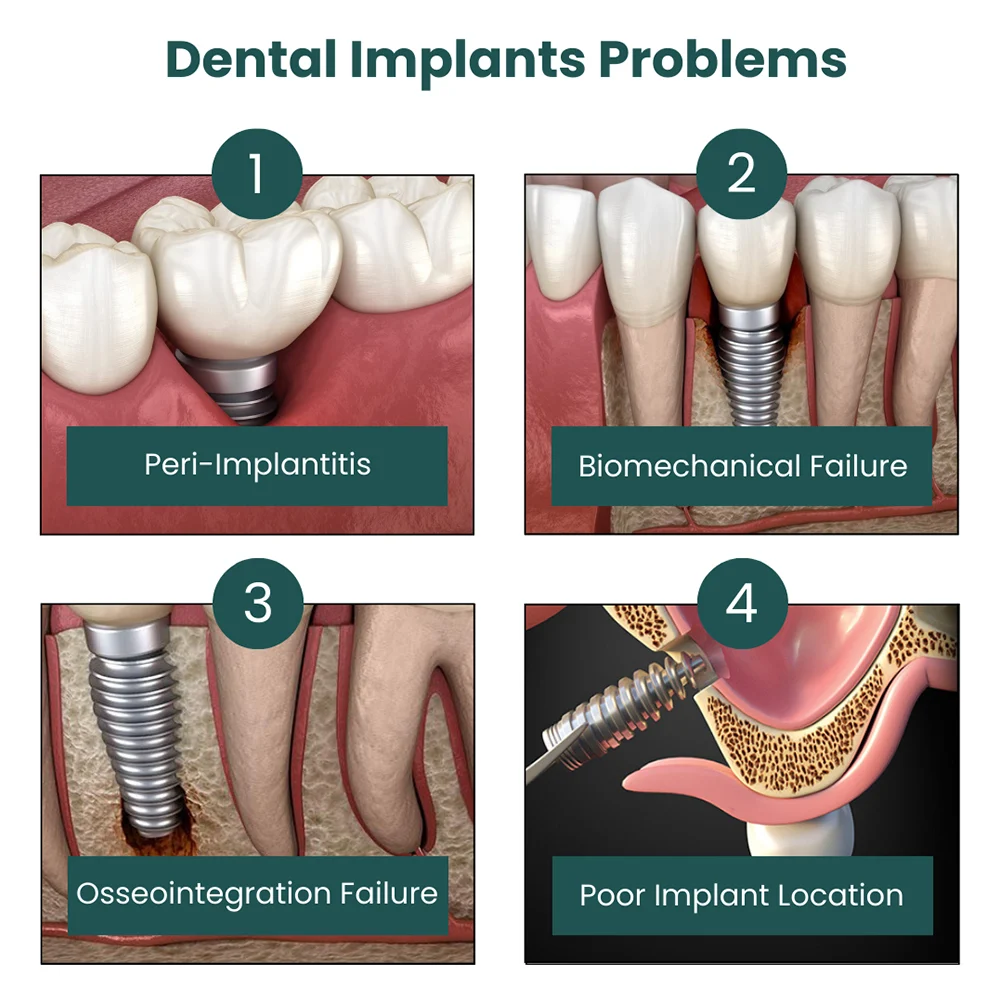
Peri-implantitis is an inflammatory condition affecting the tissues around the implant. It’s a significant concern because it can lead to dental implant bone loss, ultimately jeopardizing the implant’s stability. According to a 2018 study published in the Journal of Clinical Periodontology, peri-implantitis affects up to 47% of dental implant patients (Source: J Clin Periodontol. 2018 Jun;45 Suppl 18:S17-S34). The condition starts with inflammation of the gums (peri-implant mucositis) and can progress to involve bone loss around the implant. If left untreated, peri-implantitis can lead to dental implant failure. Regular maintenance is key.
Infection Risk and Development
A dental implant infection can develop years after placement, even if the initial healing was successful. This can occur due to various factors, including poor oral hygiene, systemic health conditions, or even a compromised immune system. Symptoms of a dental implant infection can include pain, swelling, redness, pus, and fever. Risk factors include smoking, diabetes, and a history of periodontal disease. If you suspect an infection, prompt treatment from your dentist or oral surgeon is essential. The dental clinic in Albania at Albania Dental Implants can help if you are facing these infections.
Mechanical Failure and Structural Issues
Dental implant complications can sometimes arise from mechanical issues with the implant structure itself. This can include screw loosening, fractures of the implant or the abutment (the connecting piece between the implant and the crown), or even breakage of the crown. These problems can be caused by excessive biting forces, material fatigue, or improper implant placement. Regular check-ups are crucial for detecting and addressing these mechanical issues before they lead to more serious problems.
Occlusal Overload and Its Consequences
Occlusal overload refers to excessive pressure on the implant due to an imbalanced bite. This can lead to bone loss around the implant, component breakage, or even implant failure. Occlusal overload can be caused by teeth grinding (bruxism), clenching, or an improperly designed restoration. Your dentist can assess your bite and make adjustments to distribute the forces evenly across your teeth and implants.
Signs of Dental Implant Problems Years Later
Recognizing the signs of dental implant problems early is crucial for preventing more serious complications. While some discomfort is normal after the initial implant placement, any new or worsening symptoms should be evaluated by a dental professional. Be vigilant and report any concerns to your dentist promptly.
Identifying Signs of Dental Implant Problems
Several signs of dental implant problems may indicate an issue requiring attention:
- Pain or discomfort around the implant
- Swelling or redness of the gums
- Mobility or looseness of the implant or crown
- Gum recession around the implant
- Bad taste or odour in the mouth
- Pus or discharge around the implant
- Difficulty chewing or biting
If you experience any of these symptoms, schedule an appointment with your dentist immediately.
Importance of Regular Dental Check-Ups
Regular dental check-ups are essential for the long-term success of your dental implants. Your dentist can assess the health of the surrounding tissues, check the stability of the implant, and evaluate your bite. Early detection of any dental implant complications can allow for prompt treatment and prevent more serious problems from developing. According to the British Dental Association, regular dental check-ups are key to maintaining good oral health and preventing dental problems (Source: British Dental Association). It may be beneficial to look for a dental clinic in Albania that ensures excellent aftercare.
Causes of Late Dental Implant Complications
Several factors can contribute to the development of late dental implant issues. Understanding these causes can help you take proactive steps to protect your implants and maintain good oral health. Lifestyle modifications and consistent dental care are key to preventing long-term complications.
Poor Oral Hygiene and Lack of Dental Implant Maintenance
Poor oral hygiene is a leading cause of late dental implant complications. Failure to brush and floss regularly can lead to the build-up of plaque and bacteria around the implant, increasing the risk of infection and peri-implantitis. Proper dental implant maintenance includes brushing twice daily with a soft-bristled toothbrush, flossing daily with interdental brushes or floss specifically designed for implants, and using an antimicrobial mouthwash. Neglecting these essential steps can jeopardize the long-term success of your implants.
Systemic Health Conditions
Certain systemic health conditions can increase the risk of dental implant complications. Diabetes, for example, can impair healing and increase the risk of infection. Osteoporosis can weaken the jawbone, making it more susceptible to bone loss around the implant. Other conditions, such as autoimmune diseases, can also affect the health of the tissues surrounding the implant. Managing these underlying health conditions is crucial for maintaining the long-term health of your dental implants.
Trauma or Excessive Biting Forces
Trauma to the mouth or excessive biting forces can also contribute to late dental implant problems. A blow to the face, for example, can damage the implant or the surrounding bone. Teeth grinding (bruxism) or clenching can place excessive pressure on the implant, leading to bone loss or component breakage. If you grind your teeth, your dentist may recommend a nightguard to protect your implants from excessive forces.
Smoking and Other Lifestyle Factors
Smoking is a major risk factor for dental implant complications. Smoking impairs healing, reduces blood flow to the gums, and increases the risk of infection and bone loss. Other lifestyle factors, such as poor diet and excessive alcohol consumption, can also negatively impact the health of your dental implants. Quitting smoking and adopting a healthy lifestyle can significantly improve the long-term success of your implants.
How to Prevent Late Dental Implant Issues
Preventing dental implant complications is essential for enjoying the long-term benefits of your dental implants. By following a consistent oral hygiene routine, making healthy lifestyle choices, and attending regular dental check-ups, you can significantly reduce your risk of developing problems.
Dental Implant Aftercare Best Practices
Proper dental implant aftercare is crucial for maintaining the health of your implants. This includes:
- Brushing twice daily with a soft-bristled toothbrush
- Flossing daily with interdental brushes or floss specifically designed for implants
- Using an antimicrobial mouthwash
- Attending regular professional cleanings to remove plaque and tartar build-up
Your dentist or hygienist can provide specific instructions on how to care for your implants based on your individual needs.
Lifestyle Modifications for Implant Health
Making healthy lifestyle modifications can also help prevent late dental implant issues. This includes:
- Quitting smoking
- Maintaining a healthy diet
- Limiting alcohol consumption
- Managing stress to reduce teeth grinding or clenching
These changes can improve your overall health and reduce your risk of developing complications.
Monitoring Dental Implant Health with Regular Visits
Regular dental visits are essential for monitoring dental implant health. Your dentist can assess the health of the surrounding tissues, check the stability of the implant, and evaluate your bite. Early detection of any potential problems can allow for prompt treatment and prevent more serious complications from developing. Most dentists recommend check-ups every six months, but your dentist may recommend more frequent visits if you have a higher risk of dental implant complications.
Treating Dental Implant Problems Years Later
If dental implant problems do arise years later, various treatment options are available. The specific treatment will depend on the nature and severity of the complication. Early intervention is often key to preventing more extensive and costly procedures.
Non-Surgical Treatments for Peri-Implantitis and Infections
In some cases, peri-implantitis and infections can be treated with non-surgical methods. This may involve scaling and root planing to remove plaque and tartar from around the implant, irrigation with antimicrobial solutions, or the use of local or systemic antibiotics. These treatments aim to reduce inflammation and infection and promote healing of the surrounding tissues.
Surgical Options: Dental Implant Revision Surgery or Removal
In more severe cases, surgical options may be necessary to address dental implant problems. Dental implant revision surgery may involve cleaning the implant surface, removing infected tissue, and grafting bone to replace lost bone around the implant. In some cases, the implant may need to be removed altogether if it is severely damaged or infected. If you have severe dental implant bone loss, visiting our bone grafting in Albania is an affordable solution.
Addressing Significant Dental Implant Bone Loss
Significant dental implant bone loss can compromise the stability of the implant and may require bone grafting or guided tissue regeneration. Bone grafting involves placing bone material around the implant to stimulate new bone growth. Guided tissue regeneration uses a membrane to prevent soft tissue from growing into the bone grafting site, allowing the bone to regenerate more effectively. These procedures can help restore bone support around the implant and improve its long-term stability. If you have severe dental implant bone loss, visiting our bone grafting in Albania is an affordable solution.
When to Seek Help
Knowing when to seek professional help for dental implant problems is crucial for preventing more serious complications. Don’t hesitate to contact your dentist if you experience any new or worsening symptoms around your dental implant. Early intervention can often save the implant and prevent the need for more extensive treatment.
Guidance on Symptoms Warranting Immediate Attention
Certain symptoms warrant immediate professional attention. These include:
- Severe pain or swelling
- Sudden mobility or looseness of the implant
- Pus or discharge around the implant
- Fever
These symptoms may indicate a serious infection or other complication that requires prompt treatment.
Distinguishing Normal Post-Operative Changes from Late Problems
It’s important to distinguish between normal post-operative changes and late dental implant problems. Some discomfort, swelling, and bruising are normal after the initial implant placement. However, these symptoms should gradually improve over time. If you experience any new or worsening symptoms months or years after the procedure, it’s important to seek professional evaluation. Regular monitoring dental implant health is recommended.
FAQ: Can a Dental Implant Cause Problems Years Later?
Can a dental implant fail years after placement?
Yes, a dental implant can fail years after placement. While dental implants boast a high success rate, dental implant failure can occur due to factors like peri-implantitis, infection, mechanical issues, or systemic health conditions. Early detection and intervention are essential to address these issues and potentially save the implant.
What are the most common problems with dental implants years later?
The most common long-term dental implant problems include peri-implantitis (inflammation and bone loss around the implant), infection, mechanical failure of the implant or crown, and occlusal overload (excessive pressure on the implant).
How do I know if my dental implant is failing?
Signs of a failing dental implant include pain, swelling, redness, mobility or looseness of the implant, gum recession, bad taste or odour, pus or discharge, and difficulty chewing. If you experience any of these signs of dental implant problems, consult your dentist immediately.
Can dental implants get infected years later?
Yes, dental implants can get infected years later. This can occur due to poor oral hygiene, systemic health conditions, or a compromised immune system. A dental implant infection requires prompt treatment with antibiotics and potentially surgical intervention to prevent further complications.
What is peri-implantitis and how does it affect dental implants?
Peri-implantitis is an inflammatory condition that affects the tissues around the dental implant, leading to bone loss and potential implant failure. It starts with inflammation of the gums (peri-implant mucositis) and can progress to involve the supporting bone structure. Proper oral hygiene and regular dental check-ups are essential for preventing and managing peri-implantitis. If you are looking for an affordable cost of dental implants in Albania, you can avoid peri-implantitis with our excellent dental care.
How can I prevent dental implant problems in the long term?
You can prevent dental implant complications by maintaining excellent oral hygiene, quitting smoking, managing systemic health conditions, avoiding trauma to the mouth, and attending regular dental check-ups for professional cleanings and evaluations.
What should I do if I think my dental implant is causing problems?
If you suspect your dental implant is causing problems, schedule an appointment with your dentist as soon as possible. Early detection and treatment can often prevent more serious complications and save the implant.
Are there any lifestyle factors that increase the risk of implant complications?
Yes, several lifestyle factors can increase the risk of dental implant complications, including smoking, poor diet, excessive alcohol consumption, and teeth grinding or clenching.
Can a loose dental implant be saved?
Whether a loose dental implant can be saved depends on the underlying cause of the problem. If the looseness is due to infection or bone loss, treatment may involve antibiotics, bone grafting, or surgical revision. In some cases, the implant may need to be removed.
What are the options if a dental implant needs to be replaced?
If a dental implant needs to be replaced, options may include placing a new implant in the same location after bone grafting, using a different type of implant, or considering alternative tooth replacement options such as a dental bridge or removable denture. Our expert dentists at Albania Dental Implants can provide you the best option at an affordable price.
Choose Albania Dental Implants for Long-Lasting Implant Success
At Albania Dental Implants, we are committed to providing high-quality dental implant services and ensuring the long-term success of your treatment. Our experienced team uses state-of-the-art technology and techniques to deliver exceptional results. We also prioritise patient education and provide comprehensive dental implant aftercare instructions to help you maintain the health of your implants for years to come. Our clinic offers a range of services, including single tooth implants in Albania, multiple implants with bridges in Albania, and full-mouth restorations with all on 4 dental implants in Albania and all on 6 dental implants in Albania.
Considering dental tourism in Albania for affordable dental care? Albania Dental Implants offers comprehensive packages that include treatment, accommodation, and transportation, making your dental journey seamless and stress-free. Contact us today to schedule a consultation and learn more about how we can help you achieve a healthy, confident smile. Visit Albania Dental Implants to schedule an appointment with us!





