



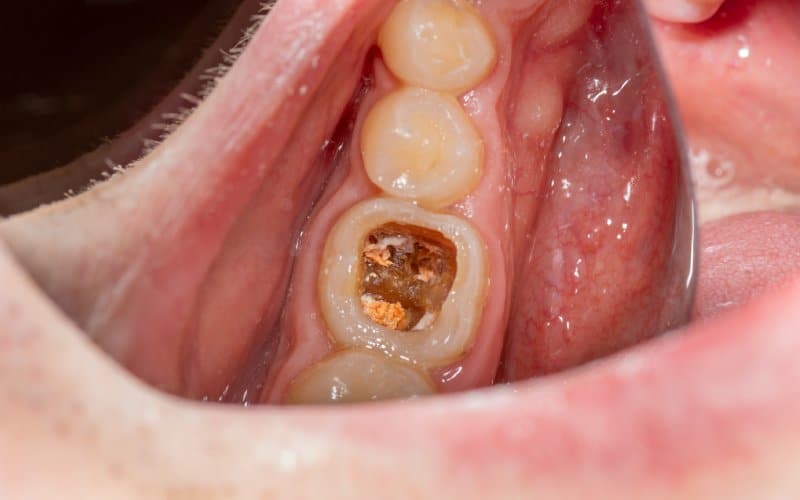

Can a tooth be rotting under a crown? This is a common concern for dental patients and a crucial topic for oral health awareness.
What Is a Dental Crown and How Does It Work?
A dental crown, in its tooth crown basics, is a type of dental restoration that completely caps or encircles a tooth or dental implant. Think of it as a protective helmet for your tooth.
Dental Restoration Explained
Dental crowns are a versatile solution in restorative dentistry. They are used to:
- Protect a weak tooth from decay or cracking.
- Restore a broken tooth or a tooth that has been severely worn down.
- Cover and support a tooth with a large filling when there isn’t enough tooth left.
- Hold a dental bridge in place.
- Cover misshapen or severely discolored teeth.
- Cover a dental implant.
Crown Function and Materials
Crowns can be made from several materials, including:
- Porcelain: Offers the most natural look and is ideal for front teeth.
- Ceramic: Another tooth-colored option known for its biocompatibility.
- Metal Alloys: Gold, platinum, or base-metal alloys are strong and durable, suited for back teeth.
- Porcelain-fused-to-metal (PFM): Combines the strength of metal with the aesthetic appeal of porcelain.
The crown procedure typically involves shaping the tooth, taking an impression, and fitting a temporary crown. Once the permanent crown is ready, it’s cemented onto the tooth.
When considering restorative options, remember Albania Dental Implants Services are available to help determine the best choice for your specific needs.
Can Decay Occur Under a Dental Crown?
Yes, tooth decay under crown is possible. While crowns are designed to protect teeth, they are not impenetrable shields.
Reasons for Crown Failure
Several factors can contribute to decay beneath a crown:
- Poor Fit: If the crown doesn’t fit properly, bacteria can seep in.
- Cracks or Chips: Damage to the crown can create openings for bacteria.
- Receding Gums: Gum recession exposes the edge of the crown, making it vulnerable.
- Poor Oral Hygiene: Neglecting oral hygiene allows plaque and bacteria to accumulate around the crown.
Recurrent Decay: A Common Issue
Recurrent decay, also known as secondary caries, is decay that forms around the edges of a dental restoration. This is a common issue with crowns because the margin where the crown meets the tooth is a potential area for bacterial invasion if not properly sealed and maintained.
Considering a trip for your dentistry? See what our dental tourism in albania can offer.
Underlying Tooth Health
The health of the underlying tooth is crucial. If the tooth was already compromised by decay before the crown was placed, the decay can continue to progress underneath the crown. Regular check-ups are important to ensure underlying tooth health.
Main Causes of Tooth Rotting Under a Crown
Understanding the causes of decay under dental crown is critical for prevention. Several factors contribute to this issue.
Poor Crown Fitting
One of the primary culprits is a poorly fitted crown. If the crown doesn’t have a precise fit along the margin where it meets the tooth, it creates a small gap. This gap becomes a haven for bacteria and food particles, leading to decay.
At Albania Dental Implants, we know that meticulous attention to detail during the dental crown process is essential.
Oral Hygiene: A Decisive Factor
Even with a perfectly fitted crown, maintaining good oral hygiene is critical. Neglecting to brush and floss regularly allows plaque and bacteria to accumulate around the crown, increasing the risk of decay. A consistent oral hygiene routine is the first defense.
Gum Recession and Crown Exposure
Gum recession can expose the margin of the crown, making it more susceptible to decay. As gums recede, they reveal the edge of the crown, which may not be as tightly sealed as the rest of the crown.
Old Crown Issues: Wear and Tear
Dental crowns don’t last forever. Over time, they can wear down, crack, or chip. This damage creates openings for bacteria to penetrate, leading to decay. A dental crown lifespan depends on material and care.
If you’re concerned about the condition of your crown, contact albania dental implants to schedule an examination.
Signs and Symptoms of Decay Under a Crown
Recognizing the signs of decay under crown early can help prevent further damage. Here are some common symptoms to watch out for.
Pain Under Crown: Is It Normal?
While some sensitivity is normal after a crown is placed, persistent or sharp pain under the crown is a red flag. This pain may indicate that decay has reached the nerve of the tooth.
Remember, ignoring pain can lead to more serious problems, including root canal treatment or extraction.
Sensitivity to Temperature
Increased sensitivity to hot, cold, or sweet foods can also signal decay. This sensitivity occurs when the decay compromises the tooth structure, exposing the nerve to these stimuli. If you experience heightened sensitivity, it’s essential to schedule a dental check-up.
Swollen Gums Around the Crown
Swollen or bleeding gums around the crown can indicate an infection caused by decay. This inflammation is the body’s response to the bacterial invasion, and it shouldn’t be ignored. Regular dental visits are important to catch these problems early.
Bad Breath: A Sign of Infection
Persistent bad breath, even after brushing, can be a sign of decay and infection under the crown. The bacteria produce foul-smelling compounds, leading to chronic halitosis. If your breath doesn’t improve with regular oral hygiene, it’s time to see a dentist.
Diagnosis: How Dentists Detect Decay Beneath Crowns
Effective diagnosis is crucial for addressing tooth decay under crown. Dentists use several methods to detect decay beneath crowns.
Dental X-Rays: Seeing the Invisible
Dental X-rays are a primary tool for detecting decay. X-rays can reveal decay that is not visible to the naked eye, especially between teeth or under fillings and crowns. Regular X-rays are a key part of preventive dental care.
If you’re worried about the safety of dental x-rays, contact albania dental implants for detailed explanations.
Clinical Exam: A Thorough Inspection
A thorough clinical exam involves a visual inspection of the crown and surrounding tissues. Dentists look for signs of decay, such as:
- Changes in the crown’s color or integrity
- Swelling or redness of the gums
- Sensitivity to probing
This hands-on approach can often identify issues that may not be immediately apparent on X-rays.
Crown Removal Necessity: When It’s Time to Look Inside
In some cases, the dentist may need to remove the crown to fully assess the underlying tooth. This is typically done when other diagnostic methods are inconclusive, and the dentist suspects significant decay. A careful assessment is essential to determine the extent of the problem.
If you are in need of a dental check-up, contact albania dental implants today.
Treatment Options for Tooth Decay Under a Crown
When tooth decay is detected under a crown, various treatment for crown-related decay options are available.
Dental Crown Replacement: A Fresh Start
One of the most common treatments is to remove the old crown and replace it with a new one. This allows the dentist to address the decay, clean the tooth, and provide a properly sealed restoration. With dental crown replacement, prevention is key.
Root Canal: Saving the Tooth
If the decay has reached the pulp (nerve) of the tooth, a root canal may be necessary. This involves removing the infected pulp, cleaning and disinfecting the inside of the tooth, and filling and sealing it. Modern root canal procedures are often painless and can save the tooth from extraction.
Although some people may fear root canals, they are a routine procedure at Albania Dental Implants.
Extraction Risks: The Last Resort
In severe cases where the tooth is too damaged to be saved, extraction may be the only option. After extraction, tooth replacement options such as implants or bridges can be considered. While extraction is a last resort, it’s sometimes necessary for oral health.
Dental implants in albania are often the best long term solution following extraction.
How to Prevent Tooth Decay Under Crowns
Preventing tooth decay with crowns is achievable with proper oral hygiene and regular dental visits.
Oral Hygiene Tips for Crowned Teeth
Maintaining excellent oral hygiene is the first line of defense. This includes:
- Brushing at least twice a day with fluoride toothpaste
- Flossing daily to remove plaque and food particles from around the crown
- Using an antimicrobial mouthwash to kill bacteria
A consistent oral hygiene routine is essential for long-term crown health.
Our staff at Albania Dental Implants are ready to provide additional advice.
Diet: Limiting Sugary and Acidic Foods
A diet high in sugar and acidic foods can contribute to tooth decay. Limit your intake of these foods, and rinse your mouth with water after consuming them to reduce their impact. A balanced diet supports oral health.
Regular Dental Visits: The Key to Early Detection
Regular dental check-ups are crucial for detecting and addressing potential issues early. Dentists can identify decay, assess the fit of the crown, and provide professional cleanings to remove plaque and tartar. Regular visits are an investment in your oral health.
Crown Maintenance: What to Watch For
Pay attention to your crown and report any changes to your dentist, such as:
- Sensitivity
- Pain
- Swelling
- Changes in color
Promptly addressing these issues can prevent more serious problems.
When Should You Replace a Dental Crown?
Knowing when dental crown replacement is necessary can prevent further complications. Here are some indicators.
Lifespan of Crowns: How Long Do They Last?
Dental crowns typically last between 5 and 15 years, but their lifespan can vary depending on factors such as:
- Material used
- Oral hygiene
- Diet
- Grinding or clenching teeth
Regular check-ups can help determine when replacement is needed.
Indicators of Failure: Signs to Watch Out For
Certain signs indicate that a crown may need replacement, including:
- Cracks or chips in the crown
- Loose crown
- Receding gums around the crown
- Persistent pain or sensitivity
Don’t ignore these signs; seek prompt dental care.
If you have any concerns about your dental crown, contact albania dental implants today.
Possible Complications If Decay Is Left Untreated
Ignoring decay under a crown can lead to serious dental crown complications. Here are some potential consequences.
Tooth Loss: The Ultimate Risk
If decay is left untreated, it can eventually destroy the tooth structure to the point where the tooth cannot be saved and extraction is necessary. Tooth loss can have a significant impact on your oral health and quality of life.
Dental implants in albania can be a great option for those who have experienced tooth loss.
Infection and Abscess: A Dangerous Scenario
Untreated decay can lead to a severe infection called an abscess. An abscess is a pocket of pus that forms in the tooth or surrounding tissues. This can cause significant pain, swelling, and fever, and it can even spread to other parts of the body. Prompt treatment with antibiotics and possibly extraction is essential.
Dental Crown Complications: What Can Happen?
Beyond tooth loss and infections, untreated decay can lead to a host of dental crown complications, including:
- Damage to Adjacent Teeth: Decay can spread to nearby teeth, leading to further cavities and the need for additional treatments.
- Gum Disease: The bacteria associated with decay can also cause gum disease (gingivitis or periodontitis), leading to gum recession, bleeding, and eventual tooth loss.
- Bone Loss: Chronic infections can lead to bone loss in the jaw, which can complicate future tooth replacement options like dental implants.
Don’t let small problems become big ones; contact Albania Dental Implants today!
FAQ SECTION
Can a tooth rot under a crown and how common is it?
Yes, a tooth can rot under a crown. While crowns are designed to protect teeth, they aren’t foolproof. Decay can occur if the crown doesn’t fit properly, if there are cracks or chips in the crown, or if oral hygiene is poor. It is reasonably common, with studies suggesting that secondary caries (decay) around crowns and fillings is a significant reason for dental restoration failures. Diligent oral hygiene, regular check-ups, and properly fitted crowns can minimize this risk.
How do I know if my tooth has decayed under my crown?
Signs of tooth decay under a crown can vary. Common indicators include persistent pain or sensitivity, especially when biting down or exposed to temperature changes. Swollen or bleeding gums around the crown, bad breath that doesn’t go away with brushing, or a visible dark spot near the crown’s edge could also suggest decay. The best way to know for sure is to see your dentist for an examination and X-rays.
Is it possible to fix decay without removing the crown?
In some very minor cases, it might be possible to address decay without removing the crown, such as by applying fluoride treatments around the crown margins. However, this is generally not a long-term solution. For effective treatment, the crown usually needs to be removed to fully access and clean the decay, allowing for proper restoration and preventing further issues. The dentist will assess the extent of the decay to determine the best course of action.
How long do dental crowns usually last before problems arise?
Dental crowns typically last between 5 to 15 years, but their lifespan can vary depending on several factors. The material used (porcelain, metal, etc.), the location of the crown in your mouth, your oral hygiene habits, and lifestyle factors like teeth grinding or clenching all play a role. Regular dental check-ups can help extend the life of your crown by catching potential problems early. Keep in mind the cost of dental implants in albania when considering replacement options.
What can I do to reduce my risk of decay under a crown?
To minimize the risk of decay under a crown, focus on maintaining excellent oral hygiene. Brush at least twice a day with fluoride toothpaste, floss daily to remove plaque and food particles around the crown, and use an antimicrobial mouthwash. Limit sugary and acidic foods, and visit your dentist regularly for check-ups and professional cleanings. If you grind your teeth, consider wearing a nightguard to protect the crown from excessive stress.
Will insurance cover a replacement crown for decay?
Most dental insurance plans will cover a portion of the cost of a replacement crown, especially if the original crown is old or has failed due to decay or other legitimate reasons. However, coverage can vary widely depending on your specific plan, deductible, and annual maximum. Review your dental insurance policy or contact your provider to understand the specifics of your coverage for crown replacements. Remember to factor this in when budgeting for dental tourism in albania.
Don’t let decay compromise your smile. Contact Albania Dental Implants today to schedule a consultation and explore your options for crown replacement and comprehensive dental care. Our team is dedicated to providing personalized, high-quality treatment to restore your oral health and confidence. We offer a range of services, including dental crowns in albania, and are committed to helping you achieve a healthy, beautiful smile that lasts.





