



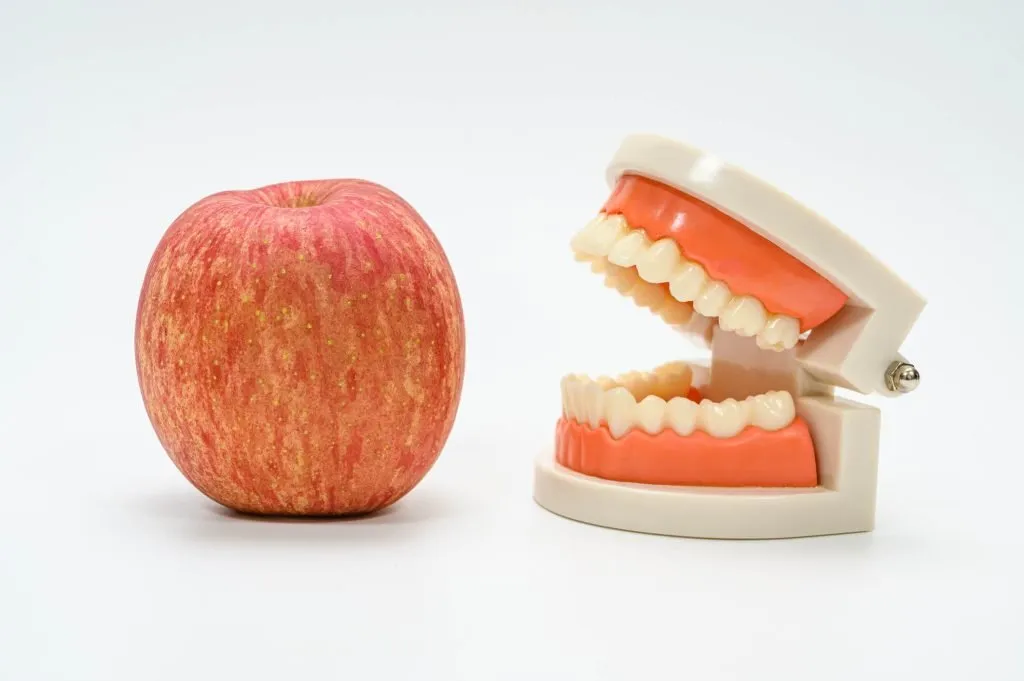
Can I bite an apple with implants? This is a common question, and understandably so! One of the greatest joys of having a healthy set of teeth is the ability to enjoy your favorite foods without hesitation. If you’re considering or recovering from dental implant surgery, knowing what to expect regarding your diet is crucial. At Albania Dental Implants, we want to ensure you regain not only your smile but also the confidence to enjoy life’s simple pleasures, like biting into a crisp apple.
How Dental Implants Work
Understanding how dental implants work is essential to appreciating their potential and limitations. Dental implants are considered a permanent teeth replacement option, offering a stable and long-lasting solution for missing teeth. Unlike dentures or bridges, implants fuse with your jawbone, providing unparalleled stability.
What are Dental Implants?
Dental implants are small titanium posts surgically inserted into your jawbone. Over time, through a process called osseointegration, the bone grows around the implant, securing it in place. This creates a strong foundation for a replacement tooth, which can be a dental crown, bridge, or even a full set of dentures. Albania Dental Implants Services provides a comprehensive range of implant solutions tailored to your individual needs.
How do Implants Compare to Natural Teeth in Strength and Function?
When it comes to strength, dental implants can often rival or even exceed that of natural teeth. This is because the implant is directly anchored into the jawbone. The biting force with implants is distributed evenly, preventing stress on adjacent teeth. Functionally, implants offer a similar experience to natural teeth, allowing you to chew, speak, and smile with confidence. According to the American Academy of Implant Dentistry, implants have a success rate of over 95%, making them a reliable option for restoring your smile.
Eating with Dental Implants – What to Expect
One of the main concerns patients have is what to expect when eating with dental implants, especially in the initial stages. The journey to enjoying your favorite foods again is a gradual process that requires patience and care. Your dentist will provide specific instructions based on your individual healing progress.
When Can You Start Biting Hard Foods After Implant Surgery?
Immediately after dental implant surgery, a soft food diet is essential. This allows the surgical site to heal without being disturbed by chewing hard foods after implant surgery. Typically, you’ll start with liquids like smoothies and soups, gradually progressing to softer foods like mashed potatoes, yogurt, and cooked vegetables. According to the AAID, it usually takes several weeks to months for the implant to fully integrate with the bone. Only after your dentist confirms successful osseointegration can you gradually reintroduce harder foods.
Adjusting to Implant-Supported Teeth
Adjusting to implant-supported teeth can take some time. Initially, you might experience some sensitivity or soreness while chewing. Start with smaller bites and chew slowly, focusing on using both sides of your mouth to distribute the pressure evenly. As you become more comfortable, you can gradually increase the size and texture of the foods you eat. Remember, the goal is to allow your mouth to adapt to the new implants and prevent any undue stress on the healing site.
Biting Force and Durability
The biting force with implants and their durability are key factors in determining whether you can confidently bite into an apple or other hard foods. Understanding the capabilities of your dental implants will help you manage your expectations and maintain their longevity.
Can Dental Implants Withstand the Force of Biting into an Apple?
Yes, dental implants are designed to withstand considerable force, including the force of biting into an apple. However, it’s important to remember that the success of biting into hard foods depends on several factors, including the density of your jawbone, the type of implant used, and the proper placement of the implant. If you’re considering dental implants in Albania, you can be assured of the quality of materials and the expertise of the implant dentists.
Dental Crown and Implant Material Resilience
The resilience of the dental crown and the implant material plays a crucial role in withstanding biting forces. Dental crowns are typically made from materials like porcelain, zirconia implants in Albania, or metal alloys, each offering varying degrees of strength and durability. Zirconia, for example, is known for its exceptional strength and aesthetic appeal. The underlying implant is usually made of titanium, a biocompatible material that fuses seamlessly with the bone. This combination of strong materials ensures that your implant can withstand the daily stresses of chewing and biting.
Real-Life Patient Expectations and Dentist Recommendations
Dentists generally advise a cautious approach when reintroducing hard foods like apples. While dental implants are strong, excessive force can potentially damage the crown or even the implant itself over time. Most dentists recommend cutting the apple into smaller pieces, especially during the initial adjustment period. This reduces the force required to bite and minimizes the risk of damaging your implants. It’s always best to discuss your concerns and expectations with your dentist, who can provide personalized recommendations based on your individual circumstances.
Foods to Avoid with Implants
While dental implants are designed to be durable, some foods can pose a risk, especially in the early stages after surgery. Knowing which foods to avoid with implants will help protect your investment and promote long-term success.
List of Foods to be Cautious with (Hard, Sticky, Very Crunchy)
Certain foods can put excessive stress on your dental implants and should be approached with caution:
- Hard foods: Nuts, hard candies, and ice can potentially chip or fracture the dental crown.
- Sticky foods: Caramels, taffy, and gummy candies can adhere to the crown and implant, increasing the risk of decay and infection.
- Very crunchy foods: Popcorn, chips, and raw carrots can exert significant force on the implant, especially during the initial healing phase.
Limiting these foods will help ensure the longevity of your dental implants.
When is it Safe to Eat Apples and Other Hard Foods?
The timing for safely reintroducing apples and other hard foods varies from person to person. Generally, it’s safe to gradually introduce these foods several weeks or months after the implant has fully integrated with the bone. Your dentist will assess your individual healing progress and provide personalized recommendations. Remember, it’s always best to err on the side of caution and start with softer versions of these foods before progressing to harder textures.
Is There a Difference Between Eating a Whole Apple vs. Sliced Apple with Implants?
Yes, there is a significant difference between eating a whole apple versus a sliced apple with implants. Biting into a whole apple requires considerably more force, which can put stress on the implant and crown. Slicing the apple into smaller pieces reduces the force required, making it a safer option, especially during the initial stages after surgery. It’s also wise to chew on the opposite side of your mouth from where the implant is located to further minimize stress.
Proper Care for Your Dental Implants
Proper care for your dental implants is essential for ensuring their longevity and maintaining your ability to bite and chew comfortably. Think of your implants as an investment that requires regular maintenance to protect its value. Dental implant aftercare plays a huge role in the success of the treatment.
How Maintenance Affects Your Ability to Bite and Chew
Regular maintenance, including brushing, flossing, and professional cleanings, directly impacts your ability to bite and chew effectively. Neglecting proper hygiene can lead to plaque buildup around the implant, increasing the risk of peri-implantitis, an inflammatory condition that can damage the bone supporting the implant. Peri-implantitis can weaken the implant, making it more susceptible to damage from biting forces and potentially leading to implant failure. If you’re looking to boost your oral health, Albania Dental Implants Resources, is here to help.
Best Practices to Extend Dental Implant Lifespan
Here are some best practices to extend dental implant lifespan:
- Brush your teeth at least twice a day with a soft-bristled toothbrush and fluoride toothpaste.
- Floss daily to remove plaque and debris from around the implant.
- Use an interdental brush to clean hard-to-reach areas around the implant.
- Visit your dentist regularly for professional cleanings and checkups.
- Avoid smoking, as it can impair healing and increase the risk of implant failure.
- Maintain a healthy diet and limit sugary and acidic foods.
- Consider using a mouthwash recommended by your dentist to further reduce bacteria.
By following these simple practices, you can significantly extend the lifespan of your dental implants and enjoy a healthy, functional smile for years to come.
FAQs
Here are some frequently asked questions about eating with dental implants:
Will biting an apple damage my dental implant?
Biting into an apple is generally safe with dental implants, but it’s essential to be cautious. The implant itself is strong, but the crown can be vulnerable to chipping or fracturing if excessive force is applied. To minimize the risk, cut the apple into smaller pieces and chew on the opposite side of your mouth from the implant. If you experience any pain or discomfort, consult with your dentist.
How soon after implant surgery can I eat apples?
It’s best to avoid apples immediately after dental implant surgery. Start with a soft food diet and gradually reintroduce harder foods as your mouth heals. Your dentist will provide specific instructions based on your individual healing progress. Typically, you can start eating softer versions of apples (like applesauce) after a few weeks, and gradually progress to sliced apples after a few months, once your dentist confirms successful osseointegration.
Can I eat all foods with dental implants eventually?
With proper care and maintenance, you should be able to eat most foods with dental implants eventually. However, some foods, like hard candies, nuts, and sticky foods, may still pose a risk. It’s always best to exercise caution and cut hard foods into smaller pieces. If you have any concerns about specific foods, consult with your dentist.
What if my implant feels loose after eating something hard?
If your implant feels loose after eating something hard, it’s crucial to contact your dentist immediately. A loose implant could indicate a problem with osseointegration or damage to the supporting bone. Early intervention can often prevent further complications and save your implant.
How do implants compare to natural teeth for biting and chewing?
Dental implants are designed to function much like natural teeth, allowing you to bite and chew comfortably. In some cases, implants may even be stronger than natural teeth. However, it’s important to remember that implants don’t have the same sensory feedback as natural teeth. This means you may not be able to sense excessive force as easily, increasing the risk of damaging the crown. Therefore, it’s crucial to be mindful of the foods you eat and avoid applying excessive force.
Choosing the Right Dental Implant Provider
Selecting the right dental implant provider is essential for ensuring a successful and long-lasting outcome. The expertise and experience of the dentist, as well as the quality of materials used, can significantly impact the success of your dental implants. If you are seeking dental implants uk cheap, you should be weary of low prices.
Questions to Ask Your Implant Dentist About Eating Post-Surgery
When consulting with a potential implant dentist, be sure to ask the following questions about eating post-surgery:
- When can I expect to start eating normal foods again?
- What specific foods should I avoid in the initial stages after surgery?
- How can I minimize the risk of damaging my implants while eating?
- What should I do if I experience any pain or discomfort while chewing?
- What are the long-term dietary considerations for maintaining my implants?
These questions will help you understand what to expect and ensure that you’re well-prepared for the recovery process. You can contact Albania Dental Implants to learn more about the procedure.
Ensuring Quality Materials and Expert Placement
The quality of materials and expert placement are critical factors in the success of dental implants. Look for a dentist who uses high-quality, biocompatible materials like titanium and zirconia. Ensure that the dentist has extensive experience in implant placement and follows strict sterilization protocols. A skilled dentist will carefully assess your individual needs and create a customized treatment plan to ensure optimal results. Additionally, don’t hesitate to ask about the dentist’s success rates and patient testimonials. If you are seeking dental tourism in Albania, ensure the dental clinic is reputable.
Conclusion
Ultimately, the answer to “Can I bite an apple with implants?” is a resounding “Yes,” with some important considerations. Dental implants offer a strong and durable solution for replacing missing teeth, allowing you to enjoy a wide range of foods, including apples. However, it’s essential to follow your dentist’s instructions, maintain proper oral hygiene, and exercise caution when reintroducing hard foods. With the right care and maintenance, your dental implants can provide you with a healthy, functional smile for years to come. At Albania Dental Implants, we’re committed to providing you with the highest quality dental implant services and helping you regain the confidence to enjoy life to the fullest. If you’re considering dental implants, contact Albania dental implants today to schedule a consultation and learn more about how we can help you restore your smile!





