



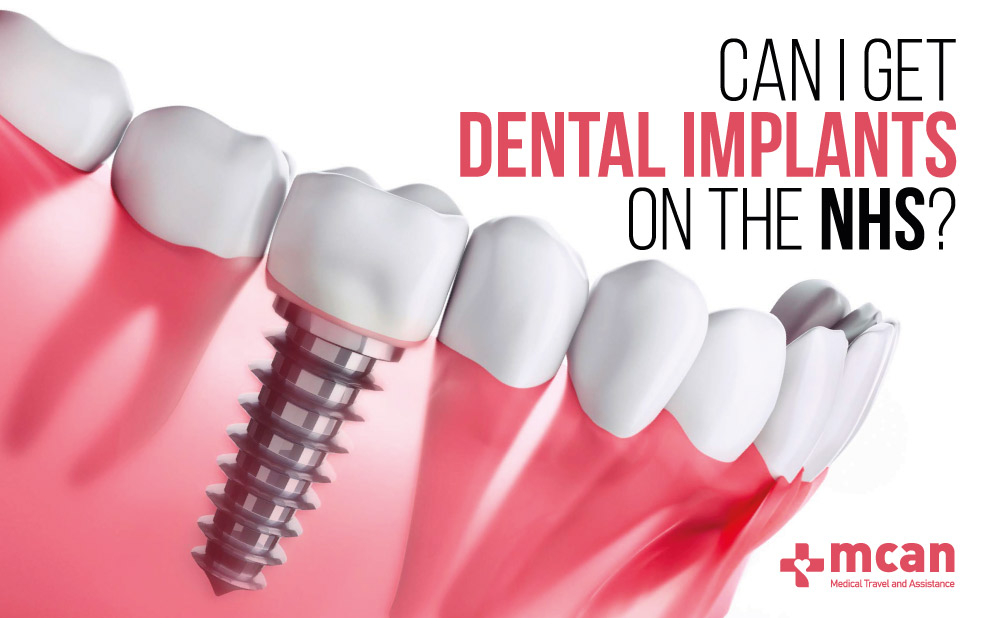
Can I get All-on-4 implants on the NHS? This question is increasingly common among UK residents seeking affordable, permanent tooth replacement solutions.
What Are All-on-4 Dental Implants?
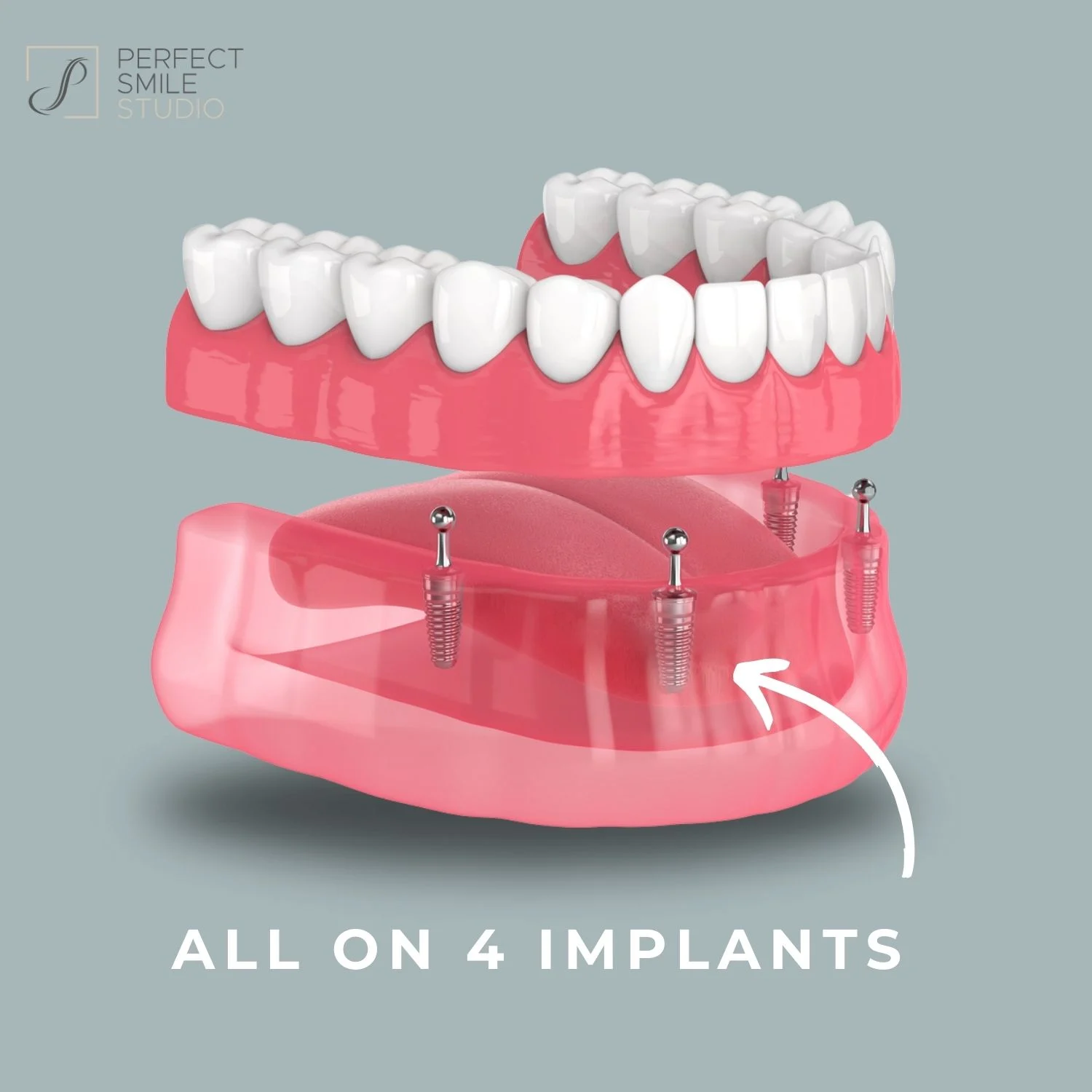
Let’s explore All-on-4 dental implants. This innovative technique offers a full-arch restoration, providing a complete set of teeth using only four strategically placed dental implants. It’s a revolutionary solution for those who have lost most or all of their teeth, offering a stable and functional alternative to traditional dentures.
All-on-4 dental implants explained
The All-on-4 technique involves placing two straight implants in the front of the jaw and two angled implants in the back. This angulation maximizes the use of available bone, often eliminating the need for bone grafting. A full set of teeth is then attached to these implants, providing immediate functionality and aesthetics. For many, it’s a life-changing procedure that restores confidence and improves quality of life.
Full-arch restoration
Traditional methods for full-arch restoration often require multiple implants and extensive procedures, extending the treatment time and increasing costs. With All-on-4, patients receive a fully functional set of teeth in a shorter period, typically within a few days. This immediate loading capability allows you to enjoy eating and speaking normally much sooner than with conventional implant methods.
How All-on-4 differs from traditional dental implants
The key difference lies in the number and placement of implants. Traditional dental implants may require six to ten implants per arch, whereas All-on-4 uses only four. The angled placement of the posterior implants in All-on-4 also avoids anatomical structures like sinuses and nerves, reducing the need for bone grafting. This makes All-on-4 a viable option for individuals who may not be candidates for traditional implants due to bone loss.
NHS Dental Implants – What’s Included?
Understanding what NHS dental implants encompass is crucial. The NHS provides a range of dental services, but coverage for dental implants, including complex procedures like All-on-4, is limited. Several factors determine eligibility and the extent of coverage.
NHS dental treatment types
The NHS offers three main bands of dental treatment: Band 1 covers examinations, diagnosis, and preventative care; Band 2 includes fillings, root canal treatment, and extractions; and Band 3 covers more complex procedures like crowns, dentures, and bridges. Each band has a set cost, but dental implants in Albania and similar advanced treatments are often not included or have very strict criteria for approval. Dental tourism in Albania offers an alternative for those seeking more affordable options.
What dental implants are covered by the NHS?
Generally, the NHS restricts dental implant treatment to cases of significant medical necessity. This may include patients who have lost teeth due to trauma, cancer treatment, or certain congenital conditions. Cosmetic reasons or general tooth loss are typically not covered. Even when implants are approved, it may not always be the All-on-4 technique due to cost constraints.
Eligibility for NHS dental care
To be eligible for NHS dental care, you must be a UK resident. However, eligibility for specific treatments like dental implants depends on a clinical assessment and meeting stringent criteria. Factors such as oral health, medical history, and the specific reason for tooth loss are all considered. Those who qualify often face a lengthy waiting list.
Can I Get All-on-4 Implants on the NHS?
The core question: Can I get All-on-4 implants on the NHS? The reality is that NHS coverage for All-on-4 implants is rare. While the NHS provides essential dental services, advanced treatments like All-on-4 are typically reserved for cases where there is a clear medical necessity, rather than just for improving appearance.
NHS coverage policy for All-on-4 implants
The NHS operates under a strict budget, and high-cost procedures like All-on-4 are subject to rigorous scrutiny. Coverage is usually limited to patients with severe medical conditions that have directly resulted in tooth loss, such as cancer or significant trauma. Even in these cases, approval is not guaranteed and depends on the specific circumstances and the availability of funding.
Medical necessity vs. cosmetic reasons
The NHS prioritizes treatments that address medical necessities, focusing on restoring function and alleviating pain. If tooth loss is primarily a cosmetic concern, it’s highly unlikely that All-on-4 implants will be covered. The distinction between medical necessity and cosmetic enhancement is a key factor in determining eligibility. For those primarily concerned with aesthetics, exploring cosmetic dentistry in Albania might be a viable alternative.
Geographic and regional NHS differences
Access to NHS dental services can vary depending on your location. Some regions may have different funding priorities or availability of specialists, which can affect the likelihood of receiving All-on-4 implants. It’s essential to check with your local NHS dental provider to understand the specific policies and services available in your area.
Who Qualifies for NHS Dental Implants?
Understanding who qualifies for NHS dental implants is crucial. The NHS has specific criteria that determine who is eligible for this treatment. Clinical need and a thorough assessment process are central to the decision-making process.
NHS implant eligibility criteria
To be considered for NHS dental implants, you must meet several criteria. These typically include: significant tooth loss due to trauma or disease, a demonstrable impact on your ability to eat and speak, and a commitment to maintaining excellent oral hygiene. Additionally, you must be in good general health and a non-smoker, as these factors can affect the success of implant treatment.
Clinical need and assessment process
The assessment process involves a comprehensive evaluation of your oral health, medical history, and the reasons for tooth loss. A dentist will assess the extent of tooth loss, the condition of your gums and jawbone, and your overall health. X-rays and other imaging techniques may be used to determine the feasibility of dental implants. This assessment is crucial in determining whether you meet the NHS criteria for implant treatment.
Conditions likely to be approved
While approval is never guaranteed, certain conditions are more likely to be approved for NHS dental implants. These include: Traumatic injuries resulting in significant tooth loss. Tooth loss due to cancer treatment, such as radiation therapy. Congenital conditions affecting tooth development. Severe cases of periodontal disease leading to tooth loss. In these cases, the NHS may consider dental implants as a necessary part of restoring oral function and overall health.
NHS vs Private All-on-4 Implants
When considering Private vs NHS dental implants, it’s important to weigh the pros and cons of each option. Cost, treatment timelines, and aftercare differ significantly between the NHS and private sectors. Making an informed decision requires a clear understanding of these factors.
Cost comparison: Private vs. NHS
The cost of All-on-4 implants privately can be substantial, often ranging from £15,000 to £30,000 per arch in the UK. This includes the cost of the implants, surgery, and the prosthetic teeth. On the NHS, if you qualify, the cost is significantly lower, typically falling within the standard NHS dental charges. However, as previously mentioned, qualifying for NHS coverage is difficult. For a cost-effective alternative, consider the cost of dental implants in Albania, where prices are considerably lower.
Treatment timelines: NHS vs private sector
NHS treatment timelines can be lengthy due to high demand and limited resources. Waiting times for assessment and treatment can extend several months, or even years. In the private sector, treatment timelines are generally much shorter. You can typically schedule consultations and begin treatment within weeks, allowing for a faster restoration of your smile and oral function. Some clinics in Albania offer immediate loading dental implants for even faster results.
Warranty, follow-up, and aftercare differences
Private dental clinics often offer comprehensive warranties on All-on-4 implants, covering potential complications or failures. They also provide detailed aftercare instructions and follow-up appointments to ensure the long-term success of the treatment. NHS aftercare may be more limited due to resource constraints. While the NHS provides essential follow-up care, the level of ongoing support and warranty coverage may not be as extensive as in the private sector.
Alternatives if You’re Not Eligible on the NHS
If you’re not eligible for All-on-4 implants on the NHS, several alternatives exist. These include removable dentures, other NHS-approved dental treatments, and exploring payment plans and private finance options. Each option has its own advantages and disadvantages, so it’s important to consider your individual needs and circumstances.
Removable dentures
Removable dentures are a traditional and more affordable option for replacing missing teeth. They consist of a set of artificial teeth attached to a gum-colored base that fits over your gums. While dentures can restore your smile and improve your ability to eat and speak, they can also be less stable and comfortable than dental implants. Additionally, dentures require regular cleaning and adjustments to ensure a proper fit. You may also explore implant overdentures in Albania for a more stable denture solution.
Other NHS-approved dental treatments
The NHS may offer other dental treatments to address tooth loss, such as dental bridges. A dental bridge involves attaching a replacement tooth to the adjacent teeth, filling the gap left by the missing tooth. Bridges are a more fixed solution than dentures but may require altering the adjacent teeth to provide support. Discussing all available NHS-approved options with your dentist is crucial to determine the most suitable treatment for your needs.
Payment plans and private finance options
If you’re considering private All-on-4 implants but are concerned about the cost, exploring payment plans and private finance options can make the treatment more accessible. Many dental clinics offer payment plans that allow you to spread the cost over several months or years. Additionally, you may be able to secure a personal loan or dental finance to cover the cost of the treatment. Be sure to compare interest rates and repayment terms to find the most affordable option for your budget.
Frequently Asked Questions
Here, we address some Frequently Asked Questions about All-on-4 implants and NHS coverage. This section aims to provide clear and concise answers to common queries, helping you make informed decisions about your dental care.
Is there a waiting list for NHS dental implants?
Yes, there is often a significant waiting list for NHS dental implants. Due to high demand and limited resources, patients who qualify for NHS-funded implants may have to wait several months or even years for treatment. The length of the waiting list can vary depending on your location and the availability of specialists.
What are the success rates for All-on-4 on the NHS?
While specific data on NHS All-on-4 success rates is limited, dental implants generally have high success rates, typically ranging from 90% to 95%. However, success rates can be influenced by factors such as the patient’s overall health, oral hygiene, and adherence to aftercare instructions. Choosing a qualified and experienced dentist is crucial to maximizing the success of All-on-4 treatment.
Are there regional differences in access?
Yes, there can be regional differences in access to NHS dental implants. Funding priorities and the availability of specialists can vary across different regions of the UK, which can affect the likelihood of receiving NHS-funded All-on-4 implants. Contacting your local NHS dental provider is the best way to understand the specific policies and services available in your area.
Can I appeal if NHS refuses treatment?
Yes, you have the right to appeal if the NHS refuses your request for All-on-4 implants. The appeals process typically involves submitting a written complaint to your local NHS trust, outlining the reasons why you believe the treatment should be approved. You may also be able to seek a second opinion from another dentist or consult with a patient advocacy group for support. It’s crucial to gather all relevant medical information and documentation to support your appeal.
Can you get full-mouth dental implants on the NHS?
Getting full-mouth dental implants NHS is exceptionally rare. The NHS typically only covers full-mouth implants in cases of significant medical need, such as after severe trauma or cancer treatment. The criteria are very strict, and the process involves a thorough assessment to determine eligibility.
Why does the NHS restrict dental implant treatment?
The NHS restricts dental implant treatment due to budget limitations and the prioritization of essential dental care. Dental implants, particularly full-mouth restorations like All-on-4, are considered high-cost procedures. The NHS must allocate its resources to provide basic dental services to a wider population. However, you can fix your teeth with no money in the UK by consulting our resource.
Who gets priority for NHS dental implants?
Priority for NHS dental implants is typically given to patients with the most severe medical needs. This includes individuals who have experienced significant tooth loss due to trauma, cancer treatment, or certain congenital conditions. These patients are often prioritized because dental implants are seen as a necessary component of their overall medical care.
How much do All-on-4 implants cost privately in the UK?
Privately, the cost of how much do All-on-4 dental implants cost in the UK can range from £15,000 to £30,000 per arch. This cost includes the implants, surgery, and the final set of prosthetic teeth. The price can vary depending on the clinic, the dentist’s experience, and the materials used.
What are the alternatives to All-on-4 implants if not available on the NHS?
If All-on-4 implants aren’t available on the NHS, several alternatives exist. These include removable dentures, dental bridges, and implant-supported dentures. Removable dentures are the most affordable option, while dental bridges and implant-supported dentures offer more stability and functionality. You could also consider exploring the benefits of dental tourism in Albania, where costs are significantly lower.
Are All-on-4 implants available for free on the NHS for cancer patients or trauma victims?
While it’s not guaranteed, All-on-4 dental implants may be available on the NHS for free (or at a reduced cost) for cancer patients or trauma victims if their tooth loss is a direct result of their condition or treatment. These cases are assessed on an individual basis, and approval depends on meeting specific eligibility criteria and the availability of funding.
What is the process to apply for NHS dental implants?
The process to apply for NHS dental implants involves several steps. First, you need to consult with an NHS dentist who can assess your oral health and determine if you meet the eligibility criteria. If you meet the criteria, your dentist will refer you to a specialist for further evaluation. The specialist will conduct a comprehensive assessment and submit a request for funding to the NHS. If approved, you will be placed on a waiting list for treatment.
Can I switch from NHS to private midway if I’m not eligible?
Yes, you can switch from NHS to private dental care midway through the process if you’re not eligible for NHS-funded All-on-4 implants. You can consult with a private dentist to discuss your options and develop a treatment plan. Switching to private care allows you to bypass the NHS waiting list and receive treatment more quickly. Consider contacting Albania Dental Implants services for an affordable assessment and plan.
Considering Albania Dental Implants for All-on-4?
If the NHS route seems unlikely or the waiting times are too long, consider Albania Dental Implants. We offer high-quality All-on-4 treatment at a fraction of the cost compared to private clinics in the UK. With state-of-the-art facilities, experienced dental professionals, and a commitment to patient satisfaction, we provide a viable and attractive alternative for those seeking affordable dental solutions.
- Significant cost savings compared to UK private clinics.
- Experienced and qualified dental professionals.
- State-of-the-art facilities and technology.
- Comprehensive treatment plans tailored to your individual needs.
Conclusion
While obtaining All-on-4 implants on the NHS is challenging due to strict eligibility criteria and limited funding, it is not impossible. Understanding the NHS coverage policies, eligibility requirements, and alternatives is essential for making informed decisions about your dental care. If you’re not eligible for NHS-funded All-on-4 implants, exploring private options like Albania Dental Implants can provide a cost-effective and high-quality solution for restoring your smile and improving your quality of life. Contact us today to learn more about our services and how we can help you achieve a confident, healthy smile.
Ready to explore affordable All-on-4 options? Contact Albania Dental Implants today for a free consultation and discover how you can achieve a confident, healthy smile without breaking the bank.





