


Can I get dental implants if I have no teeth? This question is common among people who have lost all of their natural teeth and are seeking a permanent, functional solution. The good news is that full mouth dental implants are indeed a viable option, offering a stable, functional, and aesthetically pleasing solution for those with no remaining natural teeth. At Albania Dental Implants, we specialize in providing comprehensive solutions for edentulous patients, helping them regain their smiles and improve their quality of life through state-of-the-art implant techniques.
Understanding Full Mouth Dental Implants
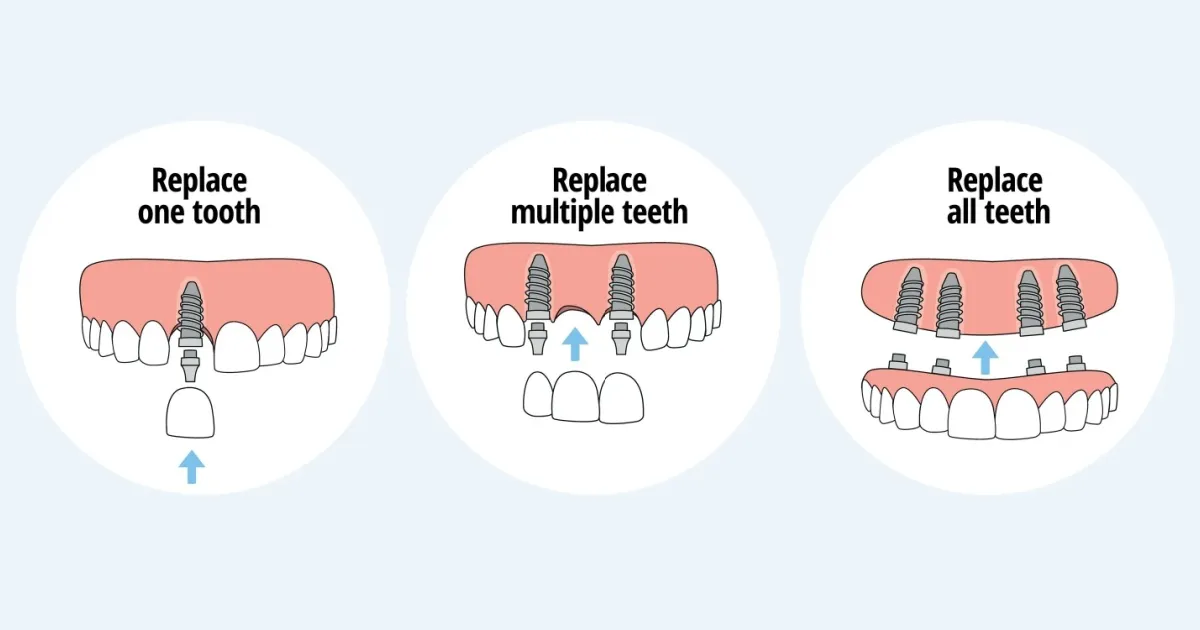
Full mouth dental implants are a revolutionary solution designed to replace an entire arch of missing teeth. If you’re exploring edentulous jaw options, it’s crucial to understand what this treatment entails. Rather than replacing each individual tooth with a separate implant, full mouth dental implants use a strategic number of implants to support a complete set of prosthetic teeth. This approach offers a cost-effective and efficient way to restore a fully functional and beautiful smile.
What are full mouth dental implants?
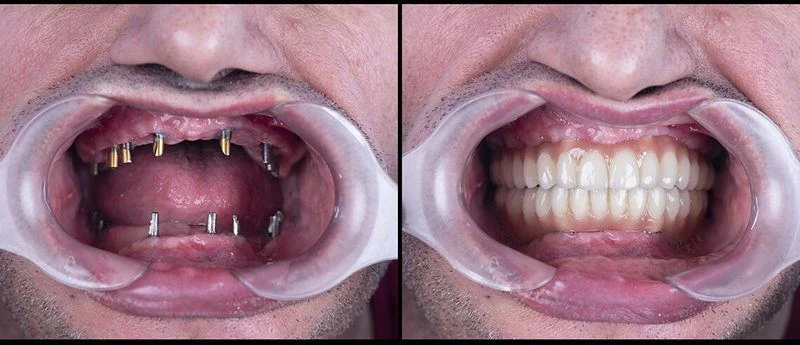
Full mouth dental implants involve the surgical placement of several dental implants in either the upper or lower jaw, or both. These implants act as anchors for a complete set of artificial teeth, typically a bridge or denture. The prosthetic teeth are custom-made to fit the patient’s mouth and match their natural tooth color, providing a seamless and natural-looking result. This procedure is a long-term solution that provides excellent stability and support compared to traditional dentures.
Types of solutions for patients with no natural teeth
Several options are available for individuals seeking full mouth dental restoration. These include:
- Traditional Full Mouth Implants: This involves placing 6-10 implants per arch to support a fixed bridge.
- All-on-4 Implants: A technique using just four implants to support an entire arch of teeth.
- All-on-6 Implants: Similar to All-on-4, but uses six implants for added stability, a service that you can find at all on 6 dental implants in Albania.
- Implant-Supported Dentures: Dentures that attach to dental implants, providing enhanced stability and retention.
The best solution depends on individual factors such as bone density, jaw structure, and budget. A consultation with a qualified implant dentist is essential to determine the most suitable treatment plan. Albania Dental Implants Services offers personalized assessments to guide you through the process.
Am I Eligible for Dental Implants If I Have No Teeth?
Determining eligibility for dental implants is a crucial first step. Even with no remaining natural teeth, you may still be a candidate. Eligibility for dental implants depends on several factors, including jawbone health, medical history, and lifestyle habits. A thorough evaluation by a qualified dentist is necessary to assess your individual suitability.
Factors dentists consider for edentulous patients
When evaluating edentulous patients for dental implants, dentists consider the following:
- Bone Density: Adequate bone volume is essential to support dental implants.
- Overall Health: Medical conditions such as diabetes and autoimmune diseases can affect implant success.
- Oral Hygiene: Maintaining good oral hygiene is crucial for preventing infection and ensuring long-term implant stability.
- Lifestyle Habits: Smoking can significantly impair healing and reduce the success rate of dental implants.
Importance of jawbone health and bone density
Jawbone health and bone density play a crucial role in the success of dental implants. When teeth are lost, the jawbone begins to resorb, or shrink, over time. This can lead to insufficient bone volume for implant placement. Fortunately, even if you have experienced bone loss, procedures like bone grafting can help restore the necessary bone density. If this is your situation, Albania Dental Implants offers bone grafting in Albania.
Medical conditions and age considerations
Certain medical conditions can impact your eligibility for dental implants. Uncontrolled diabetes, autoimmune disorders, and bleeding disorders can increase the risk of complications. Age is generally not a limiting factor, as long as you are in good overall health. However, a comprehensive medical evaluation is essential to assess any potential risks and ensure the best possible outcome.
Dental Implant Solutions for Patients with No Teeth
For patients with no teeth, several innovative dental implant solutions exist, offering varying degrees of support, functionality, and aesthetics. These include All-on-4 implants, implant-supported dentures, and Teeth in a Day procedures. Each option has its own unique advantages and considerations.
All-on-4 and All-on-6 techniques
The All-on-4 and All-on-6 techniques are popular solutions for full mouth dental restoration. All-on-4 involves placing four dental implants in the jawbone to support a complete arch of teeth. The rear implants are strategically angled to maximize contact with the available bone, often eliminating the need for bone grafting. All-on-6 is similar, but uses six implants for increased stability and support. These techniques offer a cost-effective and efficient way to restore a full set of teeth with minimal recovery time.
Implant-supported full dentures explained
Implant-supported dentures provide a more stable and secure alternative to traditional dentures. These dentures attach to dental implants placed in the jawbone, preventing slipping and movement. Implant-supported dentures can be either removable or fixed, depending on your individual needs and preferences. They offer improved comfort, function, and confidence compared to conventional dentures. If this is something you would consider, visit implant overdentures in Albania.
Teeth in a day: same-day implant procedures
Teeth in a Day, also known as same-day implant procedures, offer the convenience of receiving dental implants and a full set of teeth in just one appointment. This innovative approach involves placing implants and attaching a temporary set of teeth on the same day. While not suitable for all patients, Teeth in a Day can provide immediate results and a significant improvement in quality of life. A thorough evaluation is necessary to determine if you are a candidate for this procedure.
The Procedure for Getting Dental Implants Without Teeth
The process of getting dental implants when you have no teeth involves several key steps, from the initial assessment to the final placement of your new teeth. Understanding these dental implant procedure steps can help you feel more prepared and confident about the treatment.
Initial assessment and diagnostics
The first step is a comprehensive evaluation by a qualified implant dentist. This includes a thorough examination of your oral health, medical history, and jawbone structure. Diagnostic imaging, such as X-rays and CT scans, are used to assess bone density and identify any potential issues. The dentist will then develop a personalized treatment plan tailored to your specific needs.
Bone grafting and sinus lift (if needed)
If you have insufficient bone density in the jaw, bone grafting may be necessary. This involves transplanting bone tissue to the area to increase bone volume and provide adequate support for the implants. A sinus lift is a specific type of bone graft that is performed in the upper jaw to increase bone height in the area of the sinuses. Albania Dental Implants offers sinus lift in Albania.
Surgical placement of implants
The next step is the surgical placement of the dental implants. This is typically performed under local anesthesia, although sedation options are available for anxious patients. The dentist will make small incisions in the gums to expose the jawbone and then carefully insert the implants into the prepared sites. After the implants are placed, the gums are sutured closed, and a healing period of several months is required to allow the implants to fuse with the bone.
Attaching permanent prosthetic teeth
Once the implants have fully integrated with the jawbone, the final step is attaching the permanent prosthetic teeth. This involves placing abutments, which are connectors that link the implants to the artificial teeth. The prosthetic teeth, which can be a bridge, denture, or individual crowns, are then custom-fitted and attached to the abutments. The result is a stable, functional, and natural-looking smile.
Cost of Dental Implants for People with No Teeth
Understanding the cost of dental implants for no teeth is an important consideration. The total cost can vary significantly depending on several factors, including the number of implants needed, the type of prosthetic teeth used, and the location of the dental practice. It’s important to get a detailed estimate from your dentist before proceeding with treatment.
Factors affecting total cost
Several factors can influence the total cost of full mouth dental implants:
- Number of Implants: More implants generally mean a higher cost.
- Type of Prosthetic Teeth: Bridges, dentures, and individual crowns have different costs.
- Bone Grafting: If bone grafting is needed, this will add to the overall expense.
- Location of Practice: Dental costs can vary depending on the region.
- Materials Used: The type of implant and prosthetic materials can affect the cost.
Considering dental tourism in Albania can significantly reduce the cost of dental implants. Albania Dental Implants offers comprehensive packages that combine high-quality treatment with affordable prices.
Private vs NHS options
In the UK, dental implants are generally not available on the NHS, except in very specific circumstances. This means that most patients will need to seek private dental care. Private dental practices offer a wider range of treatment options and materials, but the cost can be significantly higher. Exploring options like Albania Dental Implants can provide access to high-quality treatment at a more affordable price.
Long-term cost comparison with dentures
While the initial cost of dental implants is higher than dentures, they can be more cost-effective in the long run. Dentures require regular replacement and adjustments, while dental implants can last a lifetime with proper care. Additionally, dental implants help preserve jawbone density, preventing the bone loss that can occur with dentures. This can save you money on future bone grafting procedures. If you are weighing up costs, visit cost of dental implants in Albania.
Dental Implants vs Dentures: What’s Better for Edentulous Patients?
When considering tooth replacement options, a common question is: dentures vs dental implants, what’s better for edentulous patients? Both dentures and dental implants offer solutions for people with no teeth, but they have distinct advantages and disadvantages. The best choice depends on individual factors such as budget, oral health, and lifestyle.
Advantages and disadvantages of each
Dental Implants:
- Advantages:
- Long-lasting and durable
- Provide excellent stability and support
- Preserve jawbone density
- Look and feel like natural teeth
- Disadvantages:
- Higher initial cost
- Invasive surgical procedure
- Require sufficient bone density
Dentures:
- Advantages:
- Lower initial cost
- Non-invasive
- Can be fitted quickly
- Disadvantages:
- Less stable and secure
- Can slip and move
- Can cause bone loss
- Require regular replacement and adjustments
Suitability according to patient profile
Dental implants are generally a better option for patients who are in good overall health, have sufficient bone density, and are willing to invest in a long-term solution. Dentures may be more suitable for patients who have limited budgets, significant health concerns, or insufficient bone density for implants. Implant-supported dentures can be a good compromise, offering enhanced stability at a lower cost than full mouth implants.
Long-term function, comfort, and maintenance
In terms of long-term function and comfort, dental implants offer superior results compared to dentures. Dental implants provide a stable and secure base for chewing and speaking, allowing you to eat your favorite foods and speak with confidence. They also eliminate the discomfort and irritation that can be associated with dentures. Maintaining dental implants is similar to caring for natural teeth, requiring regular brushing, flossing, and dental check-ups. Dentures, on the other hand, require special cleaning and may need to be adjusted or replaced over time.
Frequently Asked Questions
Can I still get implants if I’ve had dentures for years?
Yes, it is often still possible to get implants even if you’ve worn dentures for years. However, prolonged denture use can lead to bone loss in the jaw. A dentist will need to assess your bone density using X-rays or CT scans. If bone loss is significant, a bone grafting procedure may be necessary to create a stable foundation for the implants. At Albania Dental Implants, our specialists can evaluate your specific situation and determine the best course of action.
How long does full mouth implant treatment take?
The duration of full mouth implant treatment varies depending on individual factors. Generally, the process can take anywhere from several months to a year or more. This includes the initial consultation and planning, any necessary bone grafting, implant placement, healing period, and the final attachment of the prosthetic teeth. Techniques like Teeth in a Day can significantly shorten this timeline for suitable candidates; visit Albania Dental Implants for a faster solution.
Are dental implants painful?
Most patients report minimal pain during the dental implant procedure, which is typically performed under local anesthesia. Some discomfort and soreness may occur after the surgery, but this can usually be managed with over-the-counter pain medication. At Albania Dental Implants, we prioritize patient comfort and offer sedation options for anxious patients.
What if I don’t have enough bone for implants?
If you don’t have enough bone for implants, bone grafting can help. This involves transplanting bone tissue to the jaw to increase bone volume and density. Bone can be sourced from your own body, a donor, or synthetic materials. A sinus lift is a specific type of bone graft used in the upper jaw. After bone grafting, a healing period is required before implants can be placed.
How do I care for dental implants after surgery?
Caring for dental implants after surgery involves maintaining good oral hygiene. This includes brushing your teeth twice a day, flossing daily, and using an antibacterial mouthwash. Regular dental check-ups and professional cleanings are also essential. Avoid smoking and excessive alcohol consumption, as these can impair healing and increase the risk of complications. Our team at Albania Dental Implants provides detailed post-operative instructions to ensure the long-term success of your implants.
Will I be toothless during the healing process?
No, you will not necessarily be toothless during the healing process. In many cases, a temporary denture or bridge can be placed after implant placement to maintain your appearance and function. Techniques like Teeth in a Day involve immediate placement of temporary teeth. Once the implants have fully integrated with the bone, the permanent prosthetic teeth will be attached.
Are dental implants safe for older patients?
Yes, dental implants are generally safe for older patients. Age is not a limiting factor as long as you are in good overall health. A comprehensive medical evaluation is essential to assess any potential risks and ensure the best possible outcome. Older patients often benefit significantly from dental implants, as they can improve their ability to eat, speak, and maintain their overall health.
How much do full mouth implants cost in the UK?
The cost of full mouth implants in the UK can vary significantly depending on several factors, including the number of implants needed, the type of prosthetic teeth used, and the location of the dental practice. On average, full mouth implants in the UK can range from £15,000 to £30,000 or more per arch. Considering dental tourism with Albania Dental Implants can offer substantial cost savings.
Are dental implants available on the NHS for people with no teeth?
Dental implants are generally not available on the NHS for people with no teeth, except in very specific circumstances, such as cases of severe trauma or congenital defects. Most patients will need to seek private dental care, and options like how to afford dental implants in the UK are available. However, there are alternative ways to afford the treatment. Private dental practices offer a wider range of treatment options and materials, but the cost can be significantly higher.
If you are seeking a permanent and reliable solution for missing teeth, Albania Dental Implants is here to help. With our state-of-the-art facilities, experienced dental professionals, and affordable prices, we can help you achieve a confident and healthy smile. Contact Albania Dental Implants today to schedule a consultation and learn more about your options. We can review your Albania dental implants reviews. Take the first step towards restoring your smile and improving your quality of life.