



Can I get dental implants on NHS? This is a question many people in the UK ask when faced with missing teeth and considering the best way to restore their smile. While dental implants offer a long-term solution, accessing them through the National Health Service (NHS) can be complex. This comprehensive guide explores the availability of dental implants on the NHS, eligibility criteria, costs involved, and alternative options, including the excellent services and affordable prices offered by Albania Dental Implants.
What are Dental Implants and Who Needs Them?
Before exploring NHS provisions, it’s important to understand what dental implants are and why someone might need them. Let’s start with a “dental implants explained” overview and delve into the reasons for tooth replacement.
Dental Implants Explained: A Brief Overview
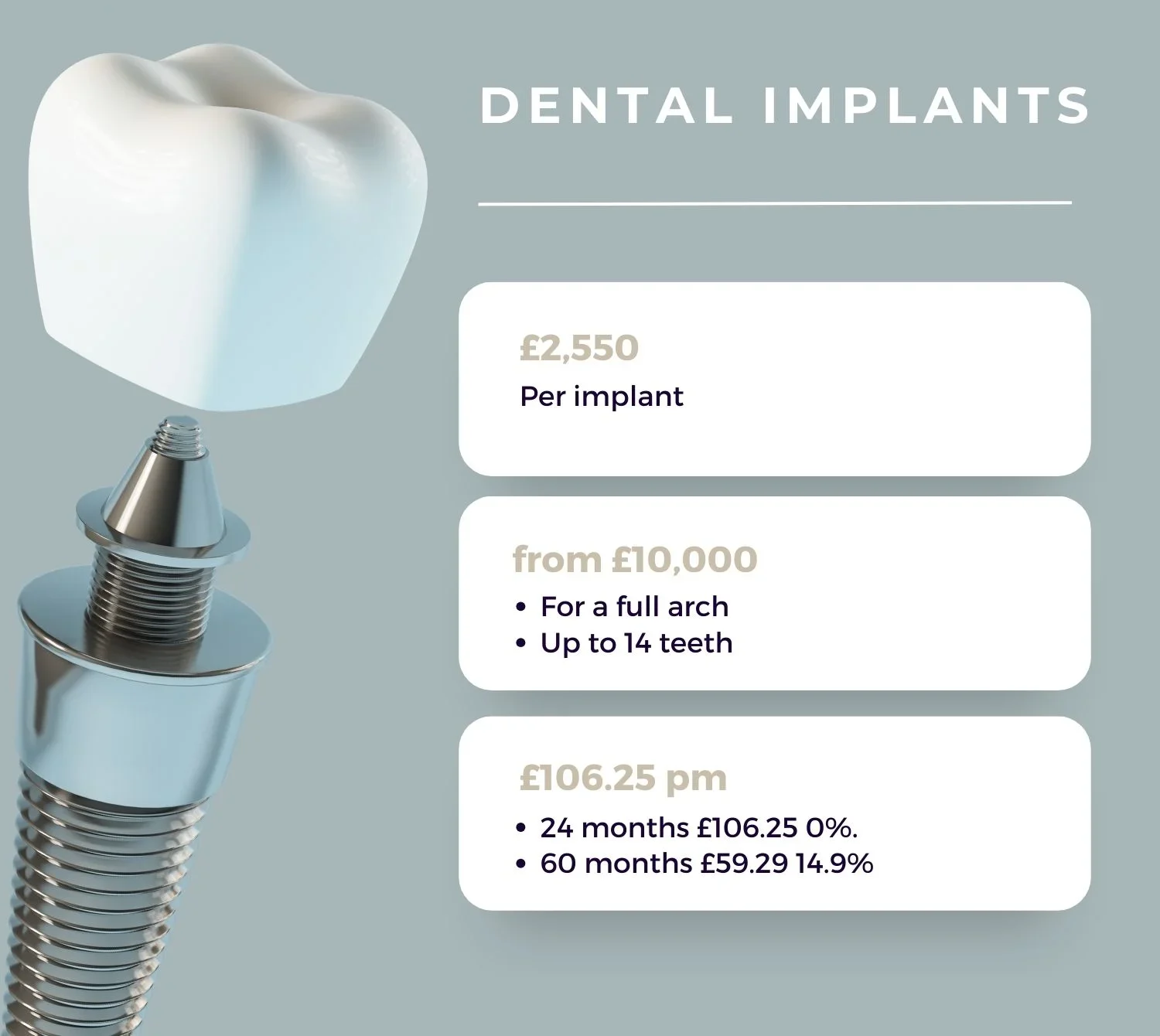
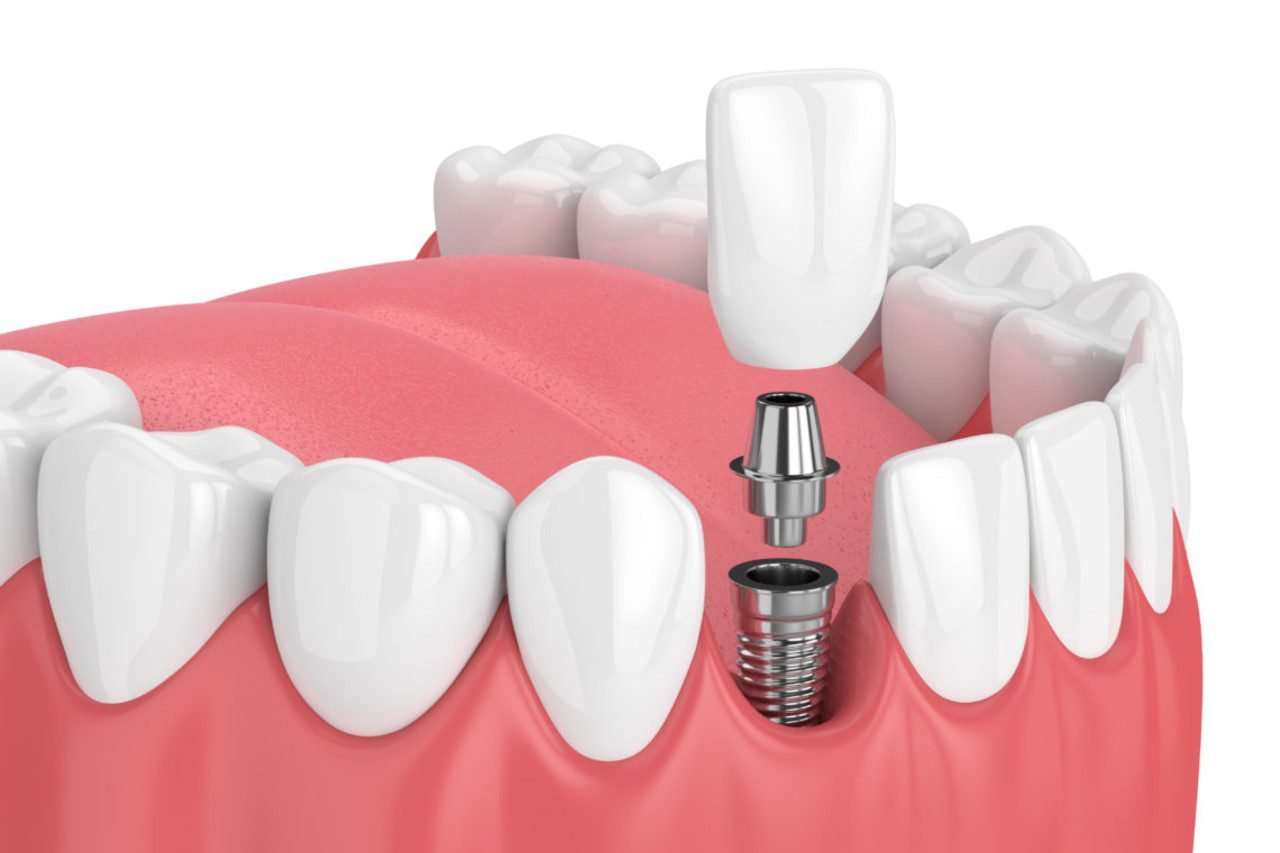
Dental implants are artificial tooth roots, usually made of titanium, that are surgically placed into the jawbone. Once integrated with the bone, they provide a stable base for a replacement tooth or crown. Implants are a popular and effective solution for missing teeth because they:
- Look and feel like natural teeth
- Are durable and long-lasting
- Improve chewing ability and speech
- Help prevent bone loss in the jaw
Common Reasons for Tooth Replacement
There are several reasons why someone might need tooth replacement, including:
- Tooth decay
- Gum disease (periodontitis)
- Injury or trauma
- Congenital absence of teeth
Who Typically Needs Dental Implants?
People who have lost one or more teeth and have sufficient bone density in the jaw to support an implant are typically good candidates. However, factors like overall health, smoking habits, and certain medical conditions can affect suitability. If you don’t have enough bone, procedures like bone grafting may be necessary.
If you are seeking a permanent solution for tooth loss, dental implants may be an ideal solution. However, if you are unsuitable, other solutions may be more appropriate.
Does the NHS Offer Dental Implants?
Understanding “NHS dental implant availability” is crucial. Let’s clarify which “NHS dental treatments” are commonly offered and the NHS stance on dental implants.
Overview of Dental Treatments Available on the NHS
The NHS provides a range of dental treatments designed to maintain oral health, including:
- Check-ups and examinations
- Fillings
- Root canal treatment
- Crowns
- Bridges
- Dentures
- Extractions
Statement on NHS Dental Implant Provision
While the NHS offers many essential dental treatments, dental implants are not routinely available. In fact, access to NHS-funded dental implants is limited. They are typically only provided in cases where there is a clear medical need. This will be explained later on.
How NHS Treatment Differs from Private
NHS dental care focuses on providing essential treatments to maintain oral health, while private dental care offers a broader range of options, including cosmetic procedures and advanced treatments like dental implants. Private dentists often have shorter waiting times and a wider selection of materials and techniques.
Who Qualifies for NHS Dental Implants?
Determining “who qualifies for NHS dental implants” can be complex. The “NHS dental implants criteria” are strict, so let’s examine what makes you eligible.
Clinical Need Evaluations
The NHS typically provides dental implants only when there is a significant clinical need, such as:
- Trauma: Cases where teeth have been lost due to an accident or injury.
- Congenital Absence: Situations where teeth are missing from birth (e.g., hypodontia).
- Severe Disease: Instances where teeth have been lost due to severe gum disease or oral cancer treatment.
Exclusions: Cosmetic Cases, Mild Needs
Dental implants are very unlikely to be provided on the NHS for:
- Cosmetic Reasons: Where the primary goal is to improve appearance.
- Mild Needs: Cases where tooth loss does not significantly impact function or health.
How Your NHS Dentist or Hospital Consultant Reviews Your Case
If you believe you have a clinical need for dental implants, your NHS dentist will assess your case. If necessary, they may refer you to a hospital consultant for further evaluation. The consultant will consider factors such as your medical history, the extent of tooth loss, and the impact on your quality of life to determine if you meet the NHS criteria. The number of teeth that are missing may influence your chances of being accepted for implants.
How Much Do NHS Dental Implants Cost?
If eligible for NHS dental implants, understanding “NHS dental implant costs” is essential. Keep in mind that NHS treatments have set charges. What are the “Band 3 dental charges NHS” and what might you expect to pay?
Breakdown of Current NHS Dental Charges
NHS dental charges are divided into three bands:
- Band 1 (£26.80): Covers examinations, diagnosis, and advice.
- Band 2 (£73.50): Includes everything in Band 1, plus fillings, root canal treatment, and extractions.
- Band 3 (£319.10): Covers everything in Bands 1 and 2, plus more complex procedures like crowns, dentures, and bridges.
Since dental implants fall under complex restorative work, they would likely be classified under Band 3.
Explanation of When Additional Costs May Apply
Even if you qualify for NHS dental implants, additional costs may apply for:
- Complex cases requiring specialist treatment.
- Optional aesthetic enhancements not covered by the NHS.
Comparison to Private Dental Implant Costs
Private dental implant costs in the UK can range from £2,500 to £4,000 per implant, significantly higher than NHS charges. This difference reflects the broader range of services, materials, and expertise available in the private sector. However, many patients find more affordable solutions, such as dental tourism in Albania, where high-quality implants are available at a fraction of the cost.
What to Expect If Approved for NHS Dental Implants
If approved, it’s vital to know “what to expect if approved for NHS dental implants”. What are the “NHS dental implant waiting times” and the “NHS referral process dental implants”?
How to Get Referred
The first step is to consult your NHS dentist. If they believe you meet the criteria for dental implants, they will refer you to a specialist or hospital consultant for assessment. You cannot self-refer for specialist treatment on the NHS.
Assessment and Approval Process
The specialist will conduct a thorough examination, including X-rays and scans, to evaluate your suitability for dental implants. They will then submit an application for funding to the NHS, which may take several weeks or months to process.
Likely Waiting Times
Waiting times for NHS dental implants can be lengthy, often stretching from several months to over a year. This is due to high demand and limited resources.
What the Process Involves
The dental implant process typically involves several stages:
- Consultation: Initial assessment and treatment planning.
- Surgery: Placement of the implant into the jawbone.
- Osseointegration: Waiting period (typically 3-6 months) for the implant to fuse with the bone.
- Abutment Placement: Attaching a connector to the implant.
- Crown Placement: Fitting the final replacement tooth.
- Follow-up: Regular check-ups to monitor the implant.
Private vs NHS Dental Implants: Pros and Cons
Comparing “private vs NHS dental implants” is essential for making an informed decision. What are the key differences and “when private may be the only option”?
Key Differences in Eligibility, Cost, Availability, Waiting Times
Here’s a comparison table:
| Factor | NHS Dental Implants | Private Dental Implants |
|---|---|---|
| Eligibility | Strict criteria based on clinical need | More flexible; depends on dentist’s assessment |
| Cost | Lower (NHS charges) | Higher (private fees) |
| Availability | Limited | More readily available |
| Waiting Times | Long | Shorter |
When Private May Be the Only Option
Private dental implants may be the only option if:
- You do not meet the NHS eligibility criteria.
- You want a wider range of treatment options.
- You want to avoid long waiting times.
- You desire cosmetic enhancements not covered by the NHS.
If you want to get high quality and affordable dental implants, going abroad for dental treatment may be an ideal solution. For example, dental implants in Albania are an ideal solution for UK residents due to the cost savings and high quality of materials.
Alternatives to Dental Implants on the NHS
If you don’t qualify for NHS dental implants, exploring “alternatives to dental implants on the NHS” is important. What “treatments are usually available if you don’t qualify”?
What Treatments are Usually Available if You Don’t Qualify?
The NHS typically offers the following alternatives to dental implants:
- Dental Bridges: Artificial teeth anchored to adjacent natural teeth.
- Dentures: Removable appliances that replace missing teeth.
Pros and Cons of Bridges and Dentures
Dental Bridges:
- Pros: Fixed in place, more stable than dentures, relatively affordable.
- Cons: Require altering adjacent teeth, may not last as long as implants, can be more difficult to clean.
Dentures:
- Pros: More affordable than implants and bridges, non-invasive.
- Cons: Can be uncomfortable, may affect speech and chewing ability, require regular adjustments, can cause bone loss over time.
How to Apply for NHS Dental Implants Step-by-Step
Navigating the “how to apply for dental implants NHS” process can be complex. Here are the steps for the “NHS dental referral process”.
Steps for Initial Assessment and Referral
- Consult Your NHS Dentist: Discuss your concerns and explore available options.
- Assessment: Your dentist will assess your oral health and determine if you meet the clinical need criteria.
- Referral: If eligible, your dentist will refer you to a specialist or hospital consultant.
Documentation Needed
You may need to provide the following documentation:
- Medical history
- Dental records
- X-rays and scans
- Referral letter from your dentist
Tips for Navigating the System
- Be Proactive: Follow up with your dentist and the specialist to track your application.
- Gather Information: Research your condition and treatment options to make informed decisions.
- Consider Alternatives: Explore private options or dental tourism if NHS waiting times are too long or you don’t qualify.
Frequently Asked Questions about NHS Dental Implants (FAQ)
Can I get dental implants for free on the NHS?
It’s highly unlikely. While some individuals may qualify for NHS-funded dental implants due to specific medical needs, completely free implants are rare. Most people will need to pay the standard NHS charges, and even then, eligibility is stringent.
What medical conditions might make me eligible?
Medical conditions that may increase your eligibility include:
- Congenital tooth absence (hypodontia or oligodontia)
- Tooth loss due to severe trauma or injury
- Tooth loss as a result of cancer treatment
- Certain genetic disorders affecting tooth development
Why are dental implants not routinely available on the NHS?
Dental implants are considered a more advanced and costly treatment compared to traditional options like bridges and dentures. The NHS has limited resources and prioritizes essential dental care over cosmetic or elective procedures. However, Albania Dental Implants Services offer an affordable solution for people seeking dental implants.
How long does it take to get implants from the NHS?
Waiting times can vary considerably depending on the region and the specific circumstances of your case. It is important to note that waiting times can be extremely long.
Are dental implants suitable for everyone?
No, dental implants are not suitable for everyone. Factors such as uncontrolled diabetes, severe gum disease, heavy smoking, or insufficient bone density can affect the success of the procedure. A thorough evaluation by a qualified dentist is necessary to determine suitability.
Are there cheaper alternatives to implants?
Yes, cheaper alternatives include dental bridges and dentures. These options are generally more affordable but may not offer the same level of stability, longevity, or natural feel as dental implants.
If I am refused by the NHS, what can I do?
If you are refused NHS funding for dental implants, you have several options:
- Appeal the decision through the NHS complaints process.
- Seek private dental treatment in the UK.
- Explore dental tourism options in countries like Albania, where costs are lower.
- Consider alternative tooth replacement options like bridges or dentures.
What should I ask my dentist about NHS dental implants?
Key questions to ask your dentist include:
- Do I meet the NHS eligibility criteria for dental implants?
- What are the potential waiting times for assessment and treatment?
- What costs will I be responsible for?
- What are the alternatives if I don’t qualify or don’t want to wait?
Can children get dental implants on the NHS?
Dental implants are generally not recommended for children whose jaws are still growing. In exceptional cases, the NHS may consider implants for children with congenital tooth absence or severe trauma, but this is rare and requires specialist assessment.
Conclusion
While obtaining dental implants on the NHS can be challenging due to strict eligibility criteria and long waiting times, it is not impossible. Understanding the NHS process and exploring alternative options, including private treatment and dental tourism, is crucial for making an informed decision about restoring your smile. Albania Dental Implants offer high-quality, affordable dental implant solutions, making it a viable option for those seeking a permanent and cost-effective solution. If you are interested in visiting our dental clinic in Albania then contact Albania Dental Implants today to discuss your needs and explore how we can help you achieve a confident, healthy smile.





