



Can I Get Dental Implants on the NHS?
Can I get dental implants on the NHS is a common question for UK residents seeking cost-effective tooth replacement solutions. Understanding the availability, eligibility criteria, and potential alternatives is crucial for making informed decisions about restoring your smile and oral health. While NHS coverage for dental implants is limited, various factors determine whether you might qualify. If NHS options are limited, Albania Dental Implants provides high-quality, affordable alternatives, including dental tourism options.
I. Understanding NHS Dental Implants and Eligibility
The NHS, or National Health Service, provides healthcare services to UK residents. When it comes to dental care, the NHS offers a range of treatments, but the availability of NHS dental implants is not as straightforward as other procedures. The question of NHS eligibility is central to whether you can access this treatment at a reduced cost.
What are NHS Dental Implants?
NHS dental implants refer to dental implant procedures offered within the NHS system. These are typically reserved for cases where there is a clear medical need, and specific criteria must be met to qualify. The goal is to restore essential dental function rather than provide cosmetic enhancements. Understanding the nuances of NHS dental care is essential for navigating your options.
Am I eligible for Free Dental Treatment in the UK?
Many people wonder what “free dental treatment UK” is available. While comprehensive free dental care is rare, certain groups, such as those receiving specific benefits or under 18, may qualify. For adults, NHS dental charges usually apply, but dental implants are rarely covered unless there’s a strong medical rationale.
Who Typically Asks About NHS Dental Implants?
The question, “Can I get dental implants on the NHS?”, is often asked by individuals who:
- Have lost teeth due to trauma or medical conditions.
- Are on low incomes and cannot afford private dental care.
- Are looking for a more permanent solution than dentures or bridges.
These individuals are seeking to understand their options and navigate the complexities of the NHS system. If you are wondering about your options outside the NHS, we would be happy to assist, contact Albania Dental Implants.
II. What Are Dental Implants and How Do They Work?
To understand the context of NHS availability, it’s essential to know what dental implants are. The term “what are dental implants” often comes up in discussions about tooth replacement options. Dental implants are artificial tooth roots that provide a permanent base for fixed, replacement teeth. They’re surgically implanted into the jawbone, offering stability and a natural look and feel.
Overview of Dental Implants
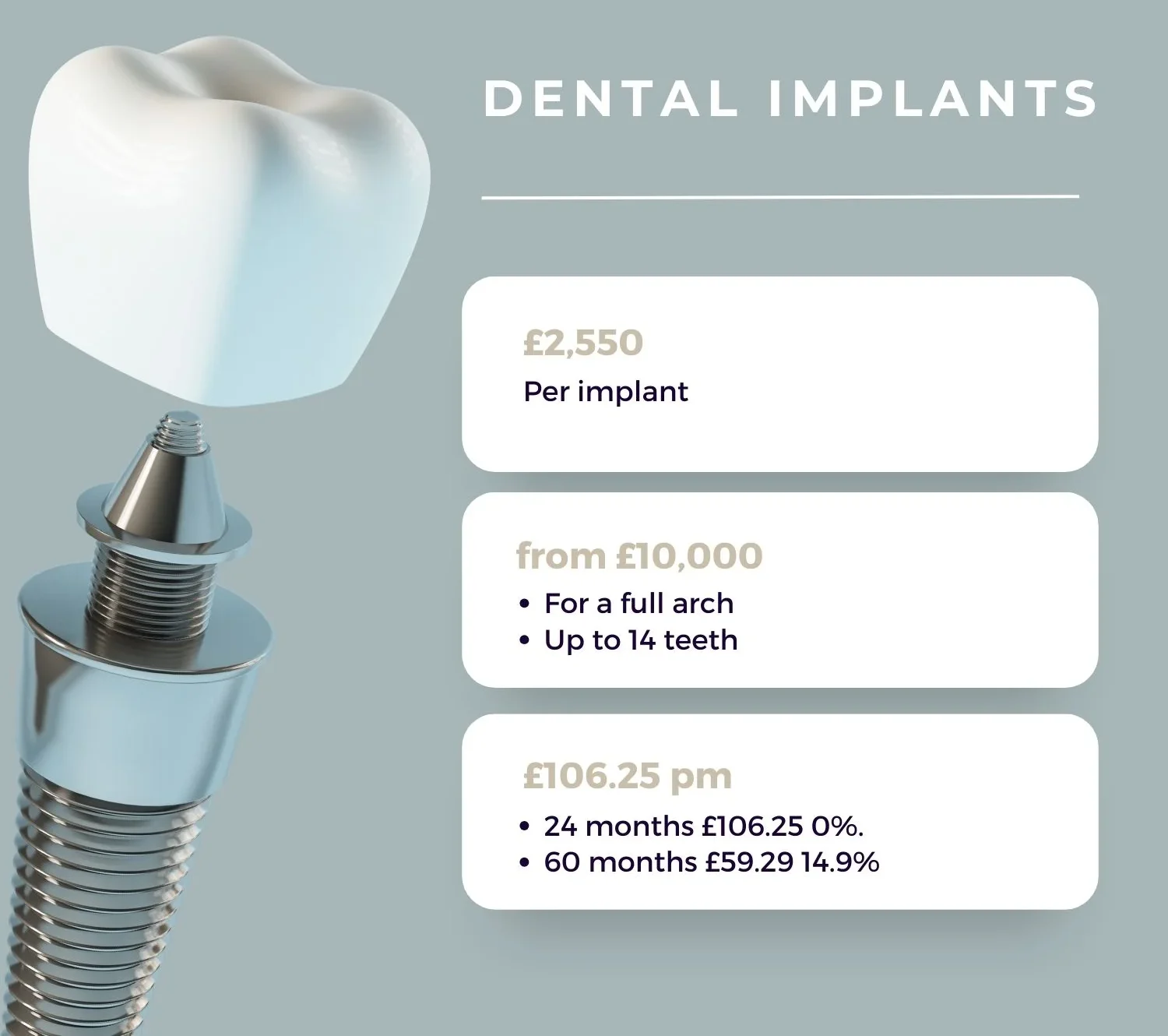
Dental implants consist of three main components:
- The Implant: A titanium screw that fuses with the jawbone.
- The Abutment: A connector that attaches the implant to the crown.
- The Crown: A custom-made artificial tooth that looks and functions like a natural tooth.
This integrated structure provides a strong foundation for replacement teeth. Dental Tourism in Albania offers high quality alternatives at affordable costs.
How Do Implants Differ from Dentures and Bridges?
Compared to dentures and bridges, dental implants offer several advantages:
- Stability: Implants are anchored in the jawbone, providing superior stability compared to dentures.
- Longevity: With proper care, implants can last a lifetime, unlike dentures and bridges that may need replacement.
- Natural Feel: Implants feel and function more like natural teeth, improving chewing and speaking ability.
- Bone Health: Implants stimulate bone growth, preventing bone loss that can occur with dentures.
Alternatives to implants include traditional dentures, which are removable artificial teeth, and dental bridges, which anchor a replacement tooth to adjacent teeth. While less expensive, these options don’t offer the same stability or long-term benefits as dental implants. For those seeking more options, this can provide a great opportunity for research.
What are the Medical Indications for Dental Implants?
Dental implants are medically indicated in several situations:
- Missing Teeth: Replacing one or more missing teeth due to decay, injury, or congenital defects.
- Bone Loss: Preventing bone loss in the jaw, which can lead to facial sagging and further dental problems.
- Improved Function: Restoring the ability to chew and speak properly, enhancing overall quality of life.
III. Are Dental Implants Available on the NHS?
Understanding the availability of dental implants on the NHS requires considering various factors.The topic of “NHS coverage for dental implants” is frequently discussed, as many patients hope to access this treatment affordably. However, the reality is that dental implants are not routinely available on the NHS.
Is This Service Generally Available?
In most cases, the NHS does not offer dental implants as a standard treatment. This is primarily due to budget constraints and the prioritization of essential dental care. However, there are specific circumstances where implants may be considered.
Special Circumstances Where Implants May Be Provided
Implants may be provided on the NHS in cases where there is a clear medical need, such as:
- Trauma: Severe facial injuries resulting in tooth loss.
- Cancer: Reconstruction following oral cancer treatment.
- Congenital Defects: Genetic conditions that cause missing teeth.
These situations typically require a referral from a dentist or specialist and approval from the NHS. Patients may have more affordable options if they are open to going to other parts of the world for the procedures. For example, Albania Dental Implants has many years of experience, and you can check our prices here.
What are the NHS Criteria for Dental Implant Provision?
The NHS criteria for providing dental implants are strict and typically include:
- Medical Necessity: Implants must be essential for restoring function affected by a medical condition or trauma.
- Alternative Treatments: Other treatments, such as dentures or bridges, must be unsuitable or have failed.
- Oral Health: Patients must have good oral hygiene and be committed to maintaining it.
For eligible patients, the goal is to restore basic dental function rather than provide cosmetic improvements. If you think you might qualify, here is a list of resources that can help.
IV. NHS Criteria and Who Is Eligible?
Understanding NHS eligibility is crucial for determining whether you can access dental implants at a reduced cost. Factors such as “qualifying for NHS dental implants” and meeting “patient criteria NHS dental care” play a significant role in the application process. Meeting these criteria is essential for those hoping to receive NHS-funded treatment.
List of Medical and Non-Medical Factors for Eligibility
The medical and non-medical factors that influence eligibility include:
- Medical Factors:
- Presence of a medical condition affecting dental health (e.g., cancer, trauma).
- Failure of alternative treatments (e.g., dentures, bridges).
- Good overall health and oral hygiene.
- Non-Medical Factors:
- Financial circumstances (low income).
- Geographic location (availability of specialized NHS services).
Typical Patient Profiles Eligible for NHS Implants
Typical patient profiles that may be eligible for NHS dental implants include:
- Trauma Victims: Individuals who have lost teeth due to severe accidents or injuries.
- Cancer Patients: Patients requiring dental reconstruction after oral cancer surgery.
- Congenital Defect Sufferers: Individuals with genetic conditions causing missing teeth or severe dental abnormalities.
- Unsuitable Denture Patients: Those for whom dentures or bridges are not viable options due to anatomical or medical reasons.
What is the Application and Assessment Process?
The application and assessment process typically involves:
- Initial Consultation: Meeting with a dentist to assess your dental condition and discuss treatment options.
- Referral: Obtaining a referral from your dentist to an NHS specialist or hospital.
- Assessment: Undergoing a thorough assessment by the specialist to determine your eligibility based on NHS criteria.
- Approval: Awaiting approval from the NHS, which may involve a waiting list due to limited funding.
V. How to Apply for Dental Implants on the NHS
Applying for dental implants on the NHS involves a structured process.Understanding “how to apply for NHS dental implants,” the “NHS referral process,” and the “NHS dental application system” is crucial for navigating this system effectively. This process requires clear steps and documentation to ensure your application is considered properly.
GP/Dentist Referral Requirements
The first step is usually consulting with your general dentist. Key requirements include:
- Initial Dental Examination: Your dentist will assess your oral health and determine if dental implants are a suitable option.
- Referral Letter: If implants are deemed necessary, your dentist will provide a referral letter outlining your medical history, dental condition, and the reasons for needing implants.
- Supporting Documentation: Gather any relevant medical records, X-rays, and photographs to support your case.
Assessment and Waiting List Explanation
After the referral, you’ll undergo an assessment. The process typically involves:
- Specialist Consultation: Meeting with an NHS specialist in oral surgery or restorative dentistry.
- Comprehensive Evaluation: The specialist will conduct a thorough examination, including X-rays and scans, to assess your jawbone density, gum health, and overall suitability for implants.
- Waiting List: If approved, you’ll be placed on a waiting list, which can vary in length depending on funding availability and the urgency of your case.
What are the Steps in the Referral Pathway?
The typical steps in the referral pathway include:
- Initial Dental Appointment: Discuss your concerns with your general dentist.
- Referral to Specialist: Obtain a referral to an NHS specialist or hospital.
- Specialist Assessment: Attend a consultation for a comprehensive evaluation.
- NHS Approval: Await approval from the NHS, which may involve a waiting period.
- Treatment: Undergo the dental implant procedure.
- Follow-Up: Attend follow-up appointments for monitoring and maintenance.
The reality is that many patients can find themselves waiting several months if not years. Contact Albania Dental Implants to find out more about alternative solutions.
VI. Alternatives if You’re Not Eligible for NHS Dental Implants
If you don’t qualify for NHS dental implants, several alternatives are available. Exploring “private dental implants UK,” “NHS dental alternatives,” the “dental implant cost UK,” and “affordable dental options” can help you find a suitable solution. Understanding these options is crucial for making an informed decision about your dental health.
Private Treatment vs. NHS: Costs, Advantages, Disadvantages
Comparing private treatment with NHS options involves considering:
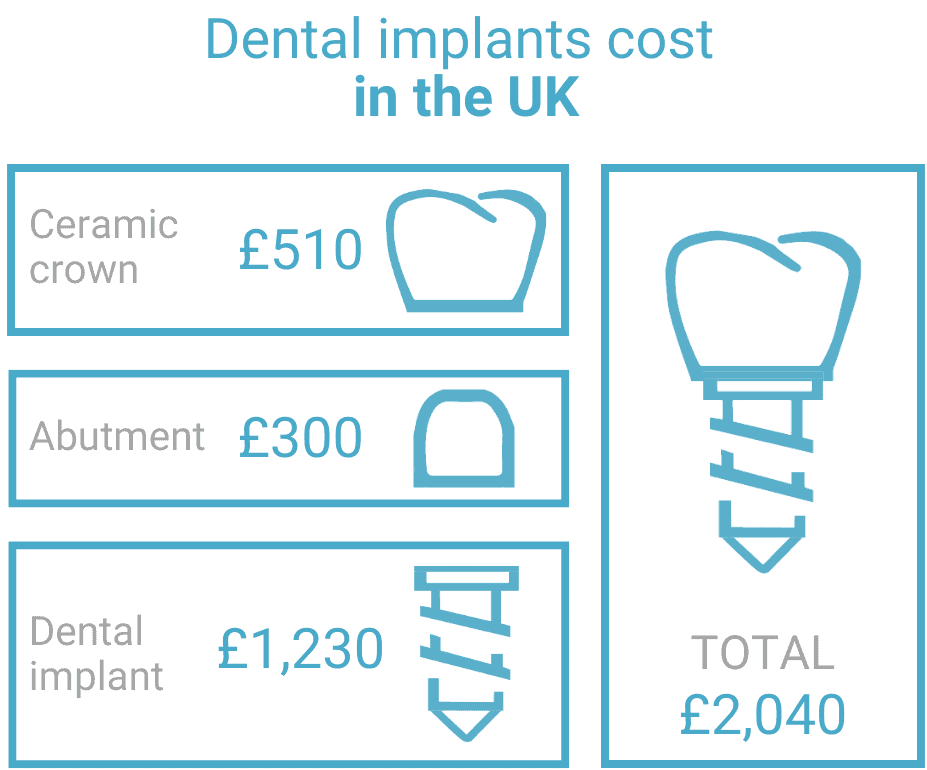
- Costs: Private treatment is typically more expensive than NHS options. According to a 2024 report by the British Dental Association, the average cost of a single dental implant in the UK ranges from £2,500 to £4,000.
- Advantages of Private Treatment: Shorter waiting times, wider range of treatment options, and potentially more advanced technology.
- Disadvantages of Private Treatment: Higher costs may be prohibitive for some individuals.
- Advantages of NHS Treatment: Lower costs for eligible patients.
- Disadvantages of NHS Treatment: Limited availability, strict eligibility criteria, and longer waiting times.
Charity/Private Funding and Dental Schools
Other avenues to explore include:
- Dental Charities: Some charities offer financial assistance or subsidized treatment for individuals with specific medical conditions or low incomes.
- Private Funding: Consider personal loans or payment plans to finance private treatment.
- Dental Schools: Dental schools often offer reduced-cost treatment performed by supervised students.
Financial Assistance Options
Financial assistance options may include:
- Payment Plans: Many private dental clinics offer payment plans to spread the cost of treatment over time.
- Dental Insurance: Explore dental insurance policies that may cover a portion of the cost of dental implants.
- Personal Loans: Consider taking out a personal loan to finance the procedure.
- Government Support: Contact the council to find out more about options available in your area.
Another financial consideration could be dental tourism in Albania, where you could save on your treatment.
VII. NHS Dental Implant Process: What to Expect
Navigating the “NHS implant process” involves understanding the “typical treatment pathway,” the “timeline and stages,” and “patient experiences and outcomes.” This section aims to provide a clear overview of what to expect if you are approved for dental implants on the NHS. Understanding what “happens at NHS dental appointments” is crucial for preparing for the treatment journey.
Typical Treatment Pathway
The typical treatment pathway includes:
- Initial Assessment: A thorough evaluation by a dentist or specialist to determine your suitability for dental implants.
- Treatment Planning: Developing a detailed treatment plan, including the number of implants needed and the type of restoration.
- Implant Placement: Surgically placing the dental implants into your jawbone.
- Healing Period: Allowing several months for the implants to fuse with the bone (osseointegration).
- Abutment Placement: Attaching abutments (connectors) to the implants.
- Restoration: Fitting custom-made crowns, bridges, or dentures to the abutments.
- Follow-Up Care: Regular check-ups and maintenance to ensure the long-term success of the implants.
Timeline and Stages
The timeline and stages typically involve:
- Assessment: 1-2 appointments over a few weeks.
- Implant Placement Surgery: 1-2 hours per implant.
- Healing Period: 3-6 months.
- Abutment Placement: 1 appointment, 30-60 minutes.
- Restoration: 2-3 appointments over a few weeks.
- Total Time: 6-12 months.
Patient Experiences and Outcomes
Patient experiences and outcomes can vary, but successful NHS dental implant procedures typically result in:
- Improved Chewing Ability: Restoring the ability to eat a wider range of foods.
- Enhanced Speech: Improving clarity and confidence in speaking.
- Increased Self-Esteem: Boosting confidence with a natural-looking smile.
- Better Oral Health: Preventing bone loss and maintaining the structure of the jaw.
VIII. Costs & Charges for Dental Implants on the NHS
Understanding the “NHS dental implant cost” is crucial, including information about “NHS dental bands” and “free dental treatment criteria.” Comparing “private vs. NHS costs” is essential for making informed decisions. If you are not eligible for NHS implants, consider Albania Dental Implants.
What NHS Dental Bands Apply to Implants (If Any)?
NHS dental charges are structured into bands, but dental implants are rarely covered under these bands unless there is a clear medical need. The relevant NHS dental bands include:
- Band 1 (£26.80): Covers examination, diagnosis, and advice.
- Band 2 (£73.50): Includes Band 1, plus fillings, root canal treatment, and extractions.
- Band 3 (£319.10): Includes Bands 1 and 2, plus crowns, dentures, and bridges.
Since implants are typically not covered, these bands are usually irrelevant unless the treatment is deemed medically necessary.
Cost Comparison: NHS vs. Private
A cost comparison between NHS and private dental implants highlights significant differences:
- NHS:
- Limited availability and strict eligibility criteria.
- Lower costs for eligible patients (typically Band 3 charges apply).
- Private:
- Wider range of treatment options and shorter waiting times.
- Higher costs, with a single implant ranging from £2,500 to £4,000, as reported by the British Dental Association in 2024.
Ongoing Costs (Maintenance, Repairs)
Ongoing costs for dental implants include:
- Regular Check-Ups: Essential for monitoring the health of your implants and preventing complications (approx. £26.80 per check-up on the NHS).
- Professional Cleaning: Helps remove plaque and tartar buildup around the implants (approx. £50-£100 per session privately).
- Repairs: Although rare, implants may require repairs or replacements of components, such as crowns or abutments, which can incur additional costs.
IX. Frequently Asked Questions (FAQ)
This section addresses common “NHS dental implants FAQ” and “common NHS dental inquiries.” These FAQs aim to provide clear and concise answers to your most pressing questions about accessing dental implants through the NHS.
Can Anyone Get Dental Implants on the NHS?
No, not everyone can get dental implants on the NHS. Eligibility is limited and based on strict medical criteria, such as significant trauma, cancer reconstruction, or congenital defects. Cosmetic reasons are generally not covered.
How Much Do NHS Dental Implants Cost?
If you qualify for NHS dental implants, you’ll typically pay the Band 3 charge, which is currently £319.10. However, this covers only part of the cost, as the NHS subsidizes the rest. Private dental implants can cost significantly more.
How Long Is the Wait for NHS Implants?
The wait time for NHS implants can vary significantly depending on your location and the urgency of your case. Waiting lists can range from several months to over a year due to limited funding and high demand.
Are Dental Implants Available for Cosmetic Reasons?
No, dental implants are generally not available on the NHS for cosmetic reasons alone. The NHS prioritizes treatments that restore essential dental function and address medical needs.
What Can I Do If I Am Turned Down for NHS Implants?
If you are turned down for NHS implants, consider:
- Appealing the Decision: You can appeal the decision by providing additional medical information or seeking a second opinion.
- Exploring Private Options: Investigate private dental clinics and financing options.
- Seeking Charity Assistance: Contact dental charities for potential financial support.
Can Children Get Dental Implants on the NHS?
Dental implants are rarely provided to children on the NHS, as their jaws are still developing. In exceptional cases, they might be considered for children with congenital defects or severe trauma, but only after careful evaluation.
Are There Geographic Restrictions for NHS Implants?
Availability can vary by region due to differences in funding and the presence of specialized dental services. Some areas may have longer waiting lists or stricter eligibility criteria.
Will the NHS Replace Failed Implants?
The NHS may replace failed implants if the initial treatment was provided by the NHS and the failure is due to medical reasons rather than patient negligence. Each case is assessed individually.
What Documents Do I Need to Apply?
The typical documents needed to apply include:
- Referral Letter: From your general dentist.
- Medical Records: Detailing your dental and medical history.
- X-Rays and Scans: Supporting evidence of your dental condition.
- Benefit Statements: Proof of income or benefits if applicable.
Do NHS Scotland/Wales/Northern Ireland Have the Same Rules?
While the fundamental principles are similar, there can be slight variations in the specific eligibility criteria and funding availability in NHS Scotland, Wales, and Northern Ireland. It’s best to check with local health boards for precise details.
X. Conclusion: Taking the Next Steps for Dental Implants
Seeking dental implants on the NHS can be a complex process, but understanding the eligibility requirements, application process, and available alternatives is essential. By having “clear NHS dental advice” and knowing the “next steps for dental implant seekers,” you can navigate this journey more effectively.
Recap of Key Information
Here’s a recap of key points:
- NHS dental implants are primarily available for medical necessities, not cosmetic reasons.
- Eligibility criteria are strict and involve a referral and assessment process.
- Waiting times can be lengthy due to limited funding.
- Alternatives include private treatment, dental charities, and payment plans.
- Ongoing maintenance is crucial for the long-term success of dental implants.
Encouragement to Consult with an NHS Dentist
The best way to determine your eligibility and explore your options is to consult with an NHS dentist. They can assess your dental condition, provide personalized advice, and guide you through the application process.
Leave Comments or Questions
If you have further questions or experiences related to NHS dental implants, feel free to leave a comment below. Your insights can help others navigate this process and make informed decisions about their dental health.
Considering high-quality, affordable dental implants? Explore your options with Albania Dental Implants and rediscover your confident smile today!





