



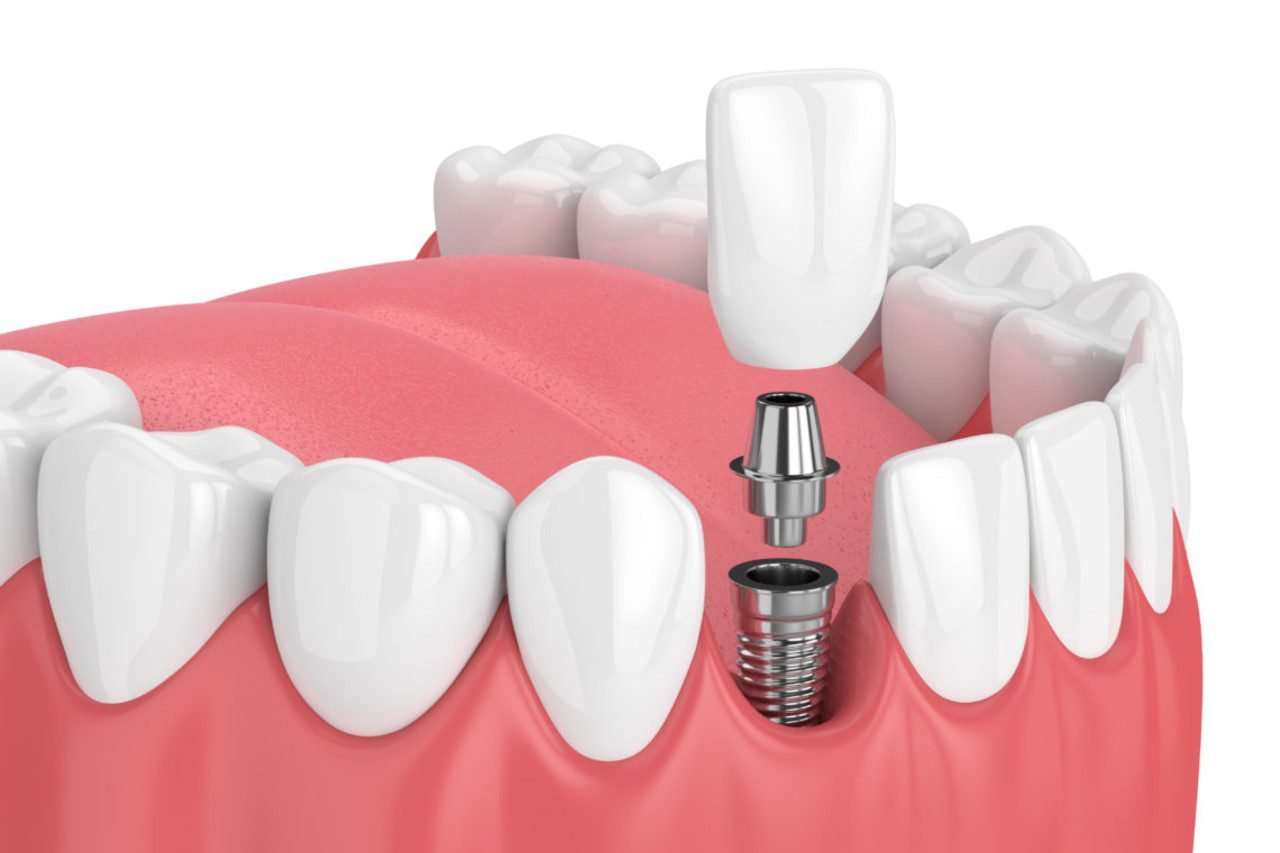
Can I get full implants on NHS? For many people in the UK seeking tooth replacement, understanding NHS dental implant eligibility is essential. While the NHS primarily focuses on providing essential dental care, the availability of dental implants, especially full implants, can be limited and subject to specific criteria. This comprehensive guide will explore the ins and outs of obtaining dental implants on the NHS, eligibility requirements, costs, alternatives, and how Albania Dental Implants can offer a viable solution for those seeking affordable, high-quality full mouth dental implants. Consider this: the cost of full mouth dental implants in the UK can be prohibitive, often leading individuals to explore options abroad, where quality care is available at significantly lower prices.
NHS Dental Implants Eligibility
Navigating NHS dental implants eligibility can be complex. While the NHS does offer dental treatments, including tooth replacement, the availability of dental implants is restricted. Generally, implants are considered when there’s a clear medical need or when conventional treatments aren’t suitable.
Who can get dental implants on the NHS?
Dental implants on the NHS are typically reserved for patients with specific medical conditions or circumstances. These may include individuals who have lost teeth due to trauma, cancer treatment, or congenital disabilities. The primary goal is to restore essential oral function and improve the patient’s overall quality of life.
What medical conditions might qualify someone?
Certain medical conditions can increase the likelihood of NHS-funded dental implants. For example, patients who have undergone surgery for oral cancer may qualify to restore lost teeth. Similarly, individuals with severe genetic disorders affecting tooth development might be eligible. Each case is assessed individually based on its unique merits and the patient’s overall health.
How does an NHS dentist determine eligibility?
An NHS dentist will conduct a thorough assessment, including a review of the patient’s medical history, a clinical examination, and potentially X-rays or scans. The dentist will then determine if the patient meets the NHS criteria for dental implants. This assessment often involves considering the impact of tooth loss on the patient’s ability to eat, speak, and maintain overall health. If you are deemed ineligible, consider affordable options for dental implants in Albania where quality care is available at a lower cost.
Who Qualifies for NHS Dental Implants?
Understanding who qualifies for NHS dental implants is crucial for anyone considering this treatment route. The NHS has specific guidelines to determine eligibility, which focus on medical need and the suitability of alternative treatments. Here’s a breakdown of the key criteria:
Clinical criteria for NHS implants
The NHS prioritizes dental implants for patients with significant clinical needs. This includes cases where tooth loss severely affects oral function or psychological well-being. For example, individuals who have lost teeth due to trauma, have congenital dental anomalies, or have undergone cancer treatment may be considered. The goal is to restore essential functions like chewing and speaking, which directly impact quality of life.
Priority medical circumstances (e.g. trauma, cancer)
Priority is often given to patients who have experienced tooth loss due to specific medical events. Trauma, such as severe accidents, can result in the loss of multiple teeth, necessitating implants for restoration. Cancer treatment, particularly radiation therapy in the head and neck region, can also lead to tooth loss and damage to the jawbone. In these instances, the NHS may approve dental implants to rehabilitate the patient’s oral health.
Age and health considerations
Age and general health also play a role in determining eligibility. While there isn’t a strict age limit, older patients need to be in reasonable health to undergo the surgical procedure. Conditions like uncontrolled diabetes, severe cardiovascular disease, or compromised immune systems can increase the risk of complications and may affect eligibility. Younger patients may also face restrictions, as their jawbones may still be developing. If you don’t qualify due to health restrictions, you might want to consider dental tourism in Albania for affordable options.
NHS vs Private Implants
When considering dental implants, it’s essential to understand the difference between NHS vs private implants. While both options aim to restore missing teeth, they differ significantly in terms of availability, cost, materials, and waiting times.
What are the main differences?
The main difference lies in accessibility. NHS implants are reserved for patients meeting strict medical criteria, while private implants are available to anyone willing to pay for the treatment. Private clinics often offer a wider range of implant options and materials, allowing for more personalized treatment plans. NHS treatments, due to budget constraints, may use more standardized materials and techniques. This is something to bear in mind when considering [Albania Dental Implants Services](https://albaniadentalimplants.com/services/).
Pros and cons of NHS compared to private dental implants
NHS Implants:
- Pros: Lower cost (if eligible), part of a comprehensive healthcare system.
- Cons: Limited availability, longer waiting times, fewer material choices, strict eligibility criteria.
Private Implants:
- Pros: Greater availability, shorter waiting times, wider range of materials and techniques, personalized treatment plans.
- Cons: Higher cost, requires private funding or insurance.
Is quality or material different?
While the fundamental principles of implant dentistry remain the same, there can be differences in the materials used. Private clinics often invest in the latest technologies and premium materials, such as advanced ceramic implants or custom-designed abutments. NHS implants, while still functional and safe, may rely on more standard materials to control costs. However, it’s crucial to note that both NHS and private dentists adhere to strict regulatory standards to ensure patient safety. But you can also find high-quality, affordable options abroad by choosing [dental tourism in Albania](https://albaniadentalimplants.com/dental-tourism-in-albania/).
How Much Do Dental Implants Cost on the NHS?
Understanding NHS dental treatment costs is crucial for anyone considering this route. The NHS operates on a banded system, with charges varying depending on the complexity of the treatment. However, dental implants are rarely covered under standard NHS charges.
NHS dental charges explained (Band 1, 2, 3)
The NHS dental charges are structured into three bands:
- Band 1 (£26.80): Covers examinations, diagnosis, and preventative care.
- Band 2 (£73.50): Includes everything in Band 1, plus fillings, root canal treatment, and extractions.
- Band 3 (£319.10): Covers everything in Bands 1 and 2, plus more complex procedures like crowns, dentures, and bridges.
Dental implants typically fall outside these bands and are rarely available on the NHS unless there is a significant medical need.
Typical fees for implants (if available)
In the rare instances where the NHS does provide dental implants, the fees are still substantial. As implants are considered a Band 3 treatment, expect to pay the maximum charge. However, the availability of implants is limited, and most patients will need to explore private options, or consider [cost of dental implants in Albania](https://albaniadentalimplants.com/cost-of-dental-implants-in-albania/) for more budget-friendly alternatives.
Financial assistance or exemptions for NHS dental care
Certain individuals may be eligible for financial assistance or exemptions from NHS dental charges. This includes:
- Individuals receiving Income Support, Income-based Jobseeker’s Allowance, Income-related Employment and Support Allowance, or Universal Credit (meeting specific criteria).
- Pregnant women and those who have had a baby in the past 12 months.
- Individuals under 18 years old.
- Individuals with certain medical conditions, such as those requiring treatment in hospital.
However, even with these exemptions, dental implants are unlikely to be covered unless deemed medically necessary.
Alternatives to Dental Implants on the NHS
When alternatives to dental implants on NHS are considered, the most common options are dentures and bridges. These treatments are more readily available through the NHS and can provide functional and aesthetic solutions for missing teeth.
Dentures and bridges
Dentures: Removable appliances that replace missing teeth. They can be full (replacing all teeth in an arch) or partial (replacing some teeth). NHS dentures are typically made from acrylic and are designed to restore basic function. Bridges: Fixed appliances that attach to adjacent teeth to fill the gap left by a missing tooth. NHS bridges are usually made from metal or porcelain-fused-to-metal and are cemented onto the supporting teeth.
Benefits and drawbacks to alternatives
Dentures:
- Benefits: More affordable than implants, readily available on the NHS, non-invasive.
- Drawbacks: Can be uncomfortable, may affect speech and taste, require regular adjustments, can cause bone loss over time.
Bridges:
- Benefits: Fixed in place, more stable than dentures, restore function and aesthetics.
- Drawbacks: Require altering adjacent teeth, can be more expensive than dentures, may not be suitable for all patients, can put extra stress on supporting teeth.
While NHS offers dentures and bridges, dental implants in Albania are a more lasting solution to missing teeth.
Who is usually offered dentures instead of implants?
Dentures are typically offered to individuals who:
- Do not meet the strict eligibility criteria for NHS dental implants.
- Cannot afford private dental implants.
- Have medical conditions that make implant surgery risky.
- Have significant bone loss in the jaw, making implant placement difficult.
Full Mouth Dental Implants on the NHS – Is It Possible?
The question of full mouth dental implants UK availability on the NHS is a critical one for many patients. While single or a few implants might be considered under specific medical circumstances, obtaining full mouth implants through the NHS is extremely rare.
Can you get full mouth (all teeth) implants through the NHS?
Generally, the NHS does not fund full mouth dental implants for purely cosmetic reasons. Full mouth implants are an expensive and resource-intensive procedure, and the NHS prioritizes essential treatments. However, there might be exceptions in cases of severe trauma or congenital conditions affecting the entire mouth. Even in these scenarios, approval is subject to rigorous assessment and funding availability.
Scenarios where full implants may be approved
Full implants may be considered in cases where:
- A patient has suffered extensive trauma resulting in the loss of all or most teeth.
- A patient has a severe congenital condition affecting tooth development.
- A patient has undergone extensive cancer treatment affecting the mouth and jaw.
- Conventional dentures or bridges are not a viable option due to anatomical or medical reasons.
These cases require extensive documentation and justification to demonstrate the medical necessity of full mouth implants.
Typical outcomes for patients seeking full jaw or arch implants
For patients who do not qualify for NHS-funded full mouth implants, private treatment or exploring options abroad, such as dental tourism in Albania, may be the only viable solution. These options allow patients to access high-quality full mouth implants at a more affordable cost. It’s essential to research reputable clinics and consider factors like the dentist’s experience, the materials used, and the clinic’s location when opting for treatment outside the NHS. Full mouth reconstruction in Albania can restore your smile with [full mouth reconstruction in Albania.
NHS Waiting Times for Dental Implants
When considering dental implants on the NHS, it’s essential to be aware of the potential NHS waiting times for dental implants. Due to high demand and limited resources, waiting times can be significant, impacting oral health and quality of life.
How long patients typically wait
Waiting times for dental implants on the NHS can range from several months to several years. The exact duration depends on various factors, including the specific NHS trust, the availability of specialists, and the complexity of the case. Patients may need to wait for initial assessments, specialist referrals, and the actual implant procedure. Such delays can lead to further bone loss and affect the overall success of the treatment.
Regional differences and referral pathways
Waiting times can vary significantly depending on the region and the specific NHS trust. Some areas may have longer waiting lists due to higher demand or fewer resources. Referral pathways also play a role. Patients typically need to be referred by their general dentist to a specialist clinic or hospital for implant assessment. The efficiency of this referral process can impact the overall waiting time. Consider Albania Dental Implants for faster treatment.
Impact of waiting times on oral health
Prolonged waiting times can have a detrimental impact on oral health. Missing teeth can lead to bone loss in the jaw, shifting of adjacent teeth, and difficulties with chewing and speaking. These issues can worsen over time, making the implant procedure more complex and potentially reducing its success rate. For patients experiencing significant delays, exploring private options or seeking treatment abroad might be a more timely and effective solution. Contact contact Albania dental implants for a consultation.
NHS Dental Services Explained
To fully understand the context of dental implants on the NHS, it’s helpful to have an overview of NHS dental services explained. The NHS provides a range of dental treatments, from routine check-ups to more complex procedures.
Overview of dental treatment available on the NHS
The NHS offers a comprehensive range of dental services, including:
- Routine check-ups and examinations
- Fillings
- Root canal treatment
- Extractions
- Dentures and bridges
- Crowns
- Preventative care (e.g., fluoride treatments, scaling and polishing)
However, the availability of certain treatments, such as dental implants, is limited due to funding constraints and strict eligibility criteria. Where the NHS falls short, dental clinic in Albania offer high-quality, affordable care.
Specialist NHS dental hospitals and referrals
For more complex dental cases, patients may be referred to specialist NHS dental hospitals or clinics. These facilities have advanced equipment and expertise to handle challenging treatments. Referrals are typically made by general dentists based on the patient’s specific needs and medical history. However, even with a referral, access to certain treatments, such as dental implants, remains subject to strict eligibility criteria and waiting times. In these instances, patients often turn to dental tourism in Albania for more immediate and affordable solutions.
Can everyone get dental implants on the NHS?
No, not everyone can get dental implants on the NHS. Eligibility is based on strict criteria focusing on medical need rather than cosmetic enhancement. Generally, implants are considered only when tooth loss severely impacts oral function or psychological well-being, such as in cases of trauma, cancer treatment, or congenital disabilities. Even then, approval isn’t guaranteed and depends on available resources and individual assessment.
What reasons might the NHS approve dental implants for?
The NHS might approve dental implants for specific medical reasons. These include situations where teeth have been lost due to trauma, cancer treatment affecting the mouth, or certain congenital conditions that cause significant tooth abnormalities. In such cases, implants are seen as a way to restore essential functions like chewing and speaking, thereby improving the patient’s quality of life. Each application is assessed individually, and approval depends on demonstrating a clear medical need and the suitability of the patient for surgery.
Are implants ever free on the NHS?
In extremely rare cases, implants might be “free” on the NHS, meaning the patient doesn’t have to pay. This usually applies only to individuals who qualify for full exemptions from NHS dental charges due to low income or specific medical conditions. However, even with an exemption, the availability of implants depends on strict eligibility criteria and funding availability within the NHS trust.
Is it possible to get a full set of implants funded by the NHS?
Getting a full set of implants funded by the NHS is highly unlikely. Full mouth dental implants are an expensive and resource-intensive procedure. The NHS primarily focuses on providing essential dental care. While individual implants might be approved under specific medical circumstances, full mouth reconstruction is rarely covered. Patients seeking full mouth implants often need to explore private options or consider treatment abroad, like Albania Dental Implants.
What alternatives will the NHS offer if I’m not eligible?
If you’re not eligible for dental implants on the NHS, the most common alternatives offered are dentures and bridges. Dentures are removable appliances that replace missing teeth and can be full or partial. Bridges are fixed appliances that attach to adjacent teeth to fill the gap left by a missing tooth. These options are more readily available and affordable for the NHS to provide, offering functional and aesthetic improvements for missing teeth.
How can I check if I’m eligible for NHS dental implants?
To check your eligibility for NHS dental implants, start by consulting with your general dentist. They can assess your oral health, review your medical history, and determine if your case meets the NHS criteria for implant consideration. If your dentist believes you might be eligible, they can refer you to a specialist clinic or hospital for further assessment. Be prepared to provide detailed information about your medical history and the reasons why implants are necessary for your oral health.
How do NHS and private implant services compare in terms of cost and care?
NHS and private implant services differ significantly in cost and care. NHS implants, when available, are subsidized, making them more affordable. However, access is limited, and waiting times can be long. Private implant services offer greater availability, shorter waiting times, and a wider range of materials and techniques. However, they come at a higher cost. Private clinics often provide more personalized treatment plans and advanced technologies, while NHS treatments may be more standardized. When evaluating cost and care, consider the value of faster treatment, personalized options, and potential long-term benefits.
Why are NHS waiting times for implants often long?
NHS waiting times for implants are often long due to high demand and limited resources. The NHS prioritizes essential dental care, and funding for implants is restricted. This creates a backlog of patients waiting for assessment and treatment. Additionally, the availability of specialists and the complexity of individual cases contribute to the lengthy waiting times. Patients should be prepared for potential delays and explore alternative options if timely treatment is a priority.
What are the main steps in getting assessed for implants on the NHS?
The main steps in getting assessed for implants on the NHS include:
- Consulting with your general dentist: They will assess your oral health and determine if you meet the initial criteria.
- Referral to a specialist clinic or hospital: If your dentist believes you might be eligible, they will refer you for further evaluation.
- Specialist assessment: The specialist will conduct a thorough examination, including X-rays and scans, to determine your suitability for implants.
- Treatment planning: If you are deemed eligible, the specialist will develop a treatment plan and discuss the procedure with you.
- Waiting for treatment: Once approved, you will be placed on a waiting list for the implant procedure.
Are there age limits or health restrictions for implants on the NHS?
While there isn’t a strict age limit, older patients need to be in reasonable health to undergo implant surgery. Conditions like uncontrolled diabetes, severe cardiovascular disease, or compromised immune systems can increase the risk of complications and may affect eligibility. Younger patients may also face restrictions, as their jawbones may still be developing. Each case is assessed individually, considering the patient’s overall health and the potential risks and benefits of the procedure. Alternatives, like dentures, might be a more suitable option.
Considering Dental Tourism in Albania
For individuals finding NHS options limited or too expensive, dental tourism in Albania presents a compelling alternative. Albania Dental Implants offers high-quality dental implant services at significantly lower costs compared to the UK. This option allows you to receive the necessary treatment without compromising on quality and without enduring long waiting times. Learn more about dental tourism in Albania.
Choosing Albania Dental Implants means benefiting from:
- Experienced and qualified dental professionals
- State-of-the-art facilities and advanced technology
- Significantly lower costs than in the UK
- Personalized treatment plans tailored to your needs
- A comfortable and stress-free dental experience
Conclusion
While obtaining full dental implants on the NHS is challenging due to strict eligibility criteria and limited resources, it is essential to explore all available options. If you don’t qualify for NHS treatment or face long waiting times, consider Albania Dental Implants as a viable alternative for affordable, high-quality dental implants. Contact us today to schedule a consultation and discover how we can help you restore your smile and improve your quality of life. Don’t wait any longer to get the smile you deserve – contact Albania dental implants today!