



Can I Have All My Teeth Removed and Replaced with Implants in the UK?
Can I have all my teeth removed and replaced with implants in the UK? Yes, it’s a significant decision, but a completely viable option for restoring your smile and oral health. If you’re facing the prospect of losing all your teeth or already experiencing the challenges of dentures, exploring full mouth dental implants could be the life-changing solution you’ve been searching for. This comprehensive guide will walk you through the process, costs, eligibility, and alternatives, helping you make an informed decision.
Full Mouth Dental Implants UK – An Overview
If you’re considering a complete smile makeover, understanding what full mouth dental implants UK involves is essential. This section provides an overview of the procedure, its benefits, and who might be a suitable candidate.
What are full mouth dental implants?
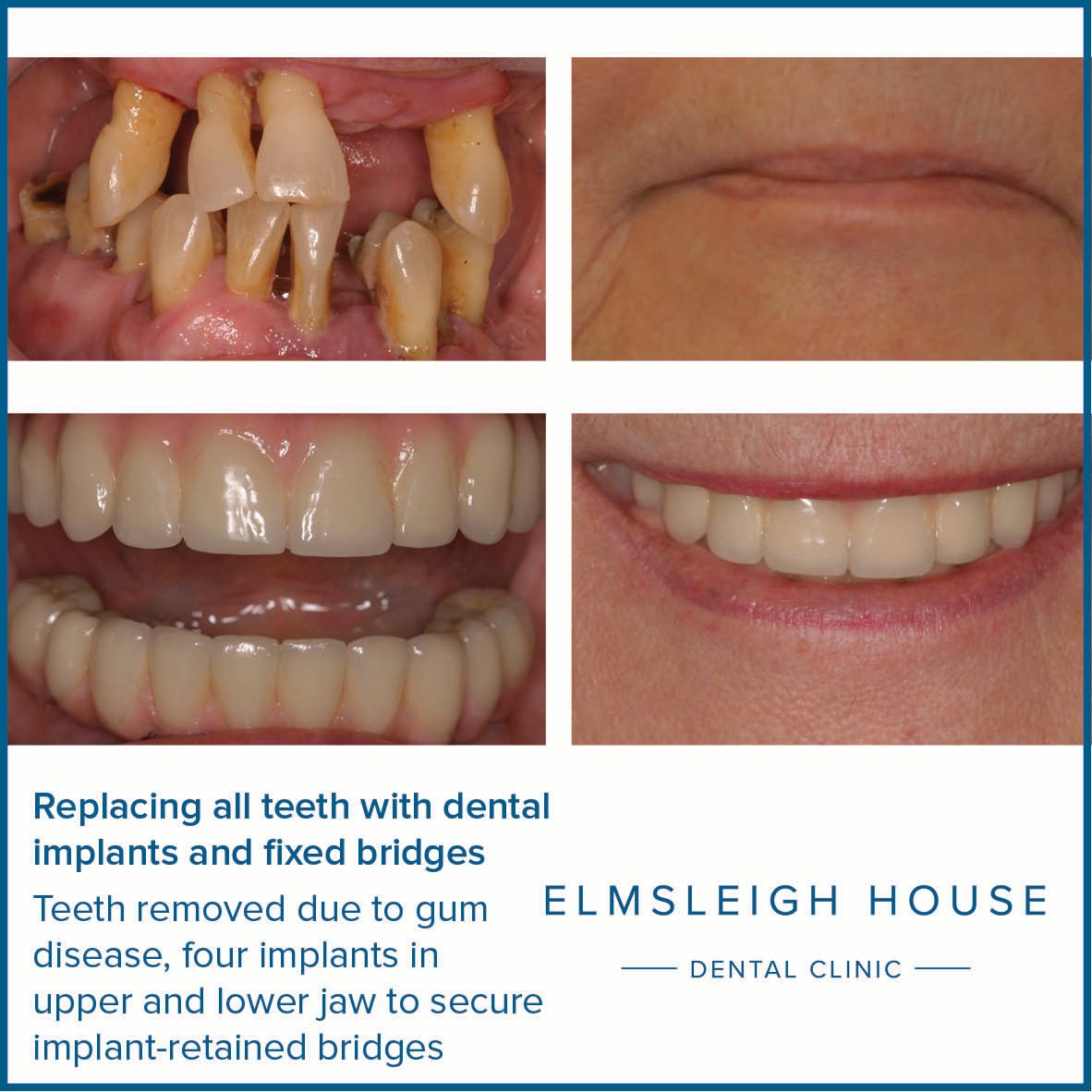
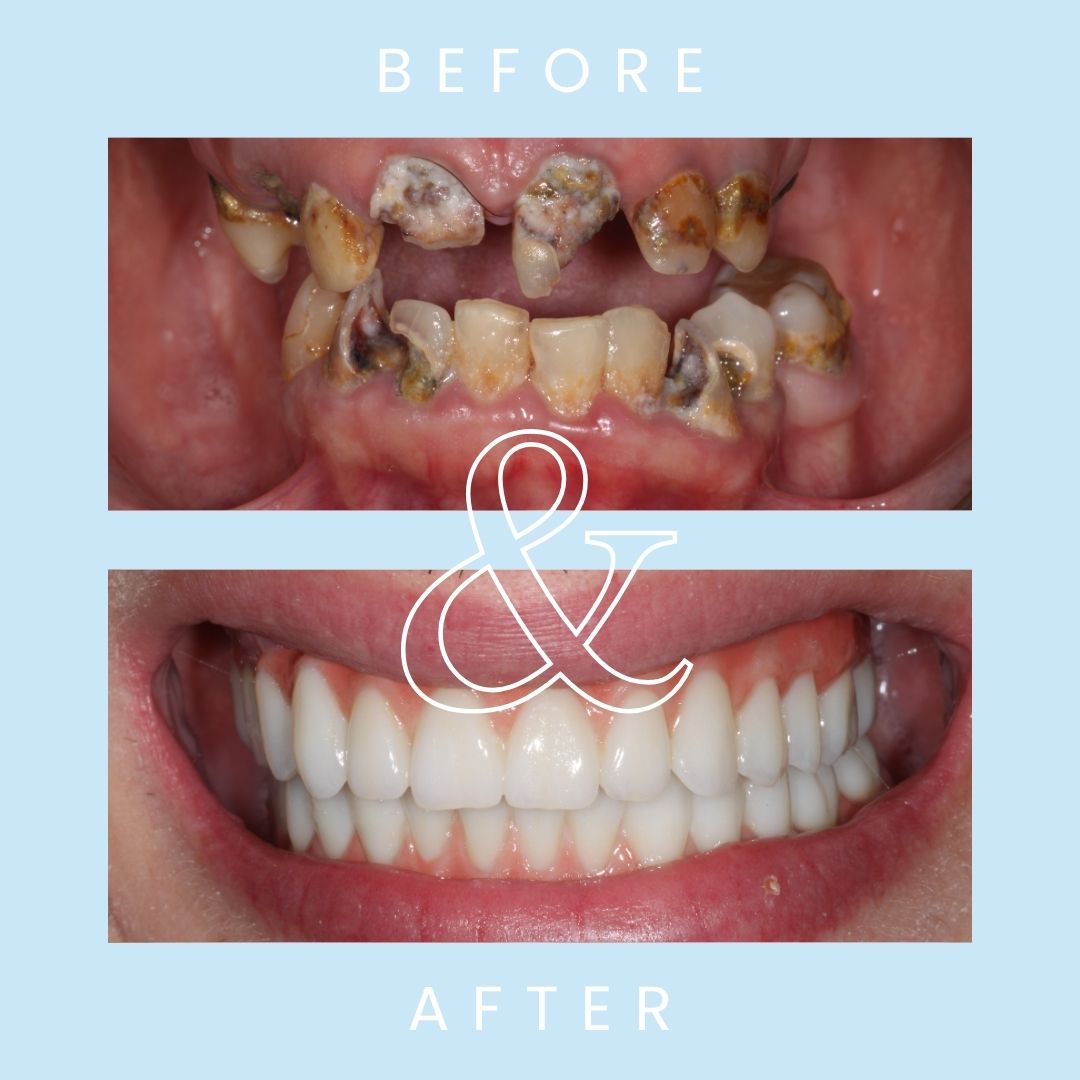
Full mouth dental implants are a comprehensive solution for replacing all teeth in either the upper or lower jaw, or both. Unlike traditional dentures that sit on top of the gums, dental implants are surgically placed into the jawbone, providing a stable and permanent foundation for replacement teeth. This typically involves placing multiple implants strategically and attaching a custom-made bridge or set of crowns to create a natural-looking and fully functional smile.
Who typically needs a full set of dental implants?
Full mouth dental implants are often recommended for individuals who:
- Have lost all or most of their teeth due to decay, gum disease, or injury.
- Are experiencing significant discomfort or difficulty with traditional dentures.
- Have sufficient bone density in their jaw to support dental implants (or are willing to undergo bone grafting).
- Desire a long-term, stable, and natural-looking solution for tooth replacement.
What makes them different from individual implants?
While individual implants replace single missing teeth, full mouth dental implants address the entire arch. This often involves fewer implants than replacing each tooth individually, thanks to techniques like All-on-4 or All-on-6, which strategically use four or six implants to support a full set of teeth. This approach can be more cost-effective and less invasive than placing numerous individual implants.
Teeth in a Day UK – Is Immediate Replacement Possible?
The concept of Teeth in a Day UK is appealing – a brand new smile in just one visit. But is it realistic and suitable for everyone? This section explores the possibilities and limitations of immediate tooth replacement.
What is the “teeth in a day” procedure?
The “teeth in a day” procedure, also known as immediate loading dental implants, involves extracting any remaining teeth, placing dental implants, and attaching a temporary set of replacement teeth all in the same day. This allows patients to leave the dental clinic with a functional and aesthetically pleasing smile without the traditional waiting period.
Can you have all teeth removed and implants placed the same day?
Yes, in many cases, it is possible to have all teeth removed and implants placed on the same day. However, this depends on several factors, including the patient’s overall health, bone density, and the absence of infection or significant gum disease. A thorough assessment by a qualified implant dentist is crucial to determine suitability.
When is immediate placement suitable?
Immediate placement is typically suitable for individuals who:
- Have good overall health and sufficient bone density.
- Do not have active infections or severe gum disease.
- Are willing to follow post-operative instructions carefully.
- Understand that the initial set of teeth is temporary and will be replaced with a permanent restoration after the implants have fully integrated with the jawbone.
Costs of Full Dental Implants UK – What to Expect
Understanding the costs of full dental implants UK is a crucial step in planning your treatment. This section breaks down the expenses involved and provides a comparison between NHS and private options.
How much does it cost to replace all teeth with implants in the UK?
The cost to replace all teeth with implants in the UK varies significantly, typically ranging from £15,000 to £30,000 or more per arch (upper or lower jaw). This figure includes the cost of extractions, implants, temporary teeth, and the final permanent restoration. The final Turkey teeth implants price isn’t a fixed number, so it’s important to get a consultation.
Cost comparison: NHS vs private treatment
Dental implants are rarely available on the NHS, except in very specific cases of medical necessity (e.g., facial trauma or congenital defects). Therefore, most individuals seeking full mouth dental implants will need to pursue private treatment. Private dental implant costs are higher but offer greater flexibility in terms of treatment options, materials, and appointment availability. Many find that Albania Dental Implants Services are a more affordable option.
What factors influence the final price?
Several factors influence the final price of full dental implants:
- Number of implants: The more implants required, the higher the cost.
- Type of implant: Different implant brands and materials have varying price points.
- Bone grafting: If bone grafting is needed to increase bone density, this will add to the overall cost.
- Type of restoration: The choice between a fixed bridge, individual crowns, or implant-supported dentures will affect the price.
- Location of the clinic: Prices can vary depending on the location of the dental clinic (e.g., London vs. other parts of the UK).
- Dentist’s experience: More experienced implant dentists may charge higher fees.
NHS vs Private Dental Implants – Availability and Coverage
Navigating the availability of NHS vs private dental implants can be confusing. This section clarifies what options are typically available through each system.
Can you get all teeth replaced with implants on the NHS?
The NHS generally does not cover the cost of dental implants for full mouth rehabilitation unless there is a clear medical need, such as reconstruction following trauma or cancer surgery. Elective full mouth dental implants are typically considered a cosmetic procedure and are therefore not funded by the NHS. For more information, see if you are able to Can I get dental implants on NHS?.
What’s usually available privately?
Private dental clinics offer a wide range of options for replacing all teeth with implants, including:
- All-on-4/All-on-6: A cost-effective solution using four or six implants to support a full arch of teeth.
- Individual implants with crowns: Replacing each missing tooth with a separate implant and crown.
- Implant-supported dentures: Dentures that attach to dental implants for increased stability and retention.
- Zirconia implants in Albania: A metal-free and aesthetically pleasing alternative to traditional titanium implants.
Waiting times and criteria
NHS dental treatment generally has longer waiting times compared to private dental care. Additionally, NHS funding for dental implants is subject to strict eligibility criteria. Private clinics typically offer more flexible appointment scheduling and a wider range of treatment options, but at a higher cost.
Dental Implant Procedure UK – Step by Step
Understanding the dental implant procedure UK can help alleviate anxiety and prepare you for the process. This section outlines the typical steps involved in full mouth dental implant treatment.
Initial assessment
The first step involves a comprehensive assessment by an implant dentist. This includes:
- A thorough medical and dental history review.
- A clinical examination of your teeth, gums, and jaw.
- X-rays or CT scans to evaluate bone density and identify any potential issues.
- A discussion of your treatment goals, options, and costs.
Tooth extraction and healing
If you have any remaining teeth that need to be removed, this is typically done prior to implant placement. The extraction sites may need several weeks or months to heal before implants can be placed.
Implant placement
Once the extraction sites have healed (or in some cases, immediately after extraction), the dental implants are surgically placed into the jawbone. This is usually done under local anaesthesia, but sedation options are available for anxious patients. The implant dentist will make small incisions in the gums to expose the bone and then carefully insert the implants.
Temporary vs permanent teeth
After implant placement, a period of healing is required to allow the implants to fuse with the jawbone (osseointegration). During this time (typically 3-6 months), you will usually wear a temporary set of teeth. Once osseointegration is complete, the permanent restoration (bridge, crowns, or denture) is attached to the implants, providing you with a functional and aesthetically pleasing smile.
Considering Immediate Loading Dental Implants in Albania? Albania Dental Implants offers a faster and more affordable route to achieving the smile of your dreams.
Recovery After Full Mouth Implants – What to Expect
Knowing what to expect during recovery after full mouth implants is crucial for a smooth healing process. This section provides guidance on pain management, diet, and post-operative care.
Pain and healing process
Some discomfort is normal after implant surgery. Pain can be managed with over-the-counter or prescription pain medication. Swelling and bruising may also occur but typically subside within a few days. It’s also vital to get enough rest during the immediate days of recovery.
Diet during recovery
During the initial healing period, it’s essential to follow a soft diet to avoid putting excessive pressure on the implants. This may include:
- Soups and broths
- Yogurt and smoothies
- Mashed potatoes
- Scrambled eggs
- Soft fruits
Post-procedure care
Proper post-operative care is essential for successful healing. This includes:
- Taking prescribed medications as directed.
- Maintaining good oral hygiene by gently brushing and rinsing with an antibacterial mouthwash.
- Avoiding smoking and alcohol.
- Attending follow-up appointments with your implant dentist.
Want to know more on What to do if your teeth are rotting and you can’t afford to fix it in the UK? Albania Dental Implants has helpful insights.
Who is Eligible for Dental Implants in the UK?
Determining who is eligible for dental implants UK involves assessing various factors related to your health and lifestyle. This section outlines the key criteria that influence suitability for full mouth dental implants.
Age and health requirements
While there is no strict upper age limit for dental implants, individuals need to be in reasonably good health to undergo the procedure. Uncontrolled medical conditions, such as diabetes or heart disease, may increase the risk of complications. Younger patients usually need to have reached full skeletal growth before considering implants. This is especially important if you are deciding if Can it be too late for dental implants?
Suitability criteria: bone density, smoking, medical conditions
Several factors can affect your suitability for dental implants:
- Bone density: Sufficient bone density in the jawbone is essential for implant stability. If bone density is inadequate, bone grafting may be required.
- Smoking: Smoking significantly increases the risk of implant failure and complications.
- Medical conditions: Certain medical conditions, such as uncontrolled diabetes, autoimmune diseases, and bleeding disorders, can affect implant success.
Can anyone get full mouth implants?
While dental implants are a viable option for many, they are not suitable for everyone. A thorough assessment by an implant dentist is essential to determine your individual suitability and identify any potential risks or complications.
Risks of Full Mouth Dental Implants – Complications and Considerations
Being aware of the potential risks of full mouth dental implants is important for making an informed decision. This section discusses common complications and considerations associated with the procedure.
Common risks and complications
As with any surgical procedure, dental implants carry some risks, including:
- Infection: Infection at the implant site can occur, requiring antibiotic treatment or, in rare cases, implant removal.
- Nerve damage: Nerve damage can result in numbness or tingling in the lips, chin, or tongue.
- Sinus problems: Upper implants may sometimes protrude into the sinus cavity, causing sinus congestion or infection.
- Implant failure: In some cases, the implant may fail to fuse with the jawbone, requiring replacement.
Long-term maintenance
Dental implants require ongoing maintenance to ensure their long-term success. This includes:
- Maintaining excellent oral hygiene through regular brushing, flossing, and professional cleanings.
- Avoiding smoking and excessive alcohol consumption.
- Attending regular check-up appointments with your dentist.
Find out more about How to clean under all 4 implants, so you can properly take care of your dental needs.
When implants may not be recommended
Dental implants may not be recommended in certain situations, such as:
- Individuals with uncontrolled medical conditions.
- Heavy smokers.
- Individuals with insufficient bone density.
- Those unwilling to commit to long-term maintenance.
How Long Do Dental Implants Last in the UK?
Understanding how long do dental implants last in the UK is essential for making a sound investment in your oral health. This section explores the longevity of implants and the factors that influence their lifespan.
Longevity statistics
Dental implants are generally considered a long-lasting tooth replacement solution. Studies have shown that dental implants have a success rate of 90-95% over a 10-year period. With proper care and maintenance, many implants can last for 20 years or more.
What affects implant lifespan?
Several factors can affect the lifespan of dental implants:
- Oral hygiene: Maintaining excellent oral hygiene is crucial for preventing gum disease and peri-implantitis (inflammation around the implant), which can lead to implant failure.
- Smoking: Smoking significantly reduces implant lifespan.
- Overall health: Medical conditions like diabetes can affect implant success.
- Biting forces: Excessive biting forces or teeth grinding can put stress on the implants and shorten their lifespan.
- Maintenance: Regular check-up appointments with your dentist are essential for detecting and addressing any potential issues early on.
Is there a downside to dental implants? See Albania Dental Implants for more.
Aftercare tips for durability
To maximize the lifespan of your dental implants:
- Brush your teeth at least twice a day with a soft-bristled toothbrush.
- Floss daily to remove plaque and debris from around the implants.
- Use an antibacterial mouthwash to help prevent gum disease.
- Avoid smoking and excessive alcohol consumption.
- Attend regular check-up appointments with your dentist.
- Consider a nightguard if you grind your teeth.
Alternatives to Dental Implants in the UK
If dental implants aren’t the right choice for you, several alternatives to dental implants are available in the UK. This section explores dentures and bridges as viable options for tooth replacement.
Dentures
Dentures are removable appliances that replace missing teeth. They can be either full dentures (replacing all teeth in a jaw) or partial dentures (replacing some teeth). Dentures are a more affordable option than dental implants but may not be as stable or comfortable. Snap-in dentures are cheaper than implants.
Bridges
A dental bridge is a fixed restoration that spans the gap created by one or more missing teeth. The bridge is supported by the adjacent teeth, which are crowned to provide stability. Bridges are less invasive than dental implants but may require altering the adjacent teeth.
Who should consider alternatives?
Alternatives to dental implants may be a better option for individuals who:
- Have insufficient bone density for implants.
- Have certain medical conditions that make implants risky.
- Are looking for a more affordable tooth replacement solution.
- Prefer a less invasive procedure.
For those on a budget, see: What is the Cheapest Way to Replace Missing Teeth in the UK?
FAQ Section
Can I have all my teeth removed and replaced with implants in the UK?
Yes, it is possible to have all your teeth removed and replaced with dental implants in the UK. The procedure is typically done in stages, starting with extractions (if necessary), followed by implant placement and finally, the attachment of a permanent set of teeth.
Is it safe to have all teeth extracted for implants?
Yes, it is generally safe to have all teeth extracted for implants, provided that the procedure is performed by a qualified and experienced oral surgeon or dentist. As with any surgical procedure, there are some risks involved, such as infection, bleeding, and nerve damage, but these risks are typically low when proper precautions are taken.
How soon after tooth removal can implants be placed?
Implants can be placed immediately after tooth removal (immediate implant placement) or after a period of healing (delayed implant placement). Immediate implant placement can shorten the overall treatment time, but it is not always possible due to factors such as infection or bone density. How long does it take to remove all teeth and get implants? The answer varies based on individual cases.
Is the procedure painful?
Some discomfort is normal after implant surgery, but pain can be managed with over-the-counter or prescription pain medication. The procedure itself is typically performed under local anaesthesia, so you should not feel any pain during the surgery.
Are there finance or payment options for full mouth dental implants?
Yes, many dental clinics offer finance or payment options to help patients manage the cost of full mouth dental implants. These options may include payment plans, dental loans, or financing through third-party providers. It’s also worth exploring options for how to afford dental implants in the UK.
How many appointments will I need?
The number of appointments needed for full mouth dental implants varies depending on the individual case and treatment plan. However, you can typically expect to have several appointments for the initial assessment, extractions (if needed), implant placement, and the fitting of your temporary and permanent teeth.
What if I’m not suitable for full mouth implants?
If you are not suitable for full mouth implants due to factors such as insufficient bone density or medical conditions, there are alternative options available, such as dentures or bridges. You can also discuss options like bone grafting in Albania.
Can I choose the appearance/shape/shade of my new teeth?
Yes, you can typically choose the appearance, shape, and shade of your new teeth. Your dentist will work with you to create a smile that looks natural and complements your facial features.
Are there any dietary restrictions after getting implants?
Yes, there are typically some dietary restrictions after getting implants, particularly during the initial healing period. You will usually need to follow a soft diet to avoid putting excessive pressure on the implants. It is important to consider if you Can You Eat Steak With All On Four Implants? during this time.
What if I have existing health conditions?
If you have existing health conditions, it is important to discuss them with your dentist before undergoing dental implant treatment. Certain medical conditions, such as uncontrolled diabetes, autoimmune diseases, and bleeding disorders, can affect implant success. Your dentist may need to work with your physician to manage your health conditions and ensure that you are a suitable candidate for dental implants.
Considering Dental Tourism?
With Albania Dental Implants, achieving that dream smile is closer than you think. Experience world-class dental care, explore beautiful Albania, and save significantly on the cost of your treatment. Contact us today to schedule a consultation and learn more about our full mouth dental implant solutions!





