



NHS dental implants eligibility
When it comes to NHS dental implants eligibility, it’s important to understand who might qualify. While dental implants are an effective solution for missing teeth, the NHS has strict criteria for providing them.
Who might qualify for implants under the NHS
Generally, the NHS prioritizes cases where dental implants are deemed medically necessary. This typically includes situations where tooth loss has resulted from trauma, cancer treatment, or congenital conditions. In these cases, restoring dental function is considered essential for overall health and well-being.
Criteria for approval
The NHS assesses each case individually, considering factors such as the patient’s overall health, the impact of tooth loss on their quality of life, and the potential benefits of dental implants. Approval is more likely if the implants are seen as the only viable option to restore essential functions like chewing and speech.
Typical patient scenarios
Examples of patients who might qualify for NHS-funded dental implants include:
- Individuals who have lost teeth due to an accident or injury affecting their mouth and jaw.
- Cancer patients who have undergone surgery or radiation therapy that has resulted in tooth loss.
- People with congenital conditions, such as ectodermal dysplasia, which affects the development of teeth.
NHS dental costs vs private alternatives
Understanding NHS dental costs is essential when considering your options for dental implants. While the NHS may cover some cases, it’s crucial to compare these costs with private alternatives.
Comparison with private fees
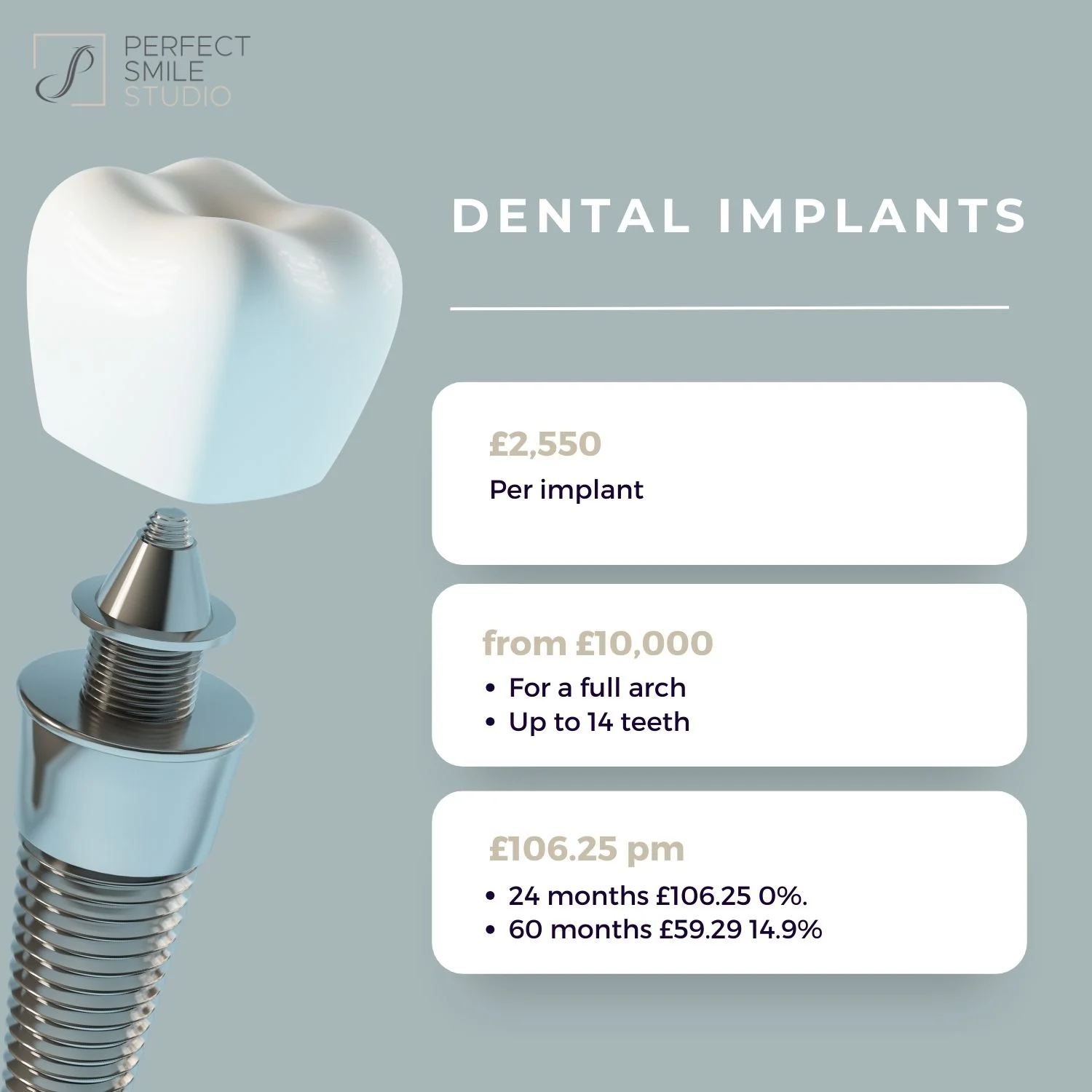
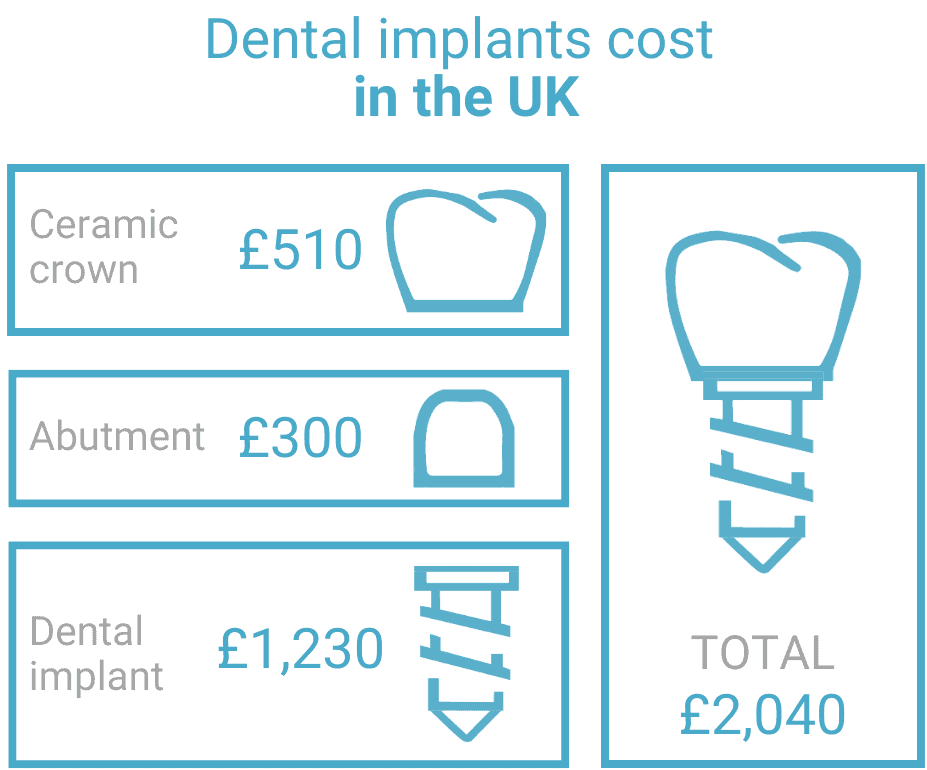
NHS dental treatment is subsidised, making it more affordable than private dental care. However, the availability of dental implants on the NHS is limited. Private dental implant costs can vary significantly depending on the complexity of the case, the materials used, and the dentist’s experience. In the UK, a single dental implant can range from £2,500 to £4,000. Whereas, exploring options for Albania Dental Implants can significantly reduce these costs.
What NHS covers
The NHS operates on a banding system for dental charges. As of 2024, the bands are:
- Band 1: £26.80 – covers examinations, diagnosis, and advice, as well as preventative care like scaling and polishing.
- Band 2: £73.50 – covers everything listed in Band 1, plus additional treatments such as fillings, root canal treatment, and extractions.
- Band 3: £319.10 – covers everything listed in Bands 1 and 2, plus more complex procedures like crowns, dentures, and bridges.
Dental implants typically fall outside these bands unless there is a clear medical need.
Private vs NHS implants
When considering Private vs NHS implants, several key differences emerge. These differences span procedure, aftercare, and, most notably, cost.
Key differences, procedure, aftercare, cost
- Availability: NHS implants are very limited, focusing on medical necessity. Private implants are more readily available to those who can afford them.
- Cost: NHS implants are significantly cheaper (if you qualify) due to subsidies. Private implants can be expensive, with costs varying widely.
- Materials and Technology: Private clinics often offer a wider range of implant materials and advanced technologies, such as immediate loading implants and zirconia implants in Albania.
- Waiting Times: NHS waiting lists can be long, while private clinics typically offer quicker appointments.
- Aftercare: Both NHS and private clinics provide aftercare, but private clinics may offer more comprehensive follow-up services.
How to get dental implants on NHS
If you’re exploring How to get dental implants on NHS, it’s essential to understand the process, which can be lengthy and require specific criteria.
Step-by-step: Referral, waiting lists, assessment
- Initial Consultation: Visit your general dentist for an examination and discussion of your concerns.
- Referral: If your dentist believes you meet the criteria for NHS-funded implants, they will refer you to a specialist dental clinic or hospital.
- Assessment: The specialist will assess your case, considering your medical history, the impact of tooth loss, and the potential benefits of implants.
- Waiting List: If approved, you will be placed on a waiting list, which can vary in length depending on the clinic and the urgency of your case.
- Treatment: Once your name is called, you will undergo the dental implant procedure.
NHS dental implant waiting time
The NHS dental implant waiting time can be considerable, often ranging from several months to over a year. This delay is due to limited funding and high demand for the procedure. If time is a concern, exploring private options or dental tourism might be more suitable.
How long does it take to get dental implants through the NHS?
The waiting period for NHS dental implants can be extensive, ranging from several months to over a year, influenced by clinic availability and the urgency of your case. If you need immediate solutions, alternatives like private options or exploring dental tourism might be worth considering.
Alternatives to dental implants on the NHS
When considering Alternatives to dental implants NHS, dentures and bridges are the most common options. These alternatives offer different benefits and drawbacks, so it’s important to weigh them carefully.
Dentures and bridges
Dentures are removable appliances that replace missing teeth. They can be full (replacing all teeth in an arch) or partial (replacing some teeth). Bridges, on the other hand, are fixed appliances that attach to adjacent teeth to fill the gap left by a missing tooth.
Pros and cons
Dentures:
- Pros: More affordable than implants, non-invasive, can improve appearance and function.
- Cons: Can be uncomfortable, may affect speech and taste, require regular cleaning and adjustments.
Bridges:
- Pros: Fixed in place, more stable than dentures, can restore natural appearance.
- Cons: Require altering adjacent teeth, may not be suitable for all cases, can be more expensive than dentures.
What are alternatives to NHS dental implants?
For those seeking alternatives to NHS dental implants, options like dentures and bridges are common. Dentures are removable and more budget-friendly but may require adjustments, while bridges are fixed and offer stability but require altering adjacent teeth. Consider the pros and cons of each to find the best fit for your needs.
Medical necessity and special cases
The concept of Medical necessity dental implants NHS plays a crucial role in determining eligibility for funding. Understanding when implants are considered “medically necessary” can help you navigate the application process.
When implants are “medically necessary”
The NHS typically deems dental implants medically necessary when tooth loss significantly impacts a patient’s health and well-being. This includes cases where the absence of teeth affects chewing, speech, or facial structure.
Examples (trauma, cancer, congenital conditions)
Specific examples where implants may be considered medically necessary include:
- Trauma: Tooth loss resulting from accidents or injuries to the face and mouth.
- Cancer Treatment: Tooth loss due to surgery, radiation, or chemotherapy for oral cancer.
- Congenital Conditions: Genetic disorders like ectodermal dysplasia that affect tooth development.
Why does the NHS rarely pay for dental implants?
The NHS rarely covers dental implants due to limited funding and high demand, prioritizing cases where tooth loss severely impacts health, like after trauma or cancer treatment. If your situation doesn’t meet these criteria, alternative solutions may be more accessible.
NHS funding process and potential changes
Navigating the NHS funding for dental care can be complex. Understanding how funding decisions are made and whether there are regional variations can help you better understand your options.
How funding decisions are made
NHS funding for dental care is allocated by the government to local Clinical Commissioning Groups (CCGs). These CCGs then determine how to distribute the funds among various dental services, including implants. Decisions are based on local needs, priorities, and budget constraints.
Regional variations
There can be significant regional variations in the availability of NHS-funded dental implants. Some CCGs may have more generous funding policies than others, resulting in differences in access to treatment. It’s essential to check with your local CCG to understand the specific guidelines in your area.
Is it possible to appeal a decision if NHS funding is refused?
Yes, you can appeal if NHS funding for dental implants is refused. Begin by formally writing to the dental provider or the NHS commissioning body that made the decision, outlining your reasons for appeal and providing any additional supporting information. Be sure to follow their specific appeals process and seek advice from patient advocacy groups if needed.
Navigating the Cost Barrier: Exploring Options Beyond the NHS
While the NHS provides essential dental care, the stringent criteria for dental implants often leave individuals searching for alternatives. The high cost of private dental implants in the UK can be a significant barrier, but it’s essential to remember that options exist to make this life-changing treatment more accessible.
Dental Tourism: A Cost-Effective Solution
Dental tourism has emerged as a popular and viable option for those seeking affordable dental care without compromising quality. Countries like Albania offer dental implants at significantly lower prices compared to the UK, making it possible to achieve a healthy and confident smile without breaking the bank. With Albania Dental Implants, you can save up to 70% on the cost of dental implants while receiving top-notch care from experienced professionals.
Why Albania?
Albania has become a sought-after destination for dental tourism due to several factors:
- Affordable Prices: Dental implant costs in Albania are significantly lower than in the UK, making it a cost-effective option.
- High-Quality Care: Albanian dental clinics adhere to strict international standards, ensuring high-quality treatment.
- Experienced Dentists: Albania boasts skilled and experienced dentists who are trained in the latest techniques.
- State-of-the-Art Facilities: Clinics are equipped with modern technology and equipment, ensuring safe and effective procedures.
- Beautiful Destination: Combine your dental treatment with a relaxing vacation in a beautiful country.
How much do NHS dental implants cost?
NHS dental implants follow a banding system. Band 3 covers complex procedures like crowns, dentures, and bridges at £319.10, but implants typically fall outside this band unless medically necessary. Private alternatives offer a wider range of materials and technologies, though at a higher cost.
Case Study: From NHS Waiting List to Confident Smile in Albania
Sarah, a 45-year-old from Manchester, had been on the NHS waiting list for dental implants for over a year after losing two teeth in an accident. Frustrated with the long wait and the impact on her confidence, she began exploring alternatives. After researching dental tourism, she discovered Albania Dental Implants and was impressed by the positive reviews and affordable prices.
Sarah contacted Albania Dental Implants and received a personalized treatment plan that included two dental implants and a relaxing stay in Tirana. The total cost was significantly lower than the quotes she had received from private clinics in the UK. Sarah traveled to Albania and was delighted with the professionalism of the dental team and the quality of care she received.
Within a week, Sarah had her new dental implants and a renewed sense of confidence. She returned to the UK with a bright, healthy smile and a memorable experience. Sarah’s story is just one example of how dental tourism can provide a cost-effective and high-quality solution for those seeking dental implants.
Are NHS dental implants free?
NHS dental implants are generally not free. They are typically only covered when deemed medically necessary due to trauma, cancer treatment, or congenital conditions. In such cases, the patient would still need to pay the standard NHS Band 3 charge of £319.10.
Take the Next Step Towards a Confident Smile
If you’re considering dental implants and are concerned about the cost and availability in the UK, Albania Dental Implants offers a compelling solution. Our experienced team of dentists, state-of-the-art facilities, and affordable prices make us a leading destination for dental tourism.
Don’t let missing teeth hold you back any longer. Contact Albania Dental Implants today to schedule a consultation and learn more about how we can help you achieve a healthy and confident smile.
FAQ – Your Questions Answered
Here are some frequently asked questions about NHS dental implants and alternative solutions:
Who qualifies for NHS dental implants?
Qualifications for NHS dental implants depend on medical necessity, such as tooth loss from trauma or cancer treatment. The NHS prioritizes cases significantly impacting health and well-being, requiring individual assessment and specialist referral.
Do NHS dental bands cover dental implants?
NHS dental bands typically don’t cover dental implants unless there’s a clear medical need, like tooth loss due to trauma or cancer treatment. Standard procedures like crowns, dentures, and bridges are covered under Band 3, but implants usually require separate funding.
NHS funding process and potential changes
Navigating the NHS funding for dental care can be complex. Understanding how funding decisions are made and whether there are regional variations can help you better understand your options.
How funding decisions are made
NHS funding for dental care is allocated by the government to local Clinical Commissioning Groups (CCGs). These CCGs then determine how to distribute the funds among various dental services, including implants. Decisions are based on local needs, priorities, and budget constraints.
Regional variations
There can be significant regional variations in the availability of NHS-funded dental implants. Some CCGs may have more generous funding policies than others, resulting in differences in access to treatment. It’s essential to check with your local CCG to understand the specific guidelines in your area.
Ready to Transform Your Smile? Contact Us Today!
Don’t let the cost of dental implants in the UK prevent you from achieving the smile you deserve. Contact Albania Dental Implants today to learn more about our affordable dental tourism packages and start your journey towards a confident, healthy smile. Our friendly team is ready to answer your questions and guide you through the process.
Take the first step towards a brighter future. Contact us now!