


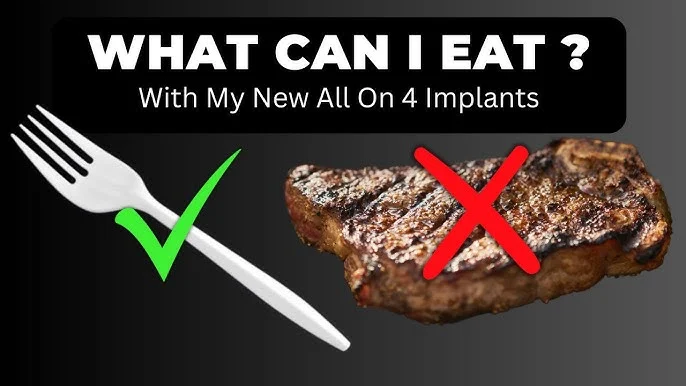
Can you eat steak with all on four implants? This is a common question among new dental implant patients.
What Are All On Four Implants?
Understanding all on 4 dental implants explained is crucial before considering this life-changing procedure. All-on-four implants are a revolutionary solution for replacing an entire arch of missing teeth, providing a functional and aesthetically pleasing result. At Albania Dental Implants, we offer comprehensive all on 4 dental implants in Albania services to help you regain your smile and confidence.
Definition and Overview
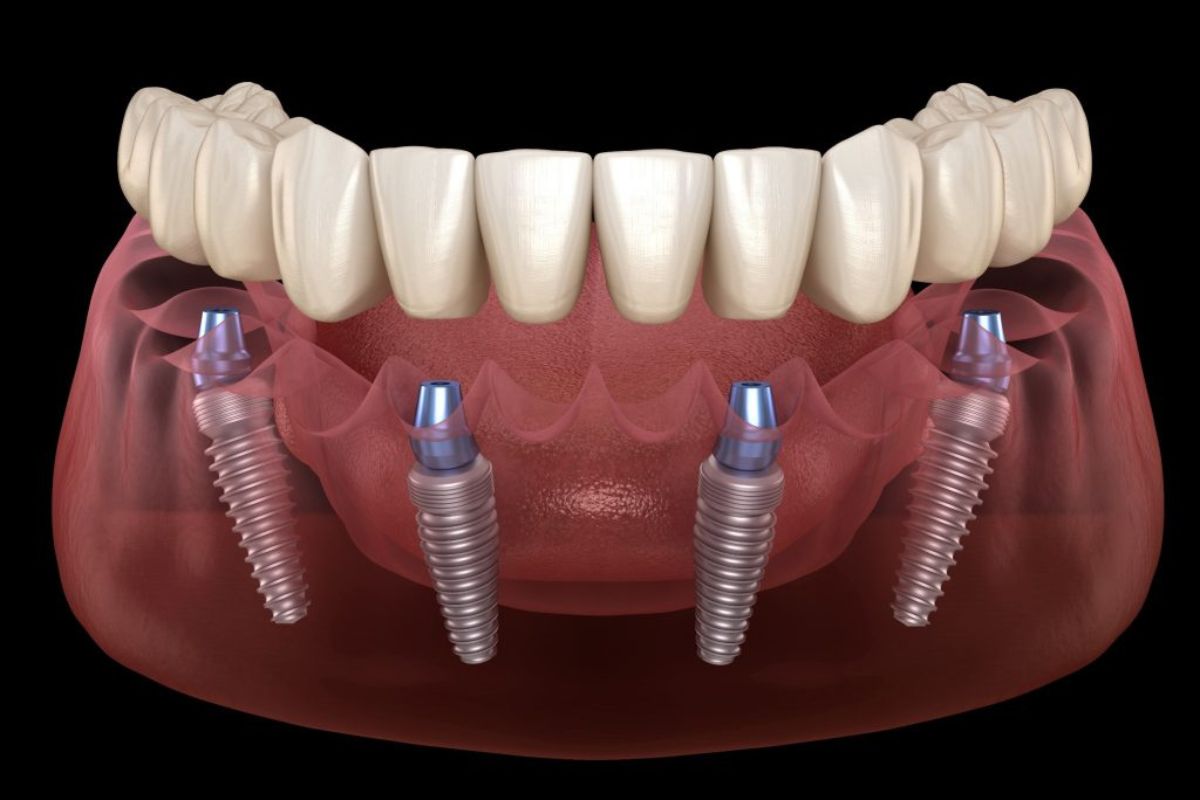
All-on-four implants are a specific type of dental implant procedure used to replace all of the teeth in either the upper or lower jaw, or both. Unlike traditional implants where each tooth is individually replaced, the all-on-four technique uses just four implants to support an entire arch of teeth. This makes it a more efficient and often more affordable option than traditional methods.
How All-on-Four Implants Work
The all-on-four technique involves strategically placing two implants vertically in the front of the jaw and two implants angled at the back. This angling allows for maximum use of existing bone, often eliminating the need for bone grafting in Albania. The implants act as anchors for a full set of prosthetic teeth, which are securely attached to the implants.
- Assessment and Planning: A thorough examination, including scans and X-rays, is conducted to assess bone density and structure.
- Implant Placement: Four titanium implants are surgically placed into the jawbone.
- Prosthetic Attachment: A temporary set of teeth is attached to the implants, often on the same day.
- Osseointegration: Over the next few months, the implants fuse with the jawbone in a process called osseointegration.
- Permanent Restoration: Once osseointegration is complete, a permanent set of teeth is custom-made and attached to the implants.
Who is a Candidate for All-on-Four?
The ideal candidate for all-on-four implants includes individuals who:
- Have lost most or all of their teeth in one or both jaws.
- Have sufficient bone density to support implants (or are willing to undergo bone grafting if needed).
- Are in good general health.
- Are committed to maintaining good oral hygiene.
Individuals with uncontrolled diabetes, severe gum disease, or those who smoke heavily may not be ideal candidates. A consultation with a dentist at Albania Dental Implants can help determine if you are a suitable candidate for this procedure. With Albania Dental Implants Services our team will be able to explain the process in detail and answer any questions.
Eating With All On Four Implants: What to Expect
Adjusting to eating with all on 4 implants requires understanding the recovery process and making gradual changes to your diet. Proper care during the initial healing phases ensures the long-term success of your implants. Albania Dental Implants provides comprehensive post-operative care instructions to guide you through this transition.
General Recovery Timeline for Eating After Surgery
Immediately following surgery, your diet will be restricted to liquids and very soft foods. This allows the surgical sites to heal without being disturbed. The timeline for progressing to a normal diet typically looks like this:
- First Few Days: Liquid diet (broth, smoothies, protein shakes).
- First Few Weeks: Soft food diet (mashed potatoes, yogurt, applesauce).
- Several Weeks to Months: Gradual introduction of semi-soft and firmer foods.
It’s crucial to follow your dentist’s instructions carefully to avoid complications.
When a Normal Diet Can Be Resumed
The time it takes to resume a normal diet varies from person to person, but it generally takes several weeks to a few months. Full osseointegration, the process of the implants fusing with the jawbone, typically takes around 3 to 6 months. Once your dentist confirms that the implants are stable and healing is progressing well, you can gradually start introducing harder foods.
Foods Typically Recommended in Each Stage
Here’s a breakdown of the types of foods recommended at each stage of recovery:
- Liquid Diet:
- Broth
- Smoothies (without seeds)
- Protein shakes
- Juice
- Soft Food Diet:
- Mashed potatoes
- Yogurt
- Applesauce
- Puddings
- Cooked cereals
- Semi-Soft Food Diet:
- Soft pasta
- Well-cooked vegetables
- Ground meat
- Soft fruits (peeled)
- Normal Diet: Gradual reintroduction of tougher foods like steak, nuts, and raw vegetables.
Remember to chew slowly and carefully, and cut food into small pieces.
Can You Eat Steak With All On Four Implants?
The million-dollar question: chewing steak with dental implants, is it possible? Eating steak with all-on-four implants is achievable, but it requires patience, proper healing, and adopting mindful eating habits. Albania Dental Implants emphasizes the importance of following post-operative guidelines to ensure a smooth transition to enjoying your favorite foods.
Factors Affecting Ability to Eat Steak
Several factors influence your ability to eat steak comfortably and safely with all-on-four implants:
- Healing: Adequate healing time is crucial for the implants to integrate fully with the jawbone.
- Bone Integration: Strong bone integration provides stability and support for chewing.
- Prosthetic Fit: A well-fitted prosthetic ensures even distribution of pressure when chewing.
If any of these factors are compromised, eating tough foods like steak can be problematic.
Professional Dental Advice on Tough Foods
Dentists generally advise avoiding tough, chewy, or hard foods during the initial healing phase. Eating these foods too soon can put excessive stress on the implants, potentially leading to complications. After the implants have fully integrated, your dentist at Albania Dental Implants can provide personalized advice on safely reintroducing tougher foods.
Step-by-Step Progression to Eating Tougher Foods
The key to successfully reintroducing steak and other tough foods is a gradual progression:
- Start with Softer Meats: Begin with ground meat, shredded chicken, or fish.
- Cut Food into Small Pieces: Reduce the amount of force needed to chew.
- Chew Slowly and Carefully: Pay attention to how your mouth feels and avoid overexertion.
- Choose Tender Cuts of Steak: Opt for cuts like filet mignon that are naturally more tender.
- Cook Steak Properly: Ensure the steak is cooked to a tenderness that is easy to manage.
Tips for Chewing Steak Safely After Healing
Once you’re ready to try steak, follow these tips:
- Use a Sharp Knife: Cut the steak into small, manageable pieces.
- Chew on Both Sides of Your Mouth: Distribute the chewing force evenly.
- Avoid Tearing: Don’t try to tear the steak with your teeth.
- Listen to Your Body: If you experience any discomfort, stop eating steak and consult your dentist.
Foods to Avoid With All On Four Implants
Knowing which foods to avoid with all on 4 implants is essential for protecting your investment and ensuring the longevity of your new teeth. Certain foods can pose a risk to the implants and the prosthetic, especially during the initial healing period.
List of Problematic Foods
The following types of foods should be avoided or consumed with caution:
- Sticky Foods: Caramel, taffy, chewing gum.
- Hard Foods: Nuts, hard candy, ice.
- Chewy Foods: Tough meats, jerky.
- Crunchy Foods: Popcorn, chips.
- Small, Hard Particles: Seeds, small bones.
Explanation of Why These Foods Are Risky
These foods are risky for several reasons:
- Sticky Foods: Can adhere to the implants and prosthetic, making them difficult to clean and potentially leading to bacterial buildup.
- Hard Foods: Can put excessive force on the implants, increasing the risk of damage or failure.
- Chewy Foods: Require significant chewing force, which can strain the implants and cause discomfort.
- Crunchy Foods: Small fragments can get lodged between the implants and prosthetic, causing irritation and potential infection.
- Small, Hard Particles: Can also get trapped and cause irritation.
How Long to Avoid Specific Foods
The duration for which you should avoid these foods depends on the stage of your recovery:
- Immediately After Surgery (First Few Weeks): Avoid all of the above foods.
- During Osseointegration (Several Months): Continue to avoid hard, chewy, and sticky foods.
- Long-Term: While you can gradually reintroduce some of these foods, it’s best to consume them in moderation and with caution.
Best Foods During Recovery and Beyond
Choosing the best foods for all on 4 implant recovery is essential for a smooth healing process and maintaining optimal nutrition. A well-planned diet can support bone integration and minimize discomfort.
Suggested Foods Immediately After Surgery
In the days immediately following surgery, focus on a liquid diet that requires no chewing:
- Broth: Provides essential nutrients and hydration.
- Smoothies: Blend soft fruits (banana, berries) with yogurt or protein powder for added nutrition.
- Protein Shakes: Help promote healing and maintain muscle mass.
- Apple Juice: Make sure that there is no pulp.
Transition Phases to Firmer Foods
As you heal, gradually transition to softer foods that require minimal chewing:
- Mashed Potatoes: Easy to swallow and digest.
- Yogurt: Provides protein and calcium.
- Applesauce: A good source of fiber.
- Soft Pasta: Cooked until very tender.
- Well-Cooked Vegetables: Such as carrots and squash.
Signs You Are Ready for Tougher Foods Like Steak
Before attempting to eat tougher foods like steak, consider these signs:
- No Pain or Discomfort: You should be able to eat soft foods without any pain or discomfort.
- Good Implant Stability: Your dentist has confirmed that the implants are well-integrated with the bone.
- Proper Bite Alignment: Your bite feels comfortable and even.
- Adequate Chewing Ability: You can chew softer foods effectively.
If you experience any of these symptoms, consult with Albania Dental Implants before advancing your diet.
How to Maintain Your All On Four Implants for Optimal Eating
Maintaining all-on-4 implants is crucial for their long-term success and your ability to enjoy a variety of foods. Proper oral hygiene practices and regular dental check-ups are essential for preventing complications and ensuring the longevity of your implants. At Albania Dental Implants, we provide comprehensive maintenance guidelines to help you care for your new teeth.
Oral Hygiene Practices
Maintaining good oral hygiene is paramount for the health of your implants. Here are some key practices:
- Brush Regularly: Brush your teeth at least twice a day with a soft-bristled toothbrush.
- Use Interdental Brushes: Clean between the implants and under the prosthetic with interdental brushes.
- Use a Water Flosser: A water flosser can help remove food particles and bacteria from hard-to-reach areas.
- Antimicrobial Mouthwash: Rinse with an antimicrobial mouthwash to kill bacteria and prevent infection.
Regular Dental Check-Ups
Regular dental check-ups are essential for monitoring the health of your implants and addressing any potential issues early on. During these visits, your dentist will:
- Examine Your Implants: Check for signs of infection, inflammation, or loosening.
- Clean Your Teeth: Remove plaque and tartar buildup.
- Adjust Your Prosthetic: Ensure the prosthetic fits properly and is not causing any discomfort.
Schedule regular check-ups with Albania Dental Implants to keep your implants in top condition.
Protecting Implants From Damage When Eating
To protect your implants from damage, follow these guidelines when eating:
- Avoid Hard and Sticky Foods: Limit your consumption of foods that can damage your implants.
- Cut Food into Small Pieces: Reduce the amount of force needed to chew.
- Chew Slowly and Carefully: Pay attention to how your mouth feels and avoid overexertion.
- Use Proper Utensils: Use a sharp knife to cut tough foods into manageable pieces.
Real Patient Experiences: Eating Steak With All On Four
Hearing about real patient experiences eating steak with implants can provide valuable insights and reassurance. Many individuals who have undergone all-on-four implant procedures have successfully reintroduced steak into their diet with proper care and precautions.
Brief Anecdotes/Testimonials
- “I was nervous about eating steak after getting my implants, but by following my dentist’s advice and cutting it into small pieces, I can now enjoy a steak without any problems!” – John, UK
- “It took a few months, but I can now eat anything I want, including steak! The key is to chew slowly and be patient.” – Sarah, Albania.
Common Challenges and Solutions
Some common challenges patients face when reintroducing steak include:
- Discomfort While Chewing: Solution – Cut the steak into smaller pieces and chew slowly.
- Difficulty Biting: Solution – Choose more tender cuts of steak.
- Fear of Damaging Implants: Solution – Follow your dentist’s instructions and attend regular check-ups.
Advice From Experienced Patients
Here’s some advice from experienced patients who have successfully reintroduced steak into their diet:
- “Be patient and don’t rush the process. It takes time for your mouth to adjust.”
- “Listen to your body and stop eating steak if you experience any discomfort.”
- “Maintain good oral hygiene to prevent complications.”
Your journey to enjoying all your favorite foods, including steak, can be a success with the right approach and care. Consider dental tourism in Albania to benefit from lower costs.
Frequently Asked Questions (FAQ)
Can I eat steak right after getting all on four implants?
No, you cannot eat steak immediately after getting all-on-four implants. Your mouth needs time to heal, and your diet will be restricted to liquids and very soft foods for the first few weeks. Eating steak too soon can put excessive pressure on the implants and hinder the healing process.
How long after surgery until I can eat steak?
The timeline varies, but generally, you should wait several weeks to a few months before attempting to eat steak. Full osseointegration, the process of the implants fusing with the jawbone, typically takes 3 to 6 months. Consult with your dentist at Albania Dental Implants before reintroducing steak to your diet.
Are there any risks to eating tough meats with all on 4 implants?
Yes, there are risks to eating tough meats too soon or without proper care. These risks include:
- Implant damage or failure
- Discomfort or pain
- Inflammation or infection
- Damage to the prosthetic teeth
Do I need to cut steak differently or chew more carefully?
Yes, you will need to cut steak into smaller, more manageable pieces and chew more carefully. Avoid tearing the steak with your teeth and chew slowly, using both sides of your mouth to distribute the force evenly.
Will eating steak damage my dental implants?
Eating steak is unlikely to damage your dental implants if you follow your dentist’s advice and take proper precautions. However, eating tough meats too soon or without proper care can increase the risk of complications.
Are there other foods I should avoid with all on four?
Yes, in addition to tough meats, you should also avoid sticky, hard, chewy, and crunchy foods, especially during the initial healing phase. These foods can damage your implants or prosthetic teeth and hinder the healing process. The cost of dental implants in Albania can be kept low if one protects the long term health of the implants.
What are the best practices for eating out with dental implants?
When eating out with dental implants, consider these best practices:
- Choose softer options on the menu
- Cut your food into small pieces
- Chew slowly and carefully
- Avoid foods that are known to be problematic
- Be discreet about any adjustments you need to make
Conclusion
Enjoying steak with all on four implants is possible with the right approach. Can you eat steak with all on four implants? Yes, but patience, proper healing, and mindful eating habits are key. Following your dentist’s instructions and maintaining good oral hygiene are essential for protecting your investment and ensuring the long-term success of your implants. Consult with Albania Dental Implants for personalised recommendations and guidance on reintroducing your favorite foods. Contact contact Albania dental implants today.