




Can you get a toothache with a crown is a common concern for people who have received dental crowns and are still experiencing dental pain. At Albania Dental Implants, we understand that experiencing tooth pain after investing in a dental crown can be frustrating. This article explores the reasons behind this pain, how to identify potential problems, and what treatment options are available to restore your comfort and oral health. If you are considering dental work, exploring options like dental tourism in Albania with Albania Dental Implants may be beneficial.
Why Toothache May Occur Even With a Crown
Even with a protective crown, toothaches can still develop. Understanding the reasons for toothache with crown is crucial for addressing the underlying issues and finding effective solutions.
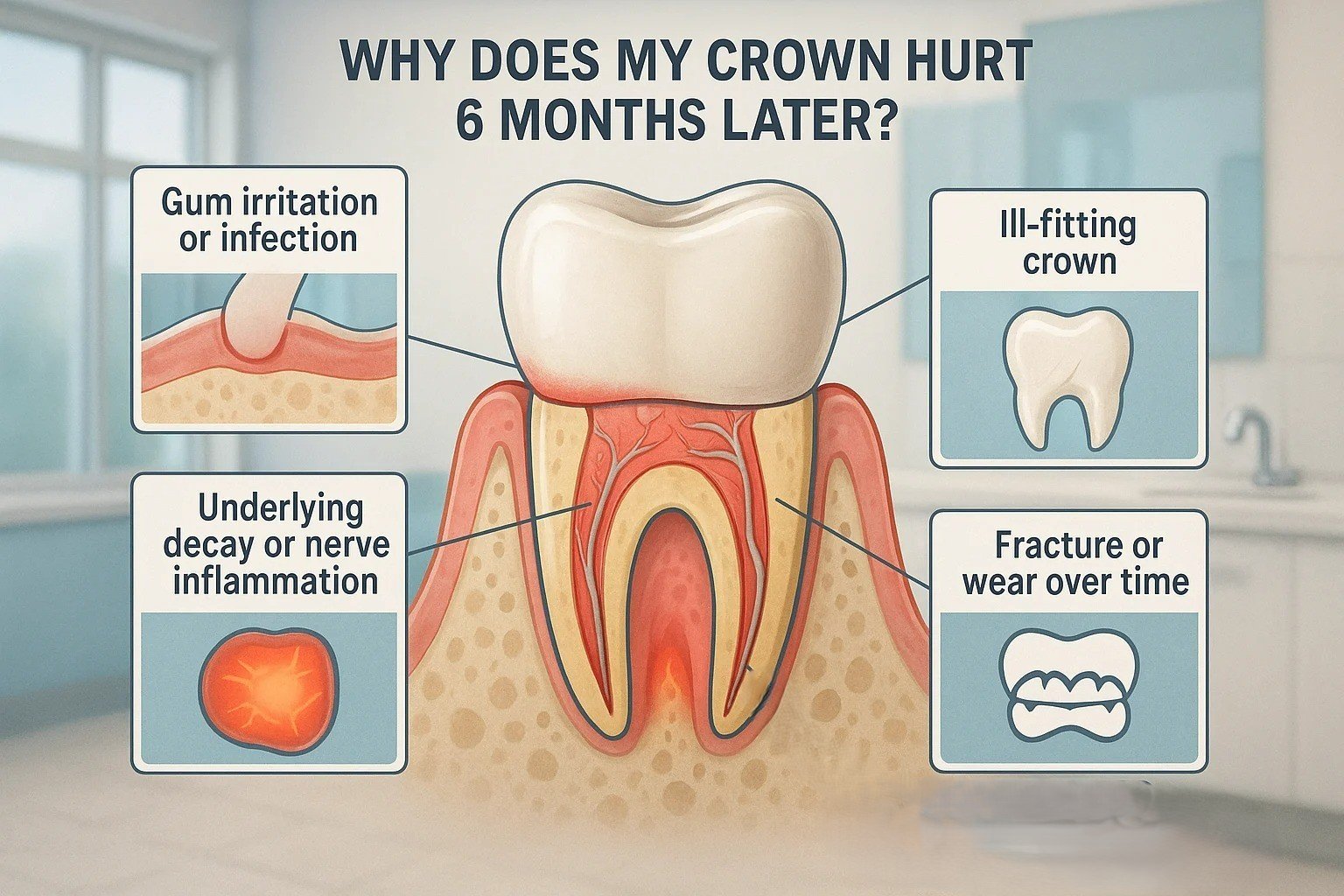
Causes of Tooth Pain Under a Crown
Several factors can contribute to tooth pain after crown placement. These include:
- Tooth Decay: Bacteria can still penetrate around the edges of the crown, leading to decay.
- Nerve Damage: The tooth’s nerve may become inflamed or damaged during the crown preparation process.
- Poor Fit: An ill-fitting crown can cause pressure and discomfort.
- Bruxism: Grinding or clenching your teeth can put excessive stress on the crowned tooth.
Identifying the specific cause of the pain is the first step toward effective treatment and long-term relief.
How Underlying Tooth Problems Can Persist After Getting a Crown
Sometimes, underlying issues after dental crown placement can persist even after receiving a crown. For example, if the tooth already had a deep filling or crack, the crown may not fully resolve these pre-existing problems. This can lead to ongoing sensitivity and pain. Similarly, if the nerve was already compromised, a crown alone may not be enough to alleviate the discomfort.
Proper diagnosis and treatment planning are essential to address these underlying issues before crown placement.
When Dental Crowns Fail to Protect From Pain
Dental crowns are designed to protect teeth, but they are not impenetrable. When the seal between the crown and the tooth weakens or if the crown itself is damaged, bacteria can infiltrate, leading to decay and infection. In such cases, dental crowns fail to protect from pain. Crowns can also fail to fully protect from pain if the underlying tooth structure is already significantly compromised or if there is existing nerve damage.
Common Dental Issues Under Crowns
Several dental issues can arise beneath a crown, causing discomfort and requiring prompt attention. Addressing these problems early can prevent more serious complications and protect your long-term oral health.
Tooth Decay Beneath a Crown
Tooth decay under crown is a common issue that can lead to significant pain. This typically occurs when bacteria penetrate the margins of the crown, attacking the underlying tooth structure. Factors contributing to decay beneath a crown include:
- Poor Oral Hygiene: Inadequate brushing and flossing can allow bacteria to thrive.
- Diet: Frequent consumption of sugary foods and drinks can fuel bacterial growth.
- Improper Fit: A poorly fitting crown creates gaps where bacteria can accumulate.
Regular dental check-ups and meticulous oral hygiene practices are essential for preventing decay under a crown.
Infection or Abscess Development Under a Crown
An infection or abscess development under a crown is a serious complication that can cause intense pain and swelling. This usually occurs when decay reaches the pulp of the tooth, the innermost layer containing the nerve and blood vessels. An infection can also result from trauma to the tooth or a poorly performed root canal.
Symptoms of an infection under a crown include:
- Severe Pain: A throbbing, persistent ache.
- Swelling: Redness and inflammation around the crowned tooth.
- Sensitivity: Extreme sensitivity to hot and cold.
- Fever: A sign of systemic infection.
Prompt dental treatment, including antibiotics and possibly a root canal, is necessary to resolve the infection.
Cracks or Fractures in Crowned Teeth Leading to Pain
Cracked tooth under crown issues can also lead to pain. Over time, crowned teeth can develop cracks or fractures, especially if subjected to excessive force from grinding or trauma. These cracks can extend into the tooth’s structure, causing pain when biting or chewing. In some cases, the crown itself may fracture, exposing the underlying tooth to bacteria and irritants.
If you suspect a crack or fracture in a crowned tooth, it’s important to seek immediate dental evaluation. Treatment options may include repairing the crown or, in more severe cases, replacing the crown and addressing any underlying tooth damage.
Signs You Shouldn’t Ignore
Knowing when to seek professional dental care is essential for managing tooth pain under a crown. Recognizing the warning signs and understanding the difference between normal sensitivity and problematic pain can prevent complications.
Symptoms Indicating a Deeper Problem After Crown Placement
It’s critical to note any persistent pain after crown placement because, even after receiving a crown, certain symptoms may indicate a deeper issue requiring prompt attention. These symptoms include:
- Sharp Pain When Biting: This could indicate a crack or fracture.
- Constant, Throbbing Pain: This could signal an infection.
- Swelling or Redness: This could indicate an abscess.
- Sensitivity to Hot or Cold: This could mean nerve irritation or decay.
Ignoring these symptoms could lead to more serious problems, such as the need for a root canal or even tooth extraction.
Infection Warning Signs
Recognizing symptoms of infection under crown is crucial for seeking timely treatment. Infection warning signs include:
- Persistent, Severe Pain: Pain that does not subside with over-the-counter pain relievers.
- Swelling: Swelling in the gums or face around the crowned tooth.
- Pus Drainage: Discharge near the gum line of the crowned tooth.
- Fever: Elevated body temperature.
- Bad Taste in Mouth: An unpleasant taste that lingers.
If you experience any of these signs, contact your dentist immediately for evaluation and treatment.
How to Distinguish Between Normal Sensitivity and Problematic Pain
How to distinguish between normal sensitivity and problematic pain? Some sensitivity is normal after crown placement. It typically subsides within a few weeks. However, prolonged or worsening pain is cause for concern.
- Normal Sensitivity: Mild, temporary discomfort when exposed to hot, cold, or sweet stimuli.
- Problematic Pain: Severe, persistent, or throbbing pain that interferes with daily activities.
If the pain is intense or does not improve, it’s essential to consult your dentist to rule out any underlying issues.
How Dentists Diagnose Toothache With a Crown
When you experience tooth pain under a crown, it’s important to seek professional diagnosis to determine the cause and receive appropriate treatment. Dentists employ various methods to accurately diagnose the source of the problem.
What to Expect During Dental Evaluation for Crown Pain
During a dental crown examination for crown pain, your dentist will typically begin with a thorough review of your dental history and a discussion of your symptoms. They will then conduct a visual examination of the crown and surrounding tissues, checking for any signs of inflammation, swelling, or damage.
The dentist may also perform several tests, such as:
- Percussion: Gently tapping on the crown to check for sensitivity.
- Palpation: Feeling the surrounding tissues for swelling or tenderness.
- Thermal Testing: Applying hot or cold stimuli to assess nerve response.
These evaluations help the dentist gather comprehensive information to accurately diagnose the cause of your crown pain.
How Your Dentist Identifies Problems Below the Crown
Diagnosing crown pain often requires identifying problems beneath the crown. Your dentist may use several techniques to achieve this:
- Visual Examination: Checking for any visible cracks, gaps, or signs of decay around the crown margins.
- Tactile Examination: Using a dental probe to feel for rough spots or gaps that could indicate decay or a loose crown.
These methods help your dentist pinpoint the source of your discomfort and determine the best course of action.
Importance of Diagnostic Imaging (X-rays)
X-rays for crown pain are essential for a thorough diagnosis. Dental X-rays allow the dentist to visualize the tooth structure beneath the crown, identifying:
- Decay: Detecting cavities that may have formed around or beneath the crown.
- Infection: Identifying signs of an abscess or infection at the root of the tooth.
- Bone Loss: Assessing the health of the surrounding bone structure.
- Fractures: Detecting cracks or fractures in the tooth or crown.
Diagnostic imaging provides critical information that is not visible to the naked eye, enabling your dentist to make an accurate diagnosis and recommend the most appropriate treatment.
Treatment Options for Toothache With a Crown
The treatment for toothache under a crown varies depending on the underlying cause. Once the diagnosis is made, your dentist will recommend the most appropriate course of action to alleviate your pain and restore your oral health.
Temporary Pain Relief Measures
For treating pain under crown, several temporary measures can help alleviate discomfort while you await definitive treatment:
- Over-the-Counter Pain Relievers: Medications like ibuprofen or acetaminophen can reduce pain and inflammation.
- Topical Anesthetics: Applying a dental numbing gel to the gums around the crowned tooth can provide localized relief.
- Warm Salt Water Rinse: Rinsing with warm salt water can help reduce inflammation and kill bacteria.
- Avoid Trigger Foods: Avoid hot, cold, or sugary foods that may exacerbate sensitivity.
These measures offer temporary relief but do not address the underlying problem, so seeking professional dental care is essential.
When a Root Canal is Needed After a Crown
Do I need a root canal if my crowned tooth hurts? A root canal after crown placement is often necessary if the pain is caused by an infection or inflammation of the tooth’s pulp.
Signs that a root canal may be needed include:
- Persistent, Severe Pain: Pain that does not subside with medication.
- Sensitivity to Pressure: Pain when biting or chewing.
- Swelling: Swelling in the gums or face.
- Pus Drainage: Discharge near the gum line.
During a root canal, the infected pulp is removed, the tooth is cleaned and disinfected, and the space is filled with a special material. The crown is then resealed to protect the tooth.
When is Crown Replacement Necessary?
In some cases, replacing dental crown is necessary to address the underlying issue and alleviate pain. Situations where crown replacement may be required include:
- Poor Fit: If the crown does not fit properly, it can create gaps for bacteria and cause discomfort.
- Cracked or Damaged Crown: Cracks or damage can expose the underlying tooth to bacteria and cause pain.
- Recurrent Decay: If decay is extensive and cannot be adequately treated without removing the crown.
During crown replacement, the old crown is removed, any decay is treated, and a new, custom-fitted crown is placed to restore the tooth’s function and protect it from further damage. In situations where full mouth reconstruction in albania is necessary, consider the benefits of dental tourism with Albania Dental Implants for comprehensive care.
Prevention and Aftercare Tips
Taking proactive steps to care for your crowned teeth can significantly reduce the risk of pain and complications. Proper oral hygiene practices and regular dental visits are essential for maintaining the health and longevity of your crowns.
Daily Oral Hygiene Practices for Crowned Teeth
Effective dental crown aftercare begins with diligent daily oral hygiene practices. Key steps include:
- Brushing: Brush your teeth at least twice a day with fluoride toothpaste, paying careful attention to the area around the crown.
- Flossing: Floss daily to remove plaque and debris from between your teeth and around the crown margins.
- Antimicrobial Mouthwash: Use an antimicrobial mouthwash to kill bacteria and reduce the risk of decay.
These practices help prevent decay and infection around the crowned tooth.
What to Do After the Crown Procedure to Minimize Pain Risk
Following the crown procedure, there are several steps you can take to minimize pain risk:
- Follow Dentist’s Instructions: Adhere to all post-operative instructions provided by your dentist.
- Pain Medication: Take prescribed or over-the-counter pain relievers as needed.
- Soft Diet: Eat soft foods to avoid putting excessive pressure on the crowned tooth.
- Avoid Chewy or Sticky Foods: Refrain from eating foods that could dislodge or damage the crown.
These steps can help ensure a smooth recovery and reduce the likelihood of post-operative pain.
Importance of Regular Dental Visits
Preventing pain after crown placement includes regular dental visits. Regular dental check-ups are essential for monitoring the health of your crowned teeth and detecting any potential problems early. During these visits, your dentist can:
- Examine the Crown: Check for any signs of damage, wear, or poor fit.
- Assess Oral Hygiene: Evaluate your oral hygiene practices and provide guidance for improvement.
- Take X-rays: Detect decay or infection that may not be visible during a visual examination.
- Professional Cleaning: Remove plaque and tartar buildup to prevent decay and gum disease.
Regular dental visits enable early intervention, preventing more serious issues from developing and preserving the health of your crowned teeth. If you are looking for affordable and high-quality dental care, explore Albania Dental Implants Services.
What causes toothache under a crown?
Toothache under a crown can be caused by several factors, including tooth decay around or underneath the crown, nerve damage to the underlying tooth, a poorly fitting crown that causes pressure and irritation, or cracks and fractures in the crowned tooth. If bacteria penetrate the margins of the crown, it can lead to decay and infection, resulting in pain.
Is it normal to have sensitivity after getting a dental crown?
Some sensitivity is normal after getting a dental crown. Mild, temporary discomfort when exposed to hot, cold, or sweet stimuli is common and typically subsides within a few weeks. This sensitivity is usually due to inflammation of the tissues around the tooth as they adjust to the new crown. However, persistent or severe pain should be evaluated by a dentist.
How long should pain last after a crown is placed?
Mild sensitivity after crown placement should typically subside within a few weeks. If the pain persists beyond this period or becomes more severe, it could indicate an underlying issue, such as a poorly fitting crown, decay, or nerve damage. In such cases, it’s essential to consult with your dentist for a thorough evaluation.
Can a crowned tooth still get an infection?
Yes, a crowned tooth can still get an infection if bacteria penetrate the margins of the crown or if the tooth’s pulp becomes infected. Infections can develop due to decay under the crown, cracks or fractures in the tooth, or a poorly performed root canal. Symptoms of an infection under a crown include severe pain, swelling, pus drainage, and fever.
What if my tooth with a crown starts hurting months or years later?
If your tooth with a crown starts hurting months or years later, it is important to seek dental evaluation promptly. The pain could be due to various factors, such as decay developing around the crown margins, a crack or fracture in the tooth or crown, or nerve damage. Addressing the issue early can prevent more serious complications and preserve the health of your tooth. At Albania Dental Implants, we understand such concerns and offer expert diagnosis and treatment planning to address the problem effectively.
Can tooth pain under a crown go away on its own?
In some cases, mild sensitivity after crown placement may subside on its own within a few weeks. However, persistent or severe tooth pain under a crown is unlikely to resolve without dental intervention. If the pain is caused by decay, infection, or a poorly fitting crown, professional treatment is necessary to address the underlying issue and alleviate your discomfort.
Do I need a root canal if my crowned tooth hurts?
You may need a root canal if your crowned tooth hurts, especially if the pain is severe, persistent, or accompanied by other symptoms such as swelling, sensitivity to pressure, or pus drainage. These symptoms could indicate an infection or inflammation of the tooth’s pulp, requiring root canal treatment to remove the infected tissue and relieve your pain.
When should I see a dentist about crown pain?
You should see a dentist about crown pain if you experience any of the following:
- Persistent, Severe Pain: Pain that does not subside with over-the-counter pain relievers.
- Swelling: Swelling in the gums or face around the crowned tooth.
- Sensitivity: Extreme sensitivity to hot, cold, or sweet stimuli.
- Pain When Biting: Sharp pain when biting or chewing.
- Fever: Elevated body temperature.
These symptoms could indicate a serious problem that requires prompt dental treatment.
Experiencing toothache with a crown can be concerning, but understanding the potential causes, recognizing warning signs, and seeking timely dental care can help you resolve the issue and restore your oral health. If you’re considering dental implants as a solution for missing teeth, explore the affordable options available through Albania Dental Implants. We offer comprehensive services and the latest technology to ensure you receive the highest quality care. Find out the cost of dental implants in Albania and how you can achieve a healthy, confident smile with us. Our team is dedicated to providing personalized treatment plans to meet your specific needs and budget. For those seeking a more comprehensive solution, we also offer all on 4 dental implants in albania. Don’t let tooth pain affect your quality of life – contact Albania Dental Implants today for a consultation. Daily oral hygiene is also necessary to minimize risks after dental treatment. Albania Dental Implants also offers dental crowns in Albania if a dental implant is not the right option.