



Can you get dental implants on NHS? Many UK patients ask if this advanced treatment is available as part of NHS dental services. Finding a permanent solution for missing teeth is a common goal, but navigating the NHS system can be confusing. This comprehensive guide explores the possibilities of receiving NHS dental implants, what the eligibility criteria are, how much it costs (if anything), and what alternatives are available if NHS coverage isn’t an option. Additionally, we’ll discuss more affordable options like Albania Dental Implants for those seeking quality care within a budget.
NHS Dental Implants Overview
Cluster Keywords: NHS dental implants, what are dental implants, implant services NHS, NHS vs private dental implants
Let’s start with a general overview of NHS dental implants and the context of dental care within the National Health Service. Dental implants are a permanent solution for replacing missing teeth. They involve surgically inserting a titanium post into the jawbone, which then fuses with the bone over time (osseointegration). Once fused, a crown (artificial tooth) is attached to the post. This creates a stable and natural-looking replacement for a missing tooth.
What are Dental Implants?
Dental implants are considered the gold standard for tooth replacement. They offer several advantages over traditional dentures and bridges:
- Stability: Implants are anchored in the jawbone, providing a secure and stable base for the replacement tooth.
- Durability: With proper care, dental implants can last a lifetime.
- Aesthetics: Implants look and feel like natural teeth, restoring your smile and confidence.
- Bone Health: Implants stimulate bone growth in the jaw, preventing bone loss that can occur with missing teeth.
NHS England’s Position on Advanced Dental Treatments and Implants
The NHS primarily focuses on providing essential dental care to maintain oral health. While the NHS offers a range of dental treatments, advanced procedures like dental implants are not routinely available. NHS England’s position is that dental implants are generally not funded unless there’s a clear medical need. This means that purely cosmetic cases or routine tooth replacement are unlikely to be covered. However, we at Albania Dental Implants, provide you quality services for a lower cost, that you can afford.
Eligibility Criteria for Dental Implants on NHS
Cluster Keywords: NHS dental implant eligibility, NHS guidelines for implants, medical necessity for implants, who qualifies for NHS dental implants
Gaining NHS funding for dental implants is difficult, but there are specific circumstances where it may be possible. Understanding these eligibility criteria is the first step in determining if you qualify.
What are the Acceptance Criteria for NHS Dental Implants?
The NHS generally considers funding dental implants only in cases of significant medical need. This typically includes situations where tooth loss is the result of:
- Trauma: Severe injury to the face or mouth resulting in tooth loss.
- Cancer: Tooth loss due to cancer treatment (e.g., radiation therapy).
- Congenital Conditions: Genetic disorders affecting tooth development (e.g., ectodermal dysplasia).
These criteria are strictly applied, and each case is assessed individually. The goal is to restore essential function and quality of life in situations where tooth loss has a significant impact on a patient’s health.
Clinical Need vs Aesthetic/Cosmetic Cases
It’s important to distinguish between clinical need and aesthetic or cosmetic cases. The NHS prioritizes treatments that address a medical necessity rather than those solely for improving appearance. If your tooth loss is primarily a cosmetic concern, it’s highly unlikely that you’ll be eligible for NHS-funded dental implants. This distinction is crucial in understanding the NHS’s approach to dental care and treatment funding.
Application Process for NHS Dental Implants
Cluster Keywords: how to apply for dental implants NHS, NHS referral process, getting approved for implants on NHS
If you believe you meet the NHS eligibility criteria for dental implants, it’s essential to understand the application process. Here’s a step-by-step guide:
Steps to Apply for NHS Dental Implants
Step 1: Initial Dental Consultation: Begin by scheduling an appointment with your NHS dentist. They will assess your oral health and determine if your case warrants a referral for further evaluation.
Step 2: Referral: If your dentist believes you meet the criteria, they will refer you to a specialist NHS dentist or an NHS hospital service for a comprehensive assessment.
Step 3: Assessment: The specialist will conduct a thorough examination, including X-rays and other diagnostic tests, to determine if dental implants are the most appropriate treatment option.
Step 4: Approval: If the specialist approves your case, they will submit a funding request to the NHS. Approval is not guaranteed and depends on the availability of funding and the prioritization of your case.
Step 5: Appeal or Second Opinion: If your application is denied, you have the right to appeal the decision or seek a second opinion from another NHS dentist or specialist. Navigating the NHS system can be complex and time-consuming. Consider other options, such as dental tourism in Albania, for more affordable and accessible treatment.
Costs and Charges: NHS vs Private Dental Implants
Cluster Keywords: cost of NHS dental implants, private vs NHS implant cost, NHS dental charges, free dental implants NHS
The cost of dental implants is a significant factor for many patients. Understanding the NHS band system and how it applies to dental implants is essential. Also comparing these costs with those in the private sector can help you make an informed decision.
NHS Band System and Typical Patient Charges
The NHS operates a banding system for dental charges:
- Band 1 (£26.80): Covers examinations, diagnosis, and preventative care.
- Band 2 (£73.50): Includes everything in Band 1, plus fillings, root canal treatment, and extractions.
- Band 3 (£319.10): Covers everything in Bands 1 and 2, plus crowns, dentures, and bridges.
If you are eligible for NHS dental implants, you will likely fall under Band 3. However, it’s important to note that even if approved, you may still have to pay the Band 3 charge. Some individuals are exempt from NHS dental charges, including those receiving certain benefits or those under 18. But, the cost of dental implants in Albania will be lower.
Comparison with Average UK Private Sector Prices
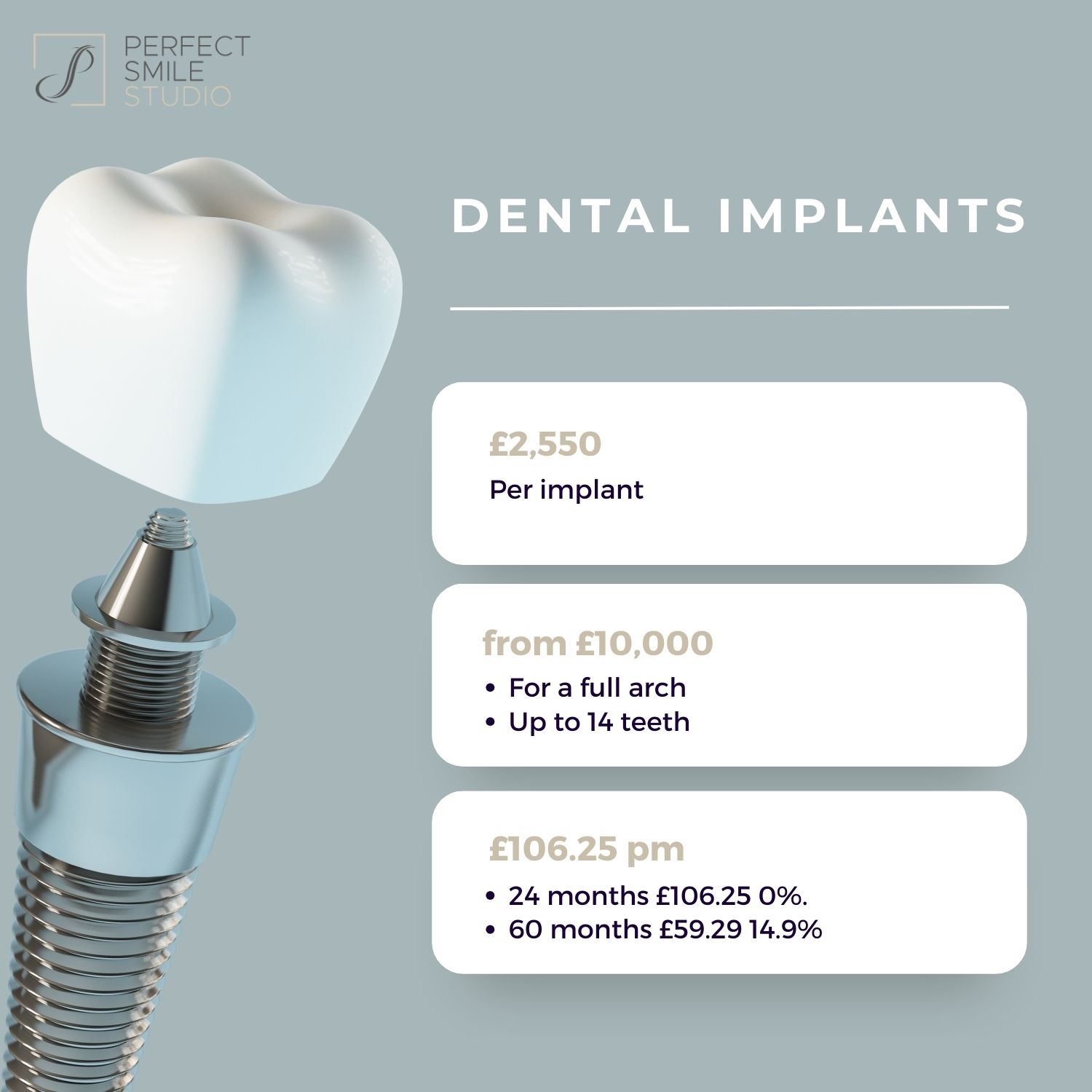
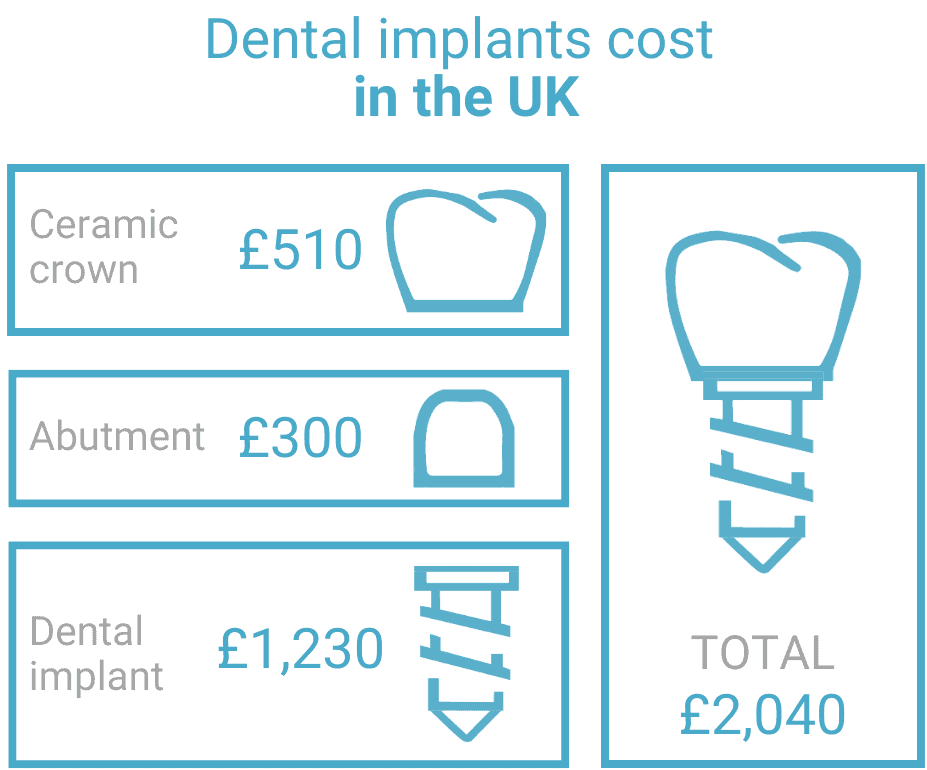
In the UK private sector, the cost of a single dental implant can range from £2,500 to £5,000 or more. This cost typically includes the implant post, abutment (connector), and crown. Full-mouth dental implants can cost anywhere from £10,000 to £30,000 or higher. Private dental practices often offer financing options and payment plans to help patients manage the costs. The significant difference in price between NHS and private dental implants is due to the limited availability of NHS funding and the higher overhead costs of private practices. You can explore Albania Dental Implants services for a comparison.
Availability and Waiting Times for NHS Dental Implants
Cluster Keywords: NHS dental implant waiting list, waiting times NHS vs private, access to NHS implants, dental implant shortages UK
Even if you meet the eligibility criteria for NHS dental implants, you may face significant waiting times. Understanding these factors is crucial for managing your expectations.
Average Waiting Times and Regional Differences
Waiting times for NHS dental implants can vary widely depending on the region and the availability of specialist services. In some areas, the waiting list may be several months to over a year. Regional differences in funding and service availability contribute to these variations. Patients in urban areas with more NHS dental hospitals may experience shorter waiting times compared to those in rural areas with limited access to specialist care.
Key Reasons for Delays
Several factors contribute to delays in accessing NHS dental implants:
- Funding: Limited NHS funding for advanced dental treatments restricts the number of implant procedures that can be performed.
- Case Prioritisation: Cases are prioritised based on medical need, with trauma and cancer-related cases typically receiving higher priority.
- Service Availability: The availability of specialist NHS dental implant services varies across the country, leading to bottlenecks in certain regions.
These delays can be frustrating for patients, especially those in need of urgent treatment. Exploring options like dental tourism in Albania can provide a quicker and more affordable alternative.
Alternatives If You’re Not Eligible on the NHS
Cluster Keywords: alternatives to NHS implants, private dental financing, dental payment plans UK
If you’re not eligible for NHS dental implants, there are several alternatives to consider.
Common Alternatives: Dentures and Bridges
Dentures: Removable dentures are a traditional and more affordable option for replacing missing teeth. They can be full dentures (replacing all teeth in an arch) or partial dentures (replacing a few missing teeth). While dentures are less stable than implants, they can restore basic function and aesthetics.
Bridges: Dental bridges involve anchoring a false tooth (pontic) to adjacent teeth with crowns. Bridges are a fixed solution, but they require altering the adjacent teeth, which can increase the risk of decay or damage.
Options for Private Care, Payment Plans, and Charity Schemes
Private Dental Care: Opting for private dental implants allows you to access treatment more quickly and with a wider range of options. However, private care can be significantly more expensive.
Payment Plans: Many private dental practices offer payment plans to help patients spread the cost of dental implants over time. These plans may involve interest charges, so it’s important to compare the terms carefully.
Charity Schemes: Some dental charities and organizations offer financial assistance or subsidized dental treatment to those in need. Researching these options may provide a more affordable pathway to dental implants.
Dental Tourism: Considering dental tourism in Albania can significantly reduce the cost of dental implants while maintaining high-quality care.
Real Patient Experiences with NHS Dental Implants
Cluster Keywords: NHS dental implant success stories, NHS complaints dental implants, patient reviews NHS dental care
While accessing NHS dental implants can be challenging, there are patients who have successfully received this treatment through the NHS. Hearing about their experiences can provide valuable insights and realistic expectations.
What to Expect and Patient Satisfaction
Patient satisfaction with NHS dental implants is generally high among those who are eligible and receive the treatment. Patients often report improved oral function, aesthetics, and overall quality of life. The stability and natural feel of dental implants can significantly enhance confidence and self-esteem. However, it’s important to acknowledge that the NHS process can be lengthy and complex, and outcomes may vary depending on individual circumstances.
Frequently Asked Questions about NHS Dental Implants
Can you get dental implants on NHS if you have missing teeth for years?
Generally, having missing teeth for years doesn’t automatically disqualify you from receiving dental implants on the NHS, but it doesn’t guarantee approval either. NHS funding for dental implants is primarily based on clinical need rather than the duration of tooth loss. If the missing teeth are causing significant functional issues (e.g., difficulty eating or speaking) due to trauma, cancer treatment, or a congenital condition, you may be eligible. The NHS prioritizes cases with a clear medical necessity.
Are NHS dental implants completely free?
NHS dental implants are not completely free for most adults. If you’re eligible and approved for dental implants on the NHS, you’ll typically need to pay the standard NHS Band 3 charge, which covers a range of treatments, including crowns, dentures, and bridges. However, certain individuals are exempt from NHS dental charges, such as those receiving specific benefits or those under 18. It’s essential to check your eligibility for exemptions to determine if you qualify for free NHS dental treatment.
What medical conditions qualify for NHS dental implants?
Several medical conditions may qualify you for NHS dental implants, including:
- Trauma: Significant facial injuries resulting in tooth loss.
- Cancer Treatment: Tooth loss as a result of radiation therapy or surgery for oral cancer.
- Congenital Conditions: Genetic disorders affecting tooth development, such as ectodermal dysplasia or cleft palate.
These conditions must significantly impact your oral function and quality of life. Each case is assessed individually, and approval depends on the severity of the condition and the availability of funding.
How long does it take to get dental implants on the NHS?
The timeline for receiving dental implants on the NHS can vary significantly depending on several factors, such as:
- Referral Process: The time it takes for your NHS dentist to refer you to a specialist.
- Assessment and Approval: The duration of the specialist assessment and the NHS funding approval process.
- Waiting Lists: The length of the waiting list for specialist dental implant services in your region.
In some cases, the entire process can take several months to over a year. Regional differences in funding and service availability also affect waiting times. The dental implants cost in Albania may be much lower, thus more affordable to get it done sooner.
Why does the NHS often refuse to fund dental implants?
The NHS often refuses to fund dental implants due to:
- Limited Funding: The NHS has finite resources, and dental implants are considered an advanced and costly procedure.
- Prioritization of Essential Care: The NHS prioritizes essential dental care to maintain oral health rather than funding purely cosmetic treatments.
- Strict Eligibility Criteria: NHS funding for dental implants is reserved for cases of significant medical need, such as trauma, cancer treatment, or congenital conditions.
This strict approach ensures that resources are allocated to the most critical cases. You can explore more budget-friendly options like Albania Dental Implants.
Are there age restrictions for NHS dental implants?
While there isn’t a strict upper age limit for NHS dental implants, there are considerations related to age and overall health. For younger patients, dental implants are typically not considered until the jawbone has fully developed. The NHS prioritizes cases based on clinical need rather than age. Older adults may be eligible if they meet the criteria related to trauma, cancer treatment, or congenital conditions and are otherwise healthy enough to undergo the procedure.
What alternatives will an NHS dentist offer if you’re not eligible?
If you’re not eligible for NHS dental implants, your NHS dentist will typically offer alternatives such as:
- Dentures: Removable dentures are a traditional and more affordable option for replacing missing teeth.
- Bridges: Dental bridges involve anchoring a false tooth to adjacent teeth with crowns.
These alternatives can restore basic function and aesthetics, but they may not provide the same stability, durability, or long-term benefits as dental implants. To consider long-term benefits, consider our Albania Dental Implants services.
How do NHS and private dental implants differ in quality and aftercare?
NHS and private dental implants can differ in several aspects:
- Materials and Technology: Private practices may use more advanced materials and technology for dental implants compared to what’s available on the NHS.
- Treatment Options: Private practices typically offer a wider range of implant options, including different types of implants and restoration techniques.
- Waiting Times: Waiting times for private dental implants are generally shorter than on the NHS.
- Aftercare: Private practices may provide more comprehensive aftercare services and follow-up appointments compared to the NHS.
The quality of dental implants and the skill of the dentists can be high in both NHS and private settings. However, private care often offers more flexibility, choice, and personalized attention.
Conclusion
While accessing dental implants on the NHS is possible, it is subject to strict eligibility criteria and limited funding. For most UK patients, private dental care or alternative options like dental tourism in Albania offer a more accessible and affordable route to restoring their smile and oral health. If you’re considering dental implants, carefully evaluate your options, consider your budget, and consult with a qualified dental professional to determine the best course of action. Contact Albania Dental Implants today to explore your options and discover how we can help you achieve a healthy, confident smile!





