




Can you get dental implants on the NHS? This is a common question for patients in the UK considering implant treatment. Understanding the eligibility criteria, costs, and available alternatives is crucial for making informed decisions about your dental health journey. Let’s explore the possibilities of receiving NHS dental implants and other options available to you.
What are dental implants?
Keywords: dental implants explained, benefits of dental implants, who needs dental implants
Dental implants are a popular and effective solution for replacing missing teeth. They involve surgically placing a titanium post into the jawbone, which then fuses with the bone over time through a process called osseointegration. This creates a stable foundation for a replacement tooth or crown.
Dental implants explained
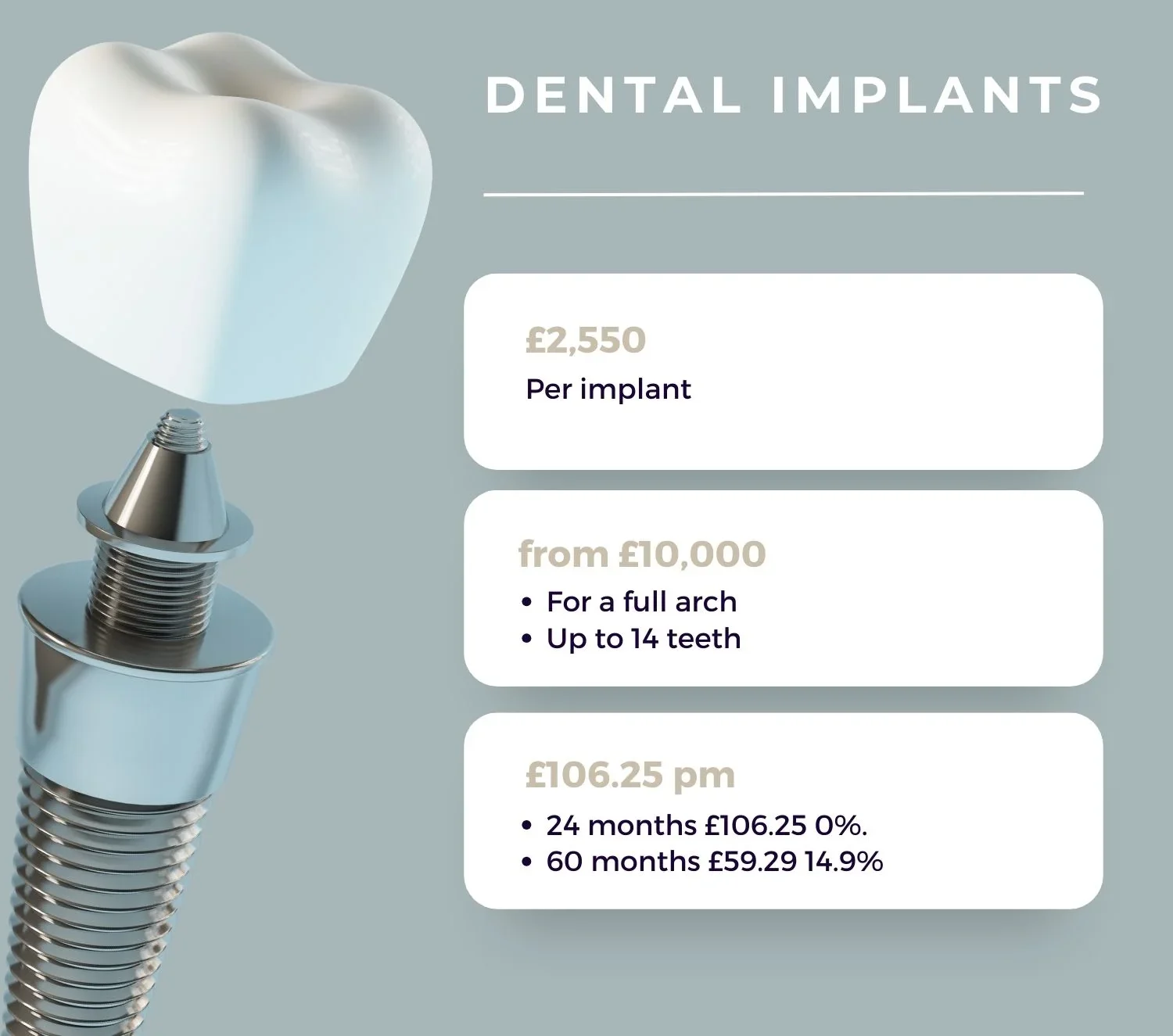
A dental implant consists of three main parts: the titanium implant post, the abutment (which connects the implant to the crown), and the dental crown itself. The procedure typically involves several stages, including initial consultation, implant placement, healing period, and finally, the attachment of the crown. You can visit our dental clinic in Albania for further consultation on implant placement.
Benefits of dental implants
- Improved appearance: Dental implants look and feel like natural teeth.
- Enhanced speech: Unlike dentures, implants won’t slip or cause you to mumble.
- Increased comfort: Implants become a part of you, eliminating the discomfort of removable dentures.
- Easier eating: You can enjoy your favorite foods without worry.
- Durability: With good care, dental implants can last a lifetime.
- Improved oral health: Implants don’t require reducing other teeth, as a tooth-supported bridge does.
- Increased confidence: You’ll smile more freely and feel better about yourself.
Who needs dental implants?
Dental implants are suitable for individuals who have lost one or more teeth due to injury, decay, or other reasons. Ideal candidates have healthy gums and sufficient bone density in the jaw to support the implant. A thorough evaluation by a dentist is necessary to determine if dental implants are right for you. In cases of reduced bone density, bone grafting in Albania may be considered.
NHS dental treatment: What’s covered?
Keywords: NHS dental bands, NHS dental treatment, NHS dental costs 2025, general NHS dental eligibility
The NHS provides a range of dental treatments aimed at maintaining oral health. However, the extent of coverage can be limited, and certain cosmetic procedures like dental implants are not routinely available.
Understanding NHS dental bands
NHS dental treatments are categorized into three bands, each with a set charge:
- Band 1: Includes examination, diagnosis, advice, and preventative care (e.g., fluoride varnish).
- Band 2: Covers everything in Band 1, plus fillings, root canal treatment, and extractions.
- Band 3: Includes all treatments in Bands 1 and 2, plus crowns, dentures, and bridges.
It’s important to note that these charges apply per course of treatment, not per item.
General NHS dental treatment eligibility
Most UK residents are eligible for NHS dental treatment. However, certain groups are exempt from paying NHS dental charges, including:
- People under 18
- Pregnant women and those who have had a baby in the past 12 months
- People receiving certain benefits, such as Income Support, Income-based Jobseeker’s Allowance, Income-related Employment and Support Allowance, Pension Credit Guarantee Credit, or Universal Credit (subject to certain criteria).
What is covered under NHS dental treatment?
The NHS primarily focuses on treatments necessary to maintain oral health, relieve pain, and prevent disease. This includes examinations, fillings, extractions, root canal treatment, dentures, and bridges when clinically necessary. Cosmetic treatments, such as teeth whitening and, in most cases, dental implants, are generally not covered.
Can you get dental implants on the NHS?
Keywords: NHS dental implants eligibility, NHS dental implants 2025, qualifying criteria for NHS dental implants
The availability of dental implants on the NHS is limited. In most cases, dental implants are not routinely provided as part of NHS dental care. However, there are specific circumstances where the NHS may consider funding implant treatment.
NHS dental implants eligibility
NHS dental implants eligibility is typically reserved for patients with a clear medical need. This might include cases where tooth loss is a direct result of trauma, congenital defects, or following surgery for conditions like oral cancer. Each case is assessed individually, and approval depends on meeting strict criteria.
Qualifying criteria for NHS dental implants
To qualify for dental implants on the NHS, you typically need to demonstrate that:
- Tooth loss has a significant impact on your quality of life.
- Alternative treatments, such as dentures or bridges, are not suitable or have failed.
- You have good oral hygiene and are committed to maintaining it.
- You are a non-smoker or are willing to quit.
- You have sufficient bone density in the jaw to support the implant (or are suitable for bone grafting).
Examples of cases where NHS implants may be considered
- Trauma: If you’ve lost teeth due to an accident or injury.
- Congenital absence: If you were born without certain teeth.
- Reconstructive surgery: Following surgery for oral cancer or other conditions.
Even if you meet these criteria, approval is not guaranteed and is subject to the availability of funding and resources within your local NHS region.
Who qualifies for dental implants on the NHS?
Keywords: who qualifies for NHS implants UK, medical need for implants, NHS implant exemptions
Determining who qualifies for NHS implants in the UK involves a detailed assessment of your individual circumstances. The NHS prioritizes cases where dental implants are essential for restoring function and quality of life due to specific medical conditions.
Medical need for implants
The primary factor determining eligibility is the presence of a significant medical need. This means that tooth loss must be directly related to a medical condition or treatment, rather than simply being a result of decay or gum disease.
Specific clinical circumstances
Examples of specific clinical circumstances that might qualify you for NHS dental implants include:
- Severe facial trauma: Extensive injuries to the face that result in significant tooth loss.
- Head and neck cancer: Tooth loss following surgical removal of tumors.
- Ectodermal dysplasia: A genetic condition that causes abnormal development of teeth.
- Severe hypodontia: A condition where multiple teeth are congenitally missing.
NHS implant exemptions
While rare, there are cases where individuals may be exempt from the usual restrictions on NHS implant provision. This often involves patients with complex medical needs that necessitate implant treatment to restore function and maintain overall health. Such cases are typically reviewed by a specialist multidisciplinary team.
How do you apply for dental implants on the NHS?
Keywords: apply NHS dental implants, NHS referral process, NHS implant waiting times
Applying for dental implants on the NHS involves a structured process, starting with a referral from your general dentist and culminating in an assessment by a specialist.
NHS referral process
The first step is to consult with your general dentist. If they believe you meet the criteria for NHS-funded implants, they will refer you to a specialist oral surgeon or implantologist for assessment.
Step-by-step explanation of the referral and assessment process
- Initial consultation with your general dentist: Discuss your concerns and explore treatment options.
- Referral to a specialist: If appropriate, your dentist will refer you to a specialist for further evaluation.
- Specialist assessment: The specialist will assess your oral health, medical history, and suitability for implants.
- Treatment planning: If you are deemed a suitable candidate, the specialist will develop a treatment plan.
- Funding application: The specialist will apply for funding from the NHS on your behalf.
- Approval and treatment: If funding is approved, you will be scheduled for implant placement and restoration.
NHS implant waiting times
Waiting times for NHS dental implants can vary significantly depending on your location and the availability of funding and resources. In some areas, waiting lists can be several months or even years long. It’s essential to discuss potential waiting times with your dentist and specialist.
How much do dental implants cost on the NHS?
Keywords: NHS dental band charges, dental implant cost NHS, private vs NHS dental implant cost
While dental implants are rarely available on the NHS, understanding the potential costs involved is still relevant. If you do qualify for NHS-funded implants, you will typically pay the standard NHS dental charges.
NHS dental band charges
As of 2025, the NHS dental charges are structured into three bands:
- Band 1: £26.80
- Band 2: £73.50
- Band 3: £319.10
If your implant treatment falls under Band 3, you would pay £319.10 towards the cost of the procedure.
Private vs NHS dental implant cost
The cost of private dental implants in the UK can vary widely, typically ranging from £2,500 to £4,000 per implant. This cost usually includes the implant placement, abutment, and crown. Several factors influence the overall cost, including the dentist’s experience, the location of the clinic, and the type of implant used. If NHS funding isn’t an option, considering dental tourism in Albania can significantly reduce costs.
Comparing costs and financial implications
Even with NHS charges, the out-of-pocket expense for private dental implants is significantly higher. However, private treatment often offers shorter waiting times, a wider range of treatment options, and the use of advanced technologies and materials. Weighing these factors against the cost is crucial when making your decision. You can also explore options like dental implants cost in Albania to manage expenses.
What are the alternatives to dental implants on the NHS?
Keywords: NHS dental implant alternatives, bridges on NHS, dentures on NHS, NHS tooth replacement options
If you are not eligible for dental implants on the NHS, several alternative tooth replacement options are available. These include dentures and bridges, which are often covered under NHS dental bands.
Dentures on NHS
Dentures are removable appliances that replace missing teeth. They can be full dentures (replacing all teeth in an arch) or partial dentures (replacing some teeth). Dentures are a more affordable option compared to dental implants and are often available on the NHS under Band 3 charges.
Bridges on NHS
Dental bridges are fixed appliances that span the gap created by one or more missing teeth. They are typically supported by the adjacent teeth, which are prepared to hold crowns. Bridges are another tooth replacement option that is often covered by the NHS under Band 3 charges.
Comparing alternatives
While dentures and bridges are more affordable and readily available on the NHS, they have limitations compared to dental implants. Dentures can be less stable and may affect speech and eating. Bridges require altering adjacent teeth, which can increase the risk of decay and other issues. Dental implants offer a more durable, stable, and natural-feeling solution. Exploring what is the best alternative to dental implants can provide additional insights. If you do not qualify for NHS funding, a cheaper alternative to dental implants in the UK can be explored.
Private vs NHS dental implants: Key differences
Keywords: private dental implants UK, NHS vs private dental implants, costs, waiting times, eligibility
Choosing between private and NHS dental implants involves considering several key differences, including eligibility, costs, waiting times, and the range of treatment options available.
Eligibility criteria
As previously discussed, NHS dental implants are primarily reserved for patients with specific medical needs and are subject to strict eligibility criteria. Private dental implants are available to anyone who is a suitable candidate based on their oral health and bone density.
Costs and payment options
The cost of private dental implants is significantly higher than the NHS charges (if you qualify). However, private clinics often offer flexible payment plans and financing options to help make treatment more affordable. Considering how to afford dental implants in the UK is essential for many patients.
Waiting times
Waiting times for private dental implants are typically much shorter than on the NHS. You can often schedule a consultation and begin treatment within a few weeks, whereas NHS waiting lists can be several months or even years long.
Treatment options and technology
Private dental clinics often offer a wider range of treatment options and utilize advanced technologies and materials. This can include immediate loading dental implants in Albania, various types of implants (such as zirconia implants in Albania), and computer-guided implant surgery, leading to more precise and predictable results. The level of personalized care and attention may also be higher in private settings.
FAQ: Dental Implants and the NHS
Keywords: dental implant waiting times NHS, NHS dental implant exclusions, can you appeal NHS decision
Can you get dental implants on the NHS in 2025?
The availability of dental implants on the NHS in 2025 remains limited. They are primarily reserved for cases where there is a clear medical need, such as tooth loss due to trauma, congenital defects, or following surgery for conditions like oral cancer. Each case is assessed individually based on strict criteria.
Who is eligible for NHS dental implants in the UK?
Eligibility for NHS dental implants in the UK is typically limited to individuals with a significant medical need for the treatment. This might include cases of severe facial trauma, head and neck cancer, ectodermal dysplasia, or severe hypodontia. Meeting strict oral hygiene standards and not smoking are also crucial factors.
Are dental implants free or do you pay NHS charges?
If you qualify for dental implants on the NHS, you will still need to pay the standard NHS dental charges. As of 2025, this would likely fall under Band 3, which costs £319.10. However, certain individuals are exempt from paying NHS dental charges, such as those under 18, pregnant women, and those receiving specific benefits.
What conditions make you qualify for NHS dental implants?
Conditions that may make you qualify for NHS dental implants include severe facial trauma resulting in tooth loss, tooth loss following surgery for head and neck cancer, congenital conditions affecting tooth development, or severe hypodontia (missing multiple teeth from birth). You typically need to show that alternative treatments are unsuitable and that the tooth loss significantly impacts your quality of life.
What is the process for applying or being referred?
The process begins with a consultation with your general dentist. If they believe you meet the NHS criteria, they will refer you to a specialist oral surgeon or implantologist for assessment. The specialist will evaluate your oral health, medical history, and suitability for implants. If deemed a suitable candidate, the specialist will apply for funding from the NHS on your behalf.
How long does it take to get dental implants on the NHS?
Waiting times for NHS dental implants can vary considerably depending on your location and the availability of funding. It’s not uncommon to experience waiting lists of several months or even years. Discussing potential waiting times with your dentist and specialist is advisable.
What alternatives are there if you do not qualify?
If you do not qualify for dental implants on the NHS, alternative tooth replacement options include dentures and bridges, which are often covered under NHS dental bands. Dentures are removable appliances, while bridges are fixed appliances supported by adjacent teeth. Consider what is the best alternative to dental implants to discover more options.
How much do private dental implants cost versus NHS treatment?
Private dental implants in the UK typically range from £2,500 to £4,000 per implant, including the implant placement, abutment, and crown. This cost is significantly higher than the NHS Band 3 charge of £319.10 (if you qualify). However, private treatment often offers shorter waiting times, a wider range of treatment options, and advanced technologies.
Can you challenge or appeal if you are refused NHS implants?
If you are refused NHS funding for dental implants, you typically have the right to appeal the decision. The appeals process varies depending on your local NHS region. It generally involves submitting a written appeal outlining the reasons why you believe you meet the eligibility criteria. Seeking advice from patient advocacy groups or legal professionals may be beneficial.
Does NHS dental coverage for implants vary by region?
Yes, NHS dental coverage for implants can vary by region within the UK. The availability of funding and resources for specialized treatments like dental implants can differ between local NHS trusts. This means that your chances of receiving NHS-funded implants may depend on where you live.
Conclusion
Navigating the world of dental implants on the NHS can be complex. While access to NHS-funded implants is limited, understanding the eligibility criteria, application process, and available alternatives is essential. If you’re considering dental implants and are not eligible for NHS funding, exploring private treatment options, including the possibility of dental tourism to Albania, can provide a more affordable and timely solution. At Albania Dental Implants, we offer high-quality, affordable dental implant services to help you restore your smile and confidence. Contact us today to schedule a consultation and discover how we can transform your oral health.