



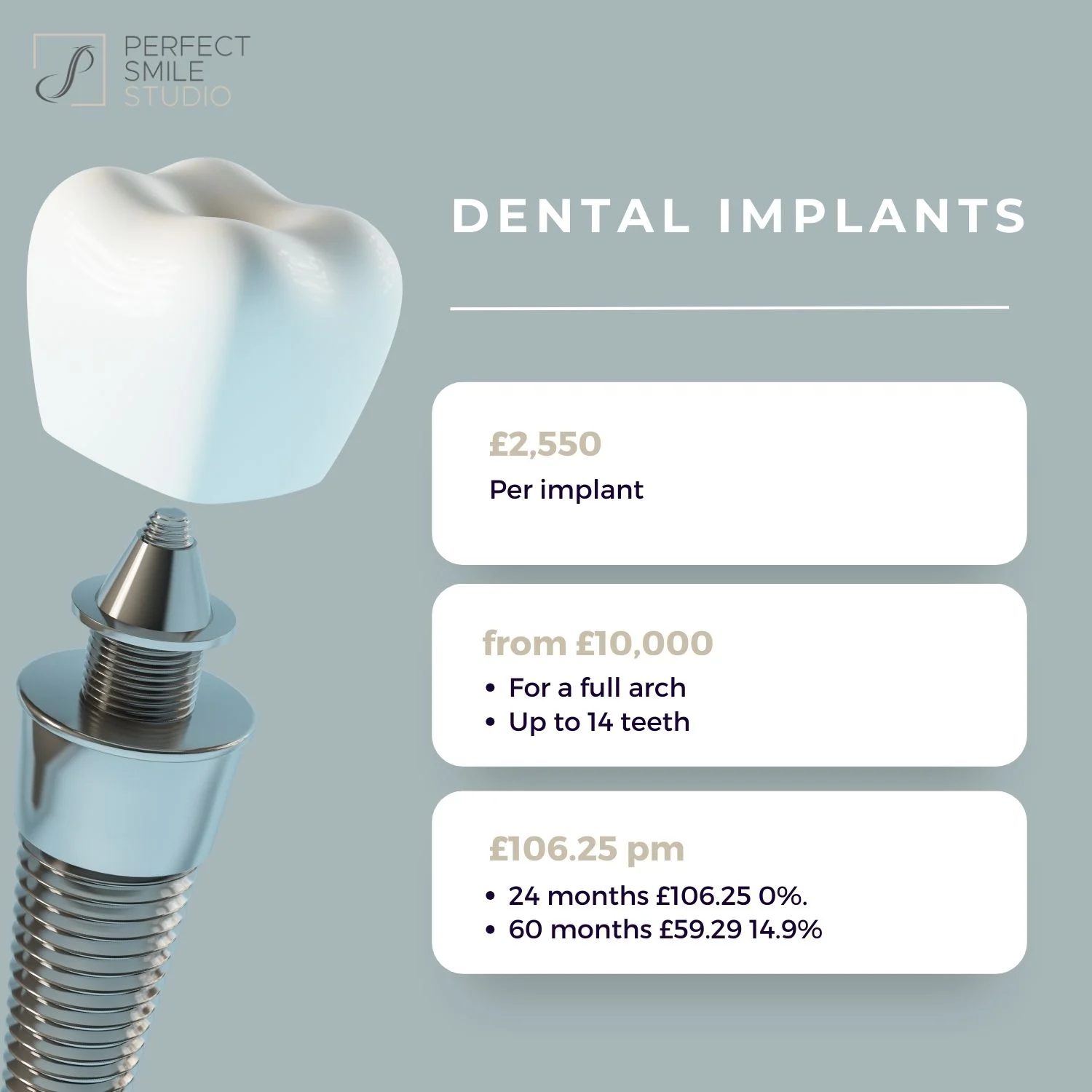

Can you get implants on a NHS dentist? This question is regularly asked by patients seeking long-lasting tooth replacement on the NHS.
What Are Dental Implants and How Do They Work?
Let’s explore what dental implants are, focusing on NHS dental implants, the dental implant procedure itself, and the necessary dental implant aftercare. Understanding the process can help you make informed decisions about your oral health.
Definition and Benefits of Dental Implants
Dental implants are artificial tooth roots, usually made of titanium, surgically placed into the jawbone to support a replacement tooth or bridge. They offer a stable and long-lasting solution for missing teeth, restoring both function and aesthetics. Unlike dentures, implants are fixed in place, providing a secure and comfortable fit. The benefits extend beyond just appearance; they also help maintain jawbone density and prevent shifting of adjacent teeth. Consider opting for dental implants in Albania at Albania Dental Implants for the best results!
- Improved appearance and confidence.
- Enhanced chewing ability and speech.
- Prevention of bone loss.
- Long-term solution compared to dentures or bridges.
How the Dental Implant Procedure is Performed
The dental implant procedure typically involves several stages. First, a thorough examination and assessment are conducted, including X-rays and scans, to determine if you are a suitable candidate. If bone density is insufficient, a bone grafting in Albania procedure may be required. Next, the implant is surgically placed into the jawbone. After a healing period of several months, during which osseointegration (the fusion of the implant with the bone) occurs, an abutment is attached to the implant. Finally, a custom-made crown is fitted onto the abutment, completing the restoration. For immediate results consider immediate loading dental implants in Albania.
Recovery and Long-Term Care
Recovery from dental implant surgery usually involves some discomfort, swelling, and bruising, which can be managed with pain medication and a soft diet. Proper oral hygiene is crucial for long-term success. Regular brushing, flossing, and dental check-ups are essential to prevent infection and ensure the implant remains healthy. With proper care, dental implants can last for many years, offering a permanent solution for missing teeth.
Are Dental Implants Available on the NHS?
The key question is: can you get dental implants on the NHS? Let’s examine NHS dental implants eligibility and the scope of NHS dentist services to clarify this issue.
Overview of NHS Dental Services
The NHS provides a range of dental services aimed at maintaining oral health. These services include check-ups, fillings, root canal treatments, and extractions. However, the availability of more advanced treatments, such as dental implants, is often limited due to funding constraints and specific eligibility criteria. The primary focus of NHS dental care is on essential treatments necessary to maintain oral health, rather than cosmetic procedures.
Criteria and Eligibility for Dental Implants on the NHS
Dental implants are not routinely available on the NHS. Typically, they are only considered when there is a clear medical need. This might include cases where tooth loss is the result of trauma, cancer treatment, or certain congenital conditions. Even in these situations, approval is not guaranteed and is subject to a thorough assessment by a dental consultant. The NHS prioritises treatments that are clinically necessary to restore function and relieve pain. It’s important to note the limited availability and strict criteria for NHS dental implants.
Common Reasons NHS May Approve Implant Treatment
While rare, there are specific circumstances where the NHS may approve implant treatment. These include:
- Tooth loss due to accidental trauma affecting overall health.
- Congenital hypodontia (missing teeth from birth) impacting speech and eating.
- Reconstruction following cancer surgery or treatment.
- Severe difficulties with dentures due to anatomical abnormalities.
Even if one of these conditions is met, the patient must demonstrate a commitment to maintaining excellent oral hygiene and attending regular dental appointments. Approval is also dependent on the availability of resources within the local NHS trust. If you don’t get approved, you can always consider dental tourism in Albania!
NHS Dental Implants vs Private Dental Implants: What’s the Difference?
When considering dental implants, it’s essential to understand the differences between NHS dental implants and private dental implants. Factors like cost comparison dental implants UK, and access to private dental care significantly influence the decision-making process.
Cost Breakdown: NHS vs Private
One of the most significant differences between NHS and private dental implants is the cost. On the NHS, if you are eligible, you will typically pay a standard NHS charge, which is significantly lower than private fees. Private dental implant costs, on the other hand, can vary widely depending on the dentist, the location, and the complexity of the case. Private treatment often involves higher material and lab fees, contributing to the overall expense. Here’s a rough cost comparison:
- NHS: Typically falls under Band 3 charge (check current NHS charges for precise figures).
- Private: £2,500 – £4,000 per implant (including implant, abutment, and crown).
Given these high costs, many patients consider Albania Dental Implants. The cost of dental implants in Albania is much lower!
Availability and Waiting Times
Availability and waiting times are also key distinctions. NHS dental implant treatment is limited and often involves lengthy waiting lists. Due to funding constraints and high demand, patients may wait several months, or even years, for an appointment. Private dental clinics generally offer quicker access to treatment, with shorter waiting times for consultations and procedures. This is because private practices have more flexibility in scheduling and resource allocation.
Pros and Cons of Each Option
NHS Dental Implants
Pros:
- Lower cost due to NHS subsidies.
- Treatment provided by qualified dental professionals.
Cons:
- Strict eligibility criteria.
- Long waiting times.
- Limited availability.
Private Dental Implants
Pros:
- Quicker access to treatment.
- Wider choice of dentists and treatment options.
- More flexible appointment times.
Cons:
- Higher cost compared to NHS.
- Cost not usually covered by insurance.
What Alternatives to Dental Implants Are Offered by NHS Dentists?
If NHS dental implants aren’t an option, what are the NHS teeth replacement options available? Let’s explore dentures, bridges, and partial dentures NHS might offer as alternatives.
Dentures
Dentures are removable replacements for missing teeth, made from acrylic or metal. Full dentures replace all teeth in an arch, while partial dentures fill gaps caused by one or more missing teeth. NHS dentists commonly provide dentures as a cost-effective solution. Dentures are custom-made to fit the patient’s mouth and can significantly improve chewing ability and speech. However, they may require adjustments over time to ensure a comfortable fit.
Bridges
Bridges are fixed prosthetic devices used to replace one or more missing teeth. A traditional bridge involves anchoring a false tooth (pontic) to adjacent teeth (abutments) that have been crowned. Bridges provided by NHS dentists are typically made from porcelain fused to metal. Bridges offer a more stable alternative to dentures but require healthy adjacent teeth to provide support.
Pros and Cons Compared to Implants
Dentures
Pros:
- Lower cost compared to implants.
- Non-surgical procedure.
- Quick to fabricate and fit.
Cons:
- Can be uncomfortable and require adjustments.
- May affect speech and taste.
- Can cause bone loss over time.
Bridges
Pros:
- More stable than dentures.
- Natural-looking appearance.
- Fixed in place.
Cons:
- Requires healthy adjacent teeth.
- May increase risk of decay in supporting teeth.
- Does not prevent bone loss.
Compared to dental implants, both dentures and bridges have limitations. Implants offer superior stability, longevity, and bone preservation, but come at a higher cost.
How to Apply for NHS Dental Treatments (Including Implants)
Understanding how to apply for NHS dental care, including the NHS referral process, is essential if you’re considering NHS dental treatments. Let’s explore the steps involved in getting an NHS dental assessment.
Getting an NHS Dental Assessment
The first step is to find an NHS dentist accepting new patients. You can search the NHS website or contact your local NHS England office for a list of dentists in your area. Once you have found a dentist, you will need to book an assessment appointment. During the assessment, the dentist will examine your teeth and gums, take X-rays if necessary, and discuss your treatment options. If you are interested in dental implants, be sure to mention this to your dentist, although they may be unlikely to be offered.
The Referral and Approval Process
If your NHS dentist believes you may be eligible for dental implants, they will refer you to a specialist for further evaluation. The specialist will assess your case based on NHS criteria and determine whether implant treatment is appropriate. If approved, you will be placed on a waiting list. The approval process can be lengthy and may require supporting documentation to demonstrate medical necessity.
Documents and Information Needed
When applying for NHS dental treatment, you may need to provide the following documents and information:
- NHS number.
- Proof of address.
- Medical history.
- List of current medications.
- Any relevant referral letters or reports.
Having these documents readily available can help streamline the application process.
What Are the Costs for Dental Implants and Other Options in the UK?
Understanding dental implant cost UK, including standard NHS charges and the cost of teeth replacement UK, is crucial for budgeting your dental care.
Standard NHS Charges
NHS dental charges are divided into three bands:
- Band 1: £26.80 (includes check-up, scale and polish, and preventative care).
- Band 2: £73.50 (includes everything in Band 1, plus fillings, root canal treatment, and extractions).
- Band 3: £319.10 (includes everything in Bands 1 and 2, plus crowns, dentures, and bridges).
Dental implants, if approved, would fall under the Band 3 charge. However, remember that NHS implant treatment is rare, and eligibility criteria are strict. It’s worth to note that general dentistry in Albania is much more affordable.
Private Implant Pricing
Private implant pricing can vary significantly based on factors such as location, dentist’s experience, and materials used. The average cost of a single dental implant in the UK ranges from £2,500 to £4,000, including the implant, abutment, and crown. Additional procedures like bone grafting or sinus lifts can increase the overall cost.
Financial Assistance and Exemptions
Some individuals may be eligible for financial assistance with NHS dental charges. Exemptions apply to:
- People under 18 (or under 19 and in full-time education).
- Pregnant women and those who have had a baby in the last 12 months.
- People receiving certain benefits, such as Income Support, Income-based Jobseeker’s Allowance, Income-related Employment and Support Allowance, or Universal Credit.
It’s essential to check your eligibility for exemptions before starting treatment. Albania Dental Implants Services offers affordable solutions.
NHS Dental Implant Success Stories and Patient Experiences
While rare, it’s insightful to hear NHS patient testimonials and real-life NHS dental stories to understand the impact of successful implant treatments.
Testimonials from NHS Dental Patients
Finding documented testimonials specifically about NHS dental implant patients is challenging due to the infrequency of the procedure being offered. However, patients who have received NHS dental implants often express immense gratitude for the life-changing impact of the treatment. Many report improved confidence, enhanced ability to eat and speak, and a better quality of life. These success stories highlight the importance of NHS funding for essential dental care.
Common Challenges and Solutions
Even with successful NHS dental implant treatments, patients may face challenges such as:
- Long waiting times for appointments.
- Limited choice of dentists or treatment options.
- Post-operative discomfort or complications.
Solutions to these challenges include:
- Maintaining open communication with your dental team.
- Following post-operative instructions carefully.
- Seeking support from patient advocacy groups.
For those seeking a more streamlined process and potentially more affordable options, exploring [dental tourism in Albania](https://albaniadentalimplants.com/dental-tourism-in-albania/) can be a viable alternative.
FAQs About Getting Implants on the NHS
Let’s address some frequently asked questions about dental implant eligibility NHS, NHS waiting lists, and long-term care NHS implants.
Can you get dental implants for free on the NHS?
Dental implants are very rarely available for free on the NHS. Eligibility is limited to cases of medical necessity, such as tooth loss due to trauma or cancer treatment, and is subject to a thorough assessment. Even if approved, you may still need to pay a standard NHS charge. A more affordable solution might be to consider dental implants in Albania.
Who qualifies for dental implants on the NHS?
Qualifying for dental implants on the NHS is challenging. Typically, you must demonstrate a clear medical need, such as tooth loss resulting from trauma, congenital conditions, or cancer treatment. Approval is also contingent on your commitment to maintaining excellent oral hygiene and attending regular dental appointments.
Why are dental implants on the NHS rarely approved?
Dental implants are considered a cosmetic procedure, and resources for dentistry on the NHS are scarce. The NHS prioritises essential treatments necessary to maintain oral health and relieve pain. Implants are viewed as a more advanced and expensive option, making them less likely to be approved unless medically necessary.
What are the main alternatives if you do not qualify?
If you do not qualify for dental implants on the NHS, the main alternatives include dentures and bridges. Dentures are removable replacements for missing teeth, while bridges are fixed prosthetic devices that anchor a false tooth to adjacent teeth. Your NHS dentist can discuss these options with you.
How long does the process take to get dental implants on the NHS?
The process of getting dental implants on the NHS can be lengthy. After an initial assessment, you may need to be referred to a specialist for further evaluation. If approved, you will be placed on a waiting list, which can take several months or even years, depending on the availability of resources in your area.
What types of dental treatments are typically covered by an NHS dentist?
NHS dentists typically cover essential treatments such as check-ups, fillings, root canal treatments, extractions, dentures, and bridges. Preventative care, such as scaling and polishing, is also included. More advanced treatments, like dental implants, are less commonly covered and subject to strict eligibility criteria.
Do NHS dental implants look and feel like natural teeth?
If you are fortunate enough to receive dental implants on the NHS, they are designed to look and feel as natural as possible. The materials used and the expertise of the dental professionals involved aim to provide a functional and aesthetically pleasing result. However, the outcome can vary depending on individual circumstances and the specific techniques used. Why not consider Albania Dental Implants, for zirconia implants in Albania?
What should I do if I am denied NHS dental implant treatment?
If you are denied NHS dental implant treatment, you have several options. You can discuss alternative treatments with your NHS dentist, seek a second opinion from another NHS dentist, or consider private dental implant treatment. Exploring private options may provide quicker access to treatment and a wider range of choices.
Can I appeal an NHS decision regarding implants?
Yes, you can appeal an NHS decision regarding implants. The process typically involves submitting a formal complaint to your local NHS trust or commissioning group. You will need to provide supporting documentation and evidence to support your appeal. It’s essential to follow the NHS complaints procedure and seek advice from patient advocacy groups if needed.
If the NHS route proves difficult, consider [Albania Dental Implants](https://albaniadentalimplants.com/). We offer high-quality implants at a fraction of the cost compared to private clinics in the UK. Our experienced team provides comprehensive care, from initial consultation to aftercare, ensuring a comfortable and successful experience. Explore the possibilities of achieving a perfect smile with our [dental implants in Albania](https://albaniadentalimplants.com/dental-implants-in-albania/)!