




Can you get screw-in teeth on NHS? This is a question many people in the UK ask when considering options for replacing missing teeth. This complete guide explores NHS coverage for dental implants (often referred to as “screw-in teeth”), alternatives, costs, eligibility, and what competitors say about accessing this treatment in the UK.
What are screw-in teeth and why are they needed?
Cluster: Dental implants explained, tooth replacement options, dental restoration
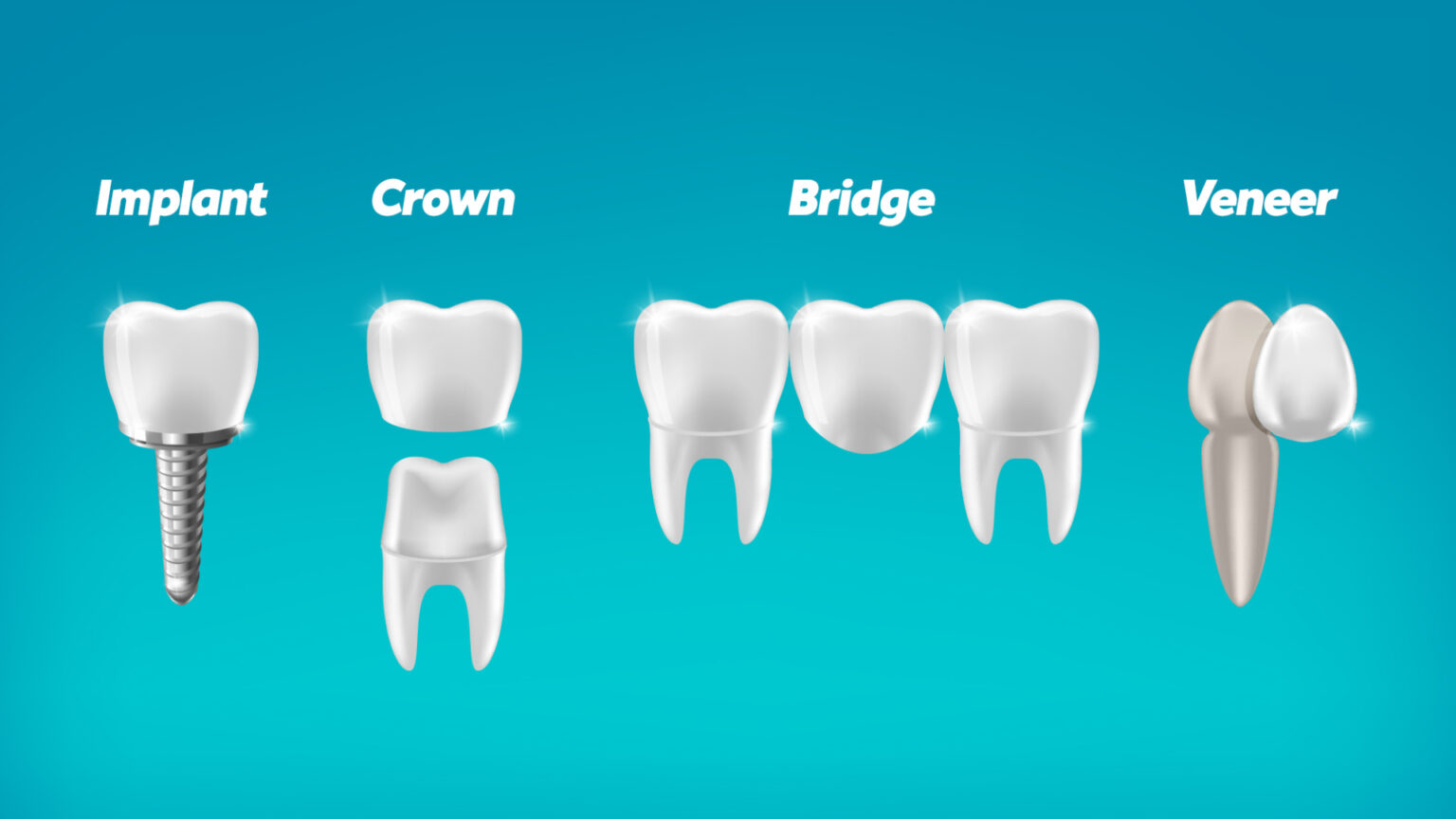
“Screw-in teeth” is a common term for dental implants. They are artificial tooth roots, typically made of titanium, that are surgically placed into the jawbone. Once integrated with the bone, they provide a stable base for replacement teeth that look, feel, and function like natural teeth.
Medical Indications for Dental Implants
Dental implants are not just a cosmetic solution. They are medically indicated in several situations:
- Missing Teeth: Replacing one or more missing teeth to restore chewing ability, speech, and aesthetics.
- Bone Loss: Implants help stimulate bone growth, preventing further bone loss that can occur after tooth extraction.
- Support for Dentures or Bridges: Implants can provide a secure anchor for dentures or bridges, improving their stability and function.
Individuals may consider Albania Dental Implants Services for high-quality and affordable solutions, combining expert care with the benefits of dental tourism.
Does the NHS provide screw-in teeth (dental implants)?
Cluster: NHS dental fees, eligibility for NHS dental implants, NHS dental policy
The availability of dental implants on the NHS is limited. While the NHS provides a range of dental treatments, including tooth replacement options, dental implants are not routinely offered. NHS funding is typically reserved for cases where there is a clear medical need.
Strict Eligibility Criteria
Accessing dental implants through the NHS is subject to strict eligibility criteria. Funding is prioritized for treatments that are deemed medically necessary rather than cosmetic.
Who qualifies for dental implants on the NHS?
Cluster: NHS health criteria, medical necessity, implant qualifying conditions
The NHS may provide dental implants in rare circumstances where there is a significant medical need. These circumstances typically include:
- Trauma: Cases where teeth have been lost due to an accident or injury.
- Congenital Defects: Individuals born with missing teeth or severe dental abnormalities.
- Medical Conditions: Certain medical conditions that have resulted in tooth loss or the inability to wear dentures.
Each case is assessed individually, and approval depends on meeting specific NHS health criteria and demonstrating medical necessity. For those who do not qualify, exploring options such as affordable dental tourism in Albania might be a solution. As an example, patients opting for procedures like all on 4 dental implants in albania can find considerable savings.
What If I Don’t Qualify for NHS Implants?
Even if you don’t meet the strict NHS criteria, you still have options. Many people choose to pursue private dental implant treatment. While this involves a higher upfront cost, it offers greater flexibility in terms of treatment options, materials used, and appointment availability.
What alternatives does the NHS offer for missing teeth?
Cluster: NHS dentures, bridges, NHS tooth replacement options
When dental implants are not an option on the NHS, there are alternative tooth replacement solutions available:
- Dentures: Removable appliances that replace missing teeth.
- Bridges: Fixed dental restorations that bridge the gap between missing teeth by attaching to adjacent teeth.
While these alternatives are more readily available on the NHS, they may not offer the same long-term benefits as dental implants, such as preventing bone loss and providing a more stable and natural-feeling solution.
Comparing Dentures and Bridges to Implants
Dentures are a more affordable option, but they can be less stable and may require adjustments over time. Bridges are fixed, but they require altering adjacent teeth, which can increase the risk of future dental problems. Dental implants, while more expensive upfront, offer a long-term solution that preserves bone and does not affect adjacent teeth.
How much do screw-in teeth cost privately in the UK?
Cluster: Private dental implant cost UK, dental implant price comparison, affordability for implants
The cost of dental implants in the UK can vary widely depending on several factors, including:
- Number of Implants: The more implants needed, the higher the overall cost.
- Implant Type: Different types of implants (e.g., titanium, zirconia) have different price points.
- Location: Costs can vary depending on the dental practice’s location within the UK.
- Additional Procedures: Procedures like bone grafting or sinus lifts, if needed, will add to the total cost.
As a general guide, a single dental implant in the UK can range from £2,000 to £4,000. Full mouth dental implants can cost between £8,000 to £15,000 per arch. Many individuals explore options outside the UK, such as affordable dental implants in Albania, to reduce expenses without compromising quality.
Cost Comparison: NHS vs. Private
While NHS dental treatments are subsidized, the limited availability of implants means that most people will need to consider private options. The costs for private dental implants are significantly higher but offer more comprehensive and personalized care.
What is the process for getting screw-in teeth privately?
Cluster: UK dental surgery process, steps for dental implants, dental consultation UK
Getting dental implants privately typically involves several steps:
- Initial Consultation: A comprehensive examination, including X-rays and scans, to assess your suitability for implants.
- Treatment Planning: Developing a personalized treatment plan based on your needs and oral health.
- Implant Placement: Surgical placement of the titanium implant into the jawbone.
- Osseointegration: A healing period (typically 3-6 months) during which the implant fuses with the bone.
- Abutment Placement: Attaching a connector (abutment) to the implant, which will hold the replacement tooth.
- Crown Placement: Fitting the custom-made crown (replacement tooth) onto the abutment.
- Follow-up Care: Regular check-ups to ensure the implant remains healthy and functional.
Finding a Reputable Clinic
Choosing an experienced and reputable dental clinic is essential for a successful dental implant procedure. Look for clinics with qualified implant dentists, advanced technology, and positive patient reviews.
Accessing NHS dental care: practical advice
Cluster: Finding NHS dentists, NHS dental waiting times, NHS treatment bands
Accessing NHS dental care can be challenging, but here are some practical tips:
- Finding an NHS Dentist: Use the NHS website to search for dentists in your area accepting new NHS patients.
- Registration: Contact the dental practice to inquire about registration and appointment availability.
- Waiting Times: Be prepared for potential waiting times, as demand for NHS dental services can be high.
- NHS Treatment Bands: Understand the NHS treatment bands and associated costs to budget accordingly.
Navigating the NHS System
The NHS operates on a banded system of charges, meaning you’ll pay a fixed price for a course of treatment, regardless of how many appointments you need. Knowing which band your treatment falls into will help you understand the costs involved.
Screw-in teeth and NHS policies: Common misconceptions
Cluster: NHS dental myths, implant misconceptions, UK dental policy facts
There are several common misconceptions about getting dental implants on the NHS:
- Misconception: Dental implants are readily available on the NHS. Fact: NHS funding for implants is limited to cases of medical necessity.
- Misconception: NHS dental care is entirely free. Fact: Most adults pay for NHS dental treatments, although some exemptions apply.
- Misconception: All NHS dentists offer dental implants. Fact: Not all NHS dentists are trained or equipped to provide dental implant treatment.
Understanding the Reality
It’s crucial to have accurate information about NHS policies to make informed decisions about your dental care. If you’re considering dental implants, it’s best to explore all available options, including private treatment and options abroad, such as those provided by implantology in albania.
Frequently Asked Questions (FAQ)
Can I get screw-in teeth for cosmetic reasons on the NHS?
No, screw-in teeth (dental implants) are generally not available on the NHS for purely cosmetic reasons. The NHS prioritizes funding for treatments that are medically necessary.
Are dental implants always free on the NHS?
Dental implants are not always free on the NHS. Most adults have to pay for NHS dental treatments, and even if you qualify for implants on the NHS, you may still need to pay a contribution towards the cost.
What’s the difference between NHS and private dental implants?
The main differences between NHS and private dental implants are availability, choice, and cost. NHS implants are limited to specific medical needs, offer fewer options, and are subject to waiting times. Private implants offer greater flexibility, choice of materials, and quicker access, but at a higher cost.
What documents do I need for NHS dental eligibility?
To prove your eligibility for NHS dental treatment, you may need to provide documents such as your NHS number, proof of address, and evidence of any benefits you receive that entitle you to free or reduced-cost dental care.
How long does the process take if I qualify for screw-in teeth on the NHS?
If you qualify for screw-in teeth on the NHS, the process can take several months or even years due to waiting lists and the time required for assessment and treatment planning. The actual implant procedure and healing time are similar to private treatment.
Can children get dental implants from the NHS?
Dental implants are rarely offered to children on the NHS. Generally, implants are not recommended until the jawbone has fully developed, which typically occurs in late adolescence or early adulthood. In exceptional cases, children with congenital defects or severe trauma may be considered for implants.
What should I do if I’m refused NHS screw-in teeth?
If you are refused NHS screw-in teeth, you have the right to appeal the decision. You can also explore alternative tooth replacement options available on the NHS or consider private dental implant treatment.
If you’re considering high-quality, affordable dental implants, explore your options with Albania Dental Implants. Contact us today to learn more about our dental tourism services and how we can help you restore your smile!





