



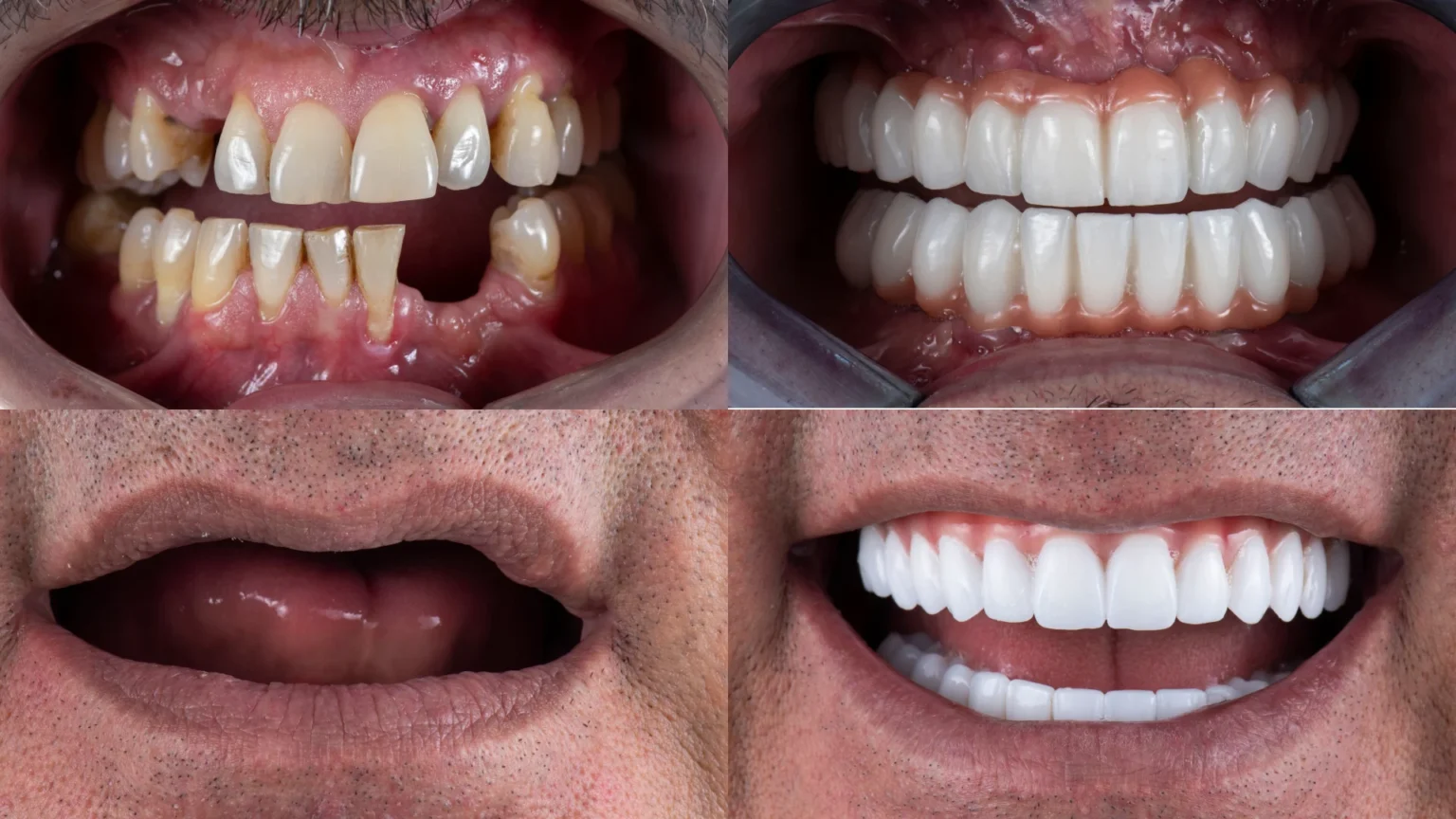

Can you have a full mouth of dental implants? This article provides a comprehensive answer to that question, covering the procedures involved, eligibility criteria, associated costs, potential risks, and expected results. We’ll also compare full mouth dental implants with alternative teeth replacement options, to help you make an informed decision about restoring your smile with Albania Dental Implants.
1. Introduction: Full Mouth Dental Implants
Losing most or all of your teeth can significantly impact your quality of life. It affects your ability to eat comfortably, speak clearly, and feel confident about your appearance. Fortunately, modern dentistry offers a reliable and long-lasting solution: full mouth dental implants. They are a permanent solution for those who suffer from extensive tooth loss due to decay, injury, or disease.
What are Full Mouth Dental Implants?
Full mouth dental implants are a comprehensive teeth replacement solution that uses multiple implants to support a full set of artificial teeth. This restoration can be achieved using various techniques, including All-on-4 dental implants, implant-supported dentures, or traditional dental restoration procedures. Rather than replacing each missing tooth with an individual implant, full mouth implants strategically use a smaller number of implants to support an entire arch of teeth.
Who Might Need Full Mouth Dental Implants?
Individuals who have experienced widespread tooth loss due to severe decay, gum disease, trauma, or other medical conditions are often ideal candidates for full mouth dental implants. This treatment can also benefit those who are currently wearing traditional dentures and are seeking a more stable and permanent solution.
2. What are Full Mouth Dental Implants?
The term full mouth dental implants describes a comprehensive approach to restoring an entire arch of teeth using dental implants. This differs significantly from single or multiple implants, which address individual missing teeth. With full mouth implants, a strategic number of implants support a complete set of artificial teeth, offering enhanced stability, functionality, and aesthetics.
Full Mouth Dental Implants vs. Single or Multiple Implants
Unlike single or multiple implants, which replace individual missing teeth, full mouth dental implants are designed to restore an entire arch of teeth. Single implants are ideal for those who have lost one or a few teeth, whereas full mouth implants are suited for individuals with significant tooth loss in need of a more comprehensive solution. Full mouth dental implants with dental tourism in Albania can improve your smile.
Overview of Full Mouth Dental Implant Procedures
There are several procedures used to place full mouth dental implants:
- All-on-4: This innovative technique uses only four implants to support an entire arch of teeth, offering a cost-effective and efficient solution. The implants are strategically placed at an angle to maximize support and stability.
- Implant Dentures: These dentures are anchored to dental implants, providing significantly improved stability and retention compared to traditional dentures. They can be either removable or fixed, depending on the patient’s needs and preferences.
- Dental Restoration: Involves placing individual implants for each missing tooth or using a combination of implants and bridges to restore the entire mouth. This approach offers maximum stability and a natural look and feel.
3. Who is Eligible for Full Mouth Dental Implants?
Determining eligibility for full mouth dental implants involves a thorough assessment of your overall health, oral health, and bone density. Your dentist will conduct a comprehensive evaluation to determine if you are a suitable candidate for this procedure, also the dentist will evaluate if a bone grafting in albania is needed.
Medical and Dental Assessments for Implants
The assessment typically includes a review of your medical history, a clinical examination of your mouth, and X-rays or CT scans to evaluate your jawbone. Certain medical conditions, such as uncontrolled diabetes or severe cardiovascular disease, may affect your eligibility for dental implants. Similarly, ongoing gum disease or other oral health issues need to be addressed before proceeding with implant placement.
The Role of Bone Grafting
Sufficient bone density is crucial for the successful placement and long-term stability of dental implants. If you have experienced bone loss in your jaw, a bone grafting procedure may be necessary to augment the bone volume and provide adequate support for the implants. A bone graft involves transplanting bone tissue from another area of your body or using a synthetic bone material to rebuild the jawbone.
Best Candidates for Full Mouth Dental Implants
The best candidates for full mouth dental implants generally possess the following characteristics:
- Good overall health
- Adequate bone density in the jaw
- Commitment to maintaining excellent oral hygiene
- Non-smoker or willing to quit smoking
4. Types of Full Mouth Implants
Several types of full mouth implants are available, each with its own advantages and considerations. The choice of implant type depends on your individual needs, preferences, and budget. For example if you want a more natural smile you can consider the option of getting a hollywood smile in albania.
Conventional Implants
Conventional implants involve placing individual implants at each tooth site or strategically placing multiple implants to support a bridge or denture. This approach offers maximum stability and a natural feel.
All-on-4 and All-on-6 Systems
All-on-4 and All-on-6 systems are efficient and cost-effective options for full mouth restoration. These techniques use only four or six implants, respectively, to support an entire arch of teeth. The implants are strategically angled to maximize support and avoid the need for bone grafting in many cases. This solution is very popular in Albania.
Implant-Supported Dentures vs. Bridges
Implant-supported dentures offer improved stability and retention compared to traditional dentures. They can be either removable, allowing for easy cleaning, or fixed, providing a more permanent solution. Implant-supported bridges involve placing implants to support a bridge that spans multiple teeth. This option offers excellent stability and aesthetics, closely resembling natural teeth.
5. The Dental Implant Procedure Step-by-Step
The dental implant procedure involves several steps, from the initial consultation to the final restoration. Understanding each step can help you feel more prepared and confident throughout the process.
Consultation and Planning
The first step involves a comprehensive consultation with your dentist to assess your oral health, discuss your goals, and determine the best treatment plan. This may include X-rays, CT scans, and impressions of your teeth. Using dental implants with a dental clinic in albania can give you a peace of mind.
Surgery Process: Extraction, Implant Placement, Healing
If necessary, any remaining teeth will be extracted. The dental implants are then surgically placed into your jawbone. The gums are stitched closed, and a healing period of several months is required to allow the implants to fuse with the bone (osseointegration). You can have immediate loading dental implants in albania.
Temporary Teeth & Final Restoration
During the healing period, you may be fitted with temporary teeth to maintain your appearance and function. Once the implants have fully integrated with the bone, your dentist will attach the final restoration, which may be a bridge, denture, or individual crowns.
6. Recovery and Aftercare
Proper recovery and aftercare are crucial for the long-term success of your full mouth dental implants. Following your dentist’s instructions and maintaining excellent oral hygiene can help ensure the longevity of your implants.
Timeline and Stages
The initial recovery period typically lasts one to two weeks, during which you may experience some discomfort, swelling, and bruising. Over the next several months, the implants will fully integrate with the bone. Regular check-ups and cleanings are essential to monitor the health of your implants and prevent any complications.
Diet, Hygiene, and Follow-Up Visits
During the initial recovery phase, it’s best to stick to a soft diet to avoid putting excessive pressure on the implants. Maintain excellent oral hygiene by brushing gently around the implant sites and using an antimicrobial mouthwash. Attend all scheduled follow-up visits with your dentist to ensure proper healing and implant stability. Consider having general dentistry in albania to help you with aftercare.
7. Costs and Financing Options
The cost of full mouth dental implants can vary depending on the type of implant, the complexity of the procedure, and the location of the dental practice. Understanding the costs involved and exploring financing options can help make this treatment more accessible. The cost of dental implants in albania can be more affordable.
Cost Range: UK-Specific Data
In the UK, the cost of full mouth dental implants can range from £7,000 to £25,000 or more per arch. This range accounts for variations in implant type, materials used, and the dentist’s fees. It’s important to obtain a detailed cost estimate from your dentist that outlines all expenses involved. Costs can vary between getting this done on a NHS dentist or private.
Private vs. NHS Coverage
In most cases, full mouth dental implants are not covered by the NHS unless there is a clear medical necessity. Private dental insurance may cover a portion of the costs, but it’s essential to check your policy details and coverage limits. Exploring private dental clinics will give you more options to choose from.
Financing Plans
Many dental practices offer financing plans to help patients spread the cost of treatment over time. These plans may involve low-interest loans or payment arrangements that can make full mouth dental implants more affordable. Discuss your financing options with your dentist to find a plan that fits your budget.
8. Benefits and Risks of Full Mouth Implants
Full mouth dental implants offer numerous benefits, including improved oral health, enhanced aesthetics, and increased self-confidence. However, like any surgical procedure, there are also potential risks and complications to consider.
Success Rates & Advantages
Full mouth dental implants have high success rates, with many studies reporting a success rate of 95% or higher. The advantages of dental implants include:
- Improved stability and retention compared to traditional dentures
- Enhanced chewing ability and speech clarity
- Natural look and feel
- Prevention of bone loss in the jaw
- Increased self-confidence and quality of life
Potential Complications and Risks
Potential complications and risks associated with dental implants may include:
- Infection at the implant site
- Nerve damage
- Sinus problems
- Implant failure
- Peri-implantitis (inflammation around the implant)
Choosing an experienced and qualified dentist, and following their post-operative instructions can minimize these risks, consider going to the Albania Dental Implants.
9. Alternatives to Full Mouth Dental Implants
While full mouth dental implants offer a comprehensive and long-lasting solution for teeth replacement, alternative options are available. Understanding the pros and cons of each option can help you make an informed decision about the best treatment for your needs.
Traditional Dentures
Traditional dentures are removable appliances that replace missing teeth. While they are a more affordable option than dental implants, they can be less stable and may require adjustments over time. Traditional dentures may also affect your ability to taste food and speak clearly.
Denture Bridges
Denture bridges involve attaching artificial teeth to adjacent natural teeth. While bridges can restore your smile and function, they require altering the adjacent teeth and may not be as stable as dental implants.
Pros and Cons vs. Implants
Compared to full mouth dental implants, traditional dentures and bridges offer the following pros and cons:
- Dentures: More affordable, non-surgical, but less stable and may affect speech and taste.
- Bridges: Less invasive than implants, but require altering adjacent teeth and may not be as durable.
10. Frequently Asked Questions
Here are some frequently asked questions about full mouth dental implants.
How long does the process take from start to finish?
The entire process, from the initial consultation to the final restoration, can take anywhere from six months to a year or more. The timeline depends on factors such as the need for extractions, bone grafting, and the healing time required for osseointegration.
Are full mouth implants painful?
The implant placement procedure is typically performed under local anesthesia, so you should not experience any pain during the surgery. Some discomfort, swelling, and bruising are normal during the initial recovery period, but this can be managed with pain medication.
Can I get implants with bone loss?
If you have experienced bone loss in your jaw, a bone grafting procedure may be necessary to augment the bone volume and provide adequate support for the implants. Your dentist will evaluate your bone density and determine if bone grafting is required.
How long do full mouth implants last?
With proper care and maintenance, full mouth dental implants can last a lifetime. Regular check-ups, professional cleanings, and excellent oral hygiene are essential to ensure the longevity of your implants.
Are there age restrictions?
There is no upper age limit for dental implants, as long as you are in good overall health. However, dental implants are generally not recommended for individuals under the age of 18, as their jawbones are still developing. The best age for dental implants really depends on development.
Can implants be done in one day?
In some cases, it may be possible to have implants placed and temporary teeth fitted in a single day using the All-on-4 technique. However, this depends on your individual circumstances and the recommendation of your dentist.
Is it safe and what are the risks?
Full mouth dental implants are generally considered safe when performed by an experienced and qualified dentist. However, there are potential risks and complications to consider, such as infection, nerve damage, and implant failure.
How do I care for my implants long-term?
Caring for your implants involves maintaining excellent oral hygiene, including brushing twice a day, flossing daily, and using an antimicrobial mouthwash. Regular check-ups and professional cleanings are also essential to monitor the health of your implants and prevent any complications. You can also consider going to a dentist that practices cosmetic dentistry in albania for more options.
Considering full mouth dental implants? Contact Albania Dental Implants today to schedule a consultation and discover how we can help you restore your smile and confidence!





