



Crown Tooth – Everything You Need to Know Before Getting a Dental Crown
What Is a Crown Tooth?
Cluster Keyword: tooth crown definition, types of dental crowns
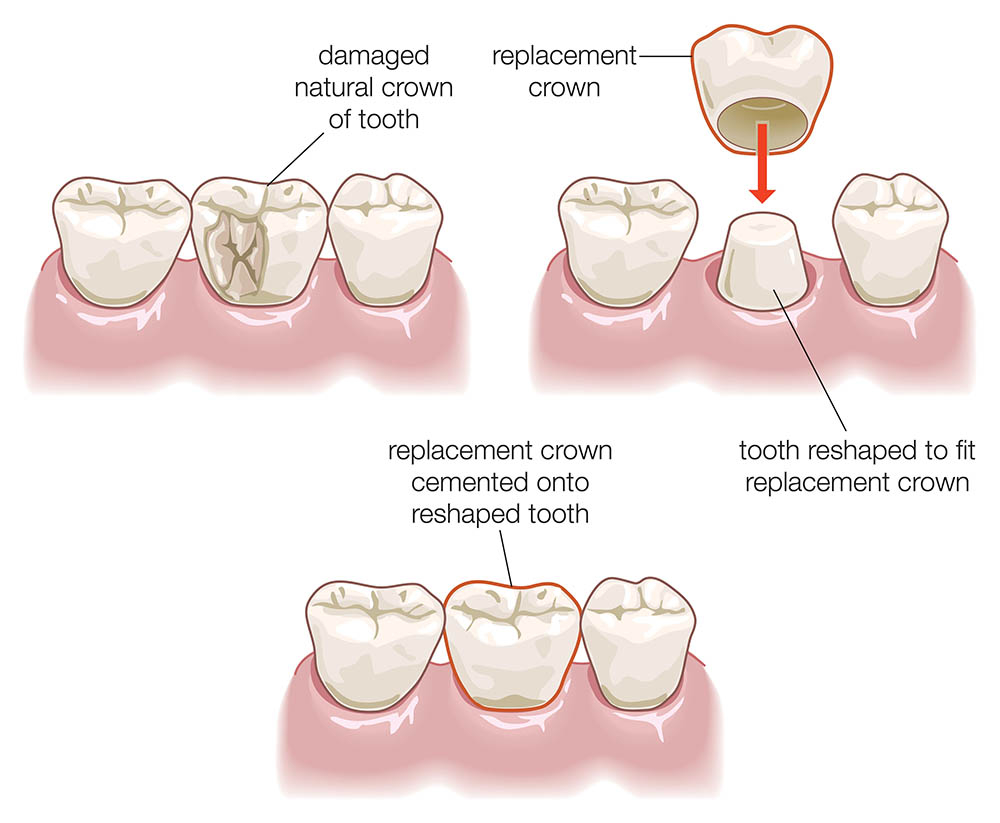
A crown tooth, often referred to simply as a dental crown, is a custom-made cap that covers a tooth to restore its shape, size, strength, and appearance. It essentially encases the entire visible portion of a tooth that lies at and above the gum line. A crown tooth is one of the most versatile restorative treatments available, and can be used to repair decayed and damaged teeth. If the crown tooth is severely damaged, dental implants might be required, and Albania Dental Implants offers top notch dental implants in Albania.
Purpose and Recommendations
Crowns are recommended in various situations. The primary purpose is to protect and strengthen a tooth that is:
- Weakened by decay
- Cracked or fractured
- Has undergone a root canal
- Badly worn down
- Misshapen or discolored
Additionally, crowns can be used to cover a dental implant, hold a dental bridge in place, or protect a tooth that has a large filling.
Types of Dental Crowns
Cluster Keyword: porcelain crown, ceramic crown, gold crown, zirconia crown, metal crown
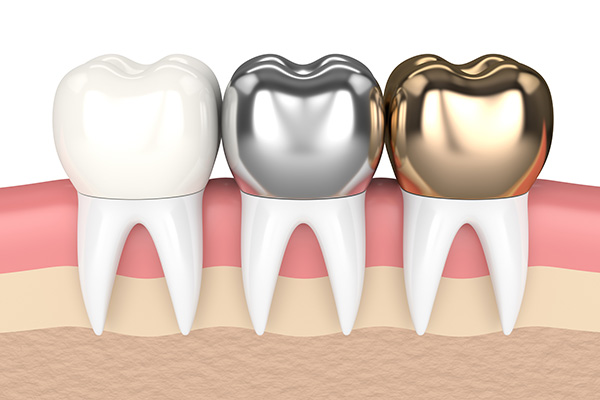
Several types of crown tooth materials are available, each with its unique advantages and disadvantages. The best choice depends on individual needs, preferences, and the location of the tooth being restored. Here are the common types:
Porcelain Crowns
Porcelain crowns are popular because of their excellent aesthetics. They can be matched to the natural color of your teeth, making them virtually indistinguishable. Porcelain crowns are an excellent choice for front teeth where appearance is a priority. In addition to crown teeth, Albania Dental Implants offers dental veneers in Albania to help restore the appearance of your smile.
Ceramic Crowns
Ceramic crowns are similar to porcelain crowns in terms of aesthetics but are typically made from a stronger, more durable material. They are biocompatible, meaning they are less likely to cause allergic reactions or irritate the gums. Ceramic crowns are a great option for patients with metal sensitivities.
Gold Crowns
Gold crowns are known for their exceptional durability and strength. Gold is a biocompatible material that is gentle on opposing teeth. While they are not as aesthetically pleasing as porcelain or ceramic crowns, they are ideal for back teeth where strength is more important than appearance.
Zirconia Crowns
Zirconia crowns are made from a strong, durable ceramic material that offers both excellent aesthetics and strength. They are a popular choice for both front and back teeth. Zirconia crowns are also biocompatible and resistant to staining.
Metal Crowns
Metal crowns, typically made from alloys like nickel-chromium or cobalt-chromium, are a cost-effective option known for their strength and durability. They are often used for back teeth where aesthetics are not a primary concern. While durable, they are not as aesthetically pleasing as other materials.
Aesthetic, Durability, and Price Factors
Here’s a comparison of the different types of crown materials based on aesthetics, durability, and price:
- Aesthetics: Porcelain and ceramic crowns offer the best aesthetic results, closely mimicking the appearance of natural teeth. Zirconia also provides good aesthetics. Gold and metal crowns are the least aesthetic options.
- Durability: Gold crowns are the most durable, followed by zirconia and metal crowns. Ceramic and porcelain crowns are less durable but still offer sufficient strength for most situations.
- Price: Metal crowns are typically the most affordable, followed by gold crowns. Porcelain, ceramic, and zirconia crowns are generally more expensive due to the materials and manufacturing processes involved.
The Crown Tooth Procedure: Step-by-Step
Cluster Keyword: dental crown procedure, getting a crown, dentist appointment for crowns
The process of getting a crown tooth typically involves a few appointments. Here’s a step-by-step overview of what you can expect:
Consultation and Assessment
The first step is a consultation with your dentist. During this appointment, your dentist will examine your tooth, take X-rays, and determine if a crown is the right solution for your needs. They will also discuss the different types of crown materials available and help you choose the best option. In some cases, a root canal may be necessary before a crown can be placed.
Tooth Preparation
Once you and your dentist have decided to proceed with a crown, the next step is to prepare the tooth. This involves removing any decay and shaping the tooth so that the crown can fit properly. The amount of tooth structure that needs to be removed depends on the type of crown being used. If a significant portion of the tooth is missing due to decay or damage, a build-up may be necessary to provide enough support for the crown.
Impressions and Temporary Crown
After the tooth is prepared, your dentist will take impressions of your teeth. These impressions will be sent to a dental laboratory, which will custom-make your permanent crown. In the meantime, your dentist will place a temporary crown on your tooth to protect it until the permanent crown is ready. You should take extra care when eating and brushing with a temporary crown, as it is more fragile than a permanent crown.
Permanent Crown Fitting
When your permanent crown is ready, you will return to your dentist for a final fitting. Your dentist will remove the temporary crown and carefully check the fit and color of the permanent crown. If everything looks good, the crown will be cemented into place using a special dental adhesive. Your dentist will make any necessary adjustments to ensure a comfortable fit and proper bite.
Costs and Insurance for Crown Teeth
Cluster Keyword: dental crown cost, NHS crown, private dental crown, insurance for crowns
The cost of a crown tooth can vary widely depending on several factors, including the type of material used, the location of the dental practice, and whether you are receiving treatment through the NHS or private dental care. Here’s what you need to know about costs and insurance coverage in the UK.
Typical Cost Range (NHS vs Private in the UK)
On the NHS, dental treatments are divided into different bands, each with a set price. As of [insert current date], a crown typically falls under Band 3, which costs £[insert current NHS Band 3 price]. This price covers all necessary appointments and procedures associated with getting a crown.
Private dental crown costs vary more significantly. Here’s a general range:
- Metal Crowns: £[insert approximate price range]
- Porcelain-fused-to-Metal Crowns: £[insert approximate price range]
- All-Ceramic Crowns: £[insert approximate price range]
- Zirconia Crowns: £[insert approximate price range]
- Gold Crowns: £[insert approximate price range]
Factors Affecting Cost
Several factors can influence the cost of a crown tooth:
- Material: As noted above, different materials have different costs.
- Location: Dental practices in major cities or affluent areas may charge more.
- Dentist’s Experience: Highly experienced or specialized dentists may have higher fees.
- Complexity: If additional procedures, such as a root canal or build-up, are required, the cost will increase.
Coverage and Repayment (Insurance/NHS)
The NHS provides coverage for dental crowns deemed necessary for maintaining oral health. However, the options for materials may be limited, and aesthetic considerations may not be prioritized. For instance, you might not be able to get a tooth-colored crown on a back tooth through the NHS.
Private dental insurance plans often cover a portion of the cost of dental crowns. The level of coverage depends on your specific plan, so it’s essential to check the details of your policy. Some plans may have annual limits, waiting periods, or exclusions for certain types of crowns. Repayment options, such as financing plans, are often available through private dental practices to help manage the cost of treatment. If you are on a budget, crown teeth in Albania might be the best choice for you, and Albania Dental Implants offers competitive prices in Albania.
Caring for Your Crown Tooth
Cluster Keyword: crown tooth care, crown maintenance, brushing with crown
Proper care and maintenance are essential to ensure the longevity of your crown tooth. Here are some tips to help you keep your crown in good condition:
Daily Care and Hygiene Tips
Maintaining excellent oral hygiene is crucial. Brush your teeth at least twice a day with a soft-bristled toothbrush and fluoride toothpaste. Pay special attention to the area around the crown, where plaque and bacteria can accumulate. Floss daily to remove plaque and debris from between your teeth and around the crown. Consider using an interdental brush or floss threader to clean hard-to-reach areas.
Foods to Avoid
While crowns are strong and durable, certain foods can damage or dislodge them. Avoid:
- Hard Foods: Nuts, hard candies, and ice can crack or chip crowns.
- Sticky Foods: Chewy candies, caramel, and gum can pull crowns loose.
- Tough Foods: Hard-crusted bread and tough meats can put excessive pressure on crowns.
Also, be mindful of foods and beverages that can stain your teeth, such as coffee, tea, and red wine.
How Long Crowns Last and Signs It Needs Replacing
With proper care, dental crowns can last for many years, typically ranging from 5 to 15 years or even longer. However, crowns are not permanent and may eventually need to be replaced. Signs that your crown tooth may need replacing include:
- Pain or Sensitivity: Persistent pain or sensitivity around the crown could indicate decay or infection.
- Loose Crown: If the crown feels loose or moves when you chew, it needs to be evaluated by a dentist.
- Cracked or Chipped Crown: Visible damage to the crown can compromise its integrity.
- Gum Recession: Receding gums around the crown can expose the margin and increase the risk of decay.
- Dark Line: A dark line near the gum line could indicate that the metal under a porcelain-fused-to-metal crown is showing.
Common Problems and FAQs About Crown Teeth
Cluster Keyword: crown pain, loose crown, crown fell out, sensitive crown
While crown teeth are generally successful, some common problems can arise. Here’s what to do if you experience any issues:
Addressing Common Post-Procedure Concerns
After getting a crown, it’s normal to experience some sensitivity to hot and cold temperatures. This usually subsides within a few weeks. If sensitivity persists or becomes severe, consult your dentist. Gum irritation around the crown is also common initially. Gentle brushing and flossing can help alleviate this. If irritation continues, see your dentist to rule out other issues.
Troubleshooting Discomfort/Pain
If you experience discomfort or pain around your crown tooth, try over-the-counter pain relievers like ibuprofen or acetaminophen. Avoid chewing on the side of your mouth with the crown until the discomfort subsides. If the pain is severe or persistent, it’s important to see your dentist to determine the cause and receive appropriate treatment.
Managing Emergencies (Crown Falling Out)
If your crown falls out, contact your dentist as soon as possible. In the meantime, you can try to temporarily reattach the crown using dental cement available at most pharmacies. Clean the crown and the tooth before applying the cement. If you can’t reattach the crown, keep it in a safe place and bring it with you to your dentist appointment. Avoid eating sticky or hard foods until the crown is replaced.
Alternatives to Crown Teeth
Cluster Keyword: dental veneers, dental bonding, onlay, inlay
While a crown tooth is often the best solution for damaged or weakened teeth, several alternatives may be suitable depending on the extent of the damage and your individual needs:
Dental Veneers
Dental veneers are thin, custom-made shells that cover the front surface of teeth. They are primarily used for cosmetic purposes to improve the appearance of teeth that are discolored, chipped, or slightly misshapen. Veneers are not suitable for teeth that are severely damaged or weakened.
Dental Bonding
Dental bonding involves applying a tooth-colored resin material to the surface of a tooth. It is a less invasive and more affordable alternative to crowns and veneers. Bonding is suitable for minor repairs, such as small chips or cracks, and can also be used to fill small gaps between teeth. However, bonding is not as durable as crowns or veneers and may need to be replaced periodically.
Onlay and Inlay
Onlays and inlays are similar to fillings but are more durable and can cover a larger portion of a tooth. They are custom-made in a dental laboratory and then bonded to the tooth. Onlays cover one or more cusps (the pointed parts of the chewing surface), while inlays fit within the cusps. These are used when a tooth has too much damage for a filling but not so much damage that a crown is necessary. At Albania Dental Implants, we understand the need to consider affordable options, and our dental services offer value for your money.
Choosing the Right Dentist for Your Crown Tooth
Cluster Keyword: best dentist for crown, UK dentist for crowns, how to choose dental clinic
Selecting the right dentist is essential for a successful crown tooth procedure. Here’s what to look for in a provider:
What to Look for in a Provider
- Experience and Expertise: Look for a dentist with extensive experience in restorative dentistry and crown placement.
- Reputation and Reviews: Check online reviews and testimonials to get an idea of the dentist’s reputation and patient satisfaction.
- Technology and Equipment: Choose a dental practice that uses modern technology and equipment, such as digital X-rays and CAD/CAM systems, for precise crown fabrication.
- Communication and Comfort: Select a dentist who communicates clearly, listens to your concerns, and makes you feel comfortable throughout the process.
Questions to Ask at Your Consultation
During your consultation, ask the following questions:
- What type of crown material do you recommend for my situation, and why?
- What is the procedure for getting a crown at your practice?
- What are the potential risks and complications associated with getting a crown?
- What is the cost of the crown, and what payment options are available?
- Can I see before-and-after photos of other patients who have received crowns at your practice?
FAQs – Crown Tooth
Cluster Key Phrases for FAQs: how long does a dental crown last, is getting a crown painful, can crowns be whitened, are crowns covered by the NHS, what to do if my crown falls out
Here are some frequently asked questions about crown teeth:
How long does a dental crown last?
A dental crown can last anywhere from 5 to 15 years, or even longer with proper care and maintenance. Factors that can affect the lifespan of a crown include oral hygiene, diet, and lifestyle habits.
Is getting a crown tooth painful?
Getting a crown is generally not painful. Your dentist will use local anesthesia to numb the area around the tooth, ensuring a comfortable experience during the procedure. Some sensitivity or discomfort is normal after the procedure but can be managed with over-the-counter pain relievers.
Can dental crowns be whitened?
No, dental crowns cannot be whitened. The color of a crown is permanent, so it’s essential to choose a shade that matches your natural teeth or is slightly whiter if you plan to whiten your teeth.
Are crowns available on the NHS?
Yes, crowns are available on the NHS, but the options for materials may be limited. The NHS typically provides coverage for crowns deemed necessary for maintaining oral health, but aesthetic considerations may not be prioritized.
What should I do if my crown falls out?
If your crown falls out, contact your dentist as soon as possible. In the meantime, you can try to temporarily reattach the crown using dental cement available at most pharmacies. Avoid eating sticky or hard foods until the crown is replaced.
How much does a crown tooth cost in the UK?
The cost of a crown tooth in the UK varies depending on the material used and whether you’re receiving treatment through the NHS or private dental care. NHS crowns typically cost £[insert current NHS Band 3 price], while private crowns can range from £[insert approximate price range] to £[insert approximate price range] or more.
What are common problems with crown teeth?
Common problems with crown teeth include sensitivity, gum irritation, loose crowns, cracked crowns, and decay under the crown.
Do crowns require special care?
Crowns require the same care as natural teeth. Brush and floss regularly, avoid hard and sticky foods, and see your dentist for regular check-ups.
Can crowns be placed on front teeth?
Yes, crowns can be placed on front teeth. Porcelain and ceramic crowns are often used for front teeth because of their excellent aesthetics.
Conclusion
A crown tooth is a versatile and effective solution for restoring damaged or weakened teeth. By understanding the different types of crowns, the procedure involved, and the importance of proper care and maintenance, you can make informed decisions about your oral health. Whether you choose to receive treatment through the NHS or private dental care, selecting an experienced and reputable dentist is crucial for a successful outcome. And don’t forget to consider affordable crown teeth in Albania.
If you’re considering affordable, high-quality dental care, explore Albania Dental Implants. We offer comprehensive dental services in Albania, including crown teeth, with exceptional results and cost savings. Contact us today to schedule a consultation and take the first step towards a healthier, more confident smile!