



Dental Imp — What You Need to Know
“Dental imp” is an evolving term within dental healthcare, often associated with cutting-edge procedures and technology. While not yet widely adopted, understanding this term is crucial for anyone exploring advanced dental implants and tooth replacement options.
Understanding Dental Imp
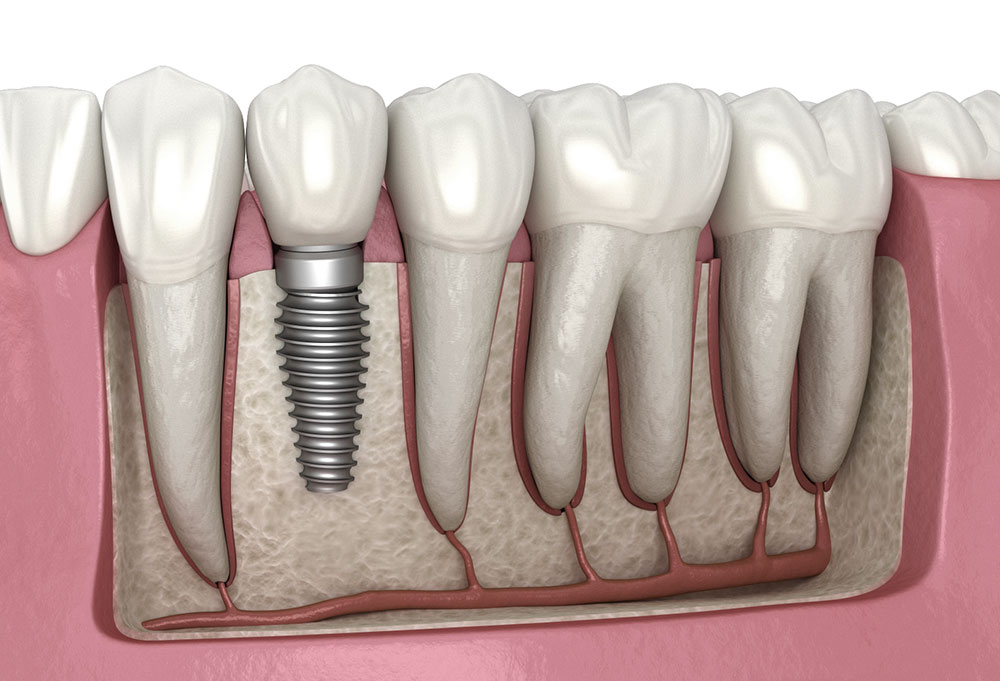
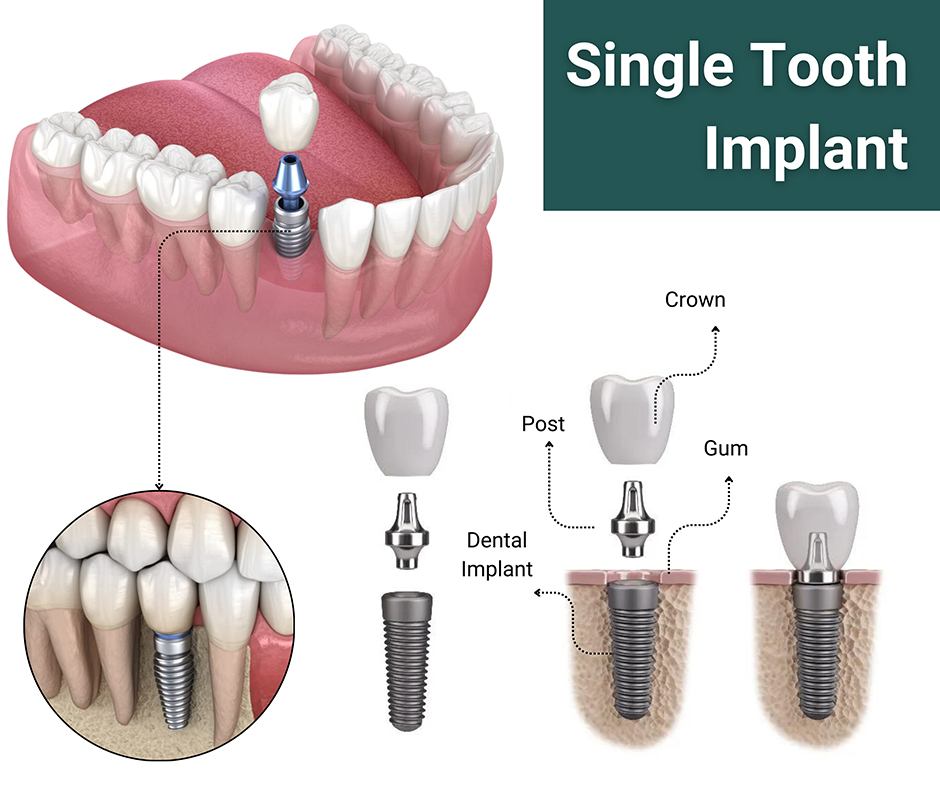
The term “dental imp” is increasingly used, particularly in online discussions and emerging dental practices, as a shorthand for “dental implant.” While not a formal medical term, it essentially refers to the process of replacing missing teeth with artificial tooth roots, typically made of titanium, that fuse with the jawbone. These artificial roots then act as anchors for replacement teeth, such as crowns, bridges, or dentures. The historical development of implantology in Albania and globally has been marked by continuous innovation, with modern dental implants offering a highly effective and long-lasting solution for tooth replacement cost .
What is a dental imp and how does it differ from a dental implant?
As the term suggests “dental imp” is similar to dental implant. The link is that it means the same thing. This emerging term could be found more frequently in dental discussions. Dental implants, as they are formally known, are surgical components that are implanted into the jawbone to support dental prostheses such as crowns, bridges, dentures, or facial prostheses. Dental Imps as the new name, provide strong support for teeth.
In today’s dentistry, dental imps are commonly used to restore single missing teeth, multiple missing teeth with bridges, or to secure full dentures for patients who have lost all their teeth. They offer a stable, durable, and aesthetically pleasing alternative to traditional methods like bridges and dentures.
Who Should Consider a Dental Imp?
Albania Dental Implants offer the best solutions for missing teeth. Dental imps, or dental implants, are an excellent option for individuals who have lost one or more teeth due to various reasons, such as:
- Tooth Decay: Extensive decay that cannot be salvaged with fillings or root canals.
- Gum Disease: Periodontal disease that has led to tooth loss.
- Injury: Trauma resulting in irreparable tooth damage.
- Congenital Conditions: Some individuals are born with missing teeth.
Who is eligible for a dental imp?
Generally, ideal candidates for dental implants are those with good overall health, sufficient bone density in the jaw to support the implant, and a commitment to maintaining excellent oral hygiene. Specific dental health conditions that dental imps can address include:
- Single Missing Tooth: Replacing a single gap without affecting adjacent teeth.
- Multiple Missing Teeth: Supporting a bridge to fill larger gaps.
- Full Tooth Loss: Securing dentures for a complete set of replacement teeth.
What is the best alternative to dental implants?
While dental implants offer numerous advantages, alternatives are worth considering based on individual circumstances:
- Dental Bridges: A traditional option where a false tooth is anchored to adjacent teeth.
- Dentures: Removable appliances that can replace a full or partial set of teeth.
How Does the Dental Imp Procedure Work?
The dental imp procedure, like dental implants, involves several key steps:
Assessment and consultation
The process begins with a thorough dental examination, including X-rays and 3D scans, to assess your oral health and determine if you are a suitable candidate for dental implants. This assessment helps the dentist evaluate bone density, identify any potential issues, and create a personalized treatment plan.
Planning and imaging
Advanced imaging techniques are used to plan the precise placement of the implant. This ensures optimal positioning for stability and aesthetics, as well as avoiding important anatomical structures such as nerves and sinuses.
Surgery (implant placement)
During the surgical phase, the dentist makes a small incision in the gum tissue to expose the jawbone. The implant, typically made of titanium, is then carefully inserted into the bone. In some cases, a bone graft may be necessary if there is insufficient bone volume.
Healing and osseointegration
This crucial phase involves allowing the implant to fuse with the jawbone, a process known as osseointegration. This typically takes several months, during which the bone grows around the implant, providing a strong and stable foundation for the replacement tooth.
Attachment of crown/bridge/denture
Once osseointegration is complete, an abutment (connector) is attached to the implant. A custom-made crown, bridge, or denture is then secured to the abutment, completing the tooth replacement process.
How long does the dental imp procedure take?
The overall duration of the dental tourism in Albania procedure can vary depending on factors such as the number of implants needed, the need for bone grafting, and individual healing times. Typically, the entire process can take several months from the initial consultation to the final placement of the replacement tooth.
Cost of Dental Imp in the UK
The cost of dental implants in Albania, or “dental imps,” in the UK can vary widely based on several factors:
- Number of Implants: More implants typically mean higher costs.
- Type of Implant: Different materials and brands can affect the price.
- Additional Procedures: Bone grafting or sinus lifts can add to the overall expense.
- Clinic Location: Prices can vary between different regions and clinics.
What is the average cost of a dental imp in the UK?
As of 2024, a single dental implant in the UK can range from £2,000 to £4,000. Full mouth dental implants can cost anywhere from £10,000 to £30,000 or more, depending on the complexity of the case and the materials used.
Are dental imps available on the NHS?
Dental implants are rarely available on the NHS, and are generally reserved for cases of medical necessity, such as:
- Trauma: Significant injury causing tooth loss.
- Congenital Defects: Cases where teeth are missing from birth.
- Cancer Treatment: Reconstruction following cancer surgery.
In most cases, patients seeking dental implants will need to pursue private dental care. Private dental clinics offer a wide range of implant options and payment plans to help manage the cost.
How much do All-on-4 dental implants cost in the UK?
All-on-4 dental implants in Albania are innovative techniques. The difference between NHS and private options is that the all-on-4 technique typically ranges from £7,000 to £15,000 per arch (upper or lower). Private clinics often offer flexible financing options to make the treatment more accessible.
Risks and Considerations
Like any surgical procedure, dental imp (dental implant) placement carries certain risks and considerations:
- Infection: Although rare, infection at the implant site can occur.
- Nerve Damage: Implants placed too close to nerves can cause numbness or tingling.
- Sinus Issues: Upper implants can sometimes affect the sinuses.
- Implant Failure: In some cases, the implant may not fuse properly with the bone.
What are the risks of getting a dental imp?
Potential complications include infection, nerve damage, sinus problems (for upper implants), and implant failure. Additionally, certain medical conditions and lifestyle factors, such as smoking and diabetes, can increase the risk of complications. A thorough evaluation and consultation with a qualified dentist can help minimize these risks.
Who should not get dental implants?
Certain contraindications may make individuals unsuitable candidates for dental implants:
- Uncontrolled Diabetes: Can impair healing and increase the risk of infection.
- Heavy Smoking: Reduces blood flow and hinders osseointegration.
- Certain Medical Conditions: Autoimmune diseases or bleeding disorders.
- Insufficient Bone Density: May require bone grafting prior to implant placement.
Recovery and Aftercare
Proper recovery and aftercare are essential for the success of dental imp treatment. After the surgery, patients can expect some discomfort, swelling, and bruising. Pain medication can help manage the discomfort.
What should I expect during recovery?
During the initial recovery phase, it’s essential to follow the dentist’s instructions, which may include:
- Soft Diet: Avoiding hard or chewy foods that can irritate the implant site.
- Oral Hygiene: Gently cleaning the area with a soft-bristled toothbrush.
- Saltwater Rinses: Rinsing with warm saltwater to promote healing.
- Avoiding Smoking: Smoking can significantly delay healing and increase the risk of complications.
How long do dental imps last?
With proper care and maintenance, dental implants last in the UK can last for many years, even a lifetime. Regular dental check-ups and good oral hygiene practices are crucial for ensuring the longevity of the implants.
FAQ Section
Is the dental imp procedure painful?
The dental imp procedure, like dental implants, is performed under local anesthesia, so patients typically do not feel pain during the surgery. Some discomfort, swelling, and bruising can be expected after the procedure, but this can be managed with pain medication.
How long do dental imps last?
With proper care and maintenance, dental imps (dental implants) can last for many years, even a lifetime. Regular dental check-ups and good oral hygiene practices are crucial for ensuring the longevity of the implants.
Can dental imps be done in one day?
In some cases, “same-day implants” or “immediate loading implants” are possible. This involves placing the implant and a temporary crown on the same day. However, not everyone is a candidate for this procedure, and it depends on factors such as bone density and the stability of the implant.
Choosing a Provider
Selecting the right dental provider is crucial for a successful dental imp (dental implant) procedure. Here are some tips for finding a reputable provider:
- Check Credentials: Ensure the dentist is qualified and experienced in implant dentistry.
- Read Reviews: Look for online reviews and testimonials from previous patients.
- Ask for Referrals: Seek recommendations from friends, family, or your general dentist.
- Consultation: Schedule a consultation to discuss your needs and evaluate the clinic’s facilities and approach.
Tips on finding a reputable provider
When evaluating clinic credentials, consider the dentist’s education, training, and professional affiliations. Additionally, ask about the technology and techniques used at the clinic, as well as their success rates with dental implant procedures.
Conclusion
“Dental imp,” while an emerging term, is synonymous with dental implants and represents a cutting-edge solution for tooth replacement. Understanding the procedure, costs, risks, and benefits is essential for making an informed decision about your dental health.
Whether you’re considering a single tooth replacement or a full mouth restoration, dental implants offer a durable, stable, and aesthetically pleasing option.
We at Albania Dental Implants encourage you to consult a qualified dental professional for personalized advice and to explore the best tooth replacement options for your unique needs.





