




Dental Implant Cost NHS: Your Guide to Affordable Solutions
Dental implant cost NHS is a common query for UK residents seeking affordable, lasting solutions for missing teeth. While the NHS may not always cover the full cost, understanding your options and eligibility can help you achieve a confident smile without breaking the bank. This comprehensive guide will explore when the NHS might fund dental implants, what costs you can expect, and alternative treatments available, while also highlighting the cost benefits of considering Albania Dental Implants as a cost-effective alternative.
What Are Dental Implants and Who Needs Them?
NHS dental implant eligibility
Dental implants are a long-term solution for missing teeth, offering a stable and natural-looking alternative to dentures or bridges. They involve surgically inserting a titanium post into the jawbone, which then fuses with the bone over time, providing a solid base for a replacement tooth. But, are dental implants available on the NHS, and who exactly needs them?
Overview of Dental Implants and When They’re Needed
Dental implants are needed when one or more teeth are missing due to:
- Tooth decay
- Gum disease
- Injury
- Congenital conditions
Missing teeth can affect your ability to chew and speak properly, and can also lead to bone loss in the jaw. Dental implants help to restore these functions and maintain the structure of your jaw.
Who Typically Qualifies for Implants?
While anyone missing teeth could potentially benefit from dental implants, certain factors determine eligibility:
- Good overall health: Patients should be healthy enough to undergo surgery.
- Sufficient bone density: Adequate bone in the jaw is needed to support the implant. Bone grafting can address this issue.
- Commitment to oral hygiene: Successful implants require diligent oral hygiene practices.
- Non-smoker: Smoking can significantly reduce the success rate of dental implants.
Individuals with uncontrolled diabetes or certain autoimmune diseases may not be suitable candidates.
Are Dental Implants Available on the NHS?
Generally, Can NHS pay for my dental implants? is a resounding No. Accessing dental implants on the NHS is rare. The NHS primarily focuses on providing necessary treatments to maintain oral health, and cosmetic procedures are typically not covered. However, there are exceptions.
When Does the NHS Fund Dental Implants?
How to apply for NHS dental implants
The NHS rarely funds dental implants, but it is essential to understand when it might be possible. How do you apply for NHS dental implants? and what are the chances of success?
NHS Eligibility Criteria
The NHS may consider funding dental implants in cases of medical necessity, such as:
- Trauma: If teeth are lost due to an accident or injury.
- Medical conditions: Certain medical conditions that affect teeth development or cause tooth loss.
- Congenital defects: Missing teeth from birth.
In these situations, the primary goal is to restore function and health, not simply to improve appearance. However, even in these cases, approval is not guaranteed and is subject to the availability of resources.
According to the National Institute for Health and Care Excellence (NICE), decisions regarding NHS funding are based on clinical need and the availability of resources. They recommend that the NHS prioritise treatments that improve health and quality of life.
Assessment and Referral Process
To be considered for NHS-funded dental implants, you will typically need to:
- Consult your NHS dentist: Discuss your situation and explore all available treatment options.
- Obtain a referral: If your dentist believes you meet the criteria, they will refer you to a specialist for assessment.
- Undergo assessment: The specialist will evaluate your case and determine if you are eligible for NHS funding.
NHS Dental Implant Waiting List
Details on NHS dental implant waiting list are scarce, but expect significant delays. Even if deemed eligible, you may face a considerable wait due to high demand and limited resources. The length of the waiting list can vary depending on your location and the specific NHS trust.
What Is the Dental Implant Cost NHS Patients Pay?
NHS dental patient charges
If you are eligible for NHS dental implants, you will likely still need to contribute towards the cost. It’s vital to understand the NHS dental patient charges and what you might have to pay out-of-pocket.
What NHS Covers (Full/Partial Cost?)
The NHS rarely covers the full cost of dental implants. You may be required to pay a portion of the treatment, depending on the complexity of the case and the specific NHS charge band that applies.
Standard NHS Dental Charge Bands
NHS dental charges are divided into three bands:
- Band 1: £26.80 – Includes check-ups, scaling, and polishing.
- Band 2: £73.50 – Includes everything in Band 1, plus fillings, root canal treatment, and extractions.
- Band 3: £319.10 – Includes everything in Bands 1 and 2, plus more complex procedures like crowns, dentures, and bridges.
Dental implants, when available on the NHS, typically fall under Band 3. However, the final cost can exceed this amount if additional treatments, such as bone grafting, are required.
Out-of-Pocket Costs If NHS Declines Funding
If the NHS declines to fund your dental implants, you will need to explore alternative options. This could include:
- Private dental care: Paying for dental implants privately in the UK can be expensive, but it offers more flexibility and faster treatment times.
- Dental insurance: Some dental insurance plans may cover a portion of the cost of dental implants.
- Financing options: Many dental practices offer financing plans to help spread the cost of treatment over time.
- Dental tourism: Traveling abroad for dental treatment can significantly reduce costs, with destinations like Albania offering high-quality care at affordable prices.
If NHS funding is denied, traveling to Albania for dental work can provide significant savings. Dental implants in Albania can cost up to 70% less than in the UK, making it a viable option for those seeking affordable treatment.
Private vs NHS Dental Implant Costs in the UK
Average UK dental implant cost
Understanding the differences between private and NHS dental implant costs is crucial for making an informed decision. Average UK dental implant cost varies significantly depending on the provider and the complexity of the case.
Typical Private Dental Implant Costs
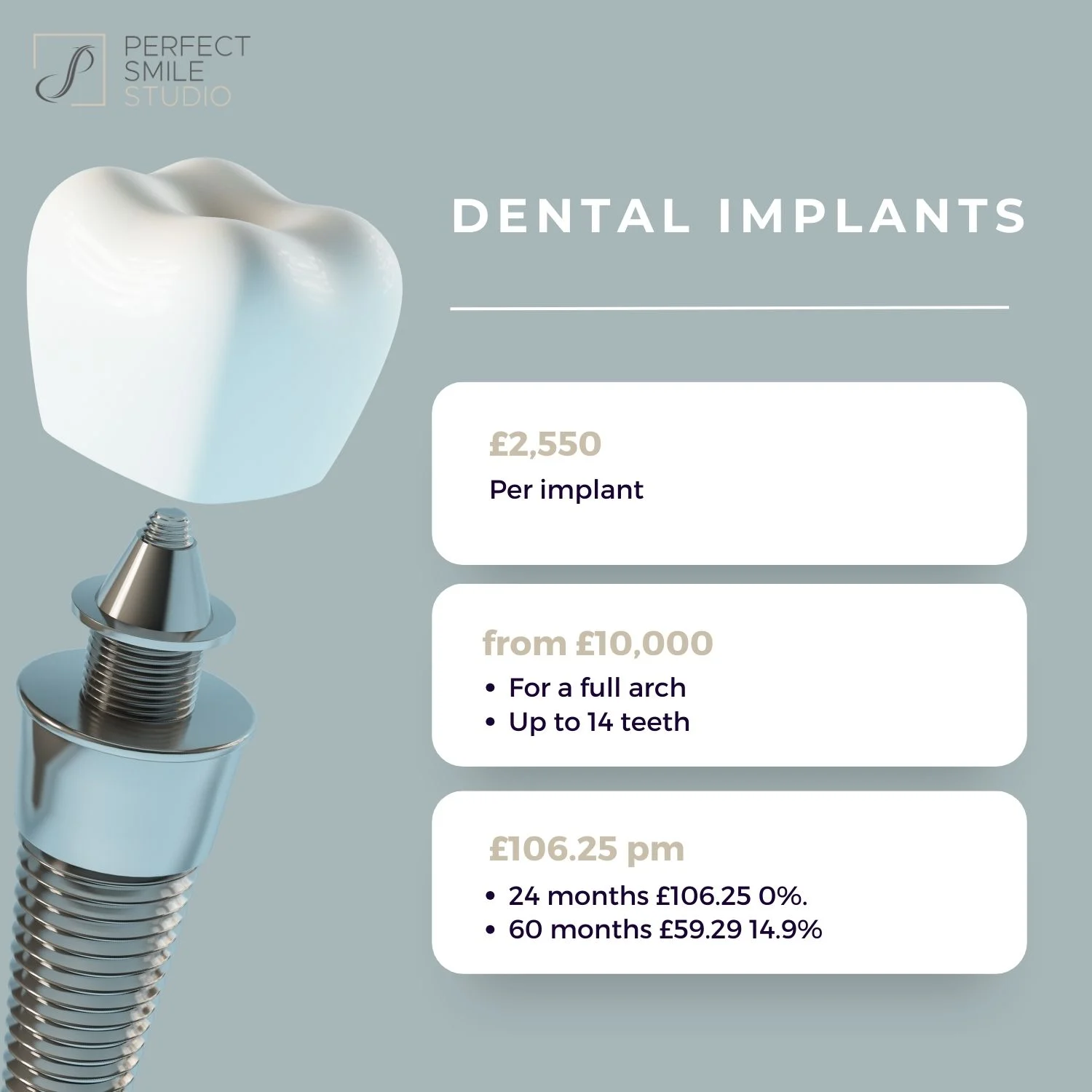
In the UK, a single dental implant can range from £2,500 to £4,000 or more, depending on:
- Location of the clinic
- Type of implant
- Need for additional procedures (e.g., bone grafting, sinus lift)
- Experience of the dentist
Full-mouth dental implants can cost upwards of £15,000 to £30,000.
NHS vs Private Implant Costs
If you are wondering about the costs for dental implants, you may ask How much does an implant cost on NHS?
While NHS implant treatments aren’t very common, a comparison is made below:
| Treatment | NHS Cost (if eligible) | Private Cost (UK Average) | Albania Dental Implants |
|---|---|---|---|
| Single Dental Implant | Band 3 charge (£319.10, but rarely covered) | £2,500 – £4,000 | €750-€1,200 (Including travel and accommodation can still be 50-70% cheaper) |
| Full Mouth Dental Implants | Not typically covered | £15,000 – £30,000+ | €6,000-€12,000 (Including travel and accommodation can still be 50-70% cheaper) |
Financial Impact for Different Patient Circumstances
The financial impact of choosing private dental implants can be significant. For example, someone on a limited income may find it difficult to afford private treatment without financing or exploring more affordable options like dental tourism. Conversely, someone with dental insurance or sufficient savings may prefer the speed and flexibility of private care.
Patients should carefully weigh the costs and benefits of each option, considering their individual financial circumstances and treatment needs.
Alternatives to Dental Implants on the NHS
Alternative treatments to dental implants NHS
When dental implants aren’t available on the NHS, several alternative treatments can restore function and aesthetics. Alternative treatments to dental implants NHS include dentures and bridges, each with its own pros and cons.
NHS Treatments Commonly Offered
The NHS typically offers the following alternatives to dental implants:
- Dentures: Removable appliances that replace missing teeth.
- Bridges: Fixed appliances that attach to adjacent teeth to fill the gap.
Bridges, Dentures, or Other Restorative Options
Dentures can be full or partial and are made of acrylic or metal. Bridges can be made of porcelain, metal, or a combination of both. The choice depends on the number and location of missing teeth, as well as the patient’s preferences and budget.
Pros and Cons vs Implants
Compared to dental implants, dentures and bridges have the following advantages:
- Lower cost: Dentures and bridges are generally more affordable than dental implants.
- Shorter treatment time: These options can be completed more quickly than dental implants.
However, they also have disadvantages:
- Less stable: Dentures can be less stable and may require adjustments.
- Impact on adjacent teeth: Bridges require altering adjacent teeth, which can increase the risk of decay or damage.
- Bone loss: Dentures and bridges do not prevent bone loss in the jaw, unlike dental implants.
The long-term outcomes for NHS dental implants, while generally positive, depend heavily on proper aftercare and maintenance. If a patient neglects oral hygiene, the implant can fail.
For those seeking a more permanent and stable solution, dental implants in Albania offer a high-quality, affordable alternative.
FAQ: Dental Implant Cost NHS
FAQ: Dental Implant Cost NHS
Here are some frequently asked questions about dental implant costs and NHS coverage:
Can you get dental implants for free on the NHS?
It is rare to get dental implants for free on the NHS. They are typically only offered in cases of medical necessity, such as after trauma or for certain medical conditions, and even then, approval is not guaranteed.
How do you apply for NHS dental implants?
To apply for NHS dental implants, you need to consult your NHS dentist, obtain a referral to a specialist, and undergo an assessment. The specialist will determine if you meet the eligibility criteria for NHS funding.
Why are dental implants rarely covered by the NHS?
Dental implants are rarely covered by the NHS because they are considered a cosmetic procedure in most cases. The NHS prioritizes essential treatments that maintain oral health over purely aesthetic improvements.
How long is the waiting list for NHS dental implants?
The waiting list for NHS dental implants can be quite long, potentially several months or even years, depending on your location and the availability of resources.
Are there regional differences in availability?
Yes, there can be regional differences in the availability of NHS dental implants. Funding and resources vary between different NHS trusts, so access to treatment may depend on where you live.
Can you appeal if refused dental implants on the NHS?
If you are refused dental implants on the NHS, you may be able to appeal the decision. The appeals process typically involves contacting your local NHS trust and providing additional information to support your case.
What’s included in NHS aftercare for dental implants?
NHS aftercare for dental implants typically includes regular check-ups and maintenance appointments to ensure the implant is functioning properly and to address any potential issues. However, the extent of aftercare may vary depending on the specific NHS trust.
What happens if NHS won’t fund my implants—can I get a loan or help?
If the NHS won’t fund your implants, you can explore alternative options such as private dental care, dental insurance, financing plans, or dental tourism. Financing options and dental tourism are excellent choices. Several companies offer loans specifically for dental treatments, and some charities may provide financial assistance.
Success Rates and Aftercare for NHS Dental Implants
Success rates NHS dental implants
Understanding the success rates and aftercare requirements is crucial for making an informed decision about dental implants. Success rates NHS dental implants are influenced by various factors, including patient health, oral hygiene, and the expertise of the dental professional.
Typical Outcomes
Dental implants generally have high success rates, with many studies reporting success rates of 90% or higher over a 10-year period. However, success can be affected by:
- Smoking
- Poor oral hygiene
- Underlying medical conditions
NHS Follow-Up and Support Post-Implant
The NHS provides follow-up care and support after dental implant placement. This typically includes regular check-ups to monitor the implant’s stability and health, as well as guidance on proper oral hygiene practices. Patients are advised to brush and floss regularly, and to attend routine dental appointments to prevent complications.
Long-term success requires diligent aftercare. Regular check-ups with your dentist to review and maintain oral hygene levels are vital, as without these the implants are in jeopardy.
Conclusion: Are NHS Dental Implants Worth Pursuing?
Deciding whether to pursue NHS dental implants depends on your individual circumstances and priorities. While NHS funding is rare, it may be worth exploring if you meet the eligibility criteria and are willing to wait. However, for those seeking faster treatment or who are not eligible for NHS funding, private dental care or dental tourism may be more viable options.
Patients should carefully consider the costs, benefits, and risks of each option before making a decision. Exploring options such as services offered in Albania can significantly reduce costs, making dental implants more accessible and affordable.
Ready to restore your smile and regain your confidence? Contact Albania Dental Implants today to learn more about our affordable, high-quality dental implant solutions and start your journey to a brighter, healthier smile!





