



Dental Implant Molar Tooth – Everything You Need to Know
A dental implant molar tooth is a modern solution for replacing a missing or damaged back tooth, restoring both functionality and aesthetics. If you’re experiencing the discomfort and inconvenience of a missing molar, read on to discover how a dental implant can bring back your confident smile and chewing ability. At Albania Dental Implants, we offer high-quality, affordable dental implant solutions, including the opportunity to combine your treatment with a relaxing dental tourism experience in Albania.
What Is a Dental Implant Molar Tooth?
CLUSTER keywords: dental implant, molar tooth, tooth replacement, single tooth implant
A dental implant molar tooth is a bio-compatible artificial tooth root, typically made of titanium, surgically placed into the jawbone to support a replacement molar. Unlike other dental implants, a molar implant is specifically designed to withstand the greater chewing forces exerted by the back teeth. Because molars play a crucial role in grinding food, replacing them with a durable and stable solution is essential.
The Structure of a Molar Dental Implant
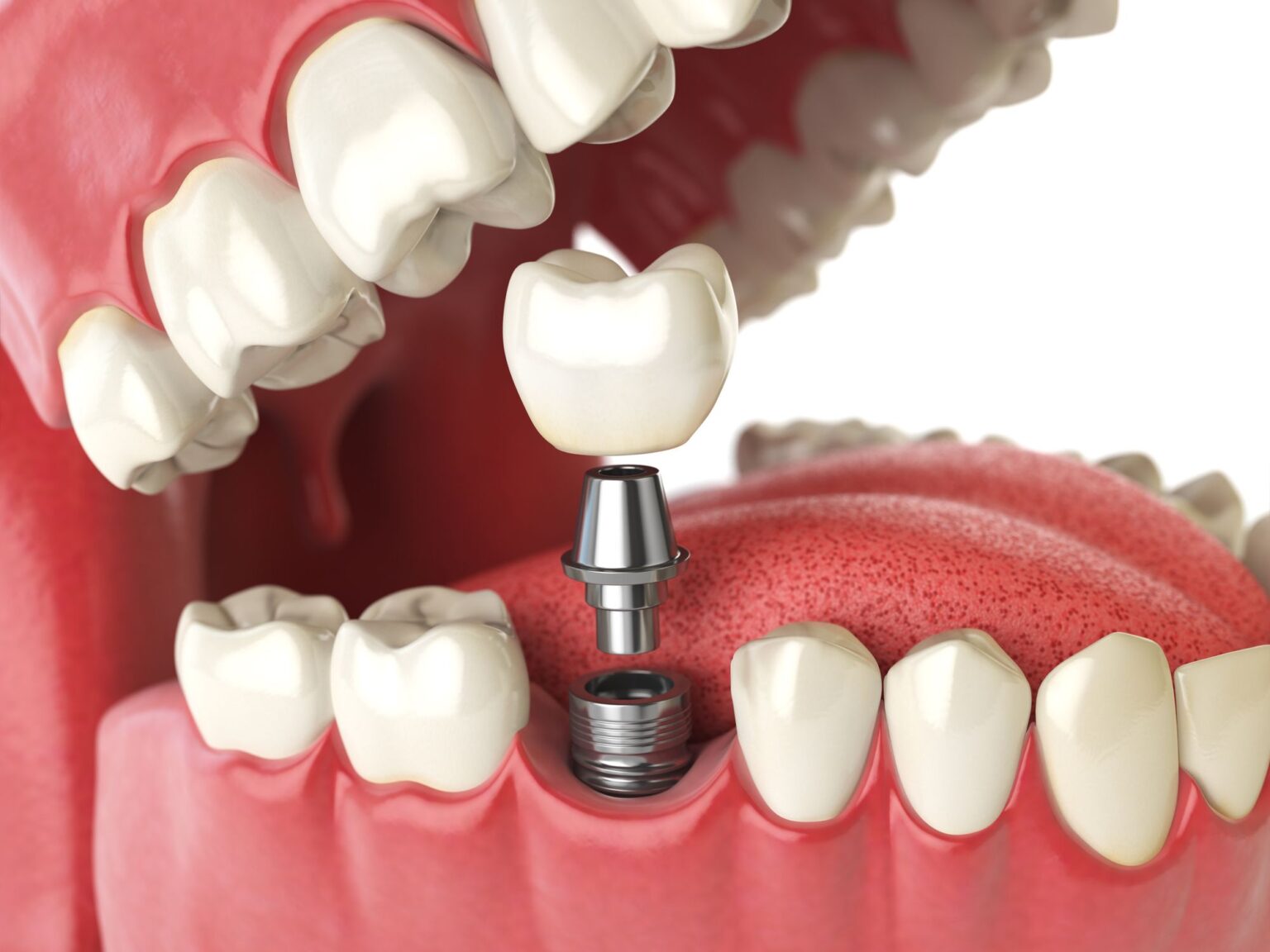
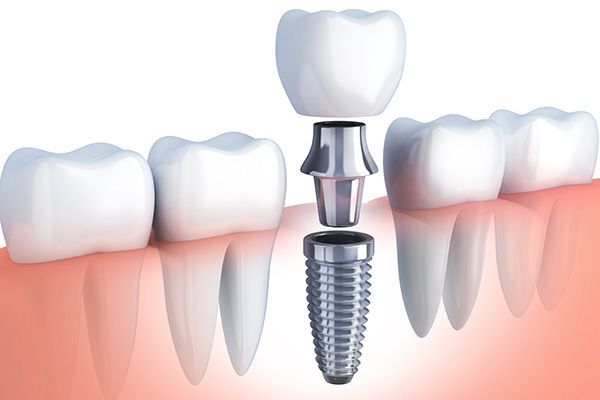
A complete dental implant molar tooth consists of three parts:
- The Implant: A titanium screw that fuses with the jawbone through a process called osseointegration.
- The Abutment: A connector piece that attaches to the implant and provides a base for the crown.
- The Crown: The visible part of the tooth, custom-made to match the shape and color of your natural molars.
Why Molars Need a Specific Implant Solution
Molars are larger and have multiple roots, making them crucial for chewing. Therefore, molar implants need to be strong and stable to handle the forces of grinding food. The placement of molar implants also requires careful consideration due to their location at the back of the mouth, where access can be limited.
How Does It Differ From Other Tooth Implants?
While the basic concept of a dental implant remains consistent, molar implants differ from implants designed for front teeth in several aspects. They’re generally wider and longer to withstand the increased chewing forces. The angle of placement might also be different to ensure optimal support and stability. Unlike front teeth, where aesthetics are the primary concern, molar implants prioritize functionality and durability. At Albania Dental Implants Services, we specialize in providing dental implants for all teeth at an affordable price.
Benefits of Dental Implant for a Molar Tooth
CLUSTER keywords: benefits, advantages, chewing function, bone preservation, dental health
Choosing a dental implant to replace a missing molar offers a range of benefits that go beyond simply filling a gap in your smile. From improved chewing function to long-term dental health, implants provide a superior solution compared to other tooth replacement options.
Restoring Chewing Function
One of the primary advantages of a dental implant molar tooth is the restoration of natural chewing function. A missing molar can make it difficult to properly grind food, leading to digestive issues and dietary restrictions. An implant-supported molar allows you to enjoy a wider variety of foods and improves your overall nutrition. According to a study published in the Journal of Prosthodontics, patients with dental implants reported significantly improved chewing ability compared to those with removable dentures.
Bone Preservation and Jaw Health
When a tooth is lost, the jawbone in that area begins to deteriorate due to lack of stimulation. Dental implants provide this necessary stimulation, preventing bone loss and maintaining the natural shape of your jaw. This is particularly important for molars, as bone loss in the back of the mouth can affect the stability of surrounding teeth and the overall structure of your face. Bone grafting in Albania may be required if you have extensive bone loss.
Long-Term Dental Health
Dental implants are a long-term solution that can last a lifetime with proper care. Unlike bridges, implants don’t require altering adjacent teeth, preserving their natural structure and health. Implants also prevent the shifting of neighboring teeth, which can occur when a gap is left unaddressed. Maintaining good oral hygiene, including regular brushing, flossing, and dental check-ups, is essential for the longevity of your dental implant molar tooth. At Albania Dental Implants, we offer dental tourism in Albania, where you can receive the best implant dental care.
Enhancing Aesthetics and Confidence
While molars aren’t as visible as front teeth, replacing a missing molar with a dental implant can still improve your smile and boost your confidence. Knowing that you have a complete and healthy set of teeth can have a positive impact on your self-esteem and social interactions. A well-placed and natural-looking molar implant can seamlessly blend in with your existing teeth, creating a harmonious and attractive smile.
Step-by-Step Procedure for Molar Implant Placement
CLUSTER keywords: dental implant procedure, molar extraction, healing time, surgery process
The process of getting a dental implant molar tooth involves several stages, from initial evaluation to final crown placement. Understanding each step can help you prepare for the treatment and feel more confident throughout the process.
Initial Evaluation and Treatment Planning
The first step is a comprehensive dental examination, including X-rays or CT scans, to assess your jawbone density and determine the best placement for the implant. Your dentist will also evaluate your overall health and discuss your treatment goals to create a personalized plan. This stage may involve creating a 3D model of your mouth for precise implant placement.
Molar Extraction (If Necessary)
If the existing molar is damaged beyond repair, it will need to be extracted before implant placement. The extraction site will then need to heal for several weeks or months before the implant can be placed. In some cases, a bone graft may be necessary to ensure sufficient bone volume for implant support.
Implant Placement and Healing Time
The dental implant procedure involves surgically placing the titanium implant into the jawbone. This procedure is typically performed under local anesthesia, although sedation options are available for anxious patients. After the implant is placed, it will need to osseointegrate, or fuse with the bone, which can take several months.
Abutment Placement
Once osseointegration is complete, a second minor surgery is performed to attach the abutment to the implant. The abutment serves as a connector between the implant and the final crown. Your gums will need to heal around the abutment before the crown can be placed.
Crown Fitting and Final Restoration
The final step is the placement of the custom-made crown, which is designed to match the shape, size, and color of your natural molars. The crown is attached to the abutment, completing the dental implant molar tooth. Your dentist will make any necessary adjustments to ensure a comfortable fit and proper bite alignment.
Are You Put to Sleep for Dental Implants?
When considering getting dental implants, many patients often wonder Are You Put to Sleep for Dental Implants? In Albania Dental Implants, we understand our patient’s anxiety about undergoing surgical procedures so we are here to assure you that dental implant surgery can be performed under local anesthesia, IV sedation, or general anesthesia. The choice depends on your comfort level, the complexity of the case, and your dentist’s recommendation. Discuss your options with your dentist to determine the best approach for a stress-free experience.
Cost and Considerations of Molar Tooth Implants
CLUSTER keywords: dental implant cost, NHS/private, insurance, value for money, affordability
The cost of a dental implant molar tooth can vary depending on several factors, including the location of the clinic, the materials used, and the complexity of the case. Understanding these costs and considering your financing options can help you make an informed decision.
Breakdown of Costs
The total cost of a dental implant molar tooth typically includes:
- Initial consultation and evaluation fees
- Extraction fees (if necessary)
- Bone grafting fees (if necessary)
- Implant placement surgery fees
- Abutment placement fees
- Custom crown fabrication and placement fees
Can You Get Implants on a NHS Dentist?
The NHS may cover dental implants in limited circumstances, such as when tooth loss is the result of trauma or certain medical conditions. However, most dental implants are performed privately, and the cost is borne by the patient. It’s essential to check with your local NHS dental provider to determine your eligibility for NHS-funded implants.
NHS vs. Private Dental Implant Costs
NHS dental care is subsidized, making it more affordable than private dental care. However, NHS funding for dental implants is limited, and waiting lists can be long. Private dental implants offer faster treatment times and a wider range of options, but they come at a higher cost. It’s crucial to weigh the pros and cons of each option based on your budget and treatment needs.
Insurance Implications
Many dental insurance plans don’t fully cover the cost of dental implants, as they are often considered a cosmetic procedure. However, some plans may cover a portion of the cost, particularly if the implant is deemed medically necessary. It’s essential to review your insurance policy and discuss coverage options with your insurance provider.
Is There a Government Grant for Implants?
If you are concerned about not being able to afford private options, it might be helpful to look at all your options like researching Is there a government grant for implants. Sadly, in the UK, there is no specific government grant dedicated solely to dental implants. However, there may be assistance available through the NHS or charitable organisations depending on your circumstances.
Value for Money and Affordability
While dental implants can be a significant investment, they offer excellent value for money in the long run. Implants are a durable and long-lasting solution that can improve your oral health and quality of life for many years. At Albania Dental Implants, we offer affordable dental implant options without compromising on quality, making this treatment accessible to a wider range of patients. We also offer Can I pay monthly for dental work? so you can have quality dental care even on a budget
What Is the Cheapest Country to Get Dental Implants?
If cost is a significant concern, exploring dental tourism options may be worthwhile. When you research What is the cheapest country to get dental implants? keep in mind there are countries like Albania offer high-quality dental implant treatments at a fraction of the cost compared to the UK. At Albania Dental Implants, we combine state-of-the-art facilities with experienced dental professionals, providing a cost-effective solution for restoring your smile.
Risks, Complications & Aftercare
CLUSTER keywords: side effects, risks, complications, dental implant failure, aftercare instructions
While dental implants have a high success rate, it’s essential to be aware of the potential risks and complications associated with the procedure. Proper aftercare is crucial for minimizing these risks and ensuring optimal results.
Possible Side Effects and Risks
- Infection at the implant site
- Nerve damage, causing pain, numbness, or tingling in the gums, lips, or chin
- Sinus problems, particularly with upper molar implants
- Implant failure, where the implant doesn’t fuse properly with the bone
- Damage to surrounding teeth or tissues
Strategies for Managing Complications
To minimize the risk of complications, it’s crucial to choose an experienced and qualified dental implant surgeon. Following your dentist’s instructions carefully, attending all follow-up appointments, and maintaining good oral hygiene are also essential. If you experience any unusual symptoms, such as severe pain, swelling, or fever, contact your dentist immediately.
Dental Implant Failure
While uncommon, dental implant failure can occur. This can be due to infection, poor bone quality, or other factors. If an implant fails, it may need to be removed, and a new implant may be placed after the site has healed. At Albania Dental Implants, we take every precaution to minimize the risk of implant failure and provide comprehensive support throughout the treatment process.
Aftercare Instructions for Optimal Results
- Follow a soft diet for the first few days after surgery
- Take prescribed pain medication as needed
- Use an antibacterial mouthwash to prevent infection
- Avoid smoking, as it can impair healing
- Maintain good oral hygiene, including gentle brushing and flossing
- Attend all follow-up appointments for monitoring and adjustments
Alternatives to Molar Tooth Implants
CLUSTER keywords: bridge, denture, removable appliance, partial denture
While dental implants are often the preferred solution for replacing missing molars, there are alternative options to consider. Understanding the pros and cons of each option can help you make the best choice for your individual needs and budget.
Dental Bridges
A dental bridge is a fixed prosthetic that replaces a missing tooth by attaching to adjacent teeth. While bridges are less invasive than implants, they require altering the structure of neighboring teeth, which can increase the risk of decay and other problems. Bridges also don’t stimulate bone growth, so bone loss can still occur.
Is a Dental Bridge Better Than an Implant?
The decision of Is a Dental Bridge Better Than an Implant? is dependent upon a patient’s specific needs. It is important to discuss the pros and cons with your local dentist or to get a second opinion. At Albania Dental Implants, we are happy to help by making it affordable to get that second opinion.
Removable Dentures
Dentures are removable appliances that replace missing teeth. Partial dentures can be used to replace one or more missing molars. While dentures are a more affordable option than implants, they can be less stable and comfortable. Dentures can also affect speech and taste and require regular adjustments and replacements.
Partial Dentures
Partial dentures are another alternative, using clasps to attach to existing teeth. These are less stable than implants and can sometimes affect the adjacent teeth. Partial dentures also don’t address bone loss in the jaw. You can also look at implant-supported dentures as a solution to stabilize the implant and address bone loss.
What Is the Best Alternative to Dental Implants?
When weighing the different options for tooth replacement, many patients ask What is the best alternative to dental implants? This is dependent on many factors and it is crucial to ask your dentists what the best decision would be for you.
Comparing Implants to Other Methods
Dental implants offer several advantages over other tooth replacement options:
- Superior stability and chewing function
- Bone preservation
- Long-term durability
- Natural look and feel
- No impact on adjacent teeth
While implants may be more expensive initially, their long-term benefits and durability make them a cost-effective choice in the long run.
Frequently Asked Questions about Dental Implant Molar Tooth
Here are some of the most common questions people ask about dental implant molar teeth:
How long does a dental implant molar tooth last?
With proper care and maintenance, a dental implant molar tooth can last a lifetime. Regular dental check-ups, good oral hygiene, and avoiding habits like smoking and teeth grinding can significantly extend the lifespan of your implant. According to the American Academy of Implant Dentistry, dental implants have a success rate of over 95% after 10 years.
How Long Do Dental Implants Last in the UK?
While we answered the question of how long a dental implant lasts in the UK, it is important to also understand the factors that contribute to a long-lasting implant. These factors include bone density, the skill of the surgeon, oral hygiene, and lifestyle choices like diet and smoking. Proper maintenance is key for ensuring the longevity of your dental implant in the UK.
Is dental implant surgery painful?
Most patients report minimal discomfort during dental implant surgery. Local anesthesia is used to numb the area, and sedation options are available for anxious patients. After the surgery, you may experience some soreness and swelling, which can be managed with over-the-counter or prescription pain medication. At Albania Dental Implants, we prioritize patient comfort and use advanced techniques to minimize pain and discomfort.
How Painful Are Dental Implants UK?
Understanding How Painful Are Dental Implants UK will help patients make an informed decision when proceeding. Most patients report minimal discomfort during the procedure, thanks to local anesthesia and sedation options. Post-operative pain can be managed with pain medication. For those concerned about pain, Albania Dental Implants provides a comprehensive pain management strategy to ensure a comfortable experience.
Can anyone have a molar tooth implant?
Most people are good candidates for molar tooth implants. However, certain medical conditions, such as uncontrolled diabetes or severe immune deficiencies, can affect the success of the procedure. Adequate bone density in the jaw is also essential for implant support. Your dentist will evaluate your individual circumstances to determine if dental implants are right for you.
When Not to Get Dental Implants?
When weighing your options for tooth replacement, it is critical to investigate When Not to Get Dental Implants. Understanding that systemic health conditions, inadequate bone density, and lifestyle choices can be cause for concern is essential before you proceed with surgery.
How long is recovery after getting a molar tooth implant?
The initial recovery period after molar tooth implant surgery typically lasts a week or two. During this time, you may experience some soreness, swelling, and bruising. It takes several months for the implant to fully integrate with the bone. During this time, you’ll need to follow a soft diet and avoid strenuous activities. A full mouth reconstruction in albania can provide a complete treatment in a single visit.
Does insurance cover molar dental implants?
Many dental insurance plans don’t fully cover the cost of dental implants, as they are often considered a cosmetic procedure. However, some plans may cover a portion of the cost, particularly if the implant is deemed medically necessary. It’s essential to review your insurance policy and discuss coverage options with your insurance provider.
Can NHS Pay for My Dental Implants?
If you are concerned with the cost, you may find yourself wondering Can NHS pay for my dental implants? In some special cases, the NHS may cover this but it is often provided for individuals with medical concerns. It is best to ask your local dentist for more details.
What makes a molar implant different from other tooth implants?
Molar implants are specifically designed to withstand the greater chewing forces exerted by the back teeth. They are typically wider and longer than implants used for front teeth. The angle of placement may also be different to ensure optimal support and stability.
What materials are used for molar tooth implants?
The most common material used for dental implants is titanium, which is biocompatible and promotes osseointegration. The crown is typically made of porcelain, ceramic, or zirconia, which can be customized to match the color and shape of your natural teeth. At Albania Dental Implants, we use only the highest quality materials to ensure durable and aesthetically pleasing results.
How soon can I eat after a molar implant?
You can typically eat soft foods immediately after molar implant surgery. Avoid hard, crunchy, or sticky foods that could irritate the implant site. Your dentist will provide specific dietary recommendations to promote healing and prevent complications.
Are there age restrictions for molar tooth implants?
There is no strict upper age limit for molar tooth implants. As long as you are in good general health and have sufficient bone density in the jaw, you can be a candidate for implants, regardless of your age. Younger patients, however, may need to wait until their jawbone has fully developed before getting implants.
At What Age Can You Not Get Dental Implants?
It is common for patients to worry about their age, so many patients wonder At what age can you not get dental implants? There is no age restriction as long as you are healthy. It is best to ask your local dentist about whether or not you are a good candidate.





