


Dental Implant Procedure: A Comprehensive Guide
The dental implant procedure is a modern, reliable method for replacing missing teeth, offering both function and aesthetics to dental patients. At Albania Dental Implants, we understand the impact that missing teeth can have on your confidence and quality of life. We’re dedicated to providing comprehensive, affordable dental implant solutions to restore your smile. This guide will walk you through every step of the process, from initial consultation to long-term aftercare, helping you make an informed decision about whether dental implants are right for you.
What Is a Dental Implant?
Related keyword: dental implants
Dental implants are a revolutionary solution for replacing missing teeth, offering a permanent and natural-looking alternative to traditional bridges and dentures. They are designed to fuse with your jawbone, providing a stable and long-lasting foundation for replacement teeth. Understanding what dental implants are and how they work is the first step in regaining your confident smile.
Definition and Overview
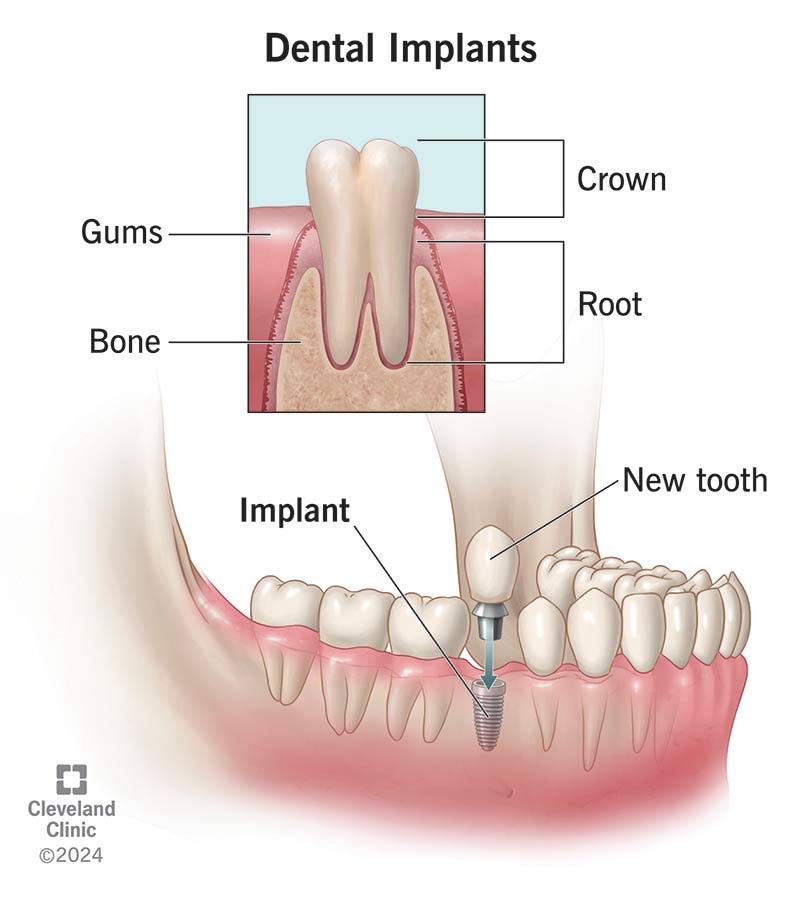
A dental implant is essentially an artificial tooth root, typically made of biocompatible titanium. It is surgically placed into the jawbone to support a replacement tooth or teeth. Unlike dentures, which rest on the gums, dental implants are anchored in the bone, providing superior stability and preventing bone loss.
Components of a Dental Implant
A dental implant consists of three main components:
- The Implant: A titanium screw that is surgically placed into the jawbone, acting as the artificial root.
- The Abutment: A connector piece that attaches to the implant and provides a base for the crown.
- The Crown: The artificial tooth that is custom-made to match the color, shape, and size of your natural teeth.
Dental Implant vs Traditional Bridges/Dentures
While bridges and dentures are traditional tooth replacement options, dental implants offer several advantages:
- Stability: Implants are anchored in the bone, providing superior stability compared to dentures.
- Longevity: With proper care, dental implants can last a lifetime, while bridges and dentures typically need to be replaced every 5-10 years.
- Bone Health: Implants stimulate bone growth, preventing bone loss that can occur with missing teeth.
- Aesthetics: Implants look and feel like natural teeth, providing a more confident and natural-looking smile.
Considering the longevity, stability, and health benefits, dental implants often represent a worthwhile investment for restoring your smile. If you want to learn more, Albania Dental Implants offers comprehensive dental tourism in albania services so you can acquire the best dental implants at affordable prices.
Who Is a Candidate for Dental Implants?
Related keyword: who is suitable for dental implants
Not everyone is an ideal candidate for dental implants. Several factors, including health conditions, bone density, and lifestyle habits, can affect the success of the procedure. Determining who is suitable for dental implants involves a thorough evaluation to ensure the best possible outcome.
Health Requirements
Good overall health is essential for successful dental implant treatment. Individuals with the following conditions may need special consideration:
- Diabetes: Uncontrolled diabetes can impair healing and increase the risk of infection.
- Heart Disease: Certain heart conditions may require precautions during surgery.
- Smoking: Smoking can significantly reduce the success rate of dental implants.
- Autoimmune Diseases: Conditions like rheumatoid arthritis can affect bone healing.
Bone Density Evaluation
Sufficient bone density in the jaw is crucial for supporting dental implants. If bone density is inadequate, a bone grafting procedure may be necessary to increase bone volume and stability. The quantity of bone needs to be assessed in all dimensions using CBCT imaging.
Contraindications and Alternatives
In some cases, dental implants may not be the best option. Contraindications include:
- Active Infection: Any existing infection in the mouth needs to be treated before implant placement.
- Severe Bruxism: Grinding or clenching teeth can put excessive stress on implants.
- Certain Medications: Some medications, such as bisphosphonates, can interfere with bone healing.
For individuals who are not suitable for dental implants, alternatives such as dental bridges or dentures may be considered. It’s important to explore all options and discuss the best course of action with your dentist. To understand better if this procedure is right for you, you can always contact albania dental implants.
Steps in the Dental Implant Procedure
Related keyword: dental implant surgery
The dental implant surgery process involves several steps, from the initial consultation to the final placement of the crown. Each step is crucial for ensuring a successful and long-lasting outcome. At Albania Dental Implants, we utilize state-of-the-art technology and techniques to provide our patients with the highest quality care throughout the entire process.
Initial Consultation and Examination
The first step involves a comprehensive consultation with your dentist. During this appointment, your dentist will:
- Review your medical and dental history
- Perform a thorough examination of your mouth and teeth
- Take X-rays or CT scans to assess bone density and identify any potential issues
- Discuss your treatment goals and expectations
Imaging and Planning
Detailed imaging, such as X-rays and CT scans, is essential for planning the implant placement. These images allow your dentist to:
- Assess the amount of available bone
- Identify the location of nerves and sinuses
- Determine the optimal position and angle for the implant
Tooth Extraction (if required)
If the tooth being replaced is still present, it will need to be extracted. In some cases, a dental implant can be placed immediately after extraction, but often a healing period is required before proceeding with implant placement. The process of a teeth pulled and implants the same day can speed up recovery time.
Bone Grafting (when necessary)
If there is insufficient bone to support the implant, a bone grafting in implant dentistry procedure may be necessary. This involves adding bone to the jawbone to increase its density and volume. There are many different types of bone graft including autografts, allografts, xenografts, and alloplasts. We offer bone grafting in albania if needed for our patients.
Implant Placement Surgery
The implant placement surgery is performed under local anaesthesia. During the procedure, your dentist will:
- Make an incision in the gum tissue to expose the jawbone
- Drill a pilot hole in the bone
- Carefully insert the titanium implant into the prepared site
- Suture the gum tissue around the implant
Healing Period (Osseointegration)
After implant placement, a healing period of several months is required for osseointegration to occur. Osseointegration is the process by which the implant fuses with the surrounding bone, creating a strong and stable foundation for the replacement tooth.
Placement of Abutment
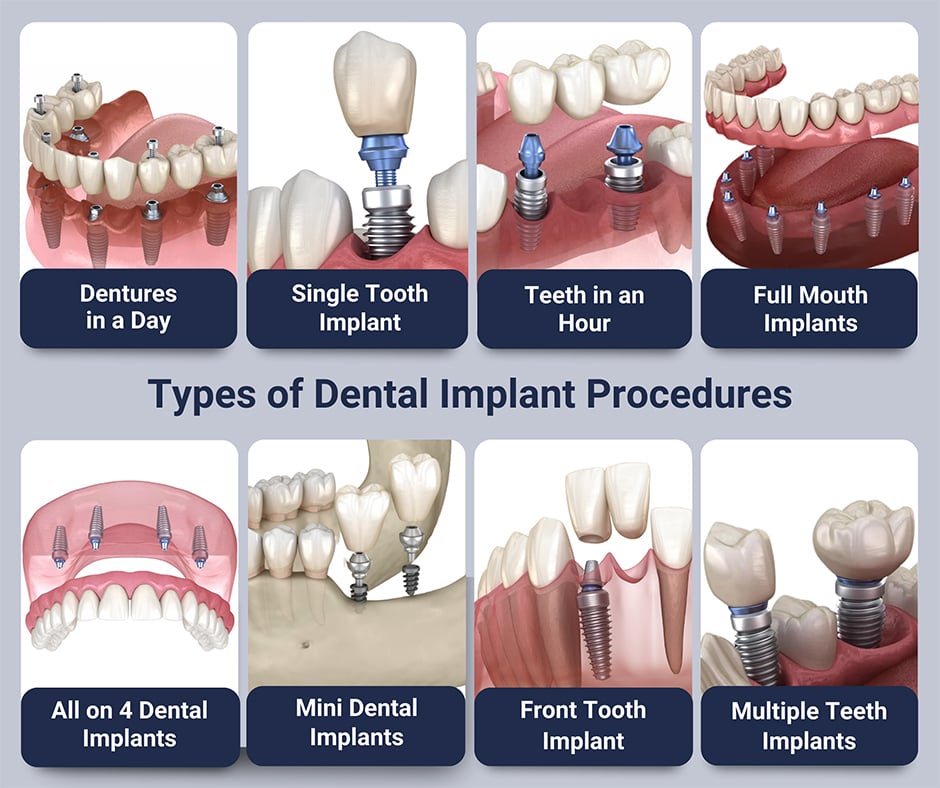
Once osseointegration is complete, an abutment is attached to the implant. The abutment serves as a connector between the implant and the final crown. If you have two or more missing teeth, you could benefit from multiple implants with bridges in albania.
Fitting the Final Crown or Prosthesis
The final step involves fitting the custom-made crown or prosthesis onto the abutment. The crown is designed to match the color, shape, and size of your natural teeth, providing a seamless and natural-looking restoration.
Costs and Financing for Dental Implants
Related keyword: dental implant cost UK
The dental implant cost UK can be a significant consideration for many patients. Understanding the factors that influence the price and exploring available financing options can help make dental implants more accessible. At Albania Dental Implants, we strive to provide transparent and competitive pricing, ensuring our patients receive the best possible value for their investment.
Typical Price Ranges in the UK
The cost of a single dental implant in the UK can range from £2,000 to £4,000. Factors that can affect the cost include:
- The number of implants required
- The type of implant used
- The complexity of the case
- The location of the clinic
Factors Affecting Cost (Materials, Case Complexity)
Several factors can influence the overall cost of dental implants:
- Materials: The type of implant material (e.g., titanium, zirconia) and crown material (e.g., porcelain, ceramic) can affect the price.
- Case Complexity: Complex cases that require bone grafting or sinus lifts may incur additional costs.
- Dentist’s Experience: More experienced dentists may charge higher fees.
- Technology Used: Clinics that use advanced technology, such as 3D printing and guided surgery, may have higher prices.
Dental Insurance and Financing Options
While dental insurance may cover a portion of the cost of dental implants, it is important to check your policy carefully to understand the extent of coverage. Many dental clinics also offer financing options to help patients spread the cost of treatment over time. These options can include:
- Payment Plans: Clinics may offer in-house payment plans with low or no interest.
- Dental Loans: Specialized dental loans are available through third-party lenders.
- Credit Cards: Some patients may choose to finance their treatment using a credit card.
Since dental implant cost can be high in the UK, many patients turn to affordable options.
Recovery and Aftercare for Dental Implants
Related keyword: dental implant recovery
Proper dental implant recovery and aftercare are essential for ensuring the long-term success of your implants. Following your dentist’s instructions carefully and maintaining good oral hygiene can help prevent complications and promote optimal healing. At Albania Dental Implants, we provide our patients with detailed post-operative instructions and ongoing support to ensure a smooth and comfortable recovery.
Typical Timeline for Recovery
The recovery period after dental implant surgery varies from person to person, but a general timeline includes:
- First Few Days: Expect some swelling, discomfort, and bruising. Pain medication can help manage discomfort.
- First Week: Swelling and bruising should begin to subside. Focus on eating soft foods and maintaining gentle oral hygiene.
- 2-4 Weeks: The gum tissue around the implant should be healing. Avoid strenuous activity and follow your dentist’s instructions.
- 3-6 Months: Osseointegration is taking place. The implant is fusing with the jawbone, creating a strong foundation.
Post-Surgery Instructions
Following your dentist’s post-surgery instructions is crucial for a successful recovery. These instructions may include:
- Taking prescribed medications, such as pain relievers and antibiotics
- Applying ice packs to reduce swelling
- Eating soft foods to avoid putting stress on the implant site
- Avoiding smoking and alcohol, which can impair healing
- Maintaining gentle oral hygiene, using a soft-bristled toothbrush and antimicrobial mouthwash
Tips for Successful Healing
In addition to following your dentist’s instructions, these tips can help promote successful healing:
- Get plenty of rest to allow your body to recover.
- Stay hydrated by drinking plenty of water.
- Avoid touching or probing the implant site.
- Attend all follow-up appointments with your dentist.
Signs of Complications and When to Call Your Dentist
While complications are rare, it’s important to be aware of the signs and seek prompt treatment if they occur. Contact your dentist immediately if you experience:
- Severe pain or swelling
- Fever
- Persistent bleeding
- Implant mobility
Longevity and Risks of Dental Implants
Related keyword: how long do dental implants last
Understanding how long do dental implants last and the potential risks associated with the procedure is essential for making an informed decision. While dental implants are a long-lasting and reliable tooth replacement option, they are not without potential complications. At Albania Dental Implants, we are committed to providing our patients with comprehensive information about the benefits and risks of dental implants, as well as strategies for maximizing their longevity.
Longevity and Maintenance Requirements
With proper care and maintenance, dental implants can last a lifetime. Factors that can affect the longevity of dental implants include:
- Oral Hygiene: Maintaining good oral hygiene, including regular brushing, flossing, and dental check-ups, is essential for preventing peri-implantitis (inflammation around the implant).
- Lifestyle Habits: Avoiding smoking and excessive alcohol consumption can help prolong the life of your implants.
- Overall Health: Certain medical conditions, such as diabetes, can affect the longevity of dental implants.
- Regular Check-ups: Regular dental check-ups and professional cleanings are crucial for monitoring the health of your implants and addressing any potential issues early on.
You can ensure your implant lasts longer by visiting Albania Dental Implants to get the best care.
Potential Risks and Complications
While dental implant surgery is generally safe, there are potential risks and complications to be aware of:
- Infection: Infection at the implant site can occur, especially if proper oral hygiene is not maintained.
- Nerve Damage: Nerve damage can result in numbness, tingling, or pain in the lips, chin, or tongue.
- Sinus Problems: Implants placed in the upper jaw can sometimes protrude into the sinus cavity, causing sinus problems.
- Implant Failure: In rare cases, the implant may fail to fuse with the bone, requiring removal.
Success Rates
Dental implants have a high success rate, with studies showing success rates of 95% or higher. However, success rates can vary depending on factors such as the patient’s overall health, bone density, and oral hygiene habits.
Alternatives to Dental Implants
Related keyword: alternatives to dental implants
While dental implants are an excellent option for replacing missing teeth, they are not the only solution. Understanding the alternatives to dental implants and their respective advantages and disadvantages can help you make an informed decision about the best course of treatment for your individual needs. The best alternative to dental implants depend on factors such as oral health, budget, and desired outcome.
Bridges
A dental bridge is a fixed prosthetic device that spans the gap created by one or more missing teeth. It consists of an artificial tooth (pontic) that is anchored to adjacent teeth (abutments) with crowns.
Advantages:
- Less invasive than dental implants
- Lower cost than dental implants
- Faster treatment time than dental implants
Disadvantages:
- Requires altering adjacent teeth
- Does not prevent bone loss
- Shorter lifespan than dental implants
Dentures
Dentures are removable prosthetic devices that replace missing teeth. They can be either full dentures, which replace all of the teeth in an arch, or partial dentures, which replace only some of the teeth.
Advantages:
- Least expensive tooth replacement option
- Non-invasive
- Can be easily adjusted or replaced
Disadvantages:
- Less stable than dental implants
- Can affect speech and eating
- Can cause bone loss
- Requires regular cleaning and maintenance
When Alternatives Might Be Preferable
Alternatives to dental implants may be preferable in certain situations:
- When cost is a major concern
- When the patient is not a good candidate for surgery
- When the missing tooth is not in a highly visible area
Frequently Asked Questions About Dental Implant Procedures
Here are some frequently asked questions about dental implant procedures:
How painful is a dental implant procedure?
While the thought of dental implant surgery may seem daunting, most patients report that the procedure is less painful than they anticipated. Local anesthesia is used during the surgery to numb the area, and pain medication can be prescribed to manage any discomfort after the procedure. The level of pain experienced can vary depending on factors such as the complexity of the case and the individual’s pain tolerance.
What is the success rate of dental implants?
Dental implants have a high success rate, with studies showing success rates of 95% or higher. However, success rates can vary depending on factors such as the patient’s overall health, bone density, and oral hygiene habits. Choosing an experienced dentist and following proper aftercare instructions can help maximize the success rate of your dental implants.
How long does it take to get dental implants from start to finish?
The timeline for getting dental implants from start to finish can vary depending on individual circumstances. In general, the process takes several months, including the initial consultation, implant placement surgery, healing period (osseointegration), and final crown placement. In some cases, immediate loading dental implants in albania may be an option, which can shorten the treatment time. However, not everyone is a candidate for immediate loading, so it’s important to discuss your options with your dentist.
Can anyone get dental implants?
While dental implants are a great option for many, not everyone is a suitable candidate. Factors such as health conditions, bone density, and lifestyle habits can affect the success of the procedure. A thorough evaluation by your dentist is essential to determine whether dental implants are right for you.
How do I prepare for dental implant surgery?
Preparing for dental implant surgery involves several steps to ensure a smooth and successful procedure:
- Consultation: Discuss your medical and dental history with your dentist and ask any questions you may have.
- Imaging: Undergo X-rays or CT scans to assess bone density and identify any potential issues.
- Medications: Inform your dentist about any medications you are taking, as some may need to be adjusted before surgery.
- Lifestyle: Avoid smoking and alcohol in the days leading up to surgery, as these can impair healing.
- Diet: Eat a nutritious meal before surgery, as you may need to follow a soft food diet for a few days afterward.
What are the biggest risks with dental implants?
While dental implants are generally safe, there are potential risks and complications to be aware of:
- Infection: Infection at the implant site can occur, especially if proper oral hygiene is not maintained.
- Nerve Damage: Nerve damage can result in numbness, tingling, or pain in the lips, chin, or tongue.
- Sinus Problems: Implants placed in the upper jaw can sometimes protrude into the sinus cavity, causing sinus problems.
- Implant Failure: In rare cases, the implant may fail to fuse with the bone, requiring removal.
Are dental implants worth the cost?
For many people, dental implants are a worthwhile investment. While the upfront cost may be higher than other tooth replacement options, dental implants offer several long-term benefits:
- Longevity: With proper care, dental implants can last a lifetime.
- Stability: Implants are anchored in the bone, providing superior stability compared to dentures.
- Bone Health: Implants stimulate bone growth, preventing bone loss that can occur with missing teeth.
- Aesthetics: Implants look and feel like natural teeth, providing a more confident and natural-looking smile.
How do I care for my dental implants after surgery?
Caring for your dental implants after surgery is essential for ensuring their long-term success. Follow these tips:
- Maintain good oral hygiene: Brush your teeth twice a day and floss daily.
- Use a soft-bristled toothbrush: Be gentle when brushing around the implant site.
- Use an antimicrobial mouthwash: Rinse with an antimicrobial mouthwash to help prevent infection.
- Attend regular dental check-ups: Visit your dentist for regular check-ups and professional cleanings.
- Avoid smoking and excessive alcohol consumption: These habits can impair healing and reduce the lifespan of your implants.
What is osseointegration?
Osseointegration is the process by which a dental implant fuses with the surrounding bone. This process is essential for creating a strong and stable foundation for the replacement tooth. Osseointegration typically takes several months to complete, and factors such as bone density and overall health can affect the healing time.
How do I know if I need bone grafting?
A bone graft is needed when the quality or quantity of the jawbone is insufficient to support a dental implant. Here are some indications that you might require a bone graft:
- Insufficient bone volume: If X-rays or CT scans reveal that you don’t have enough bone to support an implant, a bone graft may be recommended.
- Bone loss due to missing teeth: When teeth are missing, the surrounding bone can deteriorate over time.
- Sinus proximity: In the upper jaw, the sinuses can sometimes be located close to where implants need to be placed, requiring a sinus lift (a type of bone graft) to create more space.
Are dental implants permanent?
Dental implants are considered a permanent solution for missing teeth. With proper care and maintenance, they can last a lifetime. However, it’s important to note that factors such as oral hygiene, lifestyle habits, and overall health can affect the longevity of dental implants.
How do dental implants look and feel compared to natural teeth?
Dental implants are designed to look and feel like natural teeth. The crown is custom-made to match the color, shape, and size of your existing teeth, providing a seamless and natural-looking restoration. With proper placement and restoration, most people cannot tell the difference between a dental implant and a natural tooth. In terms of feel, dental implants are anchored in the bone, providing a stable and secure base that functions much like a natural tooth root.
Conclusion
The dental implant procedure offers a reliable and long-lasting solution for replacing missing teeth, restoring your smile, and improving your quality of life. At Albania Dental Implants, we are committed to providing our patients with exceptional care and affordable dental implant solutions. If you are considering dental implants, we encourage you to contact us today to schedule a consultation. We will assess your individual needs, discuss your treatment options, and help you make an informed decision about restoring your smile.
Ready to take the next step? Contact Albania Dental Implants today to schedule your consultation and discover the life-changing benefits of dental implants!