



Dental Implants NHS – Everything You Need to Know
Dental implants NHS are a topic of great interest for individuals seeking a permanent solution to missing teeth within the UK’s healthcare system. This comprehensive guide will explore everything you need to know about accessing dental implants through the NHS, including eligibility, costs, waiting times, and alternatives, while also presenting a compelling alternative: high-quality, affordable dental implants in Albania with Albania Dental Implants.
Introduction to Dental Implants NHS
Dental implants are a popular and effective method for replacing missing teeth, offering a long-term solution that looks and feels natural. But how are dental implants offered on the NHS? While the NHS primarily focuses on essential dental treatments, dental implants are sometimes available under specific circumstances. Let’s delve into what dental implants are and the general landscape of their availability on the NHS.
What are Dental Implants?
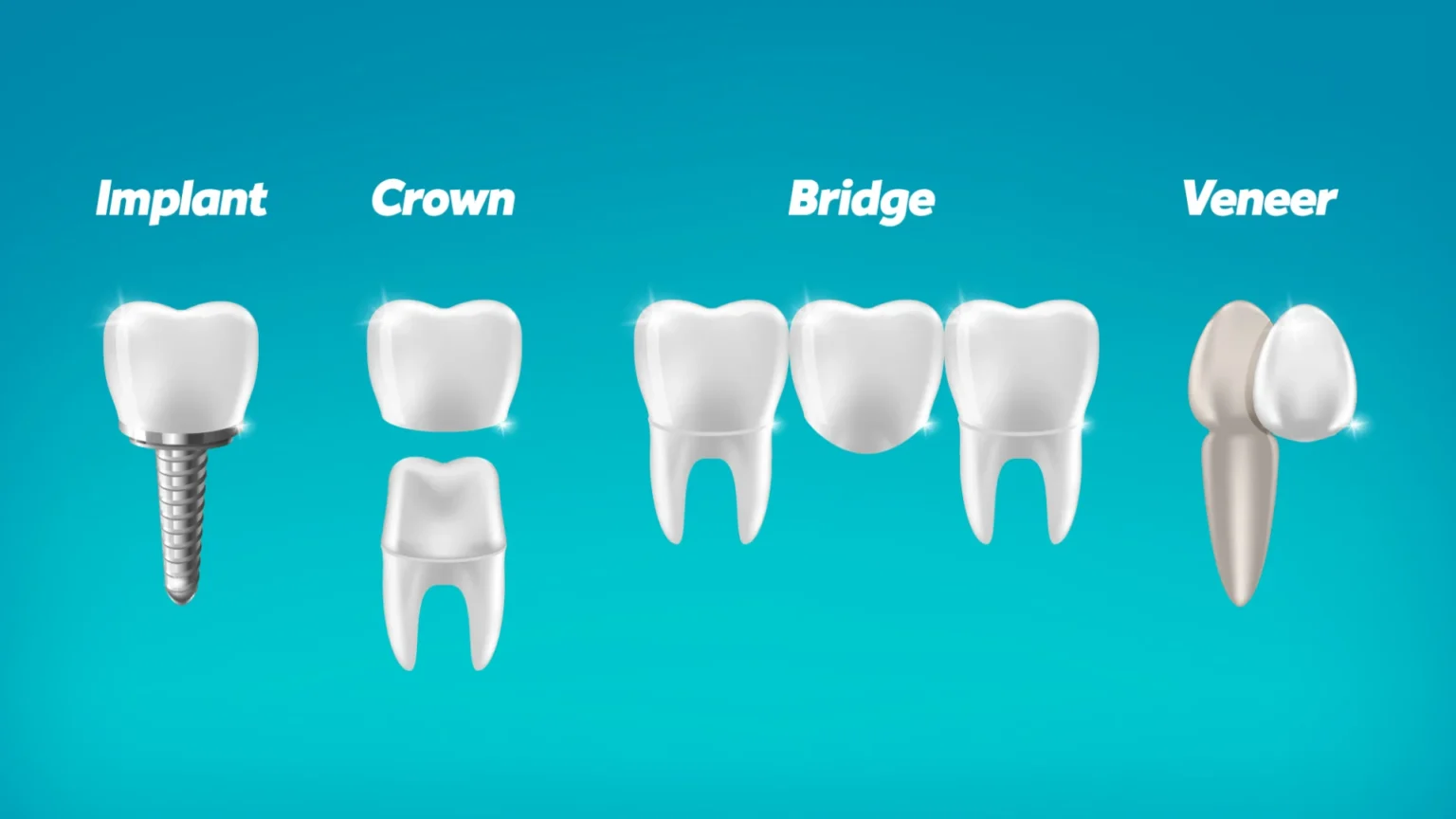
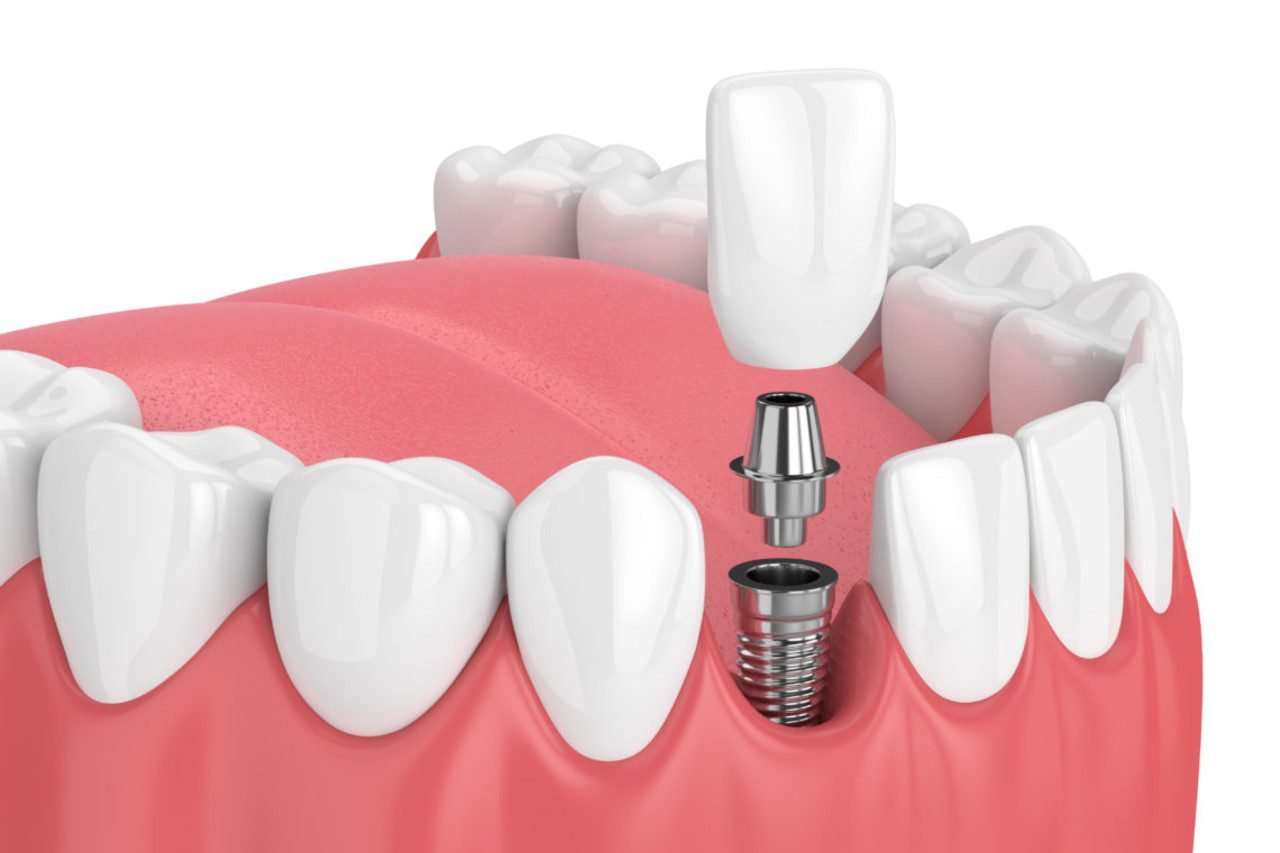
Dental implants are artificial tooth roots, typically made of titanium, that are surgically placed into the jawbone. Once in place, they fuse with the bone through a process called osseointegration, providing a stable foundation for replacement teeth. A crown, bridge, or denture can then be attached to the implant, restoring the appearance and function of natural teeth. It’s a great option if you’re looking for single tooth implants in Albania or any form of implant to have your smile looking great.
Overview of How Dental Implants are Offered on the NHS
The NHS generally provides dental treatments deemed necessary for maintaining oral health. NHS dental treatments predominantly include procedures like fillings, extractions, and dentures. While dental implants are considered a form of restorative dentistry, their availability on the NHS is limited due to budget constraints and prioritization of more essential services.
However, in certain cases, the NHS may offer dental implants if the tooth loss is a direct result of:
- Trauma (e.g., an accident causing tooth loss)
- Medical conditions (e.g., cancer treatment affecting oral health)
- Congenital disabilities (e.g., missing teeth from birth)
Even if you don’t meet the NHS’s strict criteria, remember that affordable options exist. At Albania Dental Implants, we provide a high-quality alternative, combining expert care with significant cost savings. Consider the benefits of our services as you explore your options for dental restoration.
NHS Dental Implants Eligibility Criteria
NHS dental implants eligibility can be strict, as the service aims to prioritize cases with significant clinical needs. Understanding the precise eligibility criteria is key to navigating the NHS system effectively.
Eligibility Requirements
To be considered for dental implants on the NHS, you’ll generally need to meet specific requirements, often assessed on a case-by-case basis. These typically include:
- Significant Functional Impairment: The tooth loss must significantly impact your ability to eat, speak, or maintain oral hygiene.
- Direct Impact on General Health: The absence of teeth must be demonstrably affecting your overall health and well-being.
- Trauma or Medical Necessity: Tooth loss resulting from accidental trauma, necessary medical treatments (like cancer therapy), or congenital conditions often receives higher priority.
- Commitment to Oral Hygiene: You must demonstrate a strong commitment to maintaining excellent oral hygiene practices.
- Overall Health: Your general health must be good enough to undergo the surgical procedure safely.
Types of Patients Typically Approved
Certain types of patients have a higher likelihood of being approved for NHS dental implants. These often include:
- Patients who have lost teeth due to an accident or injury.
- Individuals with congenital conditions resulting in missing teeth.
- Those who have undergone cancer treatment affecting their oral health.
- Patients with severe difficulties wearing dentures.
Who Decides Eligibility?
The decision on who is eligible for NHS dental implants typically involves a team of dental professionals, including your general dentist, specialists (such as oral surgeons or prosthodontists), and sometimes a consultant. Your dentist will initially assess your case and, if deemed potentially eligible, refer you to a specialist for further evaluation. The specialist will then conduct a comprehensive assessment, considering your medical history, the extent of tooth loss, and the impact on your quality of life, before making a recommendation to the NHS for funding approval.
If you find the NHS route challenging, remember that you have options. At Albania Dental Implants, we offer affordable, high-quality dental implants without compromising on care. A dental tourism in Albania can significantly reduce costs while still providing excellent results. We can discuss what the prices may be if you decide to contact Albania Dental Implants, and you can start from there.
NHS Dental Implants Cost
The NHS dental implants cost is a critical factor for many individuals considering this treatment option. Understanding what you might have to pay and how it compares to private dental care is essential for informed decision-making.
What do Dental Implants Cost on the NHS?
NHS dental charges are structured into different bands, which dictate the cost of treatment. As dental implants are considered a more complex and specialized procedure, they typically fall under the highest cost band, Band 3. As of 2024, Band 3 treatments cost £319.10 in England.
However, it’s important to remember that this is just a contribution towards the overall cost. The actual cost of dental implants is significantly higher, with the NHS subsidizing a large portion. Bear in mind that these prices are subject to change.
Price vs Private Dental Implants
The cost of dental implants on the NHS is typically lower than private dental implants. Private dental implant costs in the UK can range from £2,500 to £4,000 per implant, depending on the clinic’s location, the dentist’s experience, and the type of implant used. This significant difference makes the NHS a potentially attractive option if you are eligible. Before commiting to the NHS system, consider all of your options for an affordable dental clinic in Albania .
However, it’s essential to weigh the cost savings against other factors, such as:
- Waiting Times: NHS waiting times can be considerable, potentially delaying treatment for months or even years.
- Eligibility Criteria: Strict eligibility requirements may exclude many individuals who could benefit from dental implants.
- Limited Availability: Not all NHS dental practices offer dental implant treatment.
At Albania Dental Implants, we offer a compelling alternative to both NHS and private dental care in the UK. Our prices are significantly lower than private clinics in the UK, and we offer high-quality care with experienced professionals. For many people, the cost of dental implants in Albania can be a lot cheaper than what you may be paying at home. Our streamlined processes and commitment to patient satisfaction ensure you receive exceptional value.
NHS Dental Implants Waiting Times
NHS dental implants waiting times are a significant consideration for anyone hoping to receive this treatment through the public healthcare system. The duration of the waiting period can vary significantly, impacting your overall experience.
How Long is the Process?
The entire process of receiving dental implants on the NHS can be lengthy, often taking several months or even years from initial consultation to final restoration. This timeline includes:
- Initial Assessment and Referral: This can take several weeks, depending on the availability of appointments with your general dentist.
- Specialist Consultation: Waiting times for specialist appointments can range from a few weeks to several months.
- Assessment and Approval: The NHS assessment and approval process can take several weeks or months, depending on the complexity of your case and the availability of funding.
- Implant Placement Surgery: Once approved, the waiting time for the actual implant surgery can vary from a few months to over a year.
- Osseointegration Period: This is the healing period where the implant fuses with the jawbone, typically lasting 3-6 months.
- Final Restoration: After osseointegration, the final restoration (crown, bridge, or denture) is attached to the implant, which may require additional appointments and waiting time.
Geographic Differences
Waiting times for dental implants on the NHS can vary significantly depending on where you live in the UK. Areas with higher demand and limited resources tend to have longer waiting times. Urban areas or regions with fewer NHS dental practices offering implant services may also experience delays.
If time is a critical factor, consider the advantages of seeking treatment with Albania Dental Implants. Our efficient processes and dedicated team minimize waiting times, allowing you to achieve your desired outcome much faster. You can look at Albania dental implants reviews to see how past clients have rated their treatment and get an idea of our timeline.
NHS Dental Implants Referral & Assessment Process
The NHS dental implant referrals and assessment process is a structured pathway designed to ensure that only the most appropriate cases receive funding. Understanding this process can help you navigate the system more effectively.
How Patients are Referred
The referral process typically begins with your general dentist. If you have missing teeth and believe you meet the NHS eligibility criteria, your dentist will conduct an initial assessment. If your dentist thinks that there is a chance for you to get implants via the NHS then you will be referred to a specialist. You will need to be assessed to see if you’re eligible.
Assessment Pathways
Once you have been referred to a specialist, they will then begin a comprehensive assesment.
- Medical History Review: The specialist will review your medical history to identify any factors that could affect the success of dental implants.
- Clinical Examination: You will undergo a thorough clinical examination of your mouth, including an assessment of your gums, jawbone, and remaining teeth.
- Radiographic Imaging: X-rays or CT scans may be taken to assess the amount and quality of bone available for implant placement.
- Functional Assessment: The specialist will evaluate how tooth loss affects your ability to eat, speak, and maintain oral hygiene.
- Aesthetic Assessment: The impact of tooth loss on your appearance and self-confidence will be considered.
NHS Dental Implants Procedure
The NHS dental implants procedure follows a standardized approach, but it’s essential to understand what to expect throughout the process.
What does the Process Involve?
The dental implant procedure typically involves several stages, which may be spread out over several months:
- Implant Placement: The dental implant is surgically placed into your jawbone under local anesthesia. In some cases, sedation may be used to help you relax.
- Osseointegration: The implant is left to fuse with the jawbone over a period of 3-6 months. During this time, you may be fitted with a temporary restoration to protect the implant site and maintain aesthetics.
- Abutment Placement: Once osseointegration is complete, a small connector called an abutment is attached to the implant. This serves as the base for the final restoration.
- Final Restoration: A custom-made crown, bridge, or denture is attached to the abutment, restoring the appearance and function of your teeth.
Pre- and Post-Surgery Considerations
Before undergoing dental implant surgery, it’s crucial to follow your dentist’s instructions carefully. This may involve:
- Medical Evaluation: Your dentist will assess your overall health to ensure you are fit for surgery.
- Medication Adjustments: You may need to adjust your medications before surgery, particularly if you take blood thinners.
- Smoking Cessation: If you smoke, you will be advised to quit, as smoking can impair healing.
After surgery, it’s essential to follow your dentist’s post-operative instructions to promote healing and prevent complications. This may involve:
- Pain Management: You will be prescribed pain medication to manage any discomfort.
- Dietary Restrictions: You may need to follow a soft diet for a few days or weeks after surgery.
- Oral Hygiene: You will need to keep the implant site clean to prevent infection.
- Follow-up Appointments: You will need to attend regular follow-up appointments to monitor healing and ensure the implant is integrating properly.
At Albania Dental Implants, we prioritize your comfort and safety throughout the dental implant procedure. Our experienced team uses the latest techniques and technology to ensure optimal results. If you’re looking for immediate loading dental implants in Albania, we can help you with that too! We can guide you through the entire process, from initial consultation to final restoration.
Alternatives to Dental Implants on the NHS
Alternatives to dental implants NHS are often considered when implants are not feasible or readily available. The NHS typically offers several alternative options for replacing missing teeth.
Dentures
Dentures are removable appliances that can replace some or all of your teeth. They are a cost-effective and widely available option on the NHS. There are two main types of dentures:
- Full Dentures: These replace all of the teeth in either the upper or lower jaw.
- Partial Dentures: These replace some of the teeth and are typically held in place by clasps that attach to the remaining natural teeth.
Bridges
Bridges are fixed dental appliances that replace one or more missing teeth by attaching to the adjacent teeth. The NHS may offer bridges as an alternative to dental implants in certain cases. There are several types of bridges:
- Traditional Bridges: These involve placing crowns on the teeth adjacent to the missing tooth and attaching a false tooth (pontic) between them.
- Cantilever Bridges: These are used when there is only one adjacent tooth to support the bridge.
- Resin-Bonded Bridges: These are less invasive and involve attaching a false tooth to the adjacent teeth with a resin material.
Other Restorative Dentistry Options
In addition to dentures and bridges, the NHS may offer other restorative dentistry options to address missing teeth, such as:
- Fillings: These are used to repair teeth damaged by decay.
- Crowns: These are used to protect and strengthen damaged teeth.
- Root Canal Treatment: This is used to treat infected teeth.
While the NHS offers various alternatives to dental implants, they may not provide the same level of stability, functionality, and aesthetics. At Albania Dental Implants, we believe everyone deserves a confident smile. That’s why we offer high-quality, affordable dental implants as a superior alternative to traditional NHS options. Consider the long-term benefits of dental implants, including improved oral health, enhanced aesthetics, and increased self-confidence. You can also opt for a hollywood smile in Albania if you want to have the perfect looking set of teeth.
NHS vs Private Dental Implants
Deciding between NHS vs private dental implants involves weighing the benefits and drawbacks of each option. Making an informed decision requires understanding the key differences.
Benefits and Drawbacks of Each
NHS Dental Implants
Benefits:
- Lower Cost: NHS dental implants are significantly cheaper than private dental implants.
- Quality Assurance: NHS dentists are qualified and regulated professionals.
Drawbacks:
- Strict Eligibility Criteria: Many individuals may not meet the NHS eligibility requirements.
- Long Waiting Times: Waiting times for assessment and treatment can be lengthy.
- Limited Availability: Not all NHS dental practices offer dental implant treatment.
- Limited Choice: You may have limited choice in terms of implant type and dentist.
Private Dental Implants
Benefits:
- Faster Treatment: You can typically receive treatment much faster than on the NHS.
- Wider Availability: More dental practices offer private dental implant treatment.
- Greater Choice: You have greater choice in terms of implant type, dentist, and treatment options.
- Advanced Technology: Private dental practices often use the latest technology and techniques.
Drawbacks:
- Higher Cost: Private dental implants are significantly more expensive than NHS dental implants.
- Variable Quality: The quality of treatment can vary depending on the dentist’s experience and the clinic’s reputation.
Who Should Consider Private Options?
Private dental implants may be a suitable option for individuals who:
- Do not meet the NHS eligibility criteria.
- Want to receive treatment faster.
- Want greater choice in terms of implant type and dentist.
- Are willing to pay more for advanced technology and techniques.
For those seeking an affordable and high-quality alternative to both NHS and private dental care in the UK, Albania Dental Implants offers a compelling solution. Our prices are significantly lower than private clinics in the UK, and we provide expert care with experienced professionals. You can look at some of our Albania Dental Implants Services for some more details.
Frequently Asked Questions
This section addresses some frequently asked questions about dental implants on the NHS, free dental implants nhs, dental implant clinics nhs, and NHS restorative dentistry.
Can I get dental implants on the NHS?
Yes, but the NHS only provides dental implants in specific cases where there is a clear medical need. NHS funding is generally reserved for patients who have lost teeth due to trauma, medical conditions, or congenital disabilities. Eligibility is assessed on a case-by-case basis.
Who is eligible for NHS dental implants?
To be eligible for NHS dental implants, you typically need to demonstrate that your tooth loss has significantly impacted your ability to eat, speak, or maintain oral hygiene. You also need to show that the absence of teeth is affecting your overall health and well-being. Patients with tooth loss resulting from accidental trauma, necessary medical treatments (like cancer therapy), or congenital conditions often receive higher priority.
How much do dental implants cost on the NHS?
As of 2024, dental implants on the NHS fall under Band 3 treatments, costing £319.10 in England. This is just a contribution towards the overall cost, with the NHS subsidizing a large portion. This price is subject to change.
How long is the waiting list for NHS dental implants?
Waiting times for NHS dental implants can vary significantly depending on your location and the complexity of your case. From initial assessment to final restoration, the entire process can take several months or even years.
Why are dental implants not always available on the NHS?
Dental implants are considered a more complex and specialized procedure, so their availability on the NHS is limited due to budget constraints and the prioritization of more essential services. The NHS primarily focuses on providing treatments necessary for maintaining oral health.
What alternatives does the NHS offer to dental implants?
The NHS offers several alternatives to dental implants, including dentures and bridges. These options are generally more affordable and widely available than dental implants.
Is there any way to get free dental implants from the NHS?
While it is rare, some individuals may be eligible for free NHS dental treatment, including dental implants, if they receive certain benefits such as Income Support, income-based Jobseeker’s Allowance, income-related Employment and Support Allowance, or Pension Credit Guarantee Credit. However, eligibility for free dental implants is still subject to strict medical necessity criteria.
How do I get referred for NHS dental implant treatment?
The referral process typically begins with your general dentist. If you believe you meet the NHS eligibility criteria, your dentist will conduct an initial assessment. If deemed potentially eligible, your dentist will refer you to a specialist for further evaluation.
What is the procedure for getting dental implants via the NHS?
The procedure for getting dental implants via the NHS involves several stages, including assessment, referral to a specialist, implant placement surgery, osseointegration (healing period), abutment placement, and final restoration. The process may be spread out over several months.
What is the difference between NHS and private dental implants?
The main differences between NHS and private dental implants are cost, eligibility criteria, waiting times, availability, and choice. NHS dental implants are cheaper but have stricter eligibility requirements, longer waiting times, and limited availability. Private dental implants are more expensive but offer faster treatment, wider availability, and greater choice.
While navigating the NHS system for dental implants can be complex, remember that you have options. At Albania Dental Implants, we provide a high-quality, affordable alternative, combining expert care with significant cost savings. Contact us today to learn more about our dental implant services and how we can help you achieve a confident, healthy smile.
Considering Dental Implants? Don’t wait! Contact Albania Dental Implants today for a free consultation and discover how we can transform your smile at a fraction of the cost. Visit our website or call us now to learn more!