



Dental Implants on NHS Cost – 2026 Guide to Pricing, Eligibility & Alternatives
Dental implants on NHS cost is a key question for many people in the UK searching for affordable dental solutions. This comprehensive guide provides up-to-date information on NHS eligibility, pricing, alternatives, and how Albania Dental Implants can help you achieve a confident smile.
Introduction
Dental implants offer a long-lasting solution for missing teeth, improving both function and aesthetics. However, the cost can be a significant barrier for many. This guide explores the possibility of obtaining dental implants through the National Health Service (NHS), examining eligibility criteria, potential costs, and available alternatives. If NHS options are limited, we’ll also discuss more affordable options abroad, such as dental tourism in Albania.
Why Seek NHS Treatment for Implants?
Many people seek NHS treatment due to the perception of lower costs and the belief that it is a more accessible option. However, NHS funding for dental implants is limited and subject to strict criteria.
Several reasons make NHS treatment appealing:
- Affordability: NHS treatment is often perceived as more affordable than private care.
- Accessibility: Some patients believe it’s easier to access dental care through the NHS.
- Trust: The NHS is a well-respected institution, instilling trust in its services.
At Albania Dental Implants, we understand the importance of accessible and affordable dental solutions. While NHS options may be limited, we strive to offer high-quality, cost-effective alternatives for patients seeking to restore their smiles.
NHS Eligibility and Financial Support: A Brief Overview
Eligibility for NHS dental implants is typically restricted to cases of medical necessity, such as trauma or congenital defects. Financial support may be available for those who qualify for free or reduced-cost NHS dental care.
1. What are Dental Implants?
Understanding dental implants explained is the first step in exploring tooth replacement options. Dental implants are a permanent and effective solution for missing teeth, offering numerous benefits over traditional treatments like dentures or bridges.
Definition and Procedure Overview
A dental implant is a surgical component, typically made of titanium, that is placed into the jawbone to support a replacement tooth. The procedure involves several steps:
- Initial Consultation: Assessment of your oral health and suitability for implants.
- Implant Placement: Surgical insertion of the implant into the jawbone.
- Osseointegration: A healing period where the implant fuses with the bone.
- Abutment Placement: Attaching a connector piece to the implant.
- Crown Placement: Fitting a custom-made crown to the abutment, creating a natural-looking tooth.
The dental implant process is a comprehensive solution for replacing missing teeth.
Benefits Compared to Other Dental Treatments
Dental implants offer several advantages over other tooth replacement options:
- Durability: Implants are designed to last many years, even a lifetime with proper care.
- Stability: Implants are anchored in the jawbone, providing excellent stability and support.
- Natural Appearance: Implants look and feel like natural teeth.
- Improved Oral Health: Implants don’t require altering adjacent teeth, preserving natural tooth structure.
- Enhanced Confidence: Restoring your smile with implants can boost your self-esteem.
2. Can You Get Dental Implants on the NHS?
Navigating NHS dental implants eligibility can be complex. While the NHS provides dental care, access to dental implants is limited and subject to specific criteria. This section explores the rules and who is typically eligible for implants on the NHS.
NHS Rules on Implant Provision
The NHS generally provides dental implants only when there is a clear medical need, such as:
- Trauma: Tooth loss due to an accident or injury.
- Congenital Defects: Missing teeth from birth.
- Cancer Treatment: Tooth loss as a result of cancer surgery.
The NHS prioritizes treatments that restore essential functions and address significant health needs. Cosmetic reasons alone are typically not sufficient for NHS funding.
Who is Typically Eligible in 2025?
In 2025, eligibility for NHS dental implants remains restricted. You are more likely to be eligible if you meet the following criteria:
- Have suffered significant facial trauma resulting in tooth loss.
- Have a congenital condition causing missing teeth.
- Require implants as part of reconstructive surgery following cancer treatment.
Even if you meet these criteria, approval is not guaranteed and is subject to assessment by a dental consultant.
3. NHS Dental Implants Cost Breakdown
Understanding the NHS dental price bands and how they apply to dental implants is essential for anyone considering this treatment option. This section breaks down the costs and fees associated with NHS dental implants.
Explanation of NHS Dental Treatment Bands
NHS dental treatment is divided into three price bands:
- Band 1 (£26.80): Includes an examination, diagnosis, and preventive care.
- Band 2 (£73.50): Covers everything in Band 1, plus fillings, root canal treatment, and extractions.
- Band 3 (£319.10): Includes everything in Bands 1 and 2, plus crowns, dentures, and bridges.
These prices are as of 2025 and are subject to change.
How Implants Fit into the NHS Price Band System
Dental implants typically fall under Band 3, as they are considered a complex restorative treatment. However, since implants are rarely offered on the NHS, this pricing is primarily relevant if you are exceptionally eligible.
Typical Patient Fees for Implants on the NHS
If you are eligible for NHS dental implants, you will likely pay the Band 3 fee (£319.10 as of 2025). However, this fee may only cover a portion of the total cost, and additional charges may apply for complex cases.
Hidden Costs or Associated Charges
Even with NHS coverage, some hidden costs or associated charges may arise:
- Initial Assessments: Costs for consultations and diagnostic tests.
- Complex Cases: Additional fees for complex implant procedures.
- Aftercare: Costs for maintenance and follow-up appointments.
4. How Do NHS Dental Implants Compare to Private Costs?
Comparing NHS vs private dental implants costs is crucial for making an informed decision. While the NHS may seem more affordable, private dental implants offer different benefits and considerations. This section provides a cost comparison and explores what’s included in each option.
Current Average Private Dental Implant Prices in the UK (2025)
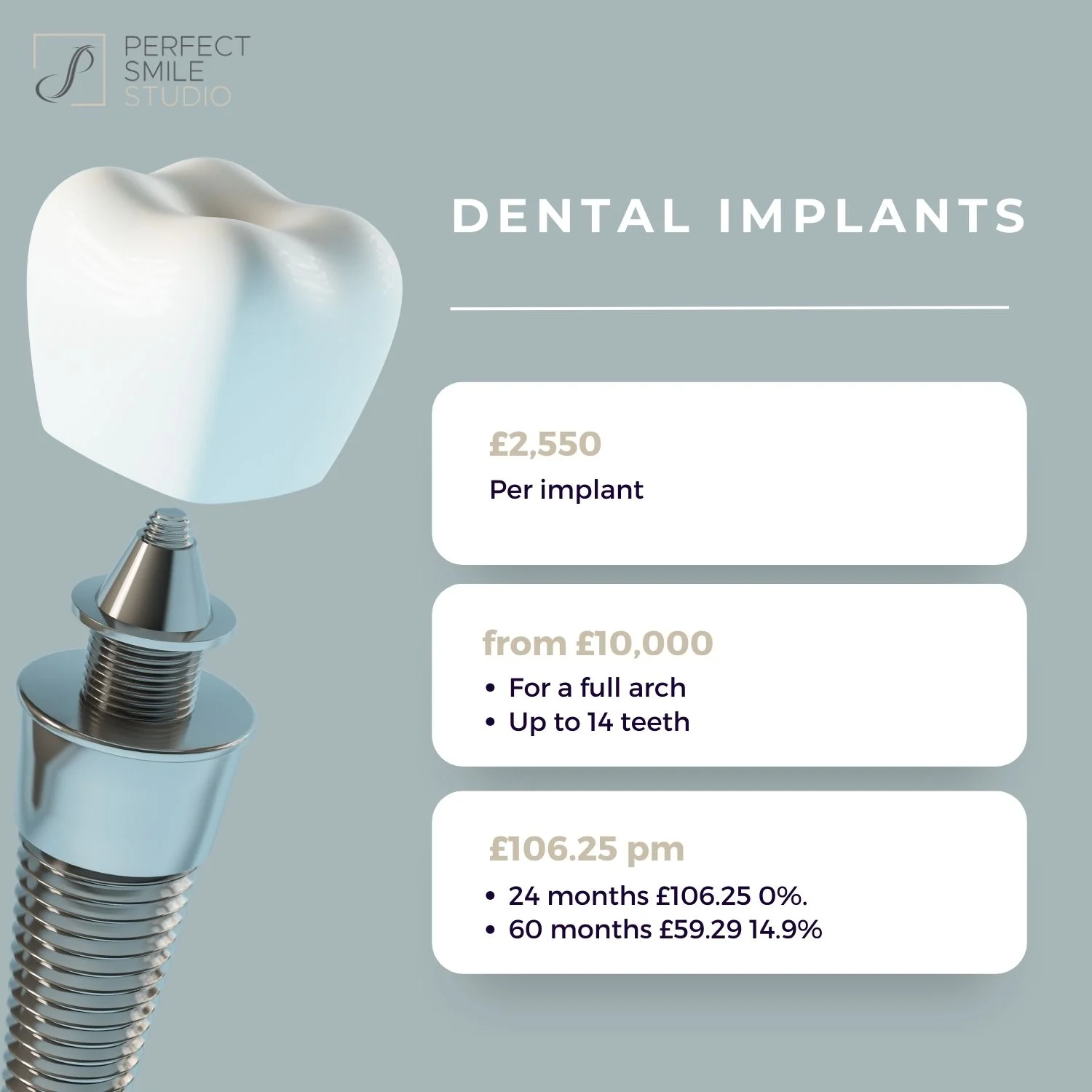
In 2025, the average cost of a single dental implant in the UK ranges from £2,500 to £4,000. This price can vary depending on the clinic, location, and complexity of the case.
What’s Included with NHS vs Private
The inclusions for NHS and private dental implants differ significantly:
- NHS: Typically includes the implant placement and standard aftercare if eligible.
- Private: Usually includes comprehensive consultation, customized treatment plan, high-quality materials, advanced techniques, and extensive aftercare.
Private clinics often offer more personalized care and a wider range of options compared to the limited scope of NHS treatment.
Choosing private dental implants can provide access to advanced technologies and materials, potentially leading to better long-term outcomes. For instance, at Albania Dental Implants, we utilize the latest techniques and high-quality materials to ensure optimal results for our patients.
5. How to Apply for NHS Dental Implants
Understanding how to apply for NHS dental treatment for implants involves a specific referral process. This section provides a step-by-step guide to applying for or being referred for NHS dental implants.
Step-by-Step Guide to Applying or Being Referred
- Consult Your NHS Dentist: Discuss your tooth loss and potential implant options with your general dentist.
- Referral to a Specialist: If your dentist believes you meet the criteria for NHS funding, they will refer you to a dental consultant.
- Assessment by a Consultant: The consultant will assess your case and determine if you qualify for NHS-funded implants.
- Application for Funding: If approved, the consultant will apply for funding from the NHS.
- Treatment: If funding is granted, you will be placed on a waiting list for implant treatment.
Required Consultations and Documents
To apply for NHS dental implants, you will typically need:
- A referral letter from your NHS dentist.
- Medical history records.
- X-rays and scans of your jaw.
- Documentation supporting your medical necessity for implants.
What to Expect During the Assessment Process
During the assessment, expect the consultant to:
- Review your medical and dental history.
- Conduct a thorough oral examination.
- Assess your bone density and jaw structure.
- Determine if you meet the strict criteria for NHS funding.
The assessment process aims to ensure that NHS resources are allocated to those with the greatest need.
If NHS options prove limited, remember that cost of dental implants in Albania are way more affordable. This can be an excellent opportunity to regain your smile and confidence in Tirana.
6. Waiting Times and Availability
Examining NHS dental waiting times is essential for understanding the timeline for implant treatment. This section explores the typical waiting times and regional differences in the UK.
Typical Waiting Times for Implant Assessment and Surgery
Waiting times for NHS dental implants can be extensive, often ranging from several months to over a year. This is due to high demand and limited funding.
Regional Differences and Demand in the UK
Waiting times can vary significantly depending on your location. Areas with higher demand and fewer specialists may experience longer delays.
Is Urgent/Emergency Provision Faster?
In cases of urgent medical need, such as trauma, the waiting time may be shorter. However, this is not guaranteed and depends on the specific circumstances.
7. If You’re Not Eligible: Alternatives & Support
Exploring options for free dental implants on NHS is crucial if you don’t qualify for standard NHS treatment. This section examines NHS alternatives, possible grants, and financing options for private implants.
NHS Alternatives if Not Eligible
If you are not eligible for NHS dental implants, alternative options include:
- Dentures: Removable false teeth that replace missing teeth.
- Bridges: Fixed dental restorations that span the gap between missing teeth.
Possible Grants, Charities, or Low-Cost Schemes
Some charities and low-cost schemes may provide financial assistance for dental treatment:
- Dental charities: Organizations that offer grants or subsidized treatment.
- Dental schools: Providing treatment at a reduced cost.
- Government schemes: Exploring available support through local councils.
Financing Private Implants: 0% Finance, Payment Plans
Many private dental clinics offer financing options to make implants more affordable:
- 0% Finance: Spreading the cost over several months with no interest.
- Payment Plans: Customized payment schedules to suit your budget.
At Albania Dental Implants, we offer affordable dental implant solutions and payment plans to make quality dental care accessible to more people. This commitment to affordability, combined with our high standards of care, makes us an attractive alternative for those seeking cost-effective implant treatment.
8. Pros and Cons of NHS vs Private Dental Implants
It’s crucial to consider the pros and cons of NHS and private dental implants. Here’s a summary table:
| Feature | NHS Dental Implants | Private Dental Implants |
|---|---|---|
| Cost | Lower upfront cost | Higher upfront cost |
| Eligibility | Strict criteria, limited availability | More accessible, fewer restrictions |
| Waiting Times | Long waiting lists | Shorter waiting times |
| Treatment Options | Limited options | Wider range of materials and techniques |
| Aftercare | Basic aftercare | Comprehensive and personalized aftercare |
9. Latest Updates for 2025
Staying informed about NHS provision and costs is crucial in 2025. Check the NHS website for the most current updates and changes to dental policies.
As of 2025, there are no significant policy or pricing changes to report regarding NHS dental implants. However, it’s essential to stay informed about any updates or changes that may occur.
Conclusion
Understanding the cost, eligibility, and alternatives for dental implants on the NHS is essential for making an informed decision about your oral health. While NHS options are limited, alternative solutions are available.
We invite you to check your eligibility or book a consultation with us. Contact us today to explore your options and take the first step towards a confident smile!





