



Dental Replacement – Complete Guide to Your Tooth Replacement Options
What Is Dental Replacement and Who Needs It?
Tooth replacement, also known as dental restoration, involves procedures to replace missing teeth and restore your mouth’s function and aesthetics. Missing teeth, tooth loss, and poor oral health can lead to various problems, including difficulty chewing, speech impediments, shifting of adjacent teeth, and loss of bone density in the jaw. Identifying candidates for tooth replacement early is crucial.
Who is most likely to require tooth replacement?
Individuals who have experienced tooth extraction due to severe decay, gum disease, injury, or congenital conditions are likely candidates. Other causes may include failed root canals, trauma, and age-related tooth loss. If you have missing teeth, it’s essential to consult with a dentist to explore your options and determine the best course of treatment.
Types of Dental Replacement Options
There are several dental replacement options available, each with its own advantages and disadvantages. The most common methods include dentures, dental implants, and dental bridges, catering to various needs and preferences. Understanding these options is essential to making an informed decision with your dentist.
Dental Implants
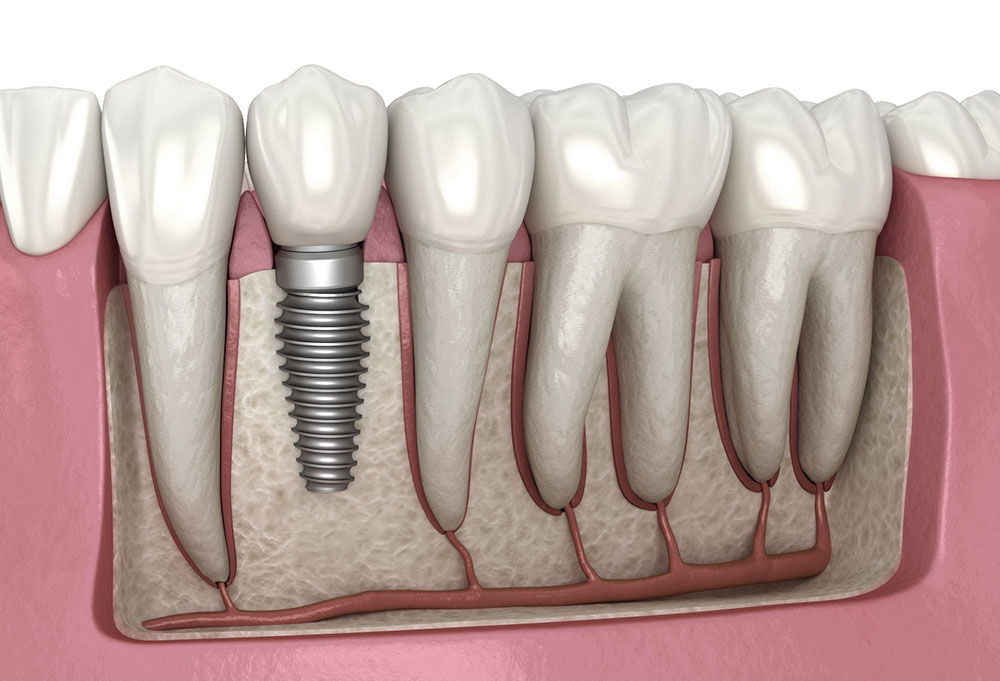
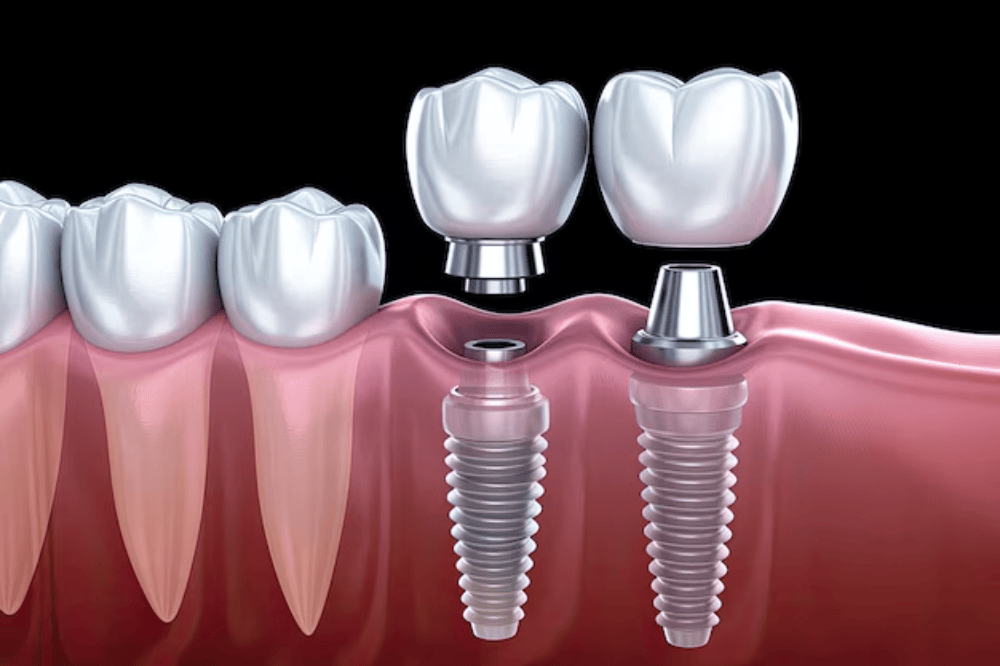
Dental implants are a popular and long-lasting tooth replacement solution, offering a stable and natural-looking result. A titanium implant is surgically placed into the jawbone, serving as an artificial tooth root. Over time, the implant fuses with the bone through a process called osseointegration, providing a secure foundation for a replacement tooth or crown. To find out if you are a good candidate consider reaching out to contact Albania Dental Implants.
What does the implant procedure involve?
The implant procedure typically involves several steps:
- Assessment and Treatment Planning: A thorough examination, including X-rays and 3D scans, to assess bone density and determine the optimal implant placement.
- Implant Placement: Surgical placement of the titanium implant into the jawbone.
- Osseointegration: A healing period of several months to allow the implant to fuse with the bone.
- Abutment Placement: Attaching an abutment (a connector) to the implant.
- Crown Placement: Attaching a custom-made crown to the abutment, creating a natural-looking replacement tooth.
What are the pros and cons of dental implants?
Pros:
- Longevity: With proper care, dental implants can last a lifetime.
- Stability: Implants provide a secure and stable base for replacement teeth.
- Natural Look and Feel: Implants look and feel like natural teeth.
- Bone Preservation: Implants help prevent bone loss in the jaw.
Cons:
- Cost: Dental implants can be more expensive than other tooth replacement options.
- Surgical Procedure: Implant placement requires surgery, which carries some risks.
- Healing Time: The osseointegration process can take several months.
For those considering single tooth replacement or multiple teeth implants, dental implants offer a reliable and long-term solution. Albania Dental Implants specializes in providing affordable and high-quality dental implants, and you can discover our dental tourism in Albania.
Dental Bridges
Dental bridges are another option for replacing missing teeth, involving the creation of a prosthetic tooth (pontic) that is anchored to adjacent teeth with dental crowns. A fixed bridge is a common type of bridge.
What are the different types of dental bridges?
There are several types of dental bridges:
- Traditional Bridge: A pontic is supported by crowns on adjacent teeth.
- Resin-Bonded Bridge: A pontic is attached to adjacent teeth with a metal or porcelain framework.
What is the procedure for getting a dental bridge?
The procedure for getting a dental bridge typically involves:
- Preparation of Adjacent Teeth: The teeth adjacent to the missing tooth are prepared for crowns.
- Impression: An impression of your teeth is taken to create the bridge.
- Temporary Bridge: A temporary bridge is placed while the permanent bridge is being made.
- Placement of Permanent Bridge: The permanent bridge is fitted and cemented into place.
What are the pros and cons of dental bridges?
Pros:
- Cost-Effective: Bridges are generally less expensive than dental implants.
- Faster Treatment: The bridge procedure can be completed in a shorter time frame than implants.
- Non-Surgical: Bridges do not require surgery.
Cons:
- Tooth Structure Alteration: Adjacent teeth need to be altered to support the bridge.
- Risk of Decay: Adjacent teeth are at increased risk of decay.
- Limited Lifespan: Bridges typically last 5-15 years.
When considering a bridge vs implant, it’s important to weigh the advantages and disadvantages of each option. A dental bridge might be a quicker and more affordable solution, but dental implants offer superior longevity and bone preservation. Albania Dental Implants offers a range of tooth replacement options, and you can explore our dental veneers in Albania.
Dentures
Dentures are removable appliances used to replace missing teeth and surrounding tissues. They can be either partial dentures, replacing some teeth, or full dentures, replacing all teeth in an arch. Removable dentures offer a more affordable solution.
Who are dentures suitable for?
Dentures are suitable for individuals who have lost multiple or all teeth due to decay, gum disease, or injury. They are a viable option for those who may not be candidates for dental implants due to health reasons or financial constraints.
What is involved in the care and maintenance of dentures?
Proper care and maintenance are essential for ensuring the longevity and comfort of dentures:
- Daily Cleaning: Dentures should be cleaned daily with a denture brush and denture cleaner to remove plaque and food debris.
- Soaking: Dentures should be soaked in a denture-soaking solution overnight to keep them moist and prevent them from drying out.
- Regular Check-Ups: Regular dental check-ups are necessary to ensure proper fit and address any issues.
What are the pros and cons of dentures?
Pros:
- Affordable: Dentures are generally less expensive than dental implants.
- Non-Surgical: Dentures do not require surgery.
- Improved Appearance: Dentures can improve your smile and facial appearance.
Cons:
- Comfort Issues: Dentures can sometimes be uncomfortable and may require adjustment.
- Stability Issues: Dentures may not be as stable as dental implants and can move around in the mouth.
- Maintenance: Dentures require regular cleaning and maintenance.
The cost of dentures can vary depending on the type of denture and the dentist’s fees. While dentures offer an affordable solution, dental implants provide superior stability and longevity. For information on multiple tooth replacement options, multiple implants with bridges in albania with Albania Dental Implants.
Other Tooth Replacement Methods
In addition to the traditional options, there are newer and alternative tooth replacement techniques available. These methods offer unique benefits and may be suitable for specific cases.
What are mini implants?
Mini implants are smaller versions of traditional dental implants, often used to stabilize dentures. They are less invasive and can be placed with minimal surgery. Snap-in dentures, supported by mini implants, offer improved stability and comfort compared to traditional dentures.
What are temporary solutions for missing teeth?
Temporary solutions, such as flipper teeth, can be used to fill gaps while waiting for a more permanent tooth replacement. Flipper teeth are removable appliances that provide a temporary aesthetic solution. While they are not as stable or functional as implants or bridges, they can help maintain your appearance and prevent shifting of adjacent teeth.
Costs and Financing for Dental Replacement in the UK
Understanding the dental replacement cost UK is a crucial factor in deciding on the best treatment option. The cost can vary widely depending on the type of replacement, the dentist’s fees, and the complexity of the procedure. Here’s a general overview of the costs and financing options available.
What is the typical cost breakdown for dental replacement options?
Here’s a typical cost breakdown for dental replacement options:
- Dental Implants: £2,000 – £4,000 per implant
- Dental Bridges: £700 – £2,000 per bridge
- Dentures: £500 – £1,500 per denture
These costs can vary depending on the location of the dental practice and the materials used. Always seek a detailed treatment plan and cost estimate from your dentist.
What are the options for NHS dental replacement versus private dental replacement?
NHS dental replacement options are generally more affordable but may have limitations in terms of treatment availability and materials used. Private dental replacement offers a wider range of treatment options and materials but comes at a higher cost. NHS dental replacement options are limited.
What financing options are available for dental replacement?
Several financing options are available to help manage the cost of dental replacement:
- Dental Insurance: Some dental insurance plans cover a portion of the cost of tooth replacement.
- Finance Options: Many dental practices offer finance options, allowing you to spread the cost over several months or years.
- Personal Loans: You can also consider taking out a personal loan to cover the cost of treatment.
Before deciding on a treatment option, it’s essential to explore all available dental insurance and finance options to find the most affordable solution. If the dental implant cost is a concern, consider exploring options such as dental tourism.
Dental Replacement Procedure – What to Expect
Knowing what to expect during the dental replacement procedure can help alleviate anxiety and ensure a smooth treatment experience. The process typically involves several steps, from the initial dentist consultation to the final placement of the replacement teeth.
What happens during the initial dentist consultation and assessment?
The dentist consultation typically involves:
- Examination: A thorough examination of your teeth, gums, and jaw.
- X-Rays and Scans: X-rays and 3D scans to assess bone density and identify any underlying issues.
- Discussion of Options: A discussion of your tooth replacement options and the pros and cons of each.
- Treatment Plan: A detailed treatment plan outlining the recommended procedures, costs, and timeline.
What are the key elements of the treatment plan?
The treatment plan typically includes:
- Type of Replacement: The type of tooth replacement recommended (implants, bridges, dentures).
- Number of Teeth: The number of teeth to be replaced.
- Materials Used: The materials to be used for the replacement teeth.
- Timeline: The estimated timeline for the entire procedure.
How is pain managed during and after dental replacement?
Pain management is a crucial aspect of the dental replacement procedure. During the procedure, local anaesthesia is used to numb the area and minimize discomfort. After the procedure, pain management options may include:
- Pain Medication: Over-the-counter or prescription pain medication to relieve discomfort.
- Cold Compresses: Applying cold compresses to reduce swelling and pain.
- Soft Diet: Following a soft diet to avoid irritating the treatment area.
What is the typical healing time and recovery after dental replacement?
The healing time and recovery after dental replacement can vary depending on the type of procedure:
- Dental Implants: Osseointegration (the fusion of the implant with the bone) can take several months.
- Dental Bridges: Recovery is typically shorter, with some discomfort lasting a few days.
- Dentures: Adjustment to dentures may take several weeks, with some initial discomfort.
Benefits of Dental Replacement
Dental replacement offers numerous benefits beyond just restoring your smile. From improving oral function to boosting self-confidence, replacing missing teeth can significantly enhance your quality of life.
How does dental replacement restore function and improve oral health?
Dental replacement helps to restore function by:
- Improving Chewing Ability: Replacing missing teeth allows you to chew food more effectively.
- Enhancing Speech: Filling gaps in your smile can improve speech clarity.
- Preventing Shifting: Replacing missing teeth prevents adjacent teeth from shifting out of position.
How does dental replacement enhance natural appearance and confidence?
Dental replacement can enhance your natural appearance and boost confidence by:
- Restoring Your Smile: Filling gaps in your smile with natural-looking replacement teeth.
- Improving Facial Structure: Supporting your facial muscles and preventing a sunken appearance.
- Boosting Self-Esteem: Feeling more confident in your smile and overall appearance.
How does dental replacement prevent bone loss and promote long-term health?
Dental replacement can prevent bone loss and promote long-term health by:
- Stimulating Bone Growth: Dental implants, in particular, stimulate bone growth in the jaw.
- Preventing Bone Resorption: Helping to maintain bone density and prevent bone loss.
- Improving Overall Health: Promoting better nutrition and oral hygiene, which can have a positive impact on your overall health.
Risks and Considerations
While dental replacement offers numerous benefits, it’s important to be aware of the potential risks and considerations associated with each procedure. Understanding these factors can help you make an informed decision and minimize potential complications.
What are the potential complications associated with dental replacement?
Potential complications include:
- Infection Risk: Risk of infection at the treatment site.
- Nerve Damage: Potential for nerve damage during implant placement.
- Implant Rejection: In rare cases, the body may reject the dental implant.
How can rejection and infection risk be minimized?
These risks can be minimized by:
- Choosing an Experienced Dentist: Selecting a dentist with extensive experience in tooth replacement.
- Following Aftercare Instructions: Adhering to all aftercare instructions provided by your dentist.
- Maintaining Good Oral Hygiene: Practicing good oral hygiene to prevent infection.
What is the longevity and maintenance required for each replacement option?
Longevity and maintenance:
- Dental Implants: Can last a lifetime with proper care. Maintenance includes regular dental check-ups and good oral hygiene.
- Dental Bridges: Typically last 5-15 years. Maintenance includes good oral hygiene and regular check-ups.
- Dentures: Typically last 5-10 years. Maintenance includes daily cleaning and soaking, as well as regular check-ups.
How to Choose the Right Dental Replacement Option
Choosing the right dental replacement option requires careful consideration of several factors, including your suitability, lifestyle, cost comparison, and aesthetic preferences. Consulting with a dentist is crucial for making an informed decision that meets your individual needs.
How does suitability influence the choice of dental replacement?
Suitability depends on factors such as:
- Bone Density: Adequate bone density is required for dental implants.
- Overall Health: Good overall health is essential for successful implant placement.
- Gum Health: Healthy gums are necessary for bridges and dentures.
How does dentist advice help in making the decision?
Your dentist can provide valuable advice based on:
- Comprehensive Assessment: A thorough assessment of your oral health.
- Expert Recommendations: Recommendations tailored to your specific needs and circumstances.
- Treatment Planning: A detailed treatment plan outlining the recommended procedures, costs, and timeline.
How do lifestyle and cost comparison play a role in the decision?
Lifestyle and cost:
- Lifestyle: Consider your lifestyle and how each option will impact your daily activities.
- Cost: Compare the costs of each option, including initial expenses and long-term maintenance.
- Aesthetic Preference: Choose an option that meets your aesthetic goals and provides a natural-looking smile.
Comparing Dental Replacement Providers in the UK
Selecting the right dental replacement provider is essential for ensuring a successful and satisfying treatment experience. Whether you opt for private vs NHS treatment, it’s important to consider factors such as experience, expertise, and patient reviews.
Where can I find the best dental replacement in the UK?
Finding the best dental replacement involves:
- Research: Researching different providers and reading patient reviews.
- Consultations: Scheduling consultations with multiple providers to discuss your options.
- Credentials: Verifying the credentials and experience of the dentists.
What factors should I consider when choosing a provider?
Consider these factors:
- Experience: Choose a provider with extensive experience in tooth replacement.
- Expertise: Look for providers with specialized expertise in the type of replacement you are considering.
- Technology: Select a provider that uses advanced technology and techniques.
How does private treatment compare to NHS treatment?
Private treatment offers more options and personalized care, but at a higher cost. NHS treatment is more affordable but may have limitations in terms of treatment availability and materials used.
Conclusion
Dental replacement is a transformative solution for those suffering from missing teeth, offering numerous benefits for your oral health, appearance, and overall well-being. By understanding the various options available, the procedures involved, and the associated risks and considerations, you can make an informed decision that meets your individual needs and preferences.
For personalized advice and to explore your dental replacement options, consult with a dental professional. contact Albania Dental Implants for a consultation and discover how we can help you restore your smile and confidence.





