



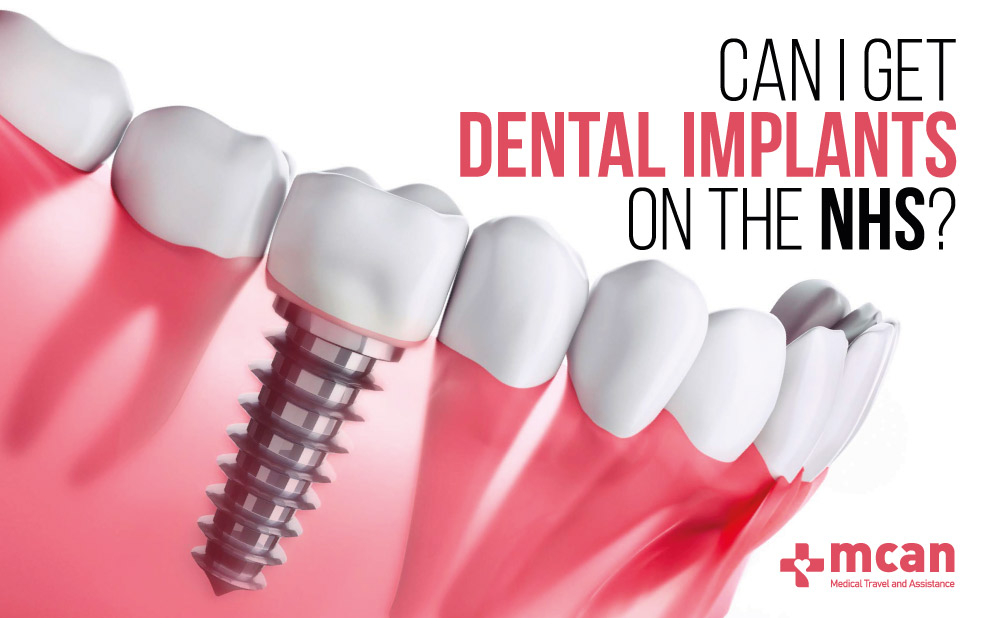
Do I qualify for dental implants on the NHS? This guide explains the requirements, assessment process, and alternative treatment options for patients seeking dental implants through the UK’s National Health Service, helping you understand your eligibility and navigate the system effectively.
Introduction
Navigating the world of NHS dentistry can be confusing, especially when it comes to specialized treatments like dental implants. The NHS primarily focuses on essential dental care, and the availability of advanced procedures like implants is often limited. This differs significantly from private dental care, where a wider range of options and quicker access are typically available, albeit at a higher cost. Understanding the distinctions between NHS and private care is the first step in determining the best path for your dental needs.
Dental implants offer a long-term solution for missing teeth, providing stability and a natural look and feel. However, they are not routinely available on the NHS due to funding constraints and prioritization of essential treatments. This guide provides a clear explanation of who might qualify for dental implants on the NHS, what the assessment process involves, and what alternative options are available, both within the NHS and privately, including considering dental tourism in Albania.
The Difference Between NHS and Private Dental Care
The NHS provides dental care based on clinical need, with a focus on maintaining oral health and function. Treatments like fillings, extractions, and dentures are commonly available. However, cosmetic procedures and advanced restorative treatments like dental implants are less frequently offered.
Private dental care, on the other hand, offers a broader spectrum of services, including cosmetic dentistry, advanced restorative options, and often shorter waiting times. However, these services come at a higher cost. Many individuals explore private options, including seeking treatment abroad, to access affordable dental care and quality dental implants.
NHS Dental Implants Eligibility Criteria
NHS dental implants eligibility is strict, and only a small percentage of patients meet the necessary criteria for dental implants NHS. The NHS prioritizes treatments based on clinical need and the potential to significantly improve a patient’s quality of life. To understand if you might qualify, it’s essential to know the specific conditions and circumstances that the NHS considers.
Understanding the specific criteria can help you determine whether you might be eligible for NHS-funded dental implants or if you should consider alternative routes, such as private care or treatment abroad with Albania Dental Implants, where costs can be significantly lower.
Clinical Conditions That Qualify
Generally, the NHS provides dental implants only in cases where there is a clear medical justification. Some of the clinical conditions that might qualify a patient for dental implants on the NHS include:
- Mouth cancer: Patients who have had teeth removed as part of cancer treatment may be eligible for implants to restore their oral function and appearance.
- Severe trauma: Individuals who have lost teeth due to severe accidents or injuries may qualify for implants if the damage significantly impacts their ability to eat or speak.
- Congenital conditions: In rare cases, individuals with certain congenital conditions that have resulted in missing teeth may be considered for NHS-funded implants.
Patients Prioritized for NHS-Funded Dental Implants
Even if a patient has a qualifying clinical condition, the NHS prioritizes cases based on the severity of need and the potential impact on the patient’s overall health and well-being. Patients who experience significant functional impairment due to tooth loss are typically given higher priority.
This prioritization often means that even those who meet the basic eligibility criteria may still face challenges in accessing NHS-funded dental implants due to limited resources and high demand.
NHS Assessment and Referral Process
Navigating the NHS implant referral process can be lengthy and complex. It typically starts with a referral from your general NHS dentist to a specialist, followed by a comprehensive assessment. Be prepared for potential dental implant waiting list NHS, which can vary depending on your location and the specific circumstances of your case.
Understanding each step of the process can help you prepare and manage your expectations, whether you ultimately pursue NHS treatment or explore alternative options. Knowing the typical wait times can also help you make informed decisions about your dental care.
How Referrals Are Made (by NHS Dentist)
The first step in accessing NHS dental implants is to consult with your regular NHS dentist. If they believe that you meet the eligibility criteria, they will refer you to a specialist, such as an oral surgeon or a prosthodontist, for further evaluation. The referral should include detailed information about your medical and dental history, as well as the reasons why you are being considered for implants.
It’s important to note that not all NHS dentists are familiar with the specific criteria for dental implants, so it may be helpful to discuss your situation and provide any relevant medical documentation to support your case.
What to Expect During Assessment
Once you have been referred to a specialist, you will undergo a thorough assessment to determine whether you are a suitable candidate for dental implants. This assessment may include:
- Medical and dental history review: The specialist will review your medical and dental history to identify any factors that could affect the success of the implant treatment.
- Clinical examination: A comprehensive examination of your mouth, including an assessment of your teeth, gums, and jawbone.
- X-rays and scans: Imaging tests, such as X-rays or CT scans, to evaluate the quality and quantity of bone in your jaw.
- Discussion of treatment options: A detailed discussion of the potential benefits and risks of dental implants, as well as alternative treatment options.
Usual Wait Times for Dental Implant Treatment on the NHS
Due to high demand and limited resources, the waiting time for dental implant treatment on the NHS can be significant. The exact length of the wait can vary depending on your location, the availability of specialists, and the complexity of your case. In some areas, patients may wait several months or even years for treatment.
During this time, it’s essential to maintain good oral hygiene and attend regular check-ups to prevent any further deterioration of your dental health. If you find the waiting time too long, you might consider exploring private options, including seeking treatment abroad.
NHS vs Private Dental Implants
The choice between private vs NHS dental implants often comes down to cost, eligibility, and waiting times. While the NHS may offer lower costs for qualifying patients, can I get free dental implants UK through the NHS is a complex question with limited availability. Private options provide quicker access and a wider range of choices but at a higher price.
Understanding these differences is crucial for making an informed decision that aligns with your budget, dental needs, and timeline. It’s also important to consider alternative options, such as seeking treatment abroad with Albania Dental Implants, where costs can be substantially lower without compromising on quality.
Main Differences: Cost, Eligibility, Access, Waiting Periods
Here’s a breakdown of the key differences between NHS and private dental implants:
- Cost: NHS dental implants are typically more affordable for eligible patients, as the cost is subsidized by the government. Private dental implants, on the other hand, can be significantly more expensive.
- Eligibility: NHS eligibility is restricted to patients with specific clinical needs, such as those who have had teeth removed due to cancer treatment or severe trauma. Private dental implants are available to anyone who meets the basic health requirements.
- Access: Access to NHS dental implants is limited due to high demand and long waiting lists. Private dental implants offer quicker access and more flexible scheduling.
- Waiting Periods: Waiting times for NHS dental implants can be several months or even years. Private dental implants can often be scheduled within a few weeks.
When You Might Need to Consider Private Treatment
If you do not meet the strict eligibility criteria for NHS-funded dental implants, or if you cannot afford to wait for an extended period, you may need to consider private treatment. Private dental implants offer several advantages, including:
- Quicker access to treatment: You can typically schedule your implant procedure within a few weeks, rather than waiting months or years.
- Wider range of options: Private dentists often offer a broader selection of implant types and materials.
- More personalized care: Private dentists may be able to provide more individualized attention and treatment planning.
However, it’s important to be aware of the higher costs associated with private dental implants. To make private treatment more affordable, you might consider exploring options such as dental tourism, where you can receive high-quality care at a lower price.
Funding and Costs
Understanding dental implant NHS funding is crucial, as it determines what the NHS covers for qualifying patients and what out-of-pocket costs you might incur. Even if you are eligible for NHS funding, there may still be additional fees for certain aspects of the treatment. It’s essential to have a clear understanding of these costs to make an informed decision.
Exploring alternative funding options, such as private insurance or payment plans, can also help make dental implants more accessible. Additionally, considering treatment abroad with Albania Dental Implants offers a cost-effective alternative without compromising on quality.
What NHS Covers for Qualifying Patients
If you meet the eligibility criteria for NHS-funded dental implants, the NHS will typically cover the cost of the implant procedure itself, as well as any necessary pre- and post-operative care. This may include:
- Consultations and assessments: The cost of initial consultations and assessments to determine your suitability for implants.
- Implant placement: The surgical procedure to place the dental implant into your jawbone.
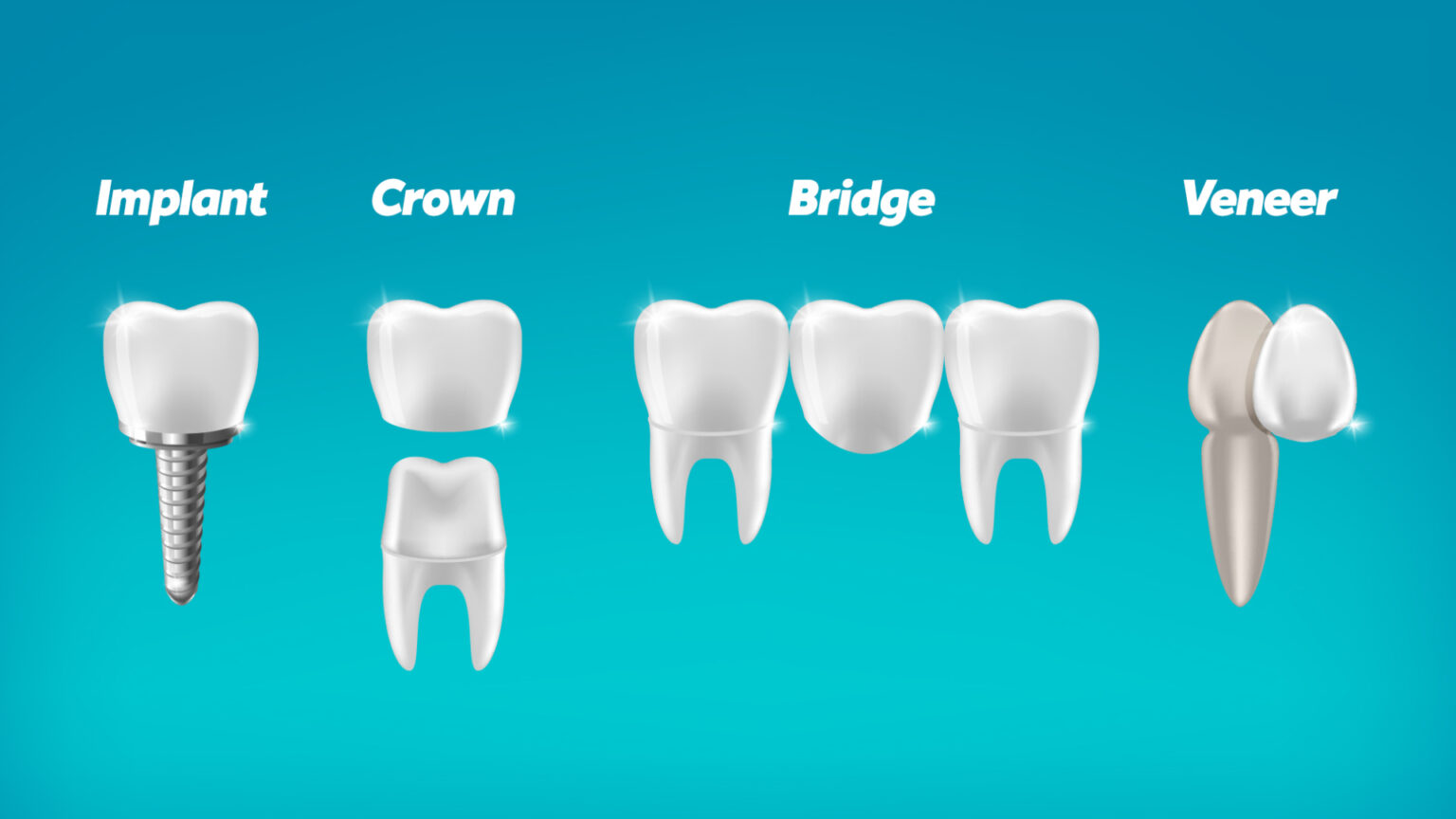
- Abutment and crown: The cost of the abutment (the connector between the implant and the crown) and the crown (the artificial tooth that is attached to the implant).
- Follow-up appointments: The cost of follow-up appointments to monitor the healing process and ensure the implant is functioning properly.
Out-of-Pocket Costs and When Full Fees Apply
Even if you are eligible for NHS funding, there may still be some out-of-pocket costs associated with your dental implant treatment. These may include:
- NHS dental charges: You may be required to pay the standard NHS dental charges for certain aspects of the treatment, such as check-ups or X-rays.
- Additional procedures: If you require additional procedures, such as bone grafting or sinus lifts, to prepare your jawbone for implants, these may not be covered by the NHS.
- Private treatment: If you choose to have your treatment at a private dental clinic, you will be responsible for paying the full fees.
In cases where you do not meet the eligibility criteria for NHS funding, you will be responsible for paying the full cost of your dental implant treatment. This can be a significant expense, so it’s important to explore all available options and choose the most affordable solution.
Alternatives, Patient Rights, and Support
If you don’t qualify for NHS dental implants, there are affordable dental implants UK options to consider. Additionally, understanding your NHS dental patient rights ensures you receive appropriate care and have avenues for appeal if needed. It’s important to know your rights and explore all available resources to make informed decisions about your dental health.
Exploring alternative treatments and understanding your rights can empower you to take control of your dental care journey and find the best possible solution for your needs. Considering options such as treatment abroad with Albania Dental Implants can also provide access to quality care at a lower cost.
Alternative NHS Treatments If You Don’t Qualify
If you are not eligible for dental implants on the NHS, there are several alternative treatments that you may want to consider:
- Dentures: Dentures are removable appliances that can replace missing teeth. They are a more affordable option than dental implants but may not provide the same level of stability or comfort.
- Bridges: Bridges are fixed appliances that can fill the gap left by a missing tooth. They are typically less expensive than dental implants but require the support of adjacent teeth.
- Partial dentures: Partial dentures are similar to full dentures but are used to replace only a few missing teeth.
Patient Advocacy and Next Steps
If you are unhappy with a decision made by your dentist or the NHS regarding your dental implant treatment, you have the right to appeal. The first step is to discuss your concerns with your dentist or the NHS complaints department. If you are not satisfied with their response, you can escalate your complaint to the Dental Complaints Service or the Parliamentary and Health Service Ombudsman.
In addition to formal complaint procedures, there are also several patient advocacy groups that can provide support and guidance throughout your dental care journey. These groups can help you understand your rights, navigate the NHS system, and find the best possible treatment options.
QUESTIONS – FAQs to Answer in Detail
Here are detailed answers to frequently asked questions about qualifying for dental implants on the NHS.
What medical or dental conditions make someone eligible for dental implants on the NHS?
Eligibility for dental implants on the NHS is primarily determined by specific medical or dental conditions that significantly impact a patient’s oral function and quality of life. These conditions often include:
- Mouth Cancer: Patients who have undergone surgery to remove cancerous tissue in the mouth, resulting in tooth loss, may be eligible for implants to restore their ability to eat and speak properly.
- Severe Trauma: Individuals who have experienced severe facial trauma due to accidents or injuries, leading to the loss of multiple teeth, may qualify for NHS-funded implants.
- Congenital Abnormalities: In rare cases, patients with congenital conditions that cause missing teeth from birth may be considered for implants to improve their oral function and aesthetics.
These conditions must be assessed by a qualified dental specialist, who will determine whether dental implants are the most appropriate treatment option.
How do I apply for dental implants on the NHS? What is the referral pathway?
The process for obtaining dental implants on the NHS involves several steps:
- Initial Consultation: Begin by scheduling an appointment with your general NHS dentist to discuss your tooth loss and explore potential treatment options.
- Referral to a Specialist: If your dentist believes you meet the eligibility criteria, they will refer you to a specialist, such as an oral surgeon or prosthodontist, for a comprehensive assessment.
- Specialist Assessment: The specialist will evaluate your medical and dental history, conduct a clinical examination, and order any necessary imaging tests to determine your suitability for dental implants.
- Treatment Plan: If you are deemed a suitable candidate, the specialist will develop a treatment plan and submit it to the NHS for approval.
- Approval and Scheduling: Once approved, you will be placed on a waiting list and contacted when a slot becomes available for your implant procedure.
Are dental implants free on the NHS? Does NHS pay the whole cost?
While dental implants may be available on the NHS, they are not always free. The level of NHS funding depends on your individual circumstances and the specific criteria outlined by the NHS. In some cases, the NHS may cover the entire cost of the implant procedure, while in others, you may be required to pay a portion of the fees.
It’s essential to discuss the funding arrangements with your dentist or specialist before proceeding with treatment to understand any potential out-of-pocket expenses.
What are the main reasons applications for NHS dental implants are rejected?
Applications for NHS dental implants are often rejected due to:
- Not Meeting Eligibility Criteria: The patient’s medical or dental condition does not meet the strict criteria outlined by the NHS.
- Insufficient Bone Density: The patient’s jawbone does not have enough density to support dental implants, and additional procedures, such as bone grafting, are not covered by the NHS.
- Alternative Treatment Options: The dentist believes that alternative treatment options, such as dentures or bridges, are more appropriate for the patient’s needs.
- Limited Funding: The NHS has limited funding available for dental implants, and priority is given to patients with the most severe clinical needs.
How long is the waiting time for dental implant treatment on the NHS?
Waiting times for NHS dental implant treatment can vary depending on several factors, including:
- Location: Waiting times may be longer in areas with high demand and limited resources.
- Specialist Availability: The availability of qualified specialists in your area can impact the length of the waiting list.
- Case Complexity: More complex cases may require additional consultations and procedures, which can extend the waiting time.
In some cases, patients may wait several months or even years for NHS dental implant treatment.
What alternatives are available from the NHS if implants aren’t approved?
If your application for NHS dental implants is rejected, there are alternative tooth replacement options available through the NHS:
- Dentures: Removable dentures are a cost-effective way to replace missing teeth and restore your smile.
- Bridges: Fixed bridges can fill the gap left by a missing tooth and are supported by adjacent teeth.
- Partial Dentures: Partial dentures are suitable for patients who have only a few missing teeth.
Is there any way to appeal a dentist’s or NHS decision?
Yes, you have the right to appeal a dentist’s or NHS decision regarding your dental implant treatment. The process typically involves:
- Discussing Your Concerns: Start by discussing your concerns with your dentist or the NHS complaints department.
- Formal Complaint: If you are not satisfied with their response, you can file a formal complaint with the Dental Complaints Service.
- Escalation: If your complaint is not resolved, you can escalate it to the Parliamentary and Health Service Ombudsman.
Can children qualify for dental implants under the NHS?
Dental implants are rarely offered to children under the NHS. The primary reason is that a child’s jawbone is still growing, and placing an implant could interfere with normal development. In exceptional cases, children with congenital conditions that have resulted in missing teeth may be considered for implants once their jawbone has fully matured.
How do NHS dental implant outcomes compare to private dental care?
The outcomes of NHS dental implant treatment are generally comparable to those of private dental care, as both use the same techniques and materials. However, there may be some differences in terms of:
- Choice of Materials: Private dentists may offer a wider range of implant types and materials.
- Treatment Planning: Private dentists may have more time to dedicate to individualized treatment planning.
- Cosmetic Results: Private dentists may place a greater emphasis on achieving optimal cosmetic results.
What patient rights apply to dental implant treatment decisions by the NHS?
As a patient receiving dental care from the NHS, you have certain rights, including:
- The Right to Information: You have the right to receive clear and accurate information about your treatment options, including the benefits, risks, and costs of dental implants.
- The Right to Consent: You have the right to make informed decisions about your treatment and to consent to or decline any proposed procedures.
- The Right to Confidentiality: You have the right to have your medical information kept confidential.
- The Right to Complain: You have the right to complain if you are unhappy with the care you receive.
Conclusion
Understanding whether you qualify for dental implants on the NHS is a complex process, requiring careful consideration of eligibility criteria, assessment procedures, and available alternatives. While NHS-funded implants are an option for some, the strict requirements and long waiting times often lead individuals to explore private alternatives. At Albania Dental Implants, we offer a cost-effective solution, combining high-quality care with affordable prices in a beautiful setting. We invite you to contact Albania Dental Implants today to discuss your options and embark on the journey to a confident, healthy smile. Your dream smile is closer than you think!