



Do they numb your mouth to put on a crown? This is a common concern for anyone preparing for a dental crown procedure. Undergoing any dental treatment can be daunting, and knowing what to expect can significantly reduce anxiety. This comprehensive guide will walk you through the entire process, explaining why numbing is usually necessary, what it involves, and what you can expect before, during, and after the procedure. At Albania Dental Implants, we believe that informed patients are empowered patients, and we are here to address all your concerns and ensure a comfortable and stress-free experience with our dental crowns in Albania or any dental implant treatments.
What Happens During a Dental Crown Procedure?
dental crown procedure steps
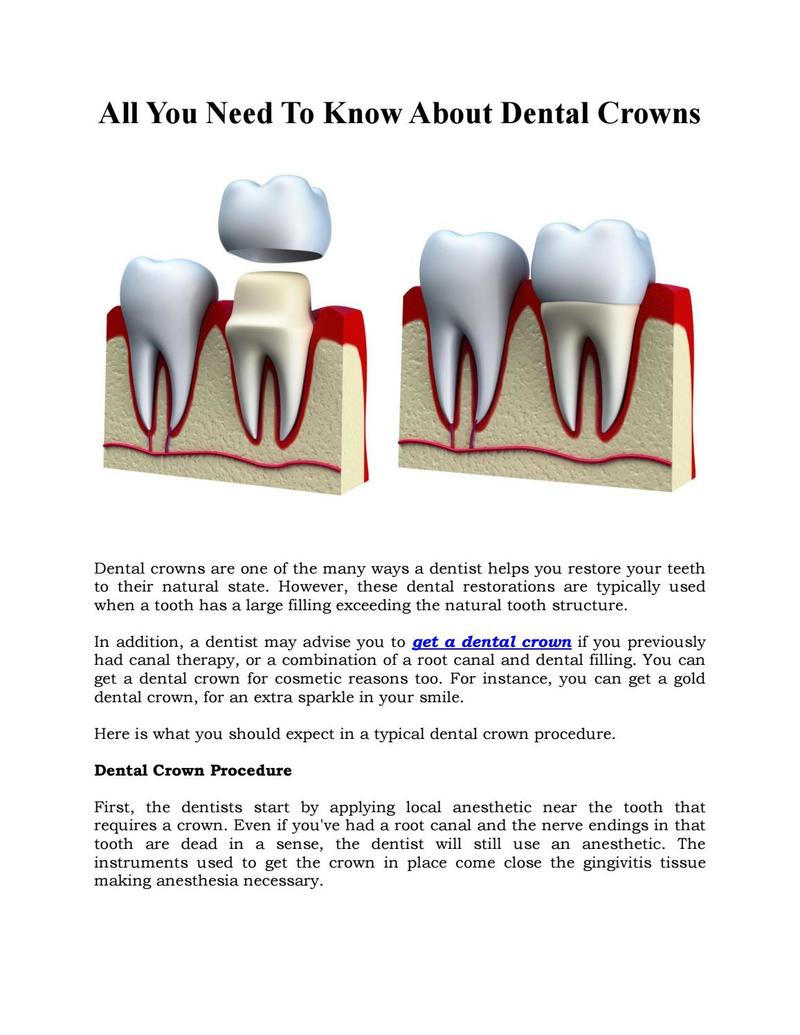
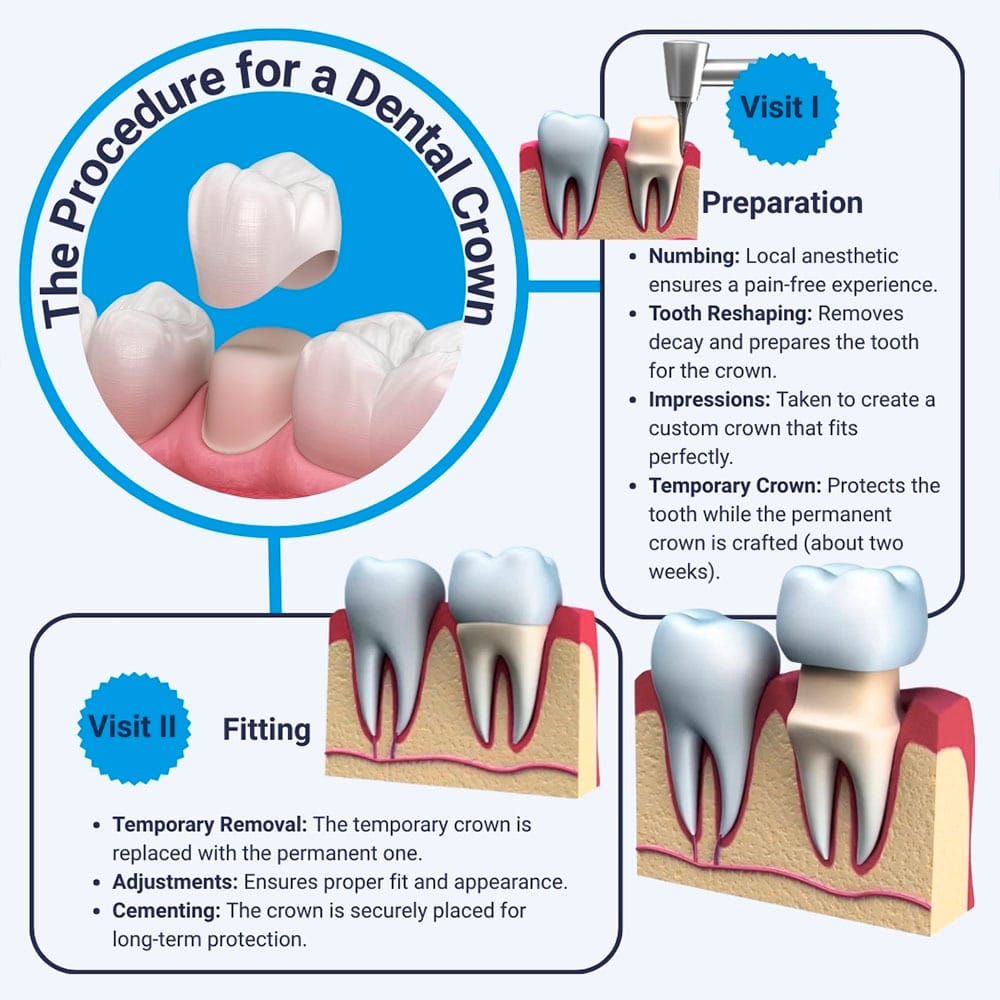
The first step in understanding whether you’ll be numbed for a crown is understanding the overall process. A dental crown is essentially a custom-made cap that covers a damaged tooth, restoring its shape, size, strength, and appearance. Here’s a breakdown of what typically happens during a crown procedure:
Brief Overview of Dental Crown Process
- Initial Examination: Your dentist will assess the tooth and determine if a crown is the best solution. This may involve X-rays to evaluate the tooth roots and surrounding bone.
- Tooth Preparation: This involves reshaping the tooth so the crown can fit properly. The amount of tooth removed depends on the type of crown being used.
- Impressions: After the tooth is prepped, an impression is made to create a model of your tooth. This model is sent to a dental lab, where the crown is fabricated.
- Temporary Crown: While the permanent crown is being made, a temporary crown is placed to protect the prepared tooth.
- Permanent Crown Placement: Once the permanent crown is ready, the temporary crown is removed, and the new crown is cemented into place.
When Local Anaesthetic Is Administered (Before Prepping Tooth)
Local anaesthetic is usually administered before the tooth preparation stage. The reason for this is simple: prepping the tooth often involves removing a portion of the natural tooth structure, which can cause sensitivity or pain if done without anaesthesia. The anaesthetic ensures that you remain comfortable throughout this crucial phase. Some may ask, does getting a crown hurt without numbing? The answer is almost always yes, which is why dentists prioritize numbing.
Difference Between Preparing for a Crown and Simple Procedures
Unlike a simple cleaning or a superficial filling, preparing a tooth for a crown requires more extensive work. The dentist needs to create enough space for the crown to fit snugly and securely. This often means working close to the nerve, which can trigger discomfort. Therefore, local anaesthetic is almost always necessary to ensure a pain-free experience. This is especially important as dental anxiety and crowns are closely linked. The more comfortable you are during the procedure, the more positive your overall experience will be.
Do They Always Numb Your Mouth to Put on a Crown?
anaesthetic for dental crown, local anaesthesia in dentistry
The short answer is that, in most cases, yes, dentists do numb your mouth to put on a crown. The use of local anaesthetic is a standard practice aimed at ensuring patient comfort and minimizing any potential pain during the procedure. However, there are some exceptions to this general rule.
Standard Practice: Most Dentists Use Local Anaesthetic
For the vast majority of dental crown procedures, local anaesthetic is employed. This is because preparing a tooth for a crown can involve significant reshaping, which can cause discomfort if the tooth’s nerve is not desensitized. Dentists prioritize patient comfort, and local anaesthesia is a reliable way to achieve this.
Exceptions (Very Shallow Preparation, Highly Tolerant Patients)
There are rare instances where numbing might not be necessary. For example, if the tooth preparation is very shallow and doesn’t involve significant alteration of the tooth structure, or if the patient has a very high pain tolerance and doesn’t mind slight discomfort, the dentist might consider proceeding without anaesthetic. However, these cases are exceptions, not the norm.
Comparison with Dental Fillings
Many people wonder about the difference between needing numbing for a crown versus a filling. While some small fillings can be done without anaesthetic, the process for a crown is generally more involved. Fillings typically address smaller areas of decay, whereas crowns cover the entire tooth. This broader coverage usually necessitates numbing to avoid pain during the reshaping process. Knowing the difference can ease your anxiety about the dental crown procedure steps.
What Does Getting Numbed Involve?
dental injection, dental numbing process
Understanding the numbing process can greatly reduce any anxiety you might have. Here’s what you can expect when getting numbed for a dental crown procedure:
The Process of Local Anaesthetic Injection
The dentist will first dry the area where the injection will be given. They might then apply a topical anaesthetic to numb the surface of your gum. This is usually a gel or cream that minimizes the initial pinch of the needle. After a minute or two, the dentist will slowly inject the local anaesthetic into the gum tissue surrounding the tooth. This numbs the nerves that transmit pain signals from the tooth to your brain. The anaesthetic for dental crown starts working within a few minutes.
What Sensations to Expect: Pressure, Pinch
During the injection, you might feel a slight pinch or pressure as the needle enters the gum. Some people also report a brief stinging sensation as the anaesthetic solution is injected. However, these sensations are usually mild and fleeting. Communication with your dentist is key; if you experience significant pain, let them know immediately so they can adjust the technique.
How Long Numbness Lasts
The duration of numbness varies depending on the type of anaesthetic used and individual factors. Generally, you can expect the numbness to last for 2 to 4 hours. Your dentist will advise you on what to expect based on the specific anaesthetic they use. Understanding how long does numbing last will allow you to plan your day accordingly and avoid eating until the numbness wears off to prevent accidental biting of your cheek or tongue.
Tips for Patients with Dental Anxiety
Dental anxiety and crowns often go hand in hand, but there are several strategies to manage this anxiety:
- Communicate with Your Dentist: Share your fears and concerns. Dentists are trained to help anxious patients and can adjust their approach to make you more comfortable.
- Use Relaxation Techniques: Practice deep breathing or meditation before and during the procedure.
- Listen to Music: Distract yourself with your favourite music.
- Consider Sedation Options: If your anxiety is severe, discuss sedation options with your dentist, such as nitrous oxide (laughing gas) or oral sedatives.
Remember, your comfort is a priority. If you’re anxious about injections, let your dentist know, and they can take extra precautions to minimize discomfort.
Is a Dental Crown Procedure Painful?
pain during crown preparation, crown fitting discomfort
One of the biggest concerns people have about getting a dental crown is whether the procedure is painful. With the use of local anaesthetic, the crown procedure itself should not be painful.
Pain Expectations with Anaesthetic
Thanks to local anaesthetic, you should not feel any sharp or intense pain during the crown preparation. The anaesthetic effectively blocks pain signals from reaching your brain, allowing the dentist to work without causing you discomfort. However, it’s normal to have some sensations, such as pressure or vibration.
What Patients Report Feeling (Pressure, Vibration but not Pain)
Instead of pain, patients often report feeling pressure or vibration during the preparation of the tooth. This is because the dentist is using tools to reshape the tooth, and these tools can create a sense of vibration. You might also feel pressure as the dentist places the temporary or permanent crown. These sensations are generally mild and tolerable. If you do experience pain, it’s crucial to inform your dentist immediately.
Temporary Crown Fitting and Sensation
After the tooth is prepared, a temporary crown is placed to protect the tooth while the permanent crown is being made. Some patients experience mild sensitivity to hot or cold with the temporary crown, but this is usually temporary. The temporary crown fitting sensation should not be painful. If you experience significant discomfort or pain with the temporary crown, contact your dentist. Overall pain during crown preparation is minimized by the use of anaesthetic.
Do They Numb Your Mouth to Put on a Crown and Is it a Pain Free Experience?
Ultimately, while it is a standard practice, numbing helps to make the entire process a pain-free experience. If you have further questions on this topic, feel free to contact Albania Dental Implants to ease your concerns.
Aftercare and Recovery
recovery after dental crown, how long does numbing last
Knowing what to expect after a dental crown procedure can help you manage any discomfort and ensure a smooth recovery.
How Long You’ll Stay Numb
As mentioned earlier, the numbness from local anaesthetic typically lasts for 2 to 4 hours. The exact duration depends on the type of anaesthetic used and your individual metabolism. Your dentist will provide specific guidance based on your situation. Being prepared for how long the numbing lasts after a dental crown helps you manage your expectations and activities.
Eating/Drinking Recommendations After Procedure
It’s crucial to avoid eating solid foods until the numbness wears off completely. This prevents you from accidentally biting your cheek, tongue, or lip, which can be quite painful. Stick to soft foods like soup, yogurt, or smoothies. Avoid hot beverages, as you might not be able to gauge the temperature properly while numb. Once the numbness subsides, you can gradually reintroduce solid foods, but be mindful of any sensitivity. You can learn more about general dentistry in Albania on our website.
What to Do If Numbness Persists
In rare cases, numbness can persist longer than expected. If you still feel numb after 4 hours, don’t panic. Contact your dentist, but it is unlikely to be anything serious. Sometimes, gentle massage of the affected area can help improve circulation and speed up the recovery of nerve function. The recovery after dental crown is generally quick and straightforward.
Dental Crowns vs. Fillings: Numbing Differences
crown procedure vs. filling
Understanding the differences between numbing requirements for dental crowns and fillings can help you better prepare for these procedures.
When is Numbing Required for Each?
For dental fillings, the need for numbing depends on the size and location of the cavity. Small, superficial cavities might not require anaesthetic, as the drilling is minimal and doesn’t affect the nerve. However, larger cavities or those close to the nerve typically require numbing. In contrast, dental crowns almost always require local anaesthetic because the tooth preparation is more extensive, involving significant reshaping of the tooth. If considering dental tourism in Albania be sure to ask if local or general anesthetic will be used.
Deeper Drilling and Nerve Proximity
The primary reason for the difference in numbing requirements is the depth of drilling involved. Fillings usually address surface-level decay, whereas crowns require deeper preparation to accommodate the crown’s thickness. This deeper drilling often brings the tools closer to the nerve, increasing the risk of pain and sensitivity. Understanding this difference can help you appreciate why numbing is a standard part of the crown procedure. Knowing when numbing is required for each procedure ensures you are well-prepared and less anxious about the process.
Frequently Asked Questions About Dental Crowns and Numbing
Do they numb your mouth to put on a crown?
Yes, in most cases, dentists numb your mouth with local anaesthetic before preparing a tooth for a crown. This ensures you experience minimal to no pain during the procedure, which involves reshaping the tooth to fit the crown.
Does getting a crown hurt?
With the use of local anaesthetic, getting a crown should not be painful. You may feel some pressure or vibration, but sharp pain is rare. If you do experience pain, it’s important to tell your dentist immediately.
How do dentists numb your mouth?
Dentists use local anaesthetic injections to numb your mouth. They may first apply a topical anaesthetic to the gum surface to minimize the initial pinch. The anaesthetic solution is then slowly injected into the gum tissue surrounding the tooth, blocking pain signals.
Will I feel anything during the crown procedure?
You may feel some pressure or vibration as the dentist prepares the tooth, but you should not feel any sharp or intense pain. The anaesthetic is designed to block pain signals, allowing you to remain comfortable.
How long does the numbing last after a dental crown?
The numbing typically lasts for 2 to 4 hours after the procedure. This can vary depending on the type of anaesthetic used and individual factors. Your dentist will provide specific guidance.
Is numbing always necessary for a dental crown?
While it’s standard practice, numbing might not be necessary in very rare cases where the tooth preparation is extremely shallow or the patient has a very high pain tolerance. However, most dentists prefer to use anaesthetic to ensure patient comfort.
What happens if I’m anxious about injections?
If you’re anxious about injections, communicate with your dentist. They can use topical anaesthetics, relaxation techniques, or sedation options like nitrous oxide to help you manage your anxiety and make the experience more comfortable.
Can a crown be fitted without anaesthetic?
While possible in some situations, it’s generally not recommended. Preparing a tooth for a crown involves reshaping, which can cause significant discomfort without anaesthetic. Prioritizing your comfort is key.
What are the side effects of dental anaesthetic?
Common side effects of dental anaesthetic include temporary numbness, tingling, or swelling in the injection area. Some people may experience a temporary rapid heartbeat or slight dizziness. Serious side effects are rare. To learn more about cosmetic dentistry in Albania click here.
How is the numbing process different for a filling versus a crown?
The numbing process is similar for both fillings and crowns, but the extent of numbing might differ. Crowns typically require more extensive numbing because the tooth preparation is more involved. Fillings, especially small ones, may not always require anaesthetic.
Considering Dental Implants in Albania?
While this article focuses on crowns, it is important to also understand dental implants. If you’re missing teeth and are considering a long-term solution, dental implants in Albania could be the answer. Dental implants are artificial tooth roots that provide a stable base for replacement teeth. They look, feel, and function like natural teeth, and they can last a lifetime with proper care. We also offer a wide range of options such as all on 4 dental implants in albania and can assist with bone grafting in albania and even sinus lift in albania.
Conclusion
So, do they numb your mouth to put on a crown? The answer is a resounding yes in most cases. Local anaesthetic is a standard part of the dental crown procedure, ensuring that you remain comfortable and pain-free. Understanding the process, managing your anxiety, and following aftercare instructions can help you have a positive and successful experience.
If you’re considering dental crowns or other dental treatments, we invite you to learn more about the high-quality and affordable options available at Albania Dental Implants. Our experienced team is dedicated to providing personalized care and exceptional results. Contact us today to schedule a consultation and take the first step towards a healthier, more confident smile!





