



Do They Put You to Sleep for All-on-4 Implants? Complete Sedation Guide
Do they put you to sleep for All-on-4 implants? The answer is often yes, with various sedation options available to ensure your comfort during this transformative procedure. This comprehensive guide explores everything you need to know about sedation for All-on-4 dental implants, helping you make informed decisions for a positive and stress-free experience with Albania Dental Implants.
Understanding All-on-4 Implants and Sedation Options
When considering All-on-4 dental implants, understanding the available sedation for implants is crucial. Different dental anesthesia options cater to varying levels of anxiety and procedure complexity, making the experience more comfortable for each patient.
What Are All-on-4 Implants?
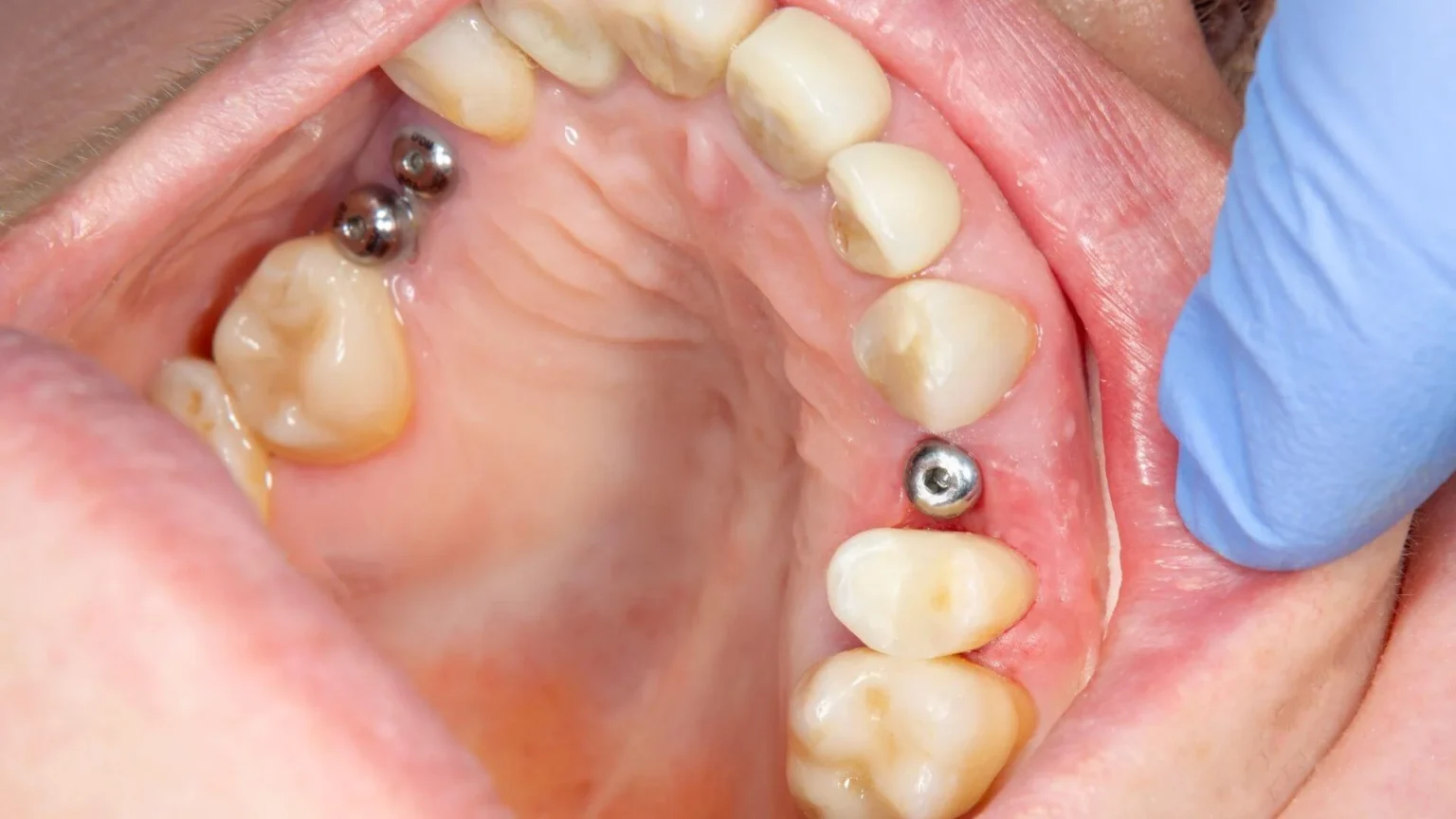
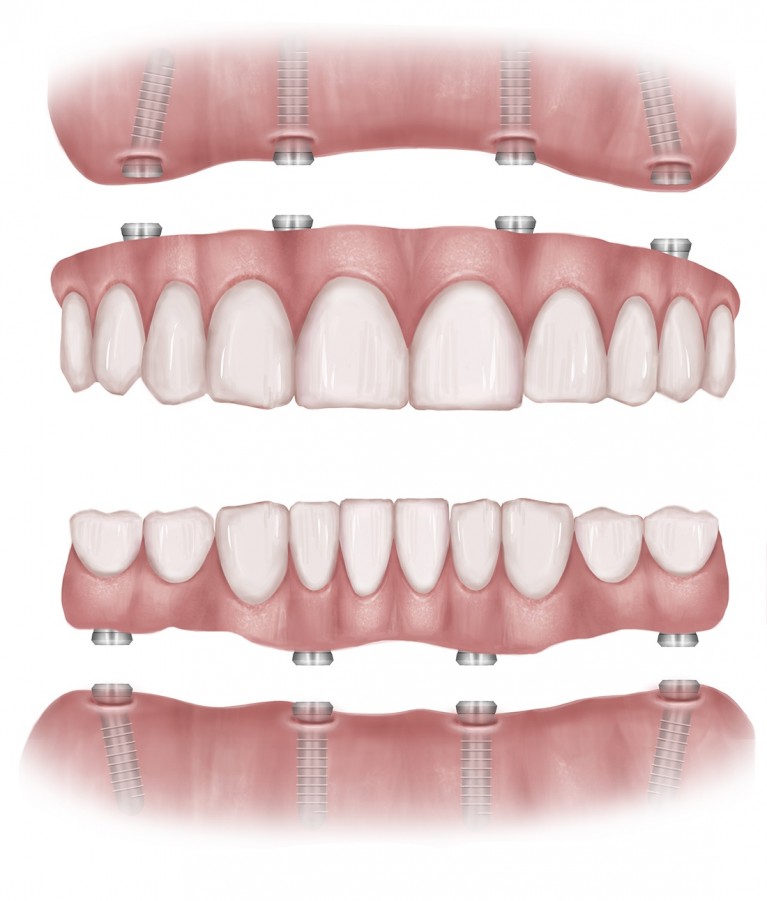
All-on-4 dental implants are a revolutionary solution for replacing an entire arch of missing teeth using only four dental implants. This innovative technique provides a stable and functional set of teeth, improving chewing ability, speech, and overall quality of life. Patients often choose this treatment option due to its efficiency, cost-effectiveness compared to individual implants, and ability to restore a complete smile in a relatively short timeframe. All-on-4 is a great option when considering dental implants in Albania.
Types of Sedation Available During All-on-4 Procedures
Several sedation methods are available during All-on-4 procedures, each offering a different level of relaxation and awareness. These include:
- Local anesthesia only: Numbs the immediate area around the implant sites.
- Nitrous oxide (laughing gas): Provides mild relaxation and anxiety relief.
- Oral sedation: Involves taking a prescribed pill before the procedure to reduce anxiety.
- IV sedation: Administered intravenously, inducing a deeper state of relaxation while maintaining consciousness.
- General anesthesia: Renders the patient completely unconscious during the procedure.
Do Dentists Use General Anesthesia for All-on-4 Implants?
The use of general anesthesia for dental implants is a common question among prospective patients concerned about being put to sleep for implants. While not always necessary, full sedation dentistry offers a viable option for certain cases.
When General Anesthesia Is Used
General anesthesia is typically reserved for patients experiencing severe anxiety, those with complex medical conditions, or when extensive bone grafting is required. It ensures complete relaxation and eliminates any awareness or discomfort during the All-on-4 procedure. Your dentist will assess your individual needs and determine if general anesthesia is the best option.
How General Anesthesia Works in Dental Settings
In dental settings, general anesthesia is administered by a qualified anesthesiologist or oral surgeon. The patient is carefully monitored throughout the procedure, with vital signs such as heart rate, blood pressure, and oxygen levels continuously tracked. Safety protocols are strictly followed to ensure a safe and comfortable experience. Once the procedure is complete, the patient is gradually awakened and monitored until fully recovered.
IV Sedation vs. General Anesthesia for All-on-4 Treatment
Understanding the difference between IV sedation dentistry, also known as twilight sedation for implants, and general anesthesia is crucial for making an informed decision. Both aim to reduce anxiety and discomfort, but they differ significantly in their depth of sedation and level of consciousness during All on 4 dental implants in Albania.
What Is IV Sedation?
IV sedation, or intravenous sedation, involves administering sedative medications directly into the bloodstream through an IV line. This method allows for precise control over the level of sedation, inducing a state of deep relaxation while still maintaining consciousness. Patients typically feel drowsy and may have limited memory of the procedure.
Benefits of IV Sedation for All-on-4 Implants
IV sedation offers several benefits for All-on-4 implant patients:
- Patient comfort: Reduces anxiety and promotes relaxation throughout the procedure.
- Anxiety reduction: Helps patients with dental phobia or anxiety feel more at ease.
- Awareness levels: Allows patients to respond to instructions while remaining comfortable.
Many patients prefer IV Sedation to help them through the long procedure of a full mouth reconstruction in Albania
General Anesthesia Comparison
General anesthesia differs from IV sedation in several key aspects:
- Depth of sedation: Renders the patient completely unconscious, eliminating any awareness or sensation.
- Monitoring requirements: Requires more intensive monitoring of vital signs and airway management.
- Recovery time: Typically involves a longer recovery period compared to IV sedation.
Frequently Asked Questions About All-on-4 Sedation
Many patients have questions about All-on-4 procedure pain, implant surgery recovery, and dental sedation safety. Addressing these concerns can help ease anxiety and provide a better understanding of the treatment process.
Will I Feel Pain During an All-on-4 Procedure?
Thanks to effective anesthesia, you should not feel pain during an All-on-4 procedure. Local anesthesia numbs the surgical area, while sedation options like nitrous oxide, oral sedation, IV sedation, or general anesthesia ensure you remain comfortable and relaxed throughout the treatment. Post-operative pain can be managed with prescribed or over-the-counter pain medication.
How Long Does the All-on-4 Procedure Take Under Sedation?
The duration of the All-on-4 procedure under sedation varies depending on individual factors and the complexity of the case. However, on average, the surgery takes approximately 2-4 hours per arch. This includes implant placement, any necessary bone contouring, and attachment of the temporary prosthesis. Sedation helps ensure the patient remains comfortable and still throughout the entire process, minimizing movement that could complicate the procedure.
What Are the Risks of Sedation for All-on-4 Implants?
While sedation is generally safe, potential risks and complications can occur. These may include:
- Nausea and vomiting
- Headache
- Dizziness
- Allergic reactions to medications
- Breathing difficulties
- Changes in blood pressure
- In rare cases, more serious complications can occur.
Your dentist will thoroughly evaluate your medical history and discuss potential risks before proceeding with sedation.
Can I Choose Not to Be Sedated for All-on-4 Implants?
While sedation is highly recommended for All-on-4 procedures to enhance comfort and reduce anxiety, some patients may prefer minimal or no sedation. In such cases, local anesthesia alone can be used to numb the surgical area. However, it’s essential to discuss your preferences with your dentist to determine the best approach for your individual needs and comfort level. Going to Albania allows more freedom to explore your dental options.
How Long Is Recovery After All-on-4 with Sedation?
Recovery after All-on-4 with sedation varies depending on the type of sedation used. Patients who undergo local anesthesia or nitrous oxide may experience a quicker recovery compared to those who receive IV sedation or general anesthesia. Common post-operative symptoms include swelling, bruising, and mild discomfort, which can be managed with pain medication and cold compresses. Most patients can resume normal activities within a few days, while complete healing and osseointegration of the implants typically take several months. You can always contact Albania Dental Implants, for any questions or concerns you might have.
What Should I Do Before All-on-4 Surgery if I’m Having Sedation?
Pre-operative preparation is crucial for ensuring a smooth and safe All-on-4 surgery with sedation. Your dentist will provide specific instructions, which may include:
- Fasting for a certain period before the procedure
- Avoiding certain medications
- Arranging for transportation to and from the appointment
- Having a responsible adult accompany you home
Following these instructions carefully can help minimize risks and optimize your recovery.
What Medical Conditions Make All-on-4 Sedation Risky?
Certain medical conditions may increase the risks associated with sedation for All-on-4 implants. These conditions may include:
- Heart disease
- Lung disease
- Diabetes
- Kidney disease
- Sleep apnea
- Allergies to medications
It’s crucial to inform your dentist about your complete medical history so they can assess potential risks and adjust the sedation plan accordingly.
Patient Testimonials and Experiences with All-on-4 Sedation
Hearing All-on-4 patient reviews and implant surgery experiences can provide valuable insights into what to expect during the procedure. Sedation feedback often highlights the importance of choosing the right sedation option for a comfortable and stress-free experience.
“I was extremely anxious about getting All-on-4 implants, but the IV sedation made the entire process so much easier. I barely remember anything, and the recovery was surprisingly smooth.” – Sarah M.
“The team at Albania Dental Implants was fantastic! They explained all the sedation options and helped me choose the one that was right for me. I felt completely safe and comfortable throughout the entire procedure.” – John B.
Choosing the Right Sedation Option for Your All-on-4 Procedure
Selecting the best sedation for dental implants is a personal decision that should be made in consultation with your dentist. A thorough sedation consultation is essential for personalized implant care.
Factors Your Dentist Will Consider
Your dentist will consider several factors when recommending the appropriate sedation option, including:
- Anxiety level: The severity of your dental anxiety or phobia.
- Medical history: Any pre-existing medical conditions or allergies.
- Procedure complexity: The extent of the All-on-4 procedure and any additional treatments required.
- Personal preferences: Your comfort level and preferences regarding sedation.
Consultation Questions to Ask Your Dentist
During your consultation, be sure to ask your dentist the following questions:
- What type of sedation do you recommend for me?
- What are the potential risks and benefits of each sedation option?
- How will I be monitored during the procedure?
- What should I expect during recovery?
- What are the costs associated with sedation?
Don’t hesitate to discuss your dental tourism options with Albania Dental Implants today, and make the first step towards a better and brighter smile.
Conclusion
In conclusion, sedation options for All-on-4 implants are highly customizable, with most patients receiving either IV sedation or general anesthesia to maximize comfort and ensure the success of the procedure. By understanding the available sedation methods and discussing your concerns with your dentist, you can approach your All-on-4 treatment with confidence. At Albania Dental Implants, we prioritize your comfort and safety, offering personalized sedation plans to meet your individual needs. Contact Albania Dental Implants today to schedule a consultation and discover how All-on-4 implants can transform your smile and your life.





