



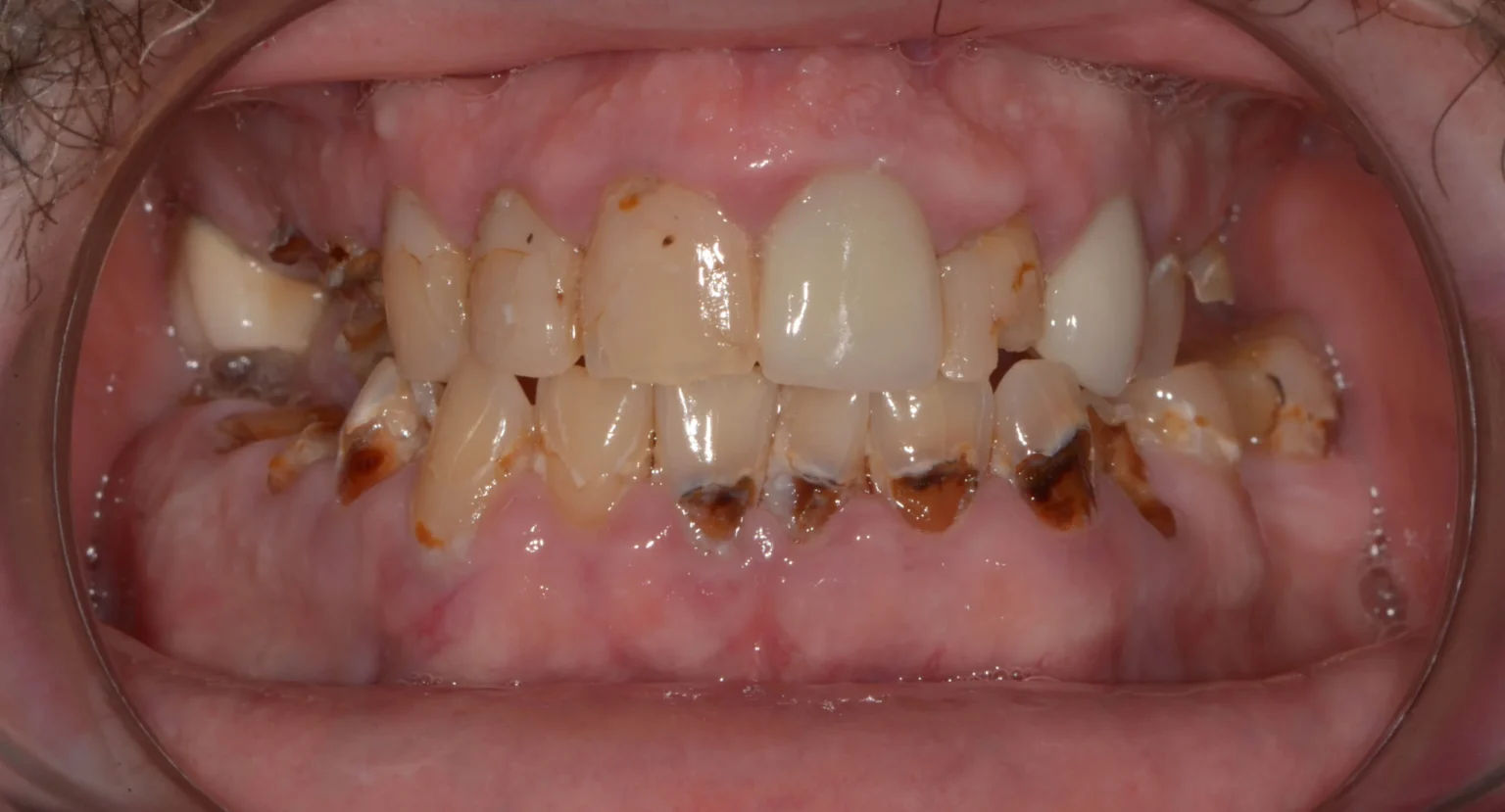
Do they put you to sleep when they pull all your teeth for dentures? Many patients preparing for dentures worry about the extraction experience and pain management options. Understanding the anaesthesia options available is crucial to feeling comfortable and confident about the process. At Albania Dental Implants, we strive to ensure that every patient has a safe and comfortable experience.
Understanding Tooth Extraction for Dentures
The journey to a new smile with dentures often begins with tooth extraction for dentures. This involves removing all remaining teeth to create a clean slate for the new dentures. This process is a significant step in improving oral health and quality of life for many.
What is Involved in Removing All Teeth for Dentures?
Removing all teeth for dentures, also known as full mouth extraction, requires careful planning and execution. The procedure typically involves a thorough examination, X-rays, and discussion with your dentist regarding anaesthesia options. The dentist will use specialised instruments to gently loosen and extract each tooth, minimising trauma to the surrounding tissues. Stitches may be required to close the extraction sites and promote healing.
Why is Tooth Extraction Necessary Before Dentures?
Tooth extraction is necessary before dentures for several reasons. Often, remaining teeth are severely damaged, decayed, or affected by gum disease, making them unsuitable to support dentures. Removing these teeth creates a stable and healthy foundation for the dentures to sit on, ensuring a comfortable and functional fit.
Sometimes the extraction is necessary to ensure the correct alignment of the denture with the mouth structure, thus improving the bite. This preparation contributes to the overall success and longevity of the dentures.
Who Needs Full Mouth Extraction for Dentures?
Individuals who may require full mouth extraction for dentures often have extensive tooth decay, advanced gum disease, or severely damaged teeth that cannot be saved. These conditions can cause significant pain, discomfort, and difficulty with eating and speaking. A full mouth extraction followed by dentures can restore oral function, improve aesthetics, and enhance overall well-being. We at Albania Dental Implants ensure our service addresses these conditions.
Anaesthesia Options for Full Mouth Extraction
Choosing the right anaesthesia is a crucial part of preparing for tooth extraction. Understanding the available options, including denture procedure anaesthesia and the difference between local anaesthetic vs sedation, can alleviate anxiety and ensure a more comfortable experience.
What Does “Being Put to Sleep” Mean—Local Anaesthetic, Sedation, General Anaesthesia?
The phrase “being put to sleep” can refer to several different levels of anaesthesia. Local anaesthetic numbs the mouth, blocking pain signals from the extraction sites. Sedation, on the other hand, can range from mild (conscious sedation) to deep (general anaesthesia), impacting your level of awareness and responsiveness during the procedure.
With conscious sedation, you may feel drowsy and relaxed but remain awake and able to respond to instructions. General anaesthesia renders you completely unconscious, eliminating all sensation and awareness. It is a treatment that requires detailed preparation by dentists.
Difference Between Local Anaesthetic, Conscious Sedation, and General Anaesthetic
The primary difference lies in the level of consciousness and pain control achieved. Local anaesthetic only numbs the area, while conscious sedation induces relaxation and reduces anxiety, and general anaesthesia provides complete unconsciousness.
- Local Anaesthetic: Numbs the treatment area. You remain fully awake and aware.
- Conscious Sedation: Relaxes you but allows you to respond. You might feel drowsy.
- General Anaesthetic: Makes you completely unconscious and unaware during the procedure.
How Dentists Decide Which Approach is Appropriate
Dentists consider several factors when determining the appropriate anaesthesia approach, including the patient’s anxiety level, medical history, the complexity of the extraction, and the patient’s preferences. During your consultation at Albania Dental Implants, we will thoroughly assess your needs and discuss the best option for you, ensuring a safe and comfortable experience. Our experience in Albania Dental Implants Services means we tailor the anesthesia according to the patients condition.
Full Mouth Extraction – Step-by-Step Process
Knowing what to expect during the full mouth extraction process can ease anxiety and prepare you for the procedure. Careful preparing for full mouth extraction involves several key steps, from the initial assessment to the administration of anaesthesia.
Pre-Procedure Preparation and Assessment
The first step involves a thorough consultation with your dentist. This includes a review of your medical history, a comprehensive oral examination, and X-rays to assess the condition of your teeth and jawbone. Your dentist will discuss the procedure in detail, including anaesthesia options, potential risks, and post-extraction care. You’ll also have the opportunity to ask any questions and express any concerns you may have.
Procedure Day: What Happens When All Teeth Are Pulled
On the day of the procedure, you will be prepped and positioned comfortably in the dental chair. The dentist will administer the chosen anaesthesia to ensure you feel minimal discomfort during the extraction process. Using specialised instruments, the dentist will carefully loosen and remove each tooth. The extraction sites will then be cleaned and may be sutured to promote healing.
How Anaesthesia is Administered
Local anaesthetic is typically administered via injection directly into the gums surrounding the teeth. Sedation can be administered orally, intravenously (IV), or through inhalation of nitrous oxide (laughing gas). General anaesthesia is usually administered intravenously by an anaesthetist, who will monitor your vital signs throughout the procedure. For patients visiting Albania Dental Implants, dental tourism in Albania ensures to take the patient’s condition and preferences into account, providing different approaches.
Pain Management and Recovery
Recovery from teeth removal for dentures is a key concern for many patients. Understanding the post-operative pain management strategies, and establishing a realistic recovery timeline are essential for a smooth healing process. With proper tooth extraction pain management, patients can get back to living life to the fullest.
Will It Be Painful?
While the extraction procedure itself should be painless due to the anaesthesia, some discomfort is expected during the recovery period. The level of pain varies depending on the complexity of the extraction, individual pain tolerance, and adherence to post-operative instructions.
Most patients describe the pain as manageable with over-the-counter pain relievers or prescription medications. For those with lower pain thresholds, Are you put to sleep for dental implants will be the guide to follow to get you the best possible experience!
Pain Relief and Post-Extraction Care
Your dentist will provide specific instructions on pain relief and post-extraction care. This may include taking pain medication as prescribed, applying ice packs to reduce swelling, and eating soft foods to avoid irritating the extraction sites. Maintaining good oral hygiene is crucial for preventing infection and promoting healing.
Regularly rinsing with salt water, gently brushing your tongue, and using a soft-bristled toothbrush to clean the remaining areas in your mouth will reduce the chances of problems, while helping you to recover faster.
Recovery Timeline After All Teeth Are Pulled
The initial recovery period typically lasts about one to two weeks. During this time, you may experience swelling, bruising, and discomfort. It is common for initial dentures to be fitted. It takes around six to eight months for the gums and bone to fully heal after tooth extraction, though this can vary.
Immediate Dentures and Healing Process
Immediate dentures are placed immediately after tooth extraction, providing an immediate aesthetic solution and aiding in the healing process. However, these dentures may require adjustments as the gums and bone heal and remodel. Regular follow-up appointments with your dentist are essential for ensuring a comfortable and functional fit during the healing process.
Risks and Considerations
Before undergoing full mouth extraction, it’s important to be aware of the potential risks of dental sedation and other considerations. Exploring alternatives to “being put to sleep” and understanding who is eligible for general anaesthesia can help you make an informed decision.
Risks Associated with Different Anaesthesia Options
All forms of anaesthesia carry some degree of risk. Local anaesthesia may cause temporary numbness or, rarely, an allergic reaction. Sedation and general anaesthesia have more significant risks, including respiratory depression, cardiovascular complications, and adverse reactions to medications.
However, dentists and anaesthetists take precautions to minimise these risks, carefully monitoring patients throughout the procedure. These complications are rare, but are something to be seriously considered before taking a decision.
Who is Eligible for General Anaesthesia?
General anaesthesia is typically reserved for patients with high levels of anxiety, complex medical conditions, or those undergoing extensive surgical procedures. Your dentist and anaesthetist will assess your medical history and overall health to determine if you are a suitable candidate for general anaesthesia. Our dental team at about Albania Dental Implants have experience in assessing patients to advise on the best treatment.
Alternatives if You Can’t Have Sedation/Full Anaesthetic
If you are not eligible for sedation or general anaesthesia, your dentist can explore alternative pain management strategies, such as local anaesthesia combined with relaxation techniques. Open communication with your dentist is key to finding the most comfortable and effective approach for your individual needs.
Frequently Asked Questions
Here, we address some of the most common questions patients have about tooth extraction for dentures.
Do They Always Put You to Sleep for Full Mouth Extractions for Dentures?
No, you are not always put to sleep for full mouth extractions for dentures. The anaesthesia used depends on several factors, including your anxiety level, medical history, and the complexity of the procedure. Local anaesthesia is often sufficient for many patients, while others may benefit from sedation or general anaesthesia.
What Type of Anaesthesia is Used When All Teeth Are Pulled for Dentures?
The type of anaesthesia used can vary. Local anaesthesia numbs the mouth to block pain. Sedation, including conscious sedation and general anaesthesia, impacts your level of awareness and responsiveness. Dentists consider these before treatment.
Is General Anaesthesia Necessary for Getting Dentures?
No, general anaesthesia is not typically necessary for getting dentures. Most patients can comfortably undergo tooth extraction with local anaesthesia and, if needed, conscious sedation. General anaesthesia is usually reserved for more complex cases or patients with significant anxiety.
Can You Choose Sedation for Denture Extractions?
Yes, you can often choose sedation for denture extractions. Discuss your concerns and preferences with your dentist. They can assess your needs and determine if sedation is an appropriate option for you. Communication is key!
What Does “Being Put to Sleep” Mean in Dental Terms?
In dental terms, “being put to sleep” usually refers to either conscious sedation or general anaesthesia. Conscious sedation involves using medications to help you relax during the procedure. General anaesthesia renders you completely unconscious.
Are There Risks Linked to Anaesthesia During Tooth Extraction?
Yes, all forms of anaesthesia carry some degree of risk. The risks associated with local anaesthesia are generally minimal. Sedation and general anaesthesia have more significant risks, but these are minimised by careful monitoring and patient assessment.
What is the Difference Between Local Anaesthetic and Dental Sedation?
Local anaesthetic numbs the area, while dental sedation affects your level of consciousness. Local anaesthetic blocks pain signals, allowing you to remain fully awake. Dental sedation uses medication to relax you.
How Long Does it Take to Recover After All Teeth Are Removed for Dentures?
The initial recovery period typically lasts one to two weeks. During this time, you may experience swelling, bruising, and discomfort. It takes approximately six to eight months for the gums and bone to fully heal.
What Happens Immediately After All Teeth Are Pulled for Dentures?
Immediately after all teeth are pulled, the extraction sites will be cleaned and sutured if needed. Immediate dentures may be placed. You will receive post-operative instructions on pain management and oral hygiene.
Is it Painful to Have All Teeth Extracted for Dentures?
Due to the anaesthesia, the extraction procedure is not painful. Some discomfort during the recovery period is normal. You will have prescriptions if this discomfort is severe.
How Do You Prepare for Getting Dentures After Extractions?
Preparing for getting dentures after extractions involves consulting with your dentist, discussing anaesthesia options, following pre-operative instructions, and arranging for transportation and post-operative care. Mental preparation and knowing what to expect are also key.
Preparing for Your Denture Procedure
Proper preparation is essential for a successful denture procedure and a comfortable recovery. Careful preparing for dentures after extractions involves several practical steps. Talking to the dentist or our team at Albania Dental Implants can ease patients.
Tips for Preparing for Your Extraction and Denture Fitting
- Schedule a consultation with your dentist to discuss the procedure and anaesthesia options.
- Follow all pre-operative instructions, such as avoiding certain medications or foods.
- Arrange for transportation to and from the appointment.
- Prepare soft foods for the recovery period.
- Have pain medication and ice packs readily available.
How to Speak to Your Dentist About Anaesthetic Choices
Open communication with your dentist is crucial for making informed decisions about your care. Express any concerns or anxieties you may have, and ask questions about the different anaesthetic options available. Your dentist can explain the risks and benefits of each option. Ask if you can be put to sleep, with general anesthesia.
Conclusion and Action
Deciding on the best approach for tooth extraction before dentures involves careful consideration of pain management options and anaesthesia choices. At Albania Dental Implants, we prioritise patient comfort and safety, offering a range of anaesthesia options to ensure a positive experience. Remember our range of options and dental tourism opportunities as we strive to serve our patients to the highest standards.
For those looking to replace their missing teeth contact us at contact albania dental implants for a consultation.