



No, you do not have to go without teeth while waiting for dentures—there are several temporary solutions available to help you maintain your appearance and function during the process. At Albania Dental Implants, we understand the importance of a confident smile and functional teeth. This article explores your options, ensuring you can navigate the denture process comfortably and with confidence. If you’re considering a more permanent solution, explore our dental implants in Albania – a transformative option that might be right for you.
What Happens When You Need Dentures?
The denture process can seem daunting, especially if you’re facing tooth extraction. Let’s break down the typical timeline and reasons why dentures might be necessary. Understanding the overview of the denture process is the first step in making informed decisions about your oral health.
Overview of the Denture Process
The process typically begins with a consultation with your dentist. This involves assessing your oral health, discussing your options, and creating a treatment plan. If extractions are needed, this will be the next step. After the extraction site heals, impressions of your mouth are taken to create your dentures.
Why Teeth May Be Removed
Teeth may be removed for various reasons, including severe decay, gum disease, or trauma. Sometimes, teeth are extracted to prepare the mouth for dentures or all on 4 dental implants in Albania, providing a stable base for the replacement teeth.
Typical Timeline From Extraction to Permanent Dentures
The denture timeline varies depending on individual healing and the type of dentures you choose. Immediate dentures can be fitted right after extraction, while permanent dentures usually require a waiting period of several weeks to months to allow for proper healing.
Can You Go Without Teeth While Waiting for Dentures?
While waiting for your permanent dentures, you might consider the implications of going toothless. The alternatives to going toothless are important to consider for your overall well-being. Being toothless, even temporarily, has risks and drawbacks.
Risks and Drawbacks of Being Toothless
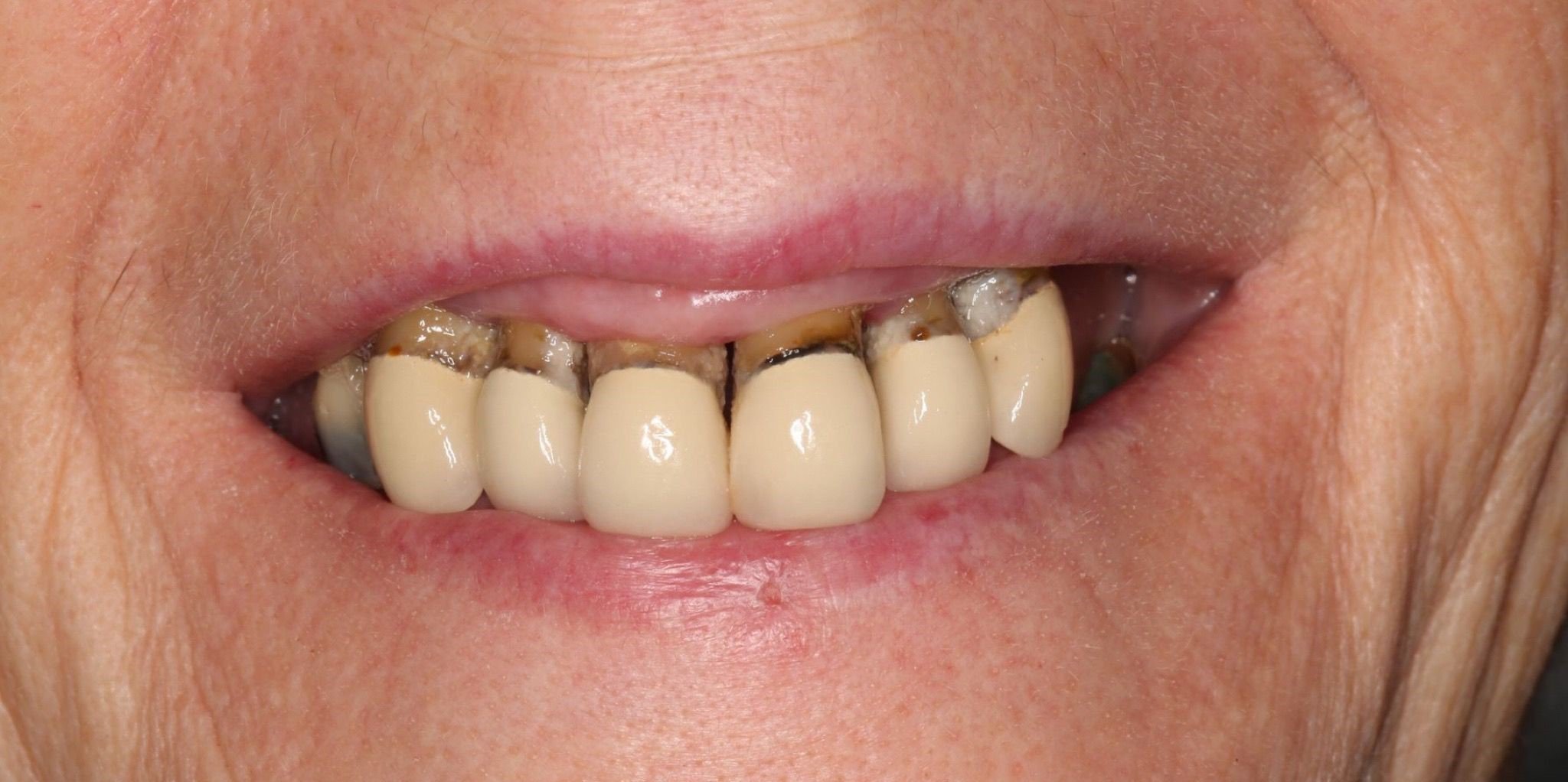
Going without teeth can impact your ability to chew properly, leading to digestive issues. It can also affect your speech and potentially alter your facial structure over time. Furthermore, exposed gums can become sensitive and more prone to irritation.
Impact on Eating, Speaking, and Confidence
Without teeth, eating certain foods becomes difficult, potentially affecting your nutrition. Speaking can also be challenging, as teeth play a role in forming certain sounds. The lack of teeth can significantly impact your self-esteem and confidence.
Psychological and Social Considerations
The psychological impact of tooth loss can be significant. Many people experience anxiety and self-consciousness about their appearance. Social interactions may become strained as individuals feel uncomfortable smiling or speaking in public. Maintaining a positive self-image is crucial during this period.
Immediate Dentures: A Temporary Solution
Immediate dentures vs permanent dentures: Understanding the difference can ease your concerns. One common solution is immediate dentures, which are fitted immediately after tooth extraction. These dentures provide an instant aesthetic and functional replacement, but it’s important to know their benefits and limitations.
What are Immediate Dentures?
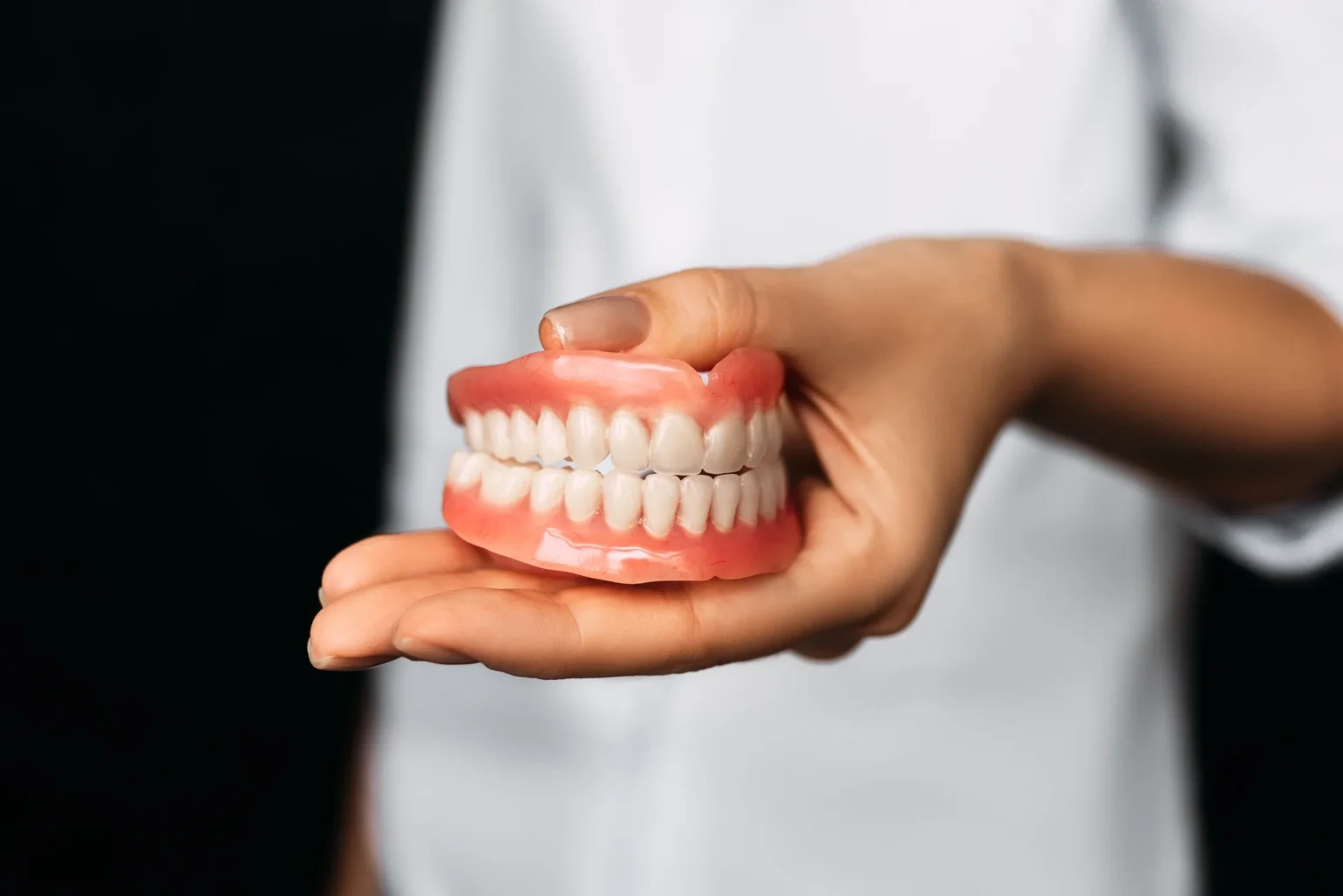
Immediate dentures are temporary dentures that are placed in your mouth on the same day your teeth are extracted. They are created from impressions taken before the extraction, allowing you to leave the dentist’s office with a complete smile.
How They Are Fitted After Extraction
Before your teeth are extracted, your dentist will take impressions of your mouth. These impressions are used to create a denture that fits over your gums immediately following the extraction. This means you won’t have to go without teeth during the initial healing phase.
Benefits and Limitations
- Immediate aesthetic improvement
- Protection of the extraction site
- Maintenance of speech and chewing function
However, immediate dentures may require adjustments as your gums heal and shrink. They are also not as precise a fit as permanent dentures and are typically replaced after a few months.
How Long They Last Before Permanent Dentures Are Ready
Immediate dentures are designed to be a temporary solution. Typically, you will wear them for about 6-12 months, allowing your gums to heal completely. After this period, you will be fitted for permanent dentures that are custom-made to fit your healed gumline.
Other Temporary Teeth Replacement Options
Besides immediate dentures, other options can fill the gap while you wait. Let’s explore some additional teeth replacement options, including flipper dentures and temporary bridges. These offer different levels of comfort and cost, ensuring there’s a solution for everyone.
Flipper Dentures (Removable Partials)
Flipper dentures are removable partial dentures that replace one or a few missing teeth. They are called “flippers” because they are lightweight and can easily be flipped in and out of the mouth.
Dental Flippers vs. Immediate Dentures
Dental flippers are typically used when only a few teeth are missing, while immediate dentures are used when all teeth in an arch are extracted. Flippers are often less expensive but may not be as stable as immediate dentures.
Temporary Bridges or Partials
Temporary bridges are another option to replace missing teeth. These bridges are cemented to adjacent teeth and provide a more stable and natural-looking solution compared to flipper dentures. However, they require the adjacent teeth to be healthy enough to support the bridge.
Cost and Comfort Comparison
The cost of flipper dentures is generally lower than immediate dentures or temporary bridges. However, flippers may be less comfortable and stable. Temporary bridges are more expensive but offer better stability and aesthetics. Your dentist can help you determine the best option based on your budget and needs.
How Long Does It Take to Get Permanent Dentures?
The denture waiting period is a crucial factor to consider. The denture timeline, from extraction to receiving your permanent dentures, varies. Understanding the healing process and what to expect during the fitting process can help manage your expectations.
Typical Waiting Period (Weeks to Months)
The typical waiting period for permanent dentures ranges from several weeks to a few months. This allows the gums to heal properly after tooth extraction, ensuring a better fit for the final dentures. The time it takes to get permanent dentures can depend on the number of adjustments you need.
Healing Process After Extraction
After tooth extraction, the gums and bone undergo a process called remodeling. This involves the bone filling in the extraction site and the gums shrinking and reshaping. This process takes time, and it’s important to allow it to complete before taking final impressions for permanent dentures.
When Permanent Dentures Are Fitted
Once the gums have fully healed, your dentist will take final impressions of your mouth. These impressions are used to create custom-fitted permanent dentures. The dentures are then tried in to ensure a proper fit and any necessary adjustments are made before the final delivery.
Can You Eat and Speak Normally with Temporary Dentures?
Adjusting to eating and speaking with temporary dentures requires patience and practice. While there might be initial challenges, improvement is expected over time. These tips can help you eat and speak normally with temporary dentures.
Adjusting to Eating and Speaking
Learning to eat and speak with temporary dentures can take some time. Initially, you may experience difficulty chewing certain foods and pronouncing certain words. However, with practice and patience, most people adapt successfully.
Common Challenges and Tips
- Start with soft foods and gradually introduce harder foods as you become more comfortable.
- Cut food into small pieces and chew slowly.
- Practice speaking aloud to improve pronunciation.
- Use denture adhesive to improve stability.
When to Expect Improvement
Most people notice significant improvement in their ability to eat and speak with temporary dentures within a few weeks. Continued practice and patience are key to achieving optimal function.
Denture Aftercare During the Waiting Period
Proper denture aftercare during the waiting period is crucial for oral hygiene and comfort. Managing discomfort and swelling is part of the process, and knowing when to contact your dentist is essential for addressing any concerns. Maintain excellent oral hygiene tips for best results.
Oral Hygiene Tips
- Clean your dentures daily with a denture brush and denture cleaner.
- Rinse your mouth after meals to remove food particles.
- Massage your gums gently to promote circulation.
Managing Discomfort and Swelling
After tooth extraction and denture placement, some discomfort and swelling are normal. Over-the-counter pain relievers can help manage pain. Applying ice packs to your face can reduce swelling.
When to Contact Your Dentist
Contact your dentist if you experience severe pain, persistent bleeding, or signs of infection. Also, schedule regular check-ups to ensure your dentures fit properly and to address any issues promptly.
What If You Still Have Some Natural Teeth?
If you still have some natural teeth, options for partial dentures are available. How remaining teeth affect the process is an important consideration, and knowing the alternatives to full extraction can help you make the best choice. Maintain the health of your remaining natural teeth to improve your long-term oral health.
Options for Partial Dentures
Partial dentures are designed to replace missing teeth while utilising your remaining natural teeth for support. They come in various designs, including acrylic, flexible, and metal-based options.
How Remaining Teeth Affect the Process
The condition and position of your remaining teeth will influence the design and fit of your partial dentures. Your dentist will assess your teeth and gums to create a denture that provides optimal support and stability.
Alternatives to Full Extraction
If possible, preserving your natural teeth is always the best option. Alternatives to full extraction may include root canal treatment, crowns, or fillings. Discuss these options with your dentist to determine the most appropriate course of action. Consider exploring other treatment options to avoid full extraction.
Risks and Considerations of Temporary Solutions
Temporary solutions have potential for irritation or poor fit. The need for adjustments or relines is common. Knowing when to seek professional help can prevent minor issues from becoming major problems. Understand the risks involved to manage your expectations.
Potential for Irritation or Poor Fit
Temporary dentures may not fit as precisely as permanent dentures, leading to irritation, sore spots, or difficulty chewing. Regular adjustments by your dentist can help alleviate these issues.
Need for Adjustments or Relines
As your gums heal and shrink, your temporary dentures may require adjustments or relines to maintain a proper fit. These adjustments involve adding material to the denture to compensate for the changes in your gumline.
When to Seek Professional Help
Seek professional help if you experience persistent pain, swelling, or difficulty wearing your dentures. Also, consult your dentist if your dentures feel loose or unstable, as this can affect your ability to eat and speak properly.
Frequently Asked Questions (FAQs)
Let’s address some of the most frequently asked questions about waiting for dentures to clarify any remaining doubts. The following FAQs to answer in detail can provide reassurance and practical advice.
Can you get dentures immediately after tooth extraction?
Yes, you can get immediate dentures placed right after tooth extraction. These temporary dentures are made from impressions taken before the extraction and allow you to avoid going without teeth during the healing process. While they provide an immediate solution for aesthetics and function, they usually require adjustments or replacement with permanent dentures as your gums heal.
What are immediate dentures, and how do they work?
Immediate dentures are temporary dentures fitted on the same day your teeth are extracted. Before the extraction, your dentist takes impressions of your mouth, which are used to create a denture that closely fits over your gums. This immediate placement helps to protect the extraction sites, reduce swelling, and maintain your appearance while you heal. Keep in mind that adjustments will likely be needed as your gums change shape during healing.
How long does it take to get permanent dentures?
The process of getting permanent dentures typically takes several weeks to a few months. This timeframe allows your gums and bone to heal and reshape after tooth extraction. After the initial healing, your dentist will take final impressions of your mouth to create custom-fitted permanent dentures that offer optimal fit and function.
What are the alternatives to going without teeth?
If you’re looking to avoid a toothless period, several alternatives are available. Immediate dentures are a popular choice as they’re placed right after extraction. Flipper dentures, which replace one or a few teeth, are another option. Temporary bridges can also be used to fill the gaps left by missing teeth. For a more permanent solution, you might consider dental tourism in Albania, allowing you to explore dental implants at competitive prices.
Can you eat and speak normally with temporary dentures?
While it may take some practice, you can generally eat and speak with temporary dentures. Initially, you might find it challenging to chew certain foods or pronounce specific words. Starting with soft foods, cutting food into smaller pieces, and practicing speaking aloud can help you adapt. Over time, most people regain their ability to eat and speak comfortably with temporary dentures.
Are there any risks or discomforts with temporary solutions?
Like any dental appliance, temporary solutions can present some risks and discomforts. Temporary dentures might not fit as precisely as permanent ones, leading to irritation, sore spots, or difficulty chewing. Adjustments and relines may be needed to maintain a proper fit. Also, there’s a risk of infection if oral hygiene isn’t maintained.
What should you expect during the denture waiting period?
The denture waiting period involves several stages, starting with tooth extraction, followed by a healing phase that lasts several weeks to months. During this time, your gums will shrink and reshape, requiring periodic adjustments or relines of your temporary dentures. It’s essential to follow your dentist’s aftercare instructions and attend regular check-ups to ensure proper healing and optimal denture fit.
How do you care for your mouth while waiting for dentures?
Maintaining good oral hygiene is crucial while waiting for your permanent dentures. Gently clean your gums, tongue, and the roof of your mouth with a soft toothbrush. Rinse your mouth with warm salt water to promote healing. Follow your dentist’s specific instructions for cleaning and caring for your temporary dentures to prevent infection and maintain optimal oral health.
Can you get dentures if you still have some natural teeth?
Yes, if you still have some natural teeth, you can get partial dentures. These dentures are designed to replace missing teeth while utilising your remaining natural teeth for support. A partial denture helps maintain the alignment of your existing teeth and prevents them from shifting into the gaps left by missing teeth.
What happens if you choose to go without teeth temporarily?
Choosing to go without teeth temporarily can have several consequences. It can affect your ability to chew and speak properly, leading to dietary limitations and difficulties with communication. Your self-esteem and confidence may also be affected. Additionally, the lack of teeth can cause the surrounding teeth to shift and the facial muscles to sag over time. At Implantology in Albania, our team can discuss the best options for your oral health.
Conclusion: You Don’t Have to Go Without Teeth
Maintaining your smile and oral function during the denture process is achievable with several temporary options. Don’t feel like you have to go without teeth while waiting for dentures. From immediate dentures to flippers and temporary bridges, solutions are available to suit your needs and budget. Discussing your options with your dentist is the first step toward a confident smile. At contact Albania Dental Implants today to discover a dental plan tailored to you.