



Does a crown require a root canal? This is a common question for patients needing dental restorations.
Understanding Dental Crowns and Root Canals
When facing dental issues, understanding the difference between a dental crown and a root canal treatment is crucial. These are two distinct procedures addressing different dental problems. Let’s explore what each entails and how they sometimes function together.
What are dental crowns?
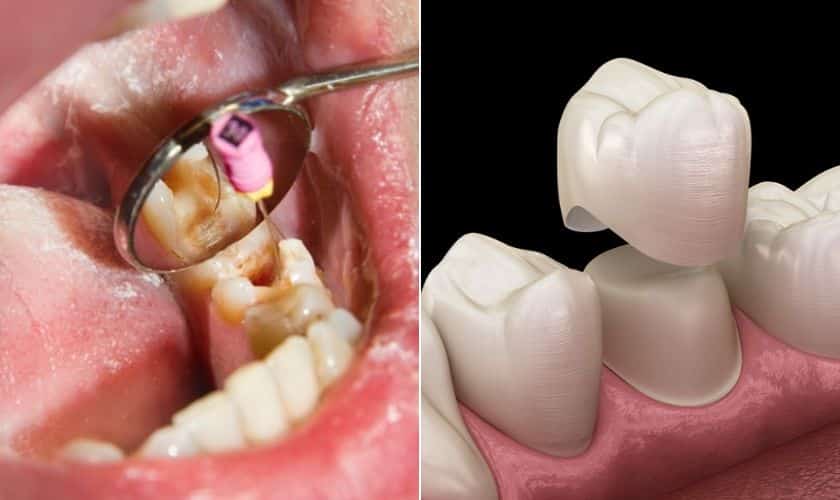
Dental crowns, often called “caps,” are custom-made coverings that fit over a damaged or decayed tooth. They restore the tooth’s shape, size, strength, and appearance. Think of it as a protective helmet for your tooth. Dental crowns in Albania are a popular solution for teeth that are cracked, broken, severely decayed, or have undergone a root canal.
What is a root canal?
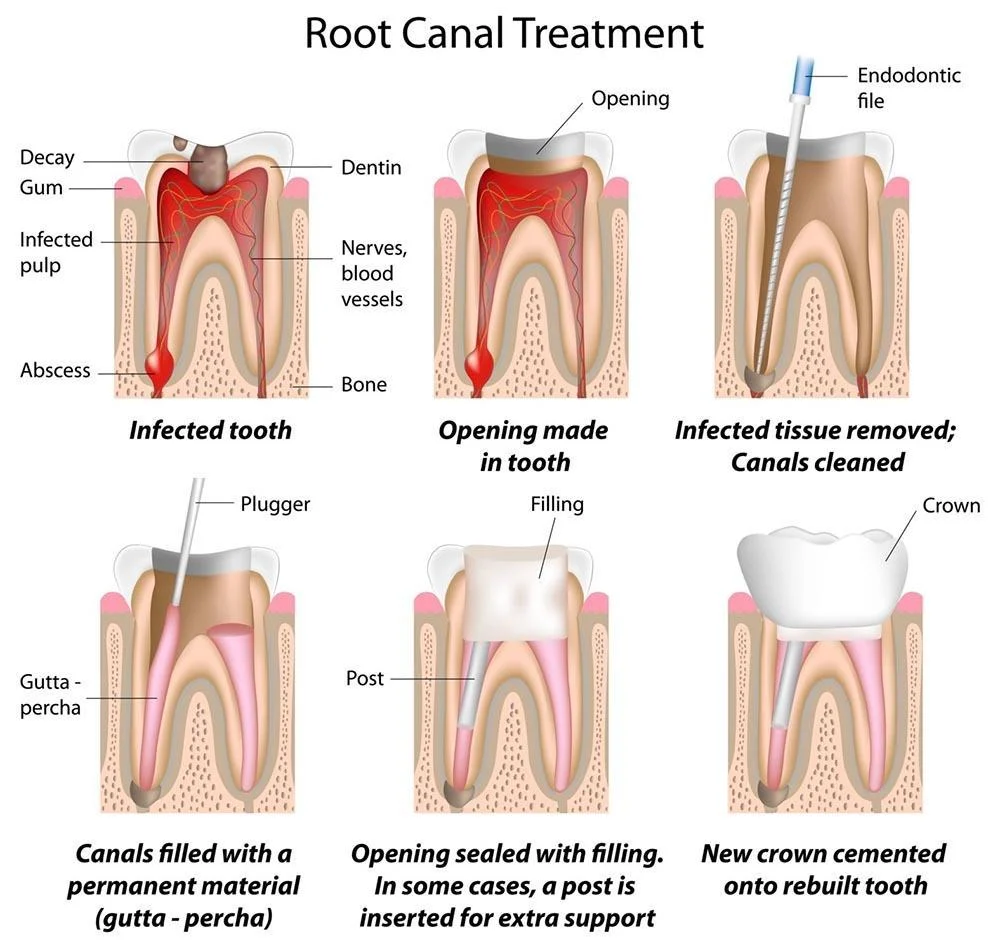
A root canal becomes necessary when the pulp, the soft tissue inside your tooth containing nerves and blood vessels, becomes infected or inflamed. This can happen due to deep decay, a crack in the tooth, or trauma. During root canal treatment, the infected pulp is removed, the inside of the tooth is cleaned and disinfected, and then filled and sealed.
The purpose of root canal is to save an infected tooth, avoiding extraction. Once the root canal procedure is done, dentists recommend a crown to protect the tooth, because the tooth is dead, and it is very prone to breaking or fracture.
How do they function together?
So, how do a crown vs. root canal connect? While they are distinct, they often go hand-in-hand. A tooth that has undergone root canal treatment is often more fragile. Placing a dental crown after a root canal provides the necessary protection and support to ensure the tooth’s longevity. It restores the tooth’s function and prevents it from fracturing under pressure.
When Is a Root Canal Needed Before a Crown?
Deciding whether a root canal is needed before a dental crown is a common clinical decision. Not every tooth receiving a crown requires a root canal beforehand. The need for a root canal depends on the tooth’s condition and the presence of infection or inflammation in the pulp.
Why some teeth need root canal before getting a crown
There are several reasons for root canal prior to crown placement. If the tooth has deep decay that reaches the pulp, a root canal is necessary to remove the infection. Similarly, if there is significant inflammation or infection in the pulp due to trauma or a crack, root canal treatment is essential to eliminate the source of the problem. Without addressing these issues, placing a crown could trap the infection, leading to further complications and persistent pain.
List of symptoms that suggest you need a root canal
Recognizing the signs you need a root canal is crucial. Common symptoms include:
- Severe tooth pain, especially when chewing or applying pressure
- Prolonged sensitivity to hot or cold temperatures
- Discoloration of the tooth
- Swelling or tenderness in the gums near the affected tooth
- A pimple-like bump on the gums
If you experience any of these symptoms, it’s crucial to consult with your dentist promptly.
Experiencing tooth pain under crown may also be a sign that a root canal is needed.
How dentists determine if a root canal is necessary
Dentists use various diagnostic methods to determine if a root canal is necessary. These include:
- Visual examination: Checking for signs of decay, cracks, or damage.
- X-rays: Assessing the extent of decay and identifying any infection or abnormalities in the pulp.
- Pulp testing: Evaluating the health of the pulp by testing its response to temperature changes.
Based on these assessments, your dentist can determine whether a root canal is the appropriate course of action before placing a crown.
Dental Crowns Without Root Canal: Is it Possible?
The possibility of placing a crown without root canal depends on the health of the underlying tooth. In many instances, a crown can be placed without the need for a root canal. Understanding when this is possible is essential for making informed decisions about your dental care.
Situations where a crown can be placed without a root canal
There are specific situations where a crown without root canal is possible. If the tooth is structurally compromised but the pulp is healthy and free from infection, a root canal may not be necessary. This typically occurs when the damage is limited to the outer layers of the tooth, such as a crack or fracture that doesn’t extend into the pulp.
Types of teeth/cases suitable for crowns only
Certain cases are more suitable for crowns without root canal treatment. These include:
- Teeth with minor cracks or fractures
- Teeth with moderate decay that doesn’t reach the pulp
- Teeth that need cosmetic enhancement, such as correcting shape or alignment
However, a thorough examination and assessment by your dentist are crucial to determine the suitability of a crown without root canal treatment. Keep in mind that alternatives to root canal exist, though they depend on your specific circumstances.
Pros and cons of placing a crown without root canal treatment
There are both pros and cons to consider when placing a crown without root canal treatment:
- Pros:
- Preserves the natural tooth structure and pulp
- Reduces treatment time and cost
- Avoids the potential complications associated with root canal treatment
- Cons:
- Risk of future pulp infection if the tooth is further damaged
- Potential for increased sensitivity if the pulp is close to the crown
We at Albania Dental Implants will evaluate your situation and give you the best course of action.
The Procedures: Step-by-Step Overview
Understanding the step-by-step processes involved in dental procedures for crowns, both with and without root canals, is essential for patients considering these treatments. The procedures differ significantly in their approach, recovery, and associated costs. Albania Dental Implants offers both treatments with cutting-edge technology and experienced professionals.
Step-by-step process for a root canal plus crown
The process for a root canal followed by a crown typically involves these steps:
- Diagnosis: Evaluation of the tooth through examination, X-rays, and pulp testing to determine the need for a root canal.
- Anesthesia: Local anesthesia is administered to numb the tooth and surrounding area.
- Root Canal Treatment:
- Accessing the pulp chamber
- Cleaning and shaping the root canals
- Filling and sealing the root canals with a biocompatible material
- Crown Preparation: Shaping the tooth to accommodate the crown.
- Impression: Taking an impression of the prepared tooth to create a custom crown.
- Temporary Crown: Placing a temporary crown to protect the tooth while the permanent crown is being fabricated.
- Permanent Crown Placement: Removing the temporary crown and cementing the permanent crown onto the tooth.
Step-by-step for placing a crown without prior root canal
The process for placing a crown without a root canal is less invasive and typically involves these steps:
- Examination: Assessment of the tooth to ensure the pulp is healthy and free from infection.
- Anesthesia: Local anesthesia is administered to numb the tooth.
- Tooth Preparation: Shaping the tooth to accommodate the crown.
- Impression: Taking an impression of the prepared tooth.
- Temporary Crown: Placing a temporary crown.
- Permanent Crown Placement: Removing the temporary crown and cementing the permanent crown.
Pain, recovery, risks in each approach
- Root Canal Plus Crown:
- Pain: Some discomfort is expected after the root canal, but it can be managed with pain medication.
- Recovery: Recovery typically takes a few days, with mild soreness.
- Risks: Potential risks include infection, nerve damage, and complications related to the root canal procedure.
- Crown Without Root Canal:
- Pain: Minimal pain is expected, usually manageable with over-the-counter pain relievers.
- Recovery: Recovery is generally quick, with minimal discomfort.
- Risks: Potential risks include tooth sensitivity and the possibility of needing a root canal in the future if the pulp becomes infected.
Remember, our clinic in Albania provides a tranquil and healing environment.
Costs involved
The cost of crown and root canal vary depending on factors such as the location, dentist’s fees, and materials used. Generally, a root canal plus crown is more expensive than a crown alone. The cost of dental implants in Albania, in comparison, are competitive and offer high-quality care.
Common Questions about Crowns and Root Canals
Many patients have questions about crowns and root canals. Understanding these common concerns can help you make informed decisions and alleviate anxiety. Here are some frequently asked questions:
Can a crowned tooth need a root canal later?
Yes, it’s possible for a crowned tooth to need a root canal later. If decay develops under the crown and reaches the pulp, or if the tooth sustains trauma, a root canal may be necessary. Regular dental check-ups and good oral hygiene are essential to prevent these issues.
What if I have pain under my crown?
If you have tooth pain under crown, it’s important to consult with your dentist promptly. Pain could indicate several issues, including:
- Decay under the crown
- Infection in the pulp
- A cracked tooth
- Problems with the crown’s fit
Your dentist can diagnose the cause of the pain and recommend the appropriate treatment.
Is a root canal more expensive than just a crown?
Yes, generally, a root canal is more expensive than just a crown. The cost of crown and root canal reflects the complexity and time involved in performing a root canal procedure in addition to preparing and placing the crown.
Are there alternatives to root canal before a crown?
As for alternatives to root canal before a crown, there are limited options. If the pulp is infected or inflamed, a root canal is typically the only way to save the tooth. However, if the pulp is healthy, a crown can be placed without a root canal.
Can a crown fail if I skip the root canal?
A crown itself won’t “fail” if you skip a necessary root canal, but the underlying tooth can develop serious problems. If there is decay or infection in the pulp, placing a crown without addressing these issues can trap the infection, leading to further complications and potentially tooth loss.
How do I know if my dentist is recommending unnecessary treatment?
If you’re concerned that your dentist is recommending unnecessary treatment, seek a second opinion from another qualified dentist. A second opinion can provide additional insight and help you make an informed decision. Transparency is key, so ask questions to understand the dentist’s reasoning. Here at Albania Dental Implants, we provide honest advice and clear explanations of treatment recommendations.
How long do crowns last with/without root canals?
The lifespan of crowns on teeth with and without root canals can vary. With proper care, crowns can last for many years, whether or not the tooth has undergone root canal treatment. Factors that affect crown longevity include:
- Oral hygiene practices
- Diet
- Bruxism (teeth grinding)
- Regular dental check-ups
Conclusion: Making the Best Choice for Your Teeth
Deciding whether a crown requires a root canal is a complex decision that should be made in consultation with your dentist. Understanding the factors involved and discussing your concerns openly are crucial for ensuring the best possible outcome for your dental health.
How to discuss your concerns with your dentist
Open communication with your dentist is essential. Don’t hesitate to ask questions, express your concerns, and seek clarification about the proposed treatment plan. A good dentist will take the time to address your concerns and provide you with the information you need to make an informed decision.
Summary: What factors affect whether you’ll need a root canal with your crown?
Several factors affect whether you’ll need a root canal with your crown:
- The health of the pulp
- The presence of infection or inflammation
- The extent of decay or damage to the tooth
- Your overall oral health
By carefully considering these factors and working closely with your dentist recommendation, you can make the best choice for your teeth and ensure a healthy, functional smile. Consider Albania Dental Implants Services for high-quality and affordable dental care.
Contact Albania Dental Implants today to schedule a consultation and discuss your options.