



NHS Dental Treatments Covered
Cluster keyword: NHS dental treatments covered
What dental treatments are generally covered by the NHS?
The NHS provides a range of dental treatments aimed at maintaining good oral health. NHS dental treatments covered typically include:
- Check-ups
- Fillings
- Root canal treatment
- Extractions
- Crowns (in some cases)
- Dentures
However, the NHS primarily focuses on treatments necessary to maintain oral health and function. Cosmetic treatments, such as teeth whitening, are generally not covered. Treatments like dental implants fall into a gray area, and their availability on the NHS is limited based on stringent criteria.
What is normally excluded from NHS dental care?
Certain treatments are typically excluded from standard NHS dental care. These often include:
- Cosmetic procedures (e.g., teeth whitening)
- Private fillings (e.g., white fillings in back teeth, unless clinically required)
- Extensive orthodontic work for purely aesthetic reasons
Dental implants are often considered a specialized treatment and are not routinely offered due to cost constraints and the NHS’s prioritization of essential dental care.
How do dental implants fit into the NHS dental care system?
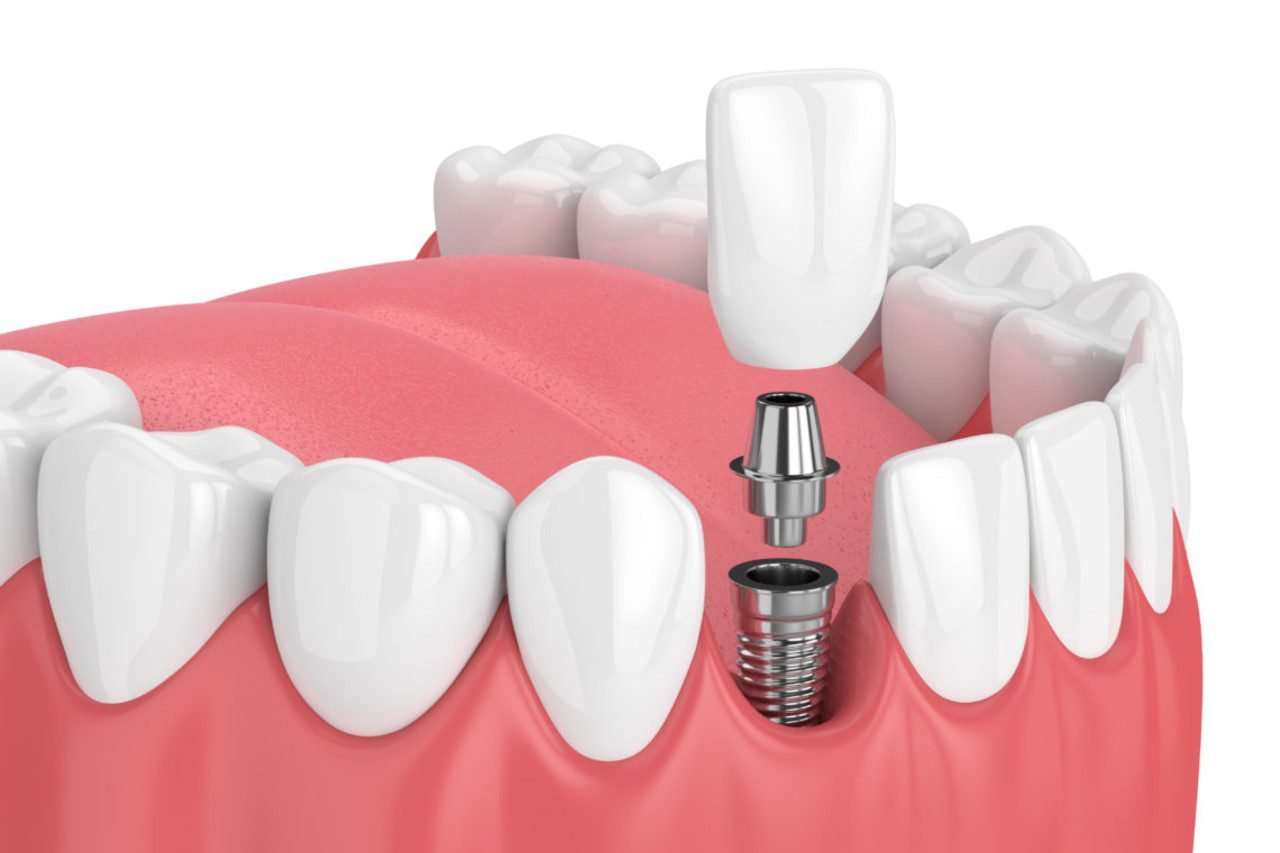
Dental implants are viewed as a special case within the NHS framework. They are more expensive than other restorative treatments, and their provision is typically reserved for cases where there is a clear medical need. This means that, unlike fillings or extractions, dental implants are not a standard NHS offering. The decision to provide dental implants is made on a case-by-case basis, considering factors such as the patient’s overall health, the impact of tooth loss on their quality of life, and the availability of funding.
Are Dental Implants Available on the NHS?
Cluster keyword: Dental implants on the NHS criteria
Under what circumstances might the NHS provide dental implants?
Dental implants on the NHS criteria are strict, meaning they are typically only considered when tooth loss has a significant impact on a patient’s health and well-being. The NHS might provide dental implants in situations such as:
- Trauma: Where teeth have been lost due to an accident or injury.
- Congenital conditions: Where teeth are missing from birth.
- Following cancer treatment: Where tooth loss is a direct result of surgery or radiation therapy.
In these cases, dental implants are seen as necessary to restore function and quality of life, rather than purely for cosmetic reasons.
What is the difference between ‘medical need’ and cosmetic reasons?
The distinction between ‘medical need’ and cosmetic reasons is crucial in determining whether the NHS will fund dental implants. Medical need refers to situations where tooth loss affects a patient’s ability to eat, speak, or maintain overall health. For example, if missing teeth are causing significant nutritional deficiencies or speech impediments, dental implants may be considered medically necessary.
Cosmetic reasons, on the other hand, relate to improving the appearance of the smile without a functional benefit. If the primary motivation for seeking dental implants is to enhance aesthetics, the NHS is unlikely to provide funding.
Can I get full implants on NHS?
The possibility of getting full implants on the NHS is rare. The NHS primarily focuses on essential dental treatments, and full mouth dental implants are typically considered a cosmetic or specialized procedure. The NHS may consider full implants in exceptional circumstances where there is a clear medical need, such as significant trauma or congenital conditions that severely affect oral function. However, these cases are assessed individually, and funding is not guaranteed.
Eligibility Criteria for NHS Dental Implants
Cluster keyword: NHS dental implants eligibility; Who qualifies for NHS dental implants
What are the typical NHS dental implants eligibility requirements?
NHS dental implants eligibility is based on several factors, and meeting the criteria is essential for consideration. Who qualifies for NHS dental implants typically includes individuals who have experienced:
- Significant trauma to the mouth resulting in tooth loss.
- Congenital conditions where teeth are missing from birth, impacting function and development.
- Tooth loss as a direct consequence of serious diseases, such as cancer, or its treatment.
Eligibility also depends on the patient’s overall oral health, commitment to maintaining good oral hygiene, and ability to attend regular dental appointments.
What factors can affect my eligibility for NHS dental implants?
Several factors can influence whether a patient is deemed eligible for dental implants on the NHS:
- Oral hygiene: Poor oral hygiene can disqualify individuals, as successful implants require diligent care.
- Smoking: Smokers may be ineligible due to the increased risk of implant failure.
- Medical conditions: Certain health issues, such as uncontrolled diabetes or immune disorders, can affect implant success.
- Financial constraints: Limited NHS funding means that even eligible patients may not receive implants due to budget limitations.
Each case is assessed individually, and the decision is based on a comprehensive evaluation of the patient’s needs and circumstances.
What is the best age for dental implants?
The best age for dental implants is generally considered to be adulthood, once the jawbone has fully developed. For women, this is typically after the age of 18, and for men, after the age of 21. There is no strict upper age limit for dental implants, provided the individual is in good overall health and has sufficient bone density in the jaw to support the implants. However, younger individuals may need to wait until their jawbone has reached full maturity to ensure the long-term success and stability of the dental implants.
The Application and Assessment Process
Cluster keyword: How to apply for dental implants on the NHS; Waiting times for NHS dental implants
What is the referral process for NHS dental implants?
How to apply for dental implants on the NHS typically starts with a referral from a general dentist to a specialist, such as a hospital dental department or a community dental service. This referral is necessary because dental implants are not routinely offered in general dental practices.
The referral process involves:
- Initial consultation: The dentist assesses the patient’s oral health and determines if a referral is necessary.
- Referral to a specialist: The dentist sends a referral to a specialist who can evaluate the patient for implant suitability.
- Specialist assessment: The specialist conducts a thorough examination, including X-rays and scans, to assess bone density and overall oral health.
What clinical assessments are required for NHS dental implant approval?
Approval for dental implants on the NHS requires a comprehensive clinical assessment to determine medical necessity and the likelihood of success. This assessment typically includes:
- Detailed oral examination: Assessing the health of the gums, remaining teeth, and jawbone.
- Radiographic evaluation: Using X-rays or CT scans to evaluate bone density and identify any anatomical limitations.
- Medical history review: Identifying any medical conditions or medications that could affect implant success.
- Psychological evaluation: Assessing the patient’s understanding of the procedure and their commitment to long-term maintenance.
What are the typical waiting times for NHS dental implants, and why do they exist?
Waiting times for NHS dental implants can vary significantly depending on the location and the availability of specialist services. Typical waiting times for NHS dental implants can range from several months to over a year. Waiting times for NHS dental implants exist due to:
- Limited funding: The NHS has a finite budget for dental services, and implants are a costly procedure.
- High demand: The demand for dental implants often exceeds the available resources.
- Prioritization of cases: Cases deemed medically necessary are often prioritized, leading to longer waits for other patients.
Costs of Dental Implants on the NHS
Cluster keyword: Cost of dental implants UK NHS
How much do NHS dental implants cost for eligible patients?
Cost of dental implants UK NHS is structured into different charge bands. Even if a patient is eligible for dental implants on the NHS, they will likely have to pay a contribution towards the cost. NHS dental charges are divided into three bands:
- Band 1: £26.80 – Includes examinations, diagnosis, and advice.
- Band 2: £73.50 – Includes everything in Band 1, plus fillings, root canal treatment, and extractions.
- Band 3: £319.10 – Includes everything in Bands 1 and 2, plus crowns, dentures, and bridges.
Dental implants typically fall under Band 3, meaning eligible patients would need to pay the Band 3 charge. However, the actual cost can vary depending on the complexity of the case and the specific treatments required.
Do most patients get implants free or at all on the NHS?
Most patients do not get implants free or at all on the NHS. Due to limited funding and strict eligibility criteria, only a small percentage of the population receives NHS-funded dental implants. The majority of individuals seeking dental implants must consider private options.
What is the average UK price for full dental implants?
The average UK price for full dental implants can vary significantly, depending on the number of implants needed, the type of materials used, and the complexity of the case. Generally, a full set of dental implants, which typically involves replacing all teeth in either the upper or lower jaw (or both), can range from £7,000 to £25,000 or more. Factors such as the need for bone grafting, additional procedures, and the dentist’s fees can all impact the overall cost.
Special Cases and Exceptions
Cluster keyword: Exceptions for dental implants on the NHS
Are there specific groups more likely to be eligible for NHS dental implants?
Exceptions for dental implants on the NHS are rare, but certain groups are more likely to be eligible. These include:
- Cancer patients: Individuals who have lost teeth due to cancer treatment.
- Accident victims: Those who have experienced significant tooth loss due to trauma.
- Patients with congenital absence of teeth: Individuals born without certain teeth.
These cases are often viewed as having a greater medical need, increasing the likelihood of NHS funding.
What about paediatric cases or cases involving severe disability/medical necessity?
Paediatric cases and cases involving severe disability or medical necessity are often given special consideration. Children with congenital tooth loss or those who have experienced significant trauma may be eligible for dental implants to ensure proper oral development and function. Similarly, individuals with severe disabilities or medical conditions that make traditional dentures or bridges unsuitable may be considered for NHS-funded implants to improve their quality of life.
How to get free dental implants UK?
How to get free dental implants UK is a question many people ask when faced with the high costs of dental care. Unfortunately, completely free dental implants are very rare, but there are still avenues to explore. Here are some strategies to consider:
- NHS Coverage: As previously discussed, the NHS may fund dental implants in exceptional circumstances where there is a clear medical need. Eligibility is stringent, and you’ll typically need to meet criteria such as tooth loss due to trauma, congenital conditions, or cancer treatment.
- Dental Schools: Dental schools sometimes offer dental implants at a reduced cost as part of their training programs. Dental students, under the supervision of experienced dental professionals, provide the treatment.
- Charitable Organizations: Some charitable organizations provide financial assistance or free dental treatment to individuals who cannot afford it.
NHS vs Private Dental Implants
Cluster keyword: NHS vs private dental implants
What are the key differences between NHS and private dental implant provision?
NHS vs private dental implants involves significant differences in access, cost, and waiting times. NHS provision is limited to cases of medical necessity, with strict eligibility criteria and long waiting lists. Private dental implants offer faster access, a wider range of treatment options, and often more advanced technology, but at a higher cost.
What are the typical costs, waiting times, and criteria for each option?
Here’s a direct comparison of NHS and private dental implants:
- Cost: NHS implants, if approved, require a Band 3 charge (£319.10). Private implants can range from £2,000 to £4,000 per implant.
- Waiting times: NHS waiting times can be several months to over a year. Private implants can usually be scheduled within a few weeks.
- Criteria: NHS eligibility is based on medical necessity. Private implants are available to anyone with good oral health and sufficient bone density.
Dental Tourism in Albania: A Cost-Effective Alternative
Considering the high costs of private dental care in the UK, many individuals are exploring dental tourism as a viable alternative. Albania, with its advanced dental clinics and skilled professionals, offers high-quality dental implants at a fraction of the cost compared to the UK.
Choosing dental tourism in Albania with Albania Dental Implants Services allows you to save significantly on treatment costs while receiving top-notch care. The savings can be substantial, often covering the cost of travel and accommodation. Albania Dental Implants specializes in providing comprehensive dental implant solutions, including all on 4 dental implants in Albania and single tooth implants in Albania.
Alternatives to Dental Implants Available on the NHS
Cluster keyword: Alternatives to dental implants NHS
What alternatives to dental implants are typically offered on the NHS?
Alternatives to dental implants NHS typically include dentures and bridges. These options are more commonly provided due to their lower cost and wider availability.
What are the pros and cons of dentures versus implants?
Dentures and implants offer different benefits and drawbacks:
- Dentures:
- Pros: More affordable, non-invasive, and quicker to obtain.
- Cons: Can be uncomfortable, affect speech and eating, and require regular adjustments.
- Dental Implants:
- Pros: More stable, natural-looking, and do not affect speech or eating.
- Cons: More expensive, require surgery, and have a longer treatment time.
What are the pros and cons of bridges versus implants?
Bridges and implants also have distinct advantages and disadvantages:
- Dental Bridges:
- Pros: Less expensive than implants, do not require surgery, and can be completed relatively quickly.
- Cons: Require support from adjacent teeth, may need replacement over time, and do not stimulate bone growth.
- Dental Implants:
- Pros: Do not rely on adjacent teeth, stimulate bone growth, and are a long-term solution.
- Cons: More expensive than bridges, require surgery, and have a longer treatment time.
FAQ Section
Does the NHS fund dental implants for everyone?
No, the NHS does not fund dental implants for everyone. Funding is limited to cases where there is a clear medical need, and eligibility criteria are strict.
Who is eligible for free dental implants on the NHS?
Very few people are eligible for free dental implants on the NHS. Eligibility is typically limited to individuals with tooth loss due to trauma, congenital conditions, or as a result of serious diseases like cancer. Even then, funding is not guaranteed and depends on the availability of resources.
What is the process for getting dental implants on the NHS?
The process involves a referral from a general dentist to a specialist, a comprehensive clinical assessment, and approval from the NHS. Waiting times can be lengthy, and funding is not guaranteed.
Why does the NHS rarely provide dental implants?
The NHS rarely provides dental implants due to cost constraints and the prioritization of essential dental care. Dental implants are considered a specialized treatment, and funding is reserved for cases of medical necessity.
Are there any exceptional circumstances or medical cases that would make me eligible?
Yes, exceptional circumstances such as tooth loss due to cancer treatment, accidents, or congenital conditions may make you eligible. However, each case is assessed individually, and funding is not guaranteed.
What options are available if I do not qualify for NHS implants?
If you do not qualify for NHS implants, you can consider private dental implants, dentures, or bridges. Exploring dental tourism in countries like Albania can also provide a cost-effective alternative.
How much does it cost for dental implants on the NHS?
If you are eligible for dental implants on the NHS, you will likely have to pay a Band 3 charge, which is currently £319.10. However, this is only a contribution towards the cost, and the actual expense to the NHS is much higher.
What is the waiting time for dental implants under the NHS?
The waiting time for dental implants under the NHS can vary significantly, ranging from several months to over a year, depending on the location and availability of specialist services.
Can I appeal if I am denied implants by the NHS?
Yes, you can appeal if you are denied implants by the NHS. The appeals process typically involves submitting a written appeal to the dental service provider or the local NHS commissioning board. You may need to provide additional information or documentation to support your case.
How do NHS implants compare to private dental implants in the UK?
NHS implants are subject to strict eligibility criteria, longer waiting times, and limited treatment options. Private dental implants offer faster access, a wider range of treatment choices, and often more advanced technology, but at a higher cost. For those seeking affordable yet high-quality options, considering dental tourism with Albania Dental Implants can be a beneficial alternative, providing significant cost savings without compromising on the quality of care.
Conclusion
While the NHS may fund dental implants in certain cases, eligibility is limited, and waiting times can be long. If you’re considering dental implants and don’t qualify for NHS funding, exploring private options or dental tourism in Albania with contact Albania dental implants can be a cost-effective solution. Restore your smile and confidence with high-quality, affordable dental implants. Contact us today to learn more about our services and how we can help you achieve the smile you deserve. Don’t let the cost of dental implants hold you back—discover the benefits of dental tourism in Albania!