



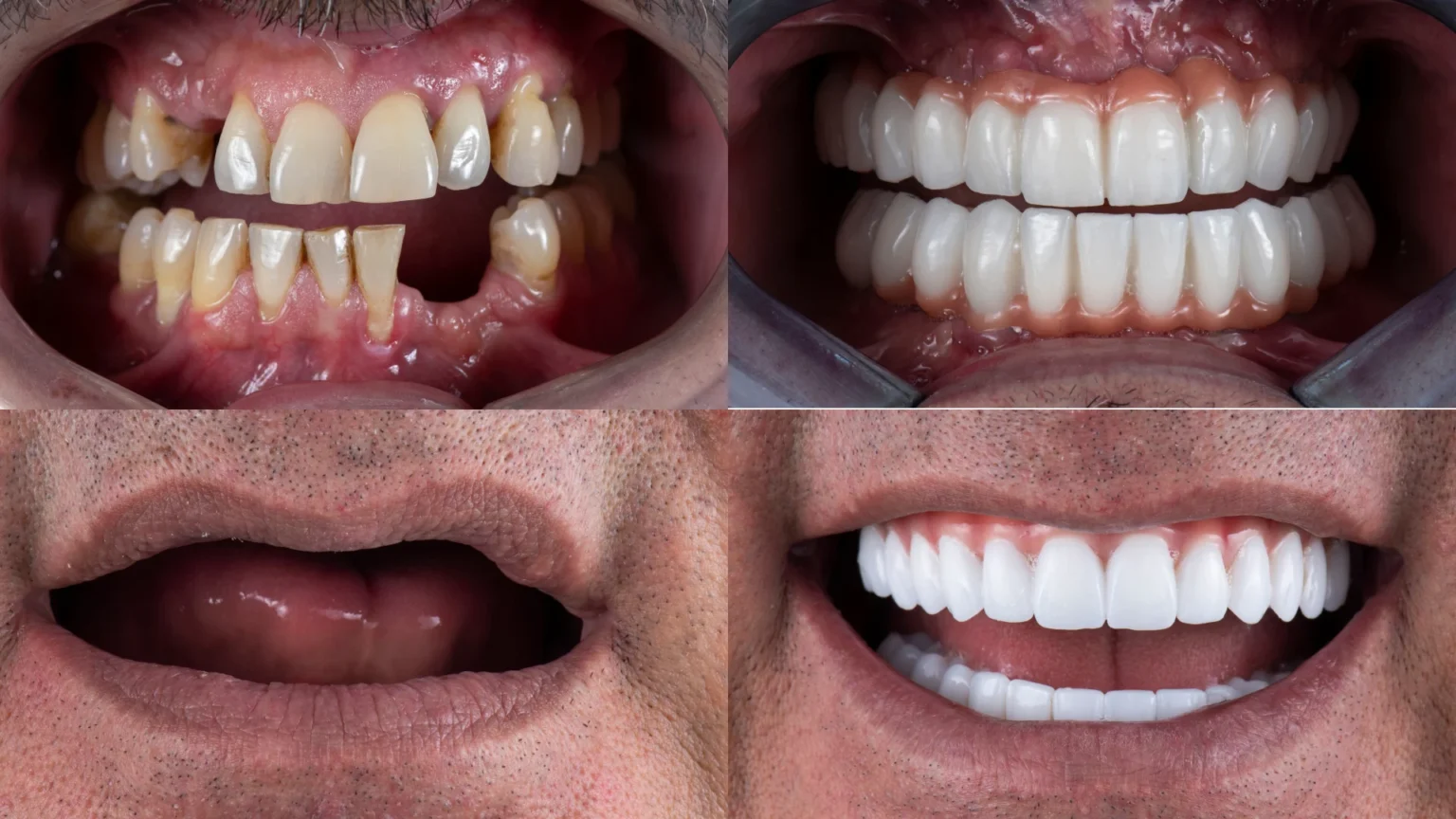
Full Mouth Denture Implants — The Ultimate Guide to Modern Tooth Replacement
Full mouth denture implants are transforming lives for people seeking permanent, secure, and natural-looking solutions for replacing all teeth in the upper and/or lower arch. This comprehensive guide, brought to you by Albania Dental Implants, will walk you through everything you need to know about this life-changing treatment, from understanding the different types of full-mouth dental implants to the costs, procedure, and benefits. We’ll also explore alternative solutions like dental tourism in Albania to make quality dental care more accessible.
What Are Full Mouth Denture Implants?
If you’re exploring options to replace an entire set of teeth, understanding what what are full mouth implants is crucial. Full mouth denture implants, also known as implant-retained dentures, offer a stable and long-lasting solution. Unlike traditional dentures that rest on the gums, implant dentures are anchored to titanium posts surgically placed in the jawbone.
Definition and Explanation
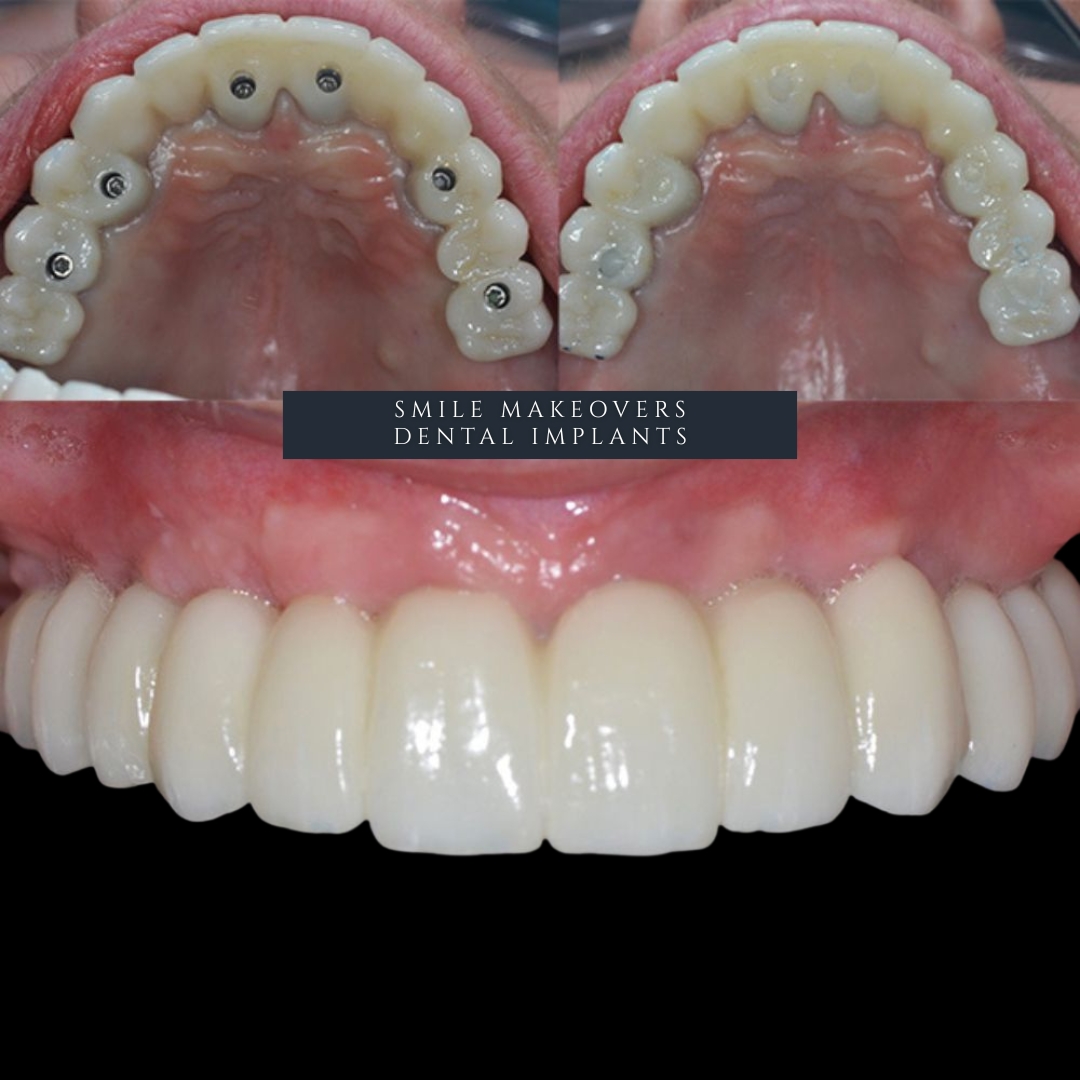
Full mouth denture implants are a type of overdenture that is supported by and attached to dental implants. Typically, between four to six implants are placed in each jaw to provide a secure foundation for the denture. This eliminates the slipping and discomfort often associated with conventional dentures.
Brief History and Technology Evolution
The concept of dental implants dates back centuries, but modern implantology began in the mid-20th century with the discovery of osseointegration – the direct structural and functional connection between living bone and the surface of a load-bearing artificial implant. This breakthrough paved the way for predictable and successful full-mouth dental implants. Over the years, advancements in materials, surgical techniques, and imaging technology have further refined the procedure, making it more efficient and accessible.
Overview of Implant Systems (All-on-4, All-on-6, etc.)
Several implant systems are available for full mouth denture implants, each with its own advantages. The most common include:
- All-on-4 Dental Implants: This revolutionary technique uses just four implants to support an entire arch of teeth. The posterior implants are strategically angled to maximize bone contact, often eliminating the need for bone grafting. All on 4 dental implants is a cost-effective and efficient solution for many patients.
- All-on-6 Dental Implants: Similar to All-on-4, this system utilizes six implants per arch for added stability, particularly beneficial for patients with softer bone or a heavier bite force.
- Traditional Implant-Supported Dentures: This approach involves placing multiple implants (typically 6-8 per arch) to support a fixed or removable denture.
How Do Full Mouth Denture Implants Work?
To understand the effectiveness of full mouth denture implants, it’s essential to grasp how do dental implants work and the dental implant procedure. The success of these implants relies on a process called osseointegration, a biological process where the jaw bone integrates with the titanium implant.
Step-by-Step Overview of the Placement Process
The placement of full mouth denture implants typically involves the following steps:
- Consultation and Planning: A thorough examination, including X-rays and CT scans, is performed to assess bone density and identify the optimal implant placement sites.
- Implant Placement: During a surgical procedure, titanium implants are inserted into the jawbone. This may be done under local anesthesia, sedation, or general anesthesia, depending on the patient’s preference and the complexity of the case.
- Healing Period: Over the next few months, osseointegration occurs, fusing the implants with the surrounding bone.
- Abutment Placement: Once osseointegration is complete, abutments (connectors) are attached to the implants. These abutments will serve as the anchor points for the denture.
- Denture Fabrication and Placement: A custom-made denture is created to fit precisely onto the abutments, providing a secure and natural-looking smile.
The Science Behind How Implants Support Dentures: Osseointegration
Osseointegration is the key to the success of dental implants. Titanium, a biocompatible material, allows bone cells to grow directly onto the implant surface, creating a strong and stable foundation. This process provides exceptional support for the denture, preventing slippage and allowing patients to chew with confidence.
Who is a Candidate for Full Mouth Denture Implants?
While full mouth denture implants offer a solution for many, not everyone is a suitable candidate. Ideal candidates typically:
- Have lost most or all of their teeth in one or both arches.
- Have sufficient bone density in the jaw to support implants (or are willing to undergo bone grafting).Bone grafting in albania can improve the chances of a successful implant.
- Are in good overall health.
- Are committed to maintaining good oral hygiene.
Patients with certain medical conditions, such as uncontrolled diabetes or severe immune deficiencies, may not be good candidates. A thorough evaluation by a qualified implant dentist is essential to determine suitability.
Full Mouth Denture Implants vs. Traditional Dentures
When considering tooth replacement options, understanding the comparison of implants and dentures is crucial. While both serve the purpose of restoring a smile, full mouth denture implants offer several advantages over traditional dentures.
Benefits and Drawbacks
Here’s a breakdown of the benefits and drawbacks of each option:
Full Mouth Denture Implants:
Benefits:
- Enhanced stability and retention
- Improved chewing ability
- Increased comfort
- Preservation of jawbone (prevents bone loss)
- Natural-looking appearance
- Improved speech
Drawbacks:
- Higher initial cost
- Surgical procedure required
- Longer treatment time
Traditional Dentures:
Benefits:
- Lower initial cost
- Non-surgical
- Faster treatment time
Drawbacks:
- Less stable and secure
- Reduced chewing ability
- Can cause gum irritation and discomfort
- Accelerated bone loss
- May affect speech
- Requires regular adjustments and replacements
Longevity and Maintenance
One of the significant advantages of fixed vs removable dentures is their longevity. With proper care, full mouth denture implants can last a lifetime, while traditional dentures typically need to be replaced every 5-10 years. Maintenance for implant dentures involves regular brushing, flossing, and professional dental cleanings, similar to natural teeth.
Benefits of Choosing Full Mouth Denture Implants
The decision to opt for full mouth denture implants can significantly impact your quality of life. Beyond aesthetics, there are numerous health and functional advantages of implant-retained dentures.
Health Benefits
The health benefits of full mouth denture implants include:
- Jawbone Health: Implants stimulate the jawbone, preventing bone loss and maintaining facial structure.
- Improved Chewing: Implants provide a stable foundation for chewing, allowing you to enjoy a wider variety of foods.
- Better Nutrition: With improved chewing ability, you can consume a more balanced and nutritious diet.
- Enhanced Speech: Implants eliminate the slipping and movement of dentures, leading to clearer speech.
Quality-of-Life Improvements
Full mouth denture implants also offer significant quality-of-life improvements, such as:
- Increased Confidence: A natural-looking and secure smile can boost self-esteem and confidence.
- Greater Comfort: Implants eliminate the discomfort and irritation often associated with traditional dentures.
- Freedom from Denture Adhesives: No need for messy and unreliable denture adhesives.
- Improved Social Interactions: Feel comfortable eating, speaking, and laughing in social situations.
Preservation of Bone and Facial Structure
One of the most compelling benefits of full mouth denture implants is their ability to preserve bone and facial structure. When teeth are lost, the jawbone begins to resorb (deteriorate) due to lack of stimulation. This bone loss can lead to a sunken facial appearance and further complications. Implants provide the necessary stimulation to maintain bone density, preserving facial contours and preventing premature aging.
The Process: What to Expect Step-by-Step
If you’re considering full mouth denture implants, understanding the dental implant procedure steps can ease any anxiety. Here’s a step-by-step overview of what to expect:
Consultation and Planning
The first step involves a comprehensive consultation with an experienced implant dentist. During this appointment, the dentist will:
- Review your medical and dental history.
- Perform a thorough oral examination.
- Take X-rays and CT scans to assess bone density and identify optimal implant placement sites.
- Discuss your treatment goals and expectations.
- Develop a personalized treatment plan tailored to your specific needs.
Surgery and Temporary Prosthesis
The next step is the surgical placement of the dental implants. This procedure is typically performed under local anesthesia, sedation, or general anesthesia. After implant placement, a temporary teeth prosthesis is usually provided to maintain aesthetics and function during the healing process. In some cases, immediate loading dental implants in albania may be an option, where a temporary denture is attached to the implants on the same day as surgery.
Healing and Final Placement
The healing period, also known as osseointegration, typically lasts several months. During this time, the implants fuse with the surrounding bone. Once osseointegration is complete, the dentist will attach abutments to the implants and fabricate a custom-made denture. The denture is then carefully fitted onto the abutments, ensuring a secure, comfortable, and natural-looking smile.
At Albania Dental Implants, we can guide you through all steps, or you can handle this in your country, and come to Albania for final placement and get full mouth reconstruction in albania .
Cost of Full Mouth Denture Implants in the UK
One of the most significant considerations for anyone contemplating full mouth denture implants is the teeth implant cost UK. The how much do dental implants cost question doesn’t have a simple answer, as several factors influence the final price.
Price Range Breakdown
The price of full mouth denture implants in the UK can vary widely, typically ranging from £15,000 to £30,000 per arch. This range reflects the complexity of the procedure, the materials used, and the dentist’s experience.
Factors Affecting Cost
Several factors can influence the cost of full mouth denture implants, including:
- Location: Prices tend to be higher in major cities like London compared to smaller towns.
- Materials: The type of implants and denture materials used can affect the cost.
- Surgeon’s Experience: Experienced and highly qualified implant dentists may charge more for their services.
- Bone Grafting: If bone grafting is necessary, this will add to the overall cost.
- Anesthesia: The type of anesthesia used (local, sedation, or general) will also impact the price.
Available Financing Options and NHS/Private Coverage
Due to the high cost of full mouth denture implants, many patients explore financing options to make the treatment more affordable. These may include:
- Dental Loans: Specialized loans designed for dental procedures.
- Payment Plans: Some dental practices offer in-house payment plans.
- Credit Cards: Using a credit card with a low interest rate or promotional period.
Unfortunately, NHS vs private dental implants coverage for full mouth denture implants is limited. The NHS typically only covers dental implants in cases of medical necessity, such as following trauma or cancer surgery. In most cases, patients will need to pursue private dental care for this treatment.
If cost is a major concern, consider dental tourism in albania with Albania Dental Implants. Our prices are significantly lower than in the UK, while maintaining the highest standards of care.
Aftercare and Maintenance
Proper caring for dental implants is crucial for ensuring their longevity and success. The aftercare and maintenance requirements for full mouth denture implants are similar to those for natural teeth, emphasizing good oral hygiene practices.
Daily Care Requirements
The daily care requirements for full mouth denture implants include:
- Brushing: Brush your dentures and gums at least twice a day with a soft-bristled toothbrush and non-abrasive toothpaste.
- Flossing: Floss between the implants and around the abutments daily to remove plaque and debris.
- Interdental Brushes: Use interdental brushes to clean hard-to-reach areas around the implants.
- Mouthwash: Rinse with an antibacterial mouthwash daily to help prevent infection.
Professional Follow-Up Protocols
In addition to daily care, regular professional follow-up appointments are essential. These appointments typically include:
- Dental Cleanings: Professional cleanings to remove plaque and tartar buildup.
- Implant Inspections: The dentist will check the implants for stability and signs of infection.
- Denture Adjustments: The denture may need adjustments over time to ensure a proper fit.
Following these aftercare and maintenance protocols will help ensure the long-term success of your full mouth denture implants. In Albania Dental Implants we offer checkup packages, contact us for more information via contact albania dental implants .
Risks and Potential Complications
Like any surgical procedure, full arch implants come with certain risks of full arch implants and potential complications. Understanding these risks can help you make an informed decision and take steps to minimize them.
Potential Surgical Risks
The potential surgical risks associated with full mouth denture implants include:
- Infection: Infection at the implant site is a possibility, but it can usually be treated with antibiotics.
- Bleeding: Excessive bleeding during or after surgery is rare but can occur.
- Nerve Damage: Damage to nerves in the jaw can cause numbness or tingling in the lips, chin, or tongue.
- Sinus Problems: Upper implants can sometimes protrude into the sinus cavity, leading to sinus infections.
Long-Term Issues and Mitigation
Long-term issues associated with full mouth denture implants may include:
- Implant Failure: In rare cases, implants may fail to osseointegrate properly and need to be replaced.
- Peri-implantitis: Inflammation and bone loss around the implants due to bacterial infection.
- Denture Wear and Tear: The denture itself may wear down over time and need to be repaired or replaced.
To mitigate these risks, it’s crucial to choose an experienced and qualified implant dentist, follow proper aftercare instructions, and maintain good oral hygiene.
Dental implant failure can be avoided by being well informed, so contact us today!
Choosing a Full Mouth Denture Implant Provider in the UK
Selecting the right provider for your full mouth denture implants is crucial for ensuring a successful and satisfactory outcome. Here’s what to look for in a provider:
Key Credentials to Verify
When researching potential providers, verify the following credentials:
- Qualifications and Experience: Look for a dentist with extensive experience in implant dentistry and prosthodontics (denture fabrication).
- Board Certification: Board certification in implant dentistry or prosthodontics indicates a high level of training and expertise.
- Continuing Education: Choose a dentist who stays up-to-date on the latest advancements in implant technology and techniques.
- CQC Registration: Ensure the clinic is registered with the Care Quality Commission (CQC), which regulates and inspects healthcare providers in England.
Important Questions to Ask
Before committing to a provider, ask these important questions:
- How many full mouth denture implant cases have you performed?
- What is your success rate with full arch implants?
- What type of implant system do you use?
- What is the total cost of the treatment, and what does it include?
- What financing options are available?
- What are the potential risks and complications?
- What is your aftercare and maintenance protocol?
We at Albania Dental Implants are one of the best dental implant clinics UK. Contact us today!
Frequently Asked Questions about Full Mouth Denture Implants
Below, we’ll address some frequently asked questions about full mouth denture implants to help you make an informed decision.
How long do full mouth denture implants last?
The lifespan of full mouth denture implants can vary depending on several factors, including the patient’s oral hygiene, overall health, and lifestyle. With proper care and maintenance, implant-supported dentures can last for many years, and in some cases, even a lifetime. The implants themselves are designed to be permanent, while the denture may need to be replaced every 10-15 years due to wear and tear.
Is the procedure painful or uncomfortable?
While some discomfort is to be expected following the surgical placement of dental implants, the procedure itself is typically not painful. The dentist will use local anesthesia to numb the area, and sedation or general anesthesia may be used for more anxious patients. After surgery, pain medication can help manage any discomfort. Most patients report that the pain is manageable and subsides within a few days.
Understanding how painful are dental implants UK patients experience can be a relief.
Am I too old for full mouth implants?
Age is generally not a barrier to receiving full mouth implants. As long as you are in good overall health and have sufficient bone density in the jaw, you can be a candidate for this procedure, regardless of your age. In fact, many older adults benefit significantly from implant-supported dentures, as they improve chewing ability, speech, and overall quality of life.
How soon can I eat normally after treatment?
After the implant placement, you’ll need to follow a soft food diet for several weeks to allow the implants to heal properly. As the gums heal and the implants fuse with the bone, you can gradually reintroduce harder foods. Most patients can resume a normal diet within a few months of surgery.
Can I get implants if I already wear dentures?
Yes, you can absolutely get implants if you already wear dentures. In fact, many patients choose to transition from traditional dentures to implant-supported dentures for improved stability, comfort, and function. The process typically involves placing implants in the jawbone and then retrofitting the existing denture or fabricating a new denture to attach to the implants.
Are there alternatives to full mouth denture implants?
While full mouth denture implants offer numerous advantages, several alternatives are available, including:
- Traditional Dentures: Removable dentures that rest on the gums.
- Partial Dentures: Removable dentures that replace some, but not all, teeth.
- Dental Bridges: Fixed prostheses that bridge the gap between missing teeth.
Your dentist can help you weigh the pros and cons of each option and determine the best solution for your individual needs and budget.
How do I know if I’m a good candidate for implants?
The best way to determine if you’re a good candidate for full mouth implants is to schedule a consultation with an experienced implant dentist. During this appointment, the dentist will evaluate your oral health, bone density, and overall health to determine your suitability for the procedure.
What should I do if an implant fails or becomes loose?
If an implant fails or becomes loose, it’s crucial to seek immediate attention from your dentist. Depending on the cause of the failure, the dentist may be able to replace the implant, perform bone grafting, or recommend an alternative treatment option.
Does insurance or the NHS cover full mouth denture implants in the UK?
Unfortunately, coverage for full mouth denture implants is limited. The NHS typically only covers dental implants in cases of medical necessity, such as following trauma or cancer surgery. In most cases, patients will need to pursue private dental care for this treatment. Some private dental insurance plans may cover a portion of the cost, but it’s important to review your policy carefully. At Albania Dental Implants we can help you out, send us your queries and we will happily assist you.
Conclusion
Full mouth denture implants offer a transformative solution for individuals seeking a permanent, secure, and natural-looking way to replace missing teeth. While the initial cost may be higher than traditional dentures, the long-term benefits, including improved oral health, enhanced chewing ability, increased confidence, and preservation of bone structure, make them a worthwhile investment for many. Don’t let missing teeth hold you back from living your life to the fullest.
Strong call to action: Contact Albania Dental Implants today to Albania Dental Implants schedule a consultation and discover how full mouth denture implants can restore your smile and transform your life! Or contact us to download a patient guide.





