



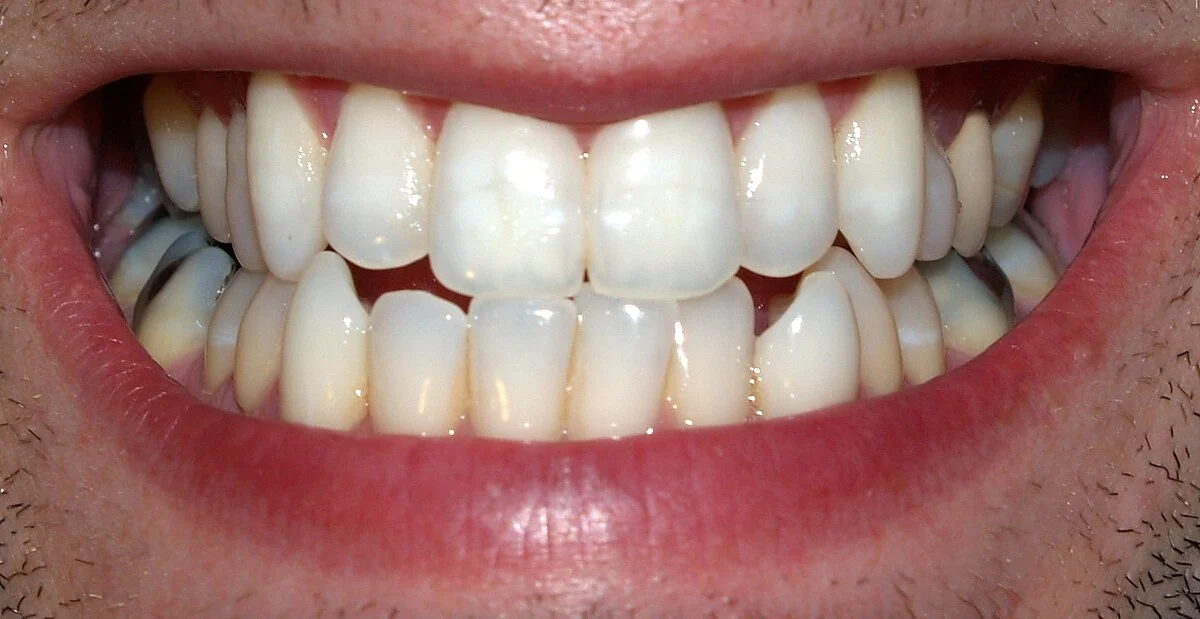
Full Set of Teeth – Everything You Need to Know
A full set of teeth is essential for proper chewing, speech, and overall oral health, and this comprehensive guide provides everything you need to know about achieving and maintaining one. Understanding the number of teeth in a full set, their anatomy, and how to care for them is crucial, whether you’re considering restorative options or simply want to maintain a healthy smile. The number of teeth varies slightly between adults and children, which we will explore further.
How Many Teeth Are in a Full Set for Adults and Children?
Knowing your adult teeth count and that of children is the first step in understanding oral health. A full set of adult teeth typically consists of 32 teeth, including incisors, canines, premolars, and molars. In contrast, children have a smaller set of teeth known as baby teeth (deciduous teeth).
Adult Teeth Count
An adult with a full set of teeth has 32 teeth, assuming they have all their wisdom teeth. These teeth are divided into four quadrants, each containing:
- 2 Incisors: Used for cutting food.
- 1 Canine: Used for tearing food.
- 2 Premolars: Used for grinding food.
- 3 Molars: Used for chewing food (the third molar is the wisdom tooth).
However, it’s not uncommon for adults to have fewer than 32 teeth due to extractions, congenital absence, or impaction. Understanding the ideal adult teeth count helps monitor and address any discrepancies early.
Baby Teeth (Deciduous Teeth)
Children’s teeth, also known as baby teeth (deciduous teeth), are smaller in number and size. A full set of baby teeth consists of 20 teeth, without any premolars or wisdom teeth. These teeth begin to erupt around six months of age and are usually fully present by age three.
The composition of baby teeth includes:
- 4 Incisors
- 2 Canines
- 4 Molars
Differences Between Children’s and Adult Full Sets
The key differences between children’s and adult full sets are in number and type of teeth. Children have 20 deciduous teeth, while adults typically have 32 permanent teeth. Children do not have premolars or wisdom teeth. Additionally, baby teeth are smaller and have thinner enamel layers than adult teeth. It’s crucial to monitor the eruption and alignment of both sets to ensure proper development and oral health.
Maintaining good oral hygiene from an early age sets the foundation for healthy adult teeth. Neglecting baby teeth can lead to problems later in life, such as misaligned permanent teeth or early tooth loss.
Anatomy and Function of a Full Set of Teeth
Understanding tooth structure and function is crucial for maintaining oral health. Each tooth is a complex structure with different parts that perform specific roles. A full set of teeth includes various types of teeth: incisors, canines, premolars, and molars, each designed for a particular function.
Tooth Structure and Function
A tooth consists of several layers, each with its unique function:
- Enamel: The outermost layer, enamel, is the hardest tissue in the human body. It protects the tooth from damage during chewing and from acids that can cause decay.
- Dentin: Beneath the enamel lies the dentin, a softer, bone-like tissue. Dentin provides support for the enamel and transmits signals to the pulp.
- Pulp: The innermost layer, the pulp, contains blood vessels, nerves, and connective tissue. The pulp provides nutrients to the tooth and transmits pain signals.
- Cementum: This is a bone-like substance covering the root, helping to anchor the tooth to the jawbone.
- Periodontal Ligament: This tissue helps hold the tooth in place and acts as a shock absorber during chewing.
Types of Teeth: Incisors, Canines, Premolars, Molars
Each type of teeth plays a unique role in the chewing process:
- Incisors: Located at the front of the mouth, incisors are sharp and blade-like, perfect for cutting food into smaller pieces.
- Canines: Positioned next to the incisors, canines have a pointed shape and are used for tearing food.
- Premolars: Located between the canines and molars, premolars have a flat surface and are used for grinding food.
- Molars: Situated at the back of the mouth, molars are the largest teeth with broad, flat surfaces, ideal for chewing and grinding food into a swallowable consistency.
Role of Each Tooth Type in Oral Health
The role of each tooth type in oral health extends beyond just chewing. Properly aligned teeth help with clear speech, maintain the shape of the face, and prevent excessive wear on individual teeth. Missing teeth can lead to a cascade of problems, including shifting of adjacent teeth, jawbone loss, and difficulty eating. Maintaining a full, healthy set contributes significantly to overall well-being. If you have missing teeth, you may want to consider dental implants in Albania to restore your smile and oral function.
Regular dental check-ups and proper oral hygiene practices are crucial for preserving the health and function of each tooth type. Early detection and treatment of dental issues can prevent more serious problems down the line. If you’re looking to improve your smile’s appearance, cosmetic dentistry in albania offers a range of options.
Dental Health and Maintaining a Full Set of Teeth
Good dental health and hygiene are essential for keeping a full set of teeth healthy and functioning properly. Establishing a consistent oral care routine and taking preventive care for a full set of teeth can help avoid many dental problems and the negative consequences of tooth loss.
Preventive Care for a Full Set of Teeth
Taking preventive care for a full set of teeth involves several key practices:
- Brushing: Brush your teeth at least twice a day with fluoride toothpaste to remove plaque and bacteria.
- Flossing: Floss daily to clean between your teeth and along the gumline, where your toothbrush can’t reach.
- Regular Check-ups: Visit your dentist for regular check-ups and professional cleanings to detect and address any issues early.
- Balanced Diet: Limit sugary and acidic foods and drinks, which can erode tooth enamel.
- Fluoride: Use fluoride mouthwash or toothpaste to strengthen tooth enamel and prevent decay.
Consequences of Tooth Loss
The consequences of tooth loss can extend far beyond just aesthetics. Missing teeth can lead to:
- Shifting of Adjacent Teeth: When a tooth is lost, the surrounding teeth may shift into the empty space, causing misalignment and bite problems.
- Jawbone Loss: The jawbone requires stimulation from the teeth to maintain its density. Tooth loss can lead to bone resorption. If you don’t have enough bone for dental implants, you may want to ask your dentist about bone grafting in albania.
- Difficulty Eating: Missing teeth can make it difficult to chew certain foods, leading to dietary restrictions and nutritional deficiencies.
- Speech Problems: Teeth play a role in speech articulation, and tooth loss can affect your ability to speak clearly.
- Changes in Facial Appearance: Tooth loss can cause the face to sag and appear older due to the loss of support for the cheeks and lips.
What are the best ways to maintain a full set of teeth?
The best ways to maintain a full set of teeth involve a combination of good oral hygiene habits and regular professional care. As well as brushing and flossing daily, using a fluoride mouthwash can help prevent cavities, and scheduling regular dental check-ups is essential for identifying and addressing potential problems early. A balanced diet that’s low in sugar and acidic foods also plays a significant role in preserving your teeth’s health. Moreover, being mindful of habits like teeth grinding or clenching and addressing them with a night guard, if necessary, can prevent excessive wear and tear on your teeth.
Solutions for Missing Teeth
If you’re facing the tooth loss and restoration options, there are several effective solutions to consider. Dental implants and dentures are two common and reliable methods for restoring a full set of teeth and regaining functionality and confidence. Understanding the different procedures to restore a full set of teeth helps you make an informed choice.
Dental Implants and Dentures
Dental implants and dentures offer different approaches to replacing missing teeth:
- Dental Implants: Dental implants are artificial tooth roots, usually made of titanium, that are surgically placed into the jawbone. A crown, bridge, or denture can then be attached to the implant, providing a stable and long-lasting solution. Dental implants are known for their durability and natural appearance.
- Dentures: Dentures are removable appliances that replace missing teeth. They can be either complete (replacing all teeth in an arch) or partial (replacing some teeth). Dentures are a more affordable option but may not provide the same level of stability and comfort as dental implants.
Procedures to Restore a Full Set of Teeth
The procedures to restore a full set of teeth vary depending on the chosen method:
- Dental Implants:
- Consultation and Evaluation: Your dentist will assess your oral health and determine if you are a good candidate for dental implants.
- Implant Placement: The implant is surgically placed into the jawbone. A healing period of several months is required for osseointegration, where the implant fuses with the bone.
- Abutment Placement: Once osseointegration is complete, an abutment (connector) is attached to the implant.
- Crown, Bridge, or Denture Placement: A custom-made crown, bridge, or denture is attached to the abutment, completing the restoration.
- Dentures:
- Consultation and Evaluation: Your dentist will take impressions of your mouth to create a custom-fit denture.
- Tooth Extraction (if needed): Any remaining teeth may need to be extracted before the denture is placed.
- Denture Placement: The denture is placed in your mouth, and adjustments are made to ensure a comfortable fit.
- Follow-up Appointments: Regular follow-up appointments are necessary to adjust and maintain the denture.
What options exist for those who have lost several teeth?
The appropriate treatment depends on the health of the remaining teeth and the patient’s preferences. Those who have lost several teeth have options such as dental implants, dental bridges, and partial dentures. Dental implants are a long-lasting solution that involves surgically implanting artificial tooth roots into the jawbone, providing a stable base for replacement teeth. Multiple implants with bridges in albania can be used to support a larger span of missing teeth. Dental bridges involve anchoring artificial teeth to adjacent natural teeth. Partial dentures are removable appliances that fill in the gaps left by missing teeth and are typically more affordable than implants and bridges.
Cosmetic Dentistry and Full Sets of Teeth
Cosmetic dentistry offers various options for enhancing the appearance of a full set of teeth. Whether you’re looking to correct minor imperfections or undergo a complete smile makeover, there are several treatments available to achieve your desired results. Options for enhancing a full set of teeth include veneers, whitening, and alignment procedures.
Options for Enhancing a Full Set of Teeth
Several cosmetic treatments can improve the appearance of your teeth:
- Veneers: Thin, custom-made shells that cover the front surface of teeth to correct imperfections such as chips, cracks, stains, or gaps. They can give you a hollywood smile in albania
- Teeth Whitening: A process that lightens the shade of your teeth, removing stains and discoloration caused by food, drinks, or aging.
- Teeth Alignment: Orthodontic treatments such as braces or clear aligners (like invisalign aligners in albania) can correct misaligned or crooked teeth, improving both the appearance and function of your smile.
- Dental Crowns: These can improve the appearance of misshapen or discolored teeth. If you opt for all-ceramic crowns, you will get zirconia implants in albania.
What cosmetic treatments can improve the appearance of a full set of teeth?
If you are looking for small improvements or a total smile makeover, several treatments can boost your confidence. Cosmetic treatments include dental veneers for correcting imperfections like chips and stains, teeth whitening for brightening discoloured teeth, orthodontic treatments like braces or aligners for straightening misaligned teeth, dental bonding for repairing minor damages, and gum contouring for improving the gum line’s aesthetics.
Teeth Chart and Visual Guide
A teeth chart serves as a valuable tool for understanding the arrangement and naming of teeth. A diagram guide can further enhance your understanding of the dentition in both adults and children.
Diagram Guide for Understanding a Full Set of Teeth in Adults and Children
The teeth chart typically includes the following information:
- Numbering System: Teeth are numbered from 1 to 32 in adults, starting from the upper right molar and moving clockwise around the mouth. Children’s teeth are usually labeled with letters A through T.
- Tooth Names: Each tooth is identified by its type (incisor, canine, premolar, molar) and location (upper/lower, left/right).
- Eruption Dates: The chart indicates the typical eruption dates for both baby teeth and permanent teeth.
- Tooth Anatomy: Diagrams show the different parts of the tooth (enamel, dentin, pulp, root) and their relationship to the surrounding tissues.
The diagram guide provides a visual representation of the teeth in their proper positions. This can be particularly useful for understanding the differences between adult and children’s dentition. It also helps to identify missing teeth, malocclusions, or other dental issues. Your dentist uses this as a visual aid, and you can ask for a copy.
What is a teeth chart, and why is it useful?
A teeth chart is a diagrammatic representation of teeth, indicating their arrangement, type, and identifying numbers or letters. It is useful for documenting a patient’s dental condition, planning treatments, and tracking changes over time. Dentists use teeth charts to communicate effectively with patients, describe specific issues, and record treatment progress, improving the overall quality of dental care. These charts can be used to track issues that require treatment through general dentistry in albania.
Cost and Where to Get Treatment
The commercial aspects of restoring a full set of teeth, including cost and available services, are important considerations when planning your treatment. Understanding the potential cost, selecting the right provider, and exploring options like dental tourism in albania can help you achieve your goals.
Commercial Aspects (Cost, Dental Clinic Services)
The cost of dental implants in albania or other treatments can vary widely depending on several factors:
- Type of Treatment: Implants are generally more expensive than dentures or bridges.
- Materials Used: The type of materials used for crowns, bridges, or dentures can affect the overall cost.
- Location: Dental costs can vary by geographic location.
- Dental Clinic: Different clinics may have different fee structures and payment options.
How to Choose a Provider
Choosing the right dental provider is crucial for a successful outcome. Consider the following factors:
- Qualifications and Experience: Look for a dentist or specialist with extensive experience in the specific treatment you need.
- Reputation: Read online reviews and ask for referrals from friends or family.
- Technology and Facilities: Choose a clinic with state-of-the-art technology and modern facilities.
- Communication and Comfort: Select a provider who communicates clearly and makes you feel comfortable throughout the process.
Exploring options like Albania Dental Implants Services can offer a balance of high-quality care and cost-effectiveness. Researching patient reviews and understanding the clinic’s expertise in dental implantology is essential when making your decision.
How much does it cost to restore a full set of teeth with implants or dentures?
The cost to restore a full set of teeth with implants or dentures varies significantly. Full mouth dental implants can range from £10,000 to £30,000 or more, depending on the number of implants required, the type of restoration (e.g., All-on-4 or individual implants), and the materials used. Full dentures, on the other hand, typically cost between £800 and £3,000 per arch, depending on the materials and customization. As a more affordable alternative to UK dental costs, you might want to consider cost of dental implants in albania.
FAQ SECTION
How many teeth are there in a full set of adult teeth?
A full set of adult teeth typically includes 32 teeth, consisting of incisors, canines, premolars, and molars (including wisdom teeth). However, it is common to have fewer than 32 teeth due to missing teeth.
How is the full set of teeth different in children vs. adults?
Children have a smaller set of teeth, known as baby teeth (deciduous teeth), consisting of 20 teeth. They lack premolars and wisdom teeth, and their teeth are smaller and have thinner enamel layers compared to adult teeth.
What causes missing teeth, and how can a full set be restored?
Missing teeth can be caused by factors such as tooth decay, gum disease, injury, or congenital absence. A full set of teeth can be restored through options like dental implants, dentures, or bridges, depending on individual needs and preferences.
When should you see a dentist about your full set of teeth?
It is recommended to see a dentist for regular check-ups at least twice a year, or more frequently if you have existing dental issues or concerns about your oral health. Seeing your dentist regularly can help with preventative care.
At Albania Dental Implants, we understand the importance of a healthy, complete smile. Whether you need preventative care, restorative treatments, or cosmetic enhancements, our experienced team is dedicated to providing top-quality dental care at an affordable price. Contact us today to schedule a consultation and take the first step towards achieving the smile you’ve always wanted.
Conclusion
Maintaining a full set of teeth is not just about aesthetics; it’s about ensuring your overall health and well-being. Understanding the anatomy, function, and care of your teeth is essential for preventing dental problems and enjoying a confident smile. Whether you’re considering restorative options like dental implants or simply want to improve your oral hygiene routine, taking proactive steps will help you achieve and maintain a healthy, complete set of teeth for years to come. Don’t hesitate to contact Albania Dental Implants today to learn more about our services and discover how we can help you achieve the smile of your dreams. If you are missing all of your teeth, you might want to consider full mouth reconstruction in albania.





