



How do I tell if my tooth is decaying? This is a common question, and understanding the signs of tooth decay is crucial for maintaining good oral health. Early detection and intervention can prevent more serious problems and save you from extensive and potentially expensive dental treatments. This article will guide you through the early signs of a cavity, advanced symptoms, common causes, and effective prevention strategies, ensuring you can take proactive steps to protect your smile. At Albania Dental Implants, we believe that informed patients make the best decisions about their dental care, potentially including the benefits of dental tourism in Albania for cost-effective treatments.
What is Tooth Decay?
Tooth decay, also known as dental caries, is a prevalent dental issue affecting people of all ages. Understanding what it is and how it differs from other conditions like gingivitis is essential for effective oral health management.
Tooth Decay Definition
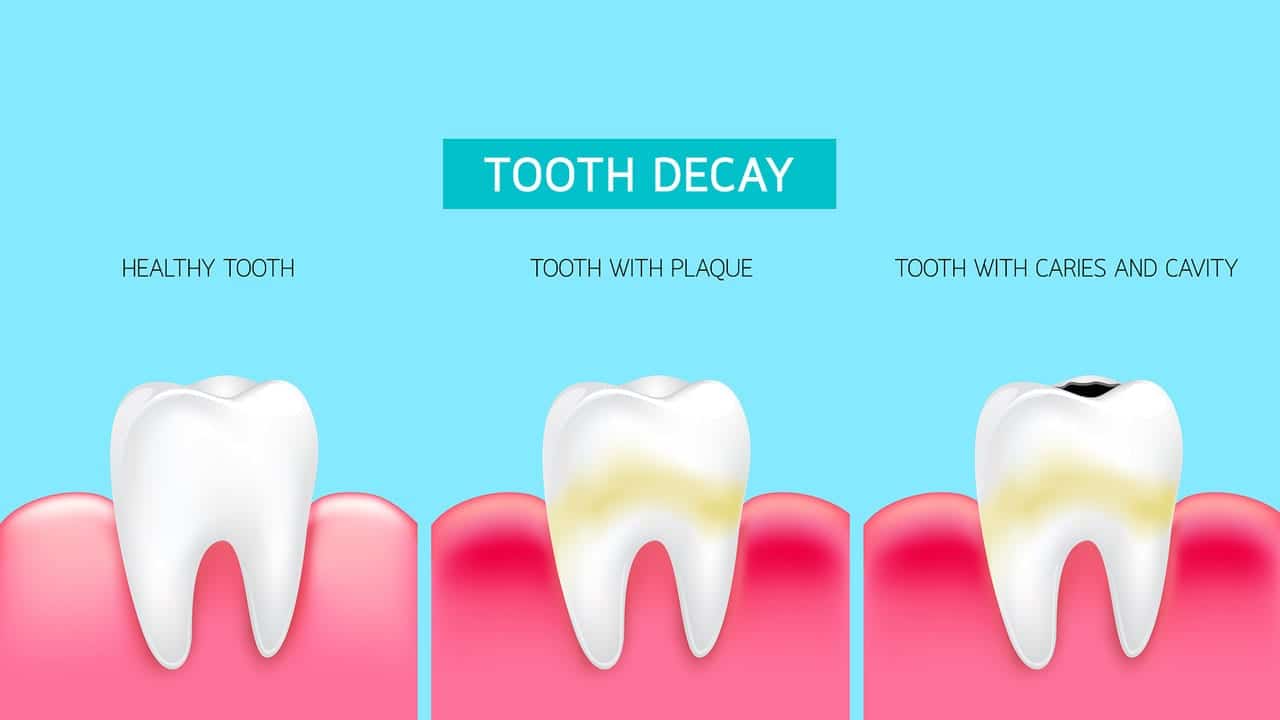
Tooth decay is the damage to your tooth’s surface, or enamel. It happens when bacteria in your mouth make acids that attack the enamel. The primary culprit is plaque, a sticky film of bacteria that constantly forms on your teeth. When you consume sugary or starchy foods and drinks, the bacteria in plaque produce acids that erode the enamel over time, leading to cavities.
Dental Caries Overview
Dental caries is another term for tooth decay and encompasses the entire process of enamel erosion and cavity formation. The process typically begins with demineralisation of the enamel, which, if left unchecked, progresses to form a visible cavity. Regular dental check-ups are vital for early detection and management. With early detection of dental caries, Albania Dental Implants Services can provide comprehensive oral care.
Difference: Gingivitis vs Tooth Decay
It’s important to distinguish between gingivitis and tooth decay, as they affect different parts of your mouth and require different approaches. Gingivitis is an inflammation of the gums, often caused by poor oral hygiene. Symptoms include red, swollen, and bleeding gums. While gingivitis affects the gums, tooth decay directly affects the teeth themselves, leading to enamel erosion and cavity formation. Untreated gingivitis can lead to periodontitis, a more severe form of gum disease, but it doesn’t directly cause tooth decay. In contrast, tooth decay, if left untreated, can lead to infection, pain, and tooth loss.
Early Signs and Symptoms of Tooth Decay
Recognising the early signs and symptoms of tooth decay is crucial for prompt intervention. Addressing these issues early can prevent the need for more extensive treatments. Keep an eye out for tooth sensitivity, white spots, visible holes, and tooth discoloration.
Tooth Sensitivity
One of the earliest signs of tooth decay is increased tooth sensitivity. You might experience a sharp, sudden pain or discomfort when consuming hot, cold, sweet, or acidic foods and drinks. This sensitivity occurs because the enamel, which protects the inner layers of the tooth, has started to erode, exposing the dentin layer underneath, which contains tiny tubules leading directly to the tooth’s nerve. Don’t ignore this sign; seek advice from a dental professional. You may also be experiencing tooth pain causes.
White Spots on Teeth
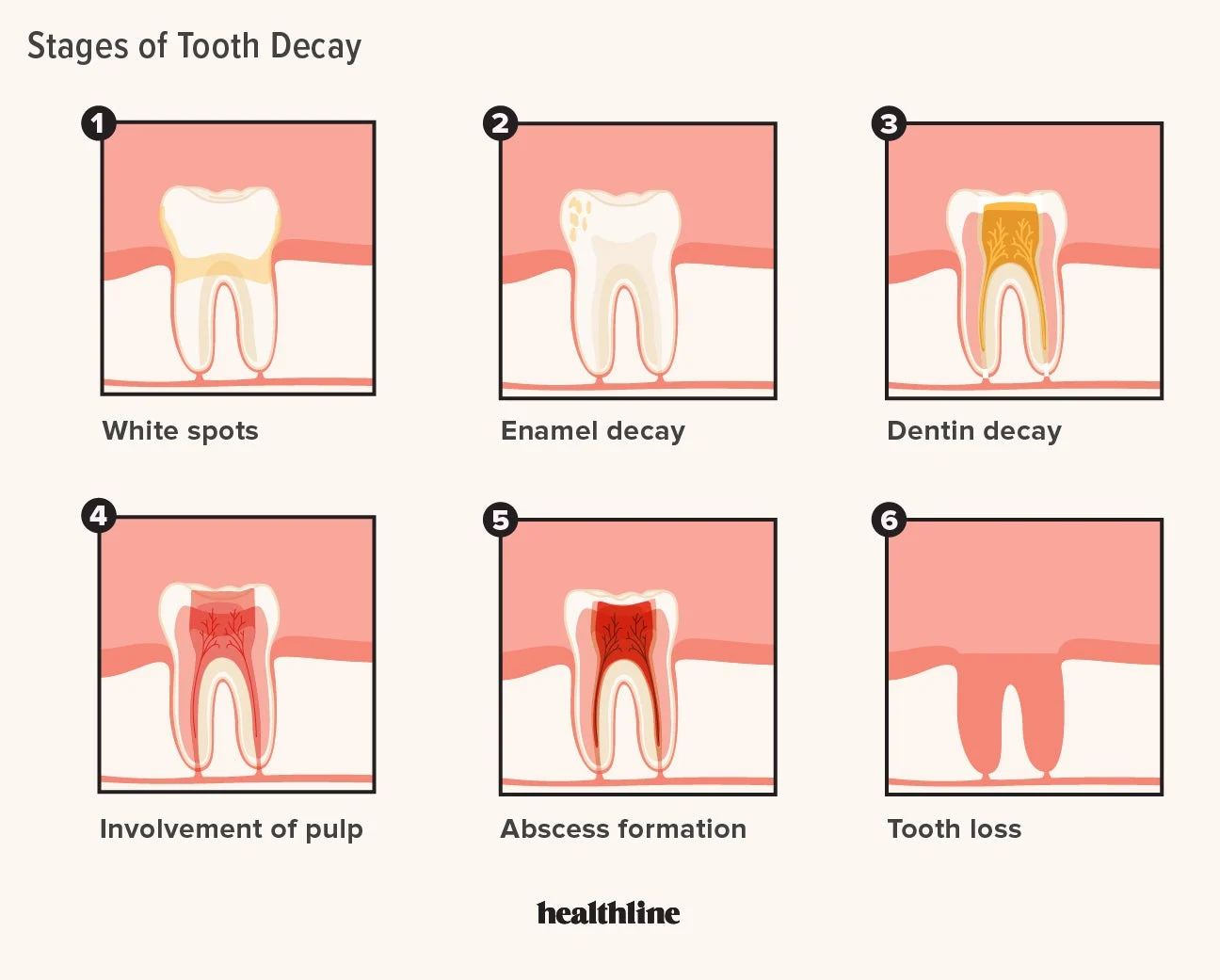
White spots on the surface of your teeth can also indicate early tooth decay. These spots, also known as enamel lesions, are areas where the enamel has begun to lose minerals due to acid attacks from plaque bacteria. They often appear chalky and are most noticeable on the smooth surfaces of the teeth. While white spots don’t necessarily mean a cavity has formed, they indicate that the enamel is weakened and at risk. Fluoride treatments and improved oral hygiene can sometimes reverse these early lesions.
Visible Holes or Pits
As tooth decay progresses, you may notice visible holes or pits forming on the surface of your teeth. These are actual cavities, indicating that the enamel has been significantly eroded. The size and depth of the holes can vary, but they are a clear sign that professional dental treatment is needed. Early detection and treatment can prevent the decay from spreading and causing more damage.
Tooth Discoloration
Tooth discoloration, particularly the appearance of brown or black spots, can be another sign of tooth decay. This discoloration occurs as the decay penetrates deeper into the tooth structure. Unlike surface stains that can be removed with professional cleaning, discoloration from tooth decay is often permanent and requires treatment, such as a filling or crown, to restore the tooth’s health and appearance. If you’re concerned about cosmetic appearance after decay treatment, consider cosmetic dentistry in Albania.
Advanced Symptoms of Tooth Decay
When tooth decay is left untreated, it can progress to more advanced stages, leading to more severe symptoms. It’s crucial to address these issues promptly to prevent further complications. Watch for tooth pain, swelling or pus, bad breath, and difficulty chewing.
Tooth Pain Causes
Persistent tooth pain is a common symptom of advanced tooth decay. The pain can range from mild discomfort to severe, throbbing pain that interferes with daily activities. This pain arises when the decay reaches the inner layers of the tooth, including the pulp, which contains nerves and blood vessels. Inflammation or infection of the pulp can cause intense pain and may require root canal treatment.
Swelling or Pus
Swelling or pus around the affected tooth is a sign of a serious infection. This indicates that the tooth decay has progressed to the point where bacteria have invaded the pulp and surrounding tissues. The infection can spread beyond the tooth, causing swelling in the gums, face, or neck. Pus discharge is a clear indication of infection and requires immediate dental attention to prevent further complications, such as a dental abscess or even sepsis.
Bad Breath (Halitosis)
Persistent bad breath, or halitosis, can be a symptom of advanced tooth decay. The bacteria and debris accumulating in the cavity can produce foul-smelling odours that are difficult to eliminate with regular brushing and mouthwash. While bad breath can have various causes, including poor oral hygiene and certain medical conditions, it’s essential to consider tooth decay as a potential factor, especially if other symptoms are present.
Difficulty Chewing
Difficulty chewing, particularly on one side of the mouth, can indicate advanced tooth decay. The pain and sensitivity associated with the decay can make it uncomfortable to chew, causing you to avoid using the affected tooth. Over time, this can lead to muscle imbalances and further dental problems. Addressing the tooth decay promptly can restore your ability to chew comfortably and maintain a balanced diet. In severe cases, you might need full mouth reconstruction in Albania.
Common Causes and Risk Factors
Understanding the common causes and risk factors of tooth decay can help you take proactive steps to prevent it. Key factors include sugar and diet, plaque formation, poor oral hygiene, and other risk factors.
Sugar and Diet
A diet high in sugar and starches is a major contributor to tooth decay. When you consume sugary or starchy foods and drinks, the bacteria in plaque produce acids that attack the enamel. Frequent snacking and sipping on sugary beverages throughout the day keep your teeth constantly exposed to these acids, increasing the risk of decay. Limiting your intake of sugary foods and drinks, especially between meals, can significantly reduce your risk. Opt for healthier alternatives like fruits, vegetables, and water.
Plaque Formation
Plaque is a sticky film of bacteria that constantly forms on your teeth. It’s the primary culprit in tooth decay. When plaque isn’t removed regularly through brushing and flossing, it hardens into tartar, or calculus, which can only be removed by a dental professional. The bacteria in plaque produce acids that erode the enamel, leading to cavities. Regular and thorough plaque removal is essential for preventing tooth decay.
Poor Oral Hygiene
Poor oral hygiene is a significant risk factor for tooth decay. Inadequate brushing and flossing allow plaque to accumulate on the teeth, increasing the risk of acid attacks. It’s recommended to brush your teeth at least twice a day with fluoride toothpaste and floss daily to remove plaque and debris from between your teeth. Neglecting these practices can lead to a build-up of plaque and an increased risk of tooth decay. If you need to improve your oral hygiene, consider general dentistry in Albania.
Other Risk Factors
In addition to diet and oral hygiene, several other factors can increase your risk of tooth decay. These include dry mouth, which reduces the protective effects of saliva; certain medical conditions, such as diabetes and eating disorders; and the use of tobacco products. Genetics can also play a role, as some people are more susceptible to tooth decay than others. Being aware of these risk factors can help you take additional steps to protect your teeth, such as using fluoride mouthwash, chewing sugar-free gum to stimulate saliva flow, and seeking regular dental care.
When Should You See a Dentist?
Knowing when to seek professional dental care is essential for maintaining good oral health and preventing complications from tooth decay. Regular dental check-ups, paying attention to new symptoms, and understanding what dentists look for are all important.
Dental Check-up Frequency
Regular dental check-ups are crucial for early detection and prevention of tooth decay. Most dentists recommend visiting the dentist every six months for a routine examination and cleaning. However, the frequency of check-ups may vary depending on your individual needs and risk factors. People with a higher risk of tooth decay, such as those with dry mouth or a history of cavities, may benefit from more frequent visits. Regular check-ups allow the dentist to identify early signs of tooth decay and provide preventive treatments, such as fluoride applications or sealants.
When Symptoms Appear
If you experience any symptoms of tooth decay, such as tooth sensitivity, white spots, visible holes, or tooth pain, it’s important to see a dentist as soon as possible. Ignoring these symptoms can allow the decay to progress, leading to more extensive and costly treatments. Early intervention can often prevent the need for root canal treatment or tooth extraction. Don’t hesitate to schedule an appointment if you notice any changes in your oral health.
What Dentists Look For
During a dental check-up, dentists use various methods to detect tooth decay. These include a visual examination of your teeth, using a dental probe to check for soft spots or holes, and taking X-rays to reveal decay that may not be visible to the naked eye. Dentists also assess your gums for signs of inflammation or infection and evaluate your overall oral health. They may ask about your diet and oral hygiene habits to identify risk factors and provide personalized recommendations for prevention. Make sure to contact Albania Dental Implants for advice.
How to Prevent Tooth Decay
Preventing tooth decay is achievable through consistent oral hygiene practices, dietary adjustments, and professional dental treatments. Brushing and flossing, diet tips, and dental treatments are key elements.
Brushing and Flossing
Brushing and flossing are the cornerstones of preventing tooth decay. Brush your teeth at least twice a day with fluoride toothpaste, using a gentle, circular motion to remove plaque and debris from all surfaces of your teeth. Pay particular attention to the areas along the gum line and between the teeth. Floss daily to remove plaque and food particles from between your teeth, where your toothbrush can’t reach. Proper brushing and flossing techniques are essential for maintaining good oral hygiene and preventing tooth decay.
Diet Tips
Making smart dietary choices can significantly reduce your risk of tooth decay. Limit your intake of sugary and starchy foods and drinks, especially between meals. Choose water over sugary beverages and opt for healthy snacks like fruits, vegetables, and nuts. When you do consume sugary foods, try to do so as part of a meal, rather than snacking on them throughout the day. Chewing sugar-free gum after meals can also help stimulate saliva flow, which neutralizes acids and helps protect your teeth.
Dental Treatments & Products
In addition to brushing, flossing, and dietary changes, several dental treatments and products can help prevent tooth decay. Fluoride treatments, available at your dentist’s office, can strengthen the enamel and make it more resistant to acid attacks. Dental sealants, thin plastic coatings applied to the chewing surfaces of molars, can protect these vulnerable areas from decay. Antibacterial mouthwashes can help reduce the number of bacteria in your mouth, further reducing the risk of tooth decay. Consider immediate loading dental implants in Albania for faster results if tooth decay leads to tooth loss.
Frequently Asked Questions (FAQs)
Here are detailed answers to some frequently asked questions about tooth decay, providing you with the information you need to protect your oral health.
What does tooth decay look like at the early stage?
At the early stage, tooth decay might appear as white spots on the teeth. These spots are areas where the enamel has started to lose minerals. You might not feel any pain or sensitivity at this point, but it’s a sign that the enamel is weakening. These spots can be subtle and easily missed without a thorough dental examination. Regular check-ups with your dentist are crucial for detecting these early signs and preventing the decay from progressing.
What does tooth decay feel like?
In its early stages, tooth decay may not cause any noticeable sensation. However, as it progresses, you might start experiencing tooth sensitivity to hot, cold, sweet, or acidic foods and drinks. This sensitivity occurs because the enamel has eroded, exposing the underlying dentin layer. In more advanced stages, you may feel a sharp, throbbing pain, especially when biting down or chewing. The sensation can range from mild discomfort to severe pain that interferes with daily activities.
How do I know if a cavity is forming?
Several signs can indicate that a cavity is forming. These include persistent tooth sensitivity, white or brown spots on the teeth, visible holes or pits, and pain when chewing. You might also notice that food gets stuck in a particular spot in your mouth more often. If you experience any of these symptoms, it’s important to see a dentist as soon as possible for a thorough examination. Early detection and treatment can prevent the cavity from growing larger and causing more damage.
Can tooth decay heal on its own?
No, tooth decay cannot heal on its own. Unlike some other tissues in the body, enamel does not have the ability to regenerate. Once the enamel has been eroded by acid attacks, it cannot repair itself. However, in the very early stages, when only white spots are present, it may be possible to remineralise the enamel with fluoride treatments and improved oral hygiene. Once a cavity has formed, it requires professional dental treatment to remove the decay and restore the tooth.
How quickly does tooth decay progress?
The rate at which tooth decay progresses can vary depending on several factors, including your diet, oral hygiene habits, and the strength of your enamel. In some cases, decay can progress rapidly, especially if you consume a lot of sugary foods and drinks and don’t brush or floss regularly. In other cases, it may progress more slowly. Regular dental check-ups are important for monitoring the progression of decay and providing timely treatment. Consider [Multiple Implants With Bridges in Albania](https://albaniadentalimplants.com/multiple-implants-with-bridges-in-albania/) if you need restorative treatments.
What happens if tooth decay is left untreated?
If tooth decay is left untreated, it can lead to a number of serious complications. The decay can progress deeper into the tooth, reaching the pulp and causing inflammation or infection. This can result in severe pain, swelling, and the formation of a dental abscess. In some cases, the infection can spread beyond the tooth, affecting the surrounding tissues and even leading to sepsis, a life-threatening condition. Untreated tooth decay can also lead to tooth loss and the need for more extensive and costly treatments.
Are toothache and tooth decay always connected?
While toothache is often a symptom of tooth decay, it’s not always the case. Toothache can have various causes, including gum disease, a cracked tooth, a sinus infection, or even temporomandibular joint (TMJ) disorders. However, if you experience a persistent toothache, especially if it’s accompanied by other symptoms such as sensitivity or visible holes, it’s important to see a dentist to rule out tooth decay as the underlying cause. Addressing the underlying cause of the toothache promptly can prevent further complications.
When should I seek urgent help for tooth decay?
You should seek urgent dental help if you experience any of the following symptoms: severe tooth pain that doesn’t respond to over-the-counter pain medication, swelling around the affected tooth or in your face or neck, pus discharge from the tooth or gums, or a fever. These symptoms can indicate a serious infection that requires immediate treatment to prevent it from spreading and causing more severe complications. Delaying treatment can have serious consequences, so don’t hesitate to seek urgent dental care if you experience these symptoms.
Can I prevent tooth decay if I spot it early?
Yes, you can often prevent further tooth decay if you spot it early. In the initial stages, when only white spots are present, it may be possible to remineralise the enamel with fluoride treatments and improved oral hygiene. This involves brushing regularly with fluoride toothpaste, flossing daily, and using a fluoride mouthwash. Your dentist may also recommend professional fluoride applications to strengthen the enamel. By taking these steps, you can often reverse the early stages of tooth decay and prevent it from progressing to form a cavity.
Take Control of Your Oral Health Today!
Recognising the signs of tooth decay early and taking prompt action is crucial for maintaining a healthy smile. From understanding the early symptoms like sensitivity and white spots to preventing advanced decay through proper oral hygiene and diet, you now have the knowledge to protect your teeth.
Don’t wait until it’s too late! Schedule regular dental check-ups and address any concerns immediately. If you’re looking for high-quality, affordable dental care, consider the excellent services at Albania Dental Implants.
Contact us today to learn more about our dental services and how you can achieve a healthy, beautiful smile. Let Albania Dental Implants be your partner in oral health!