



Figuring out how do you pay for dental implants UK is a significant concern for many seeking to restore their smile and improve their oral health. Dental implants offer a long-term solution for missing teeth, but the cost can be a barrier. This article explores the various avenues available to make dental implants accessible, including NHS options, private plans, financing, and even exploring options abroad like dental tourism in Albania.
How Much Do Dental Implants Cost in the UK?
Understanding the dental implant cost UK is the first step in planning your treatment. The price can vary widely depending on several factors. Let’s break down the average costs and the elements influencing them.
Average Cost per Implant
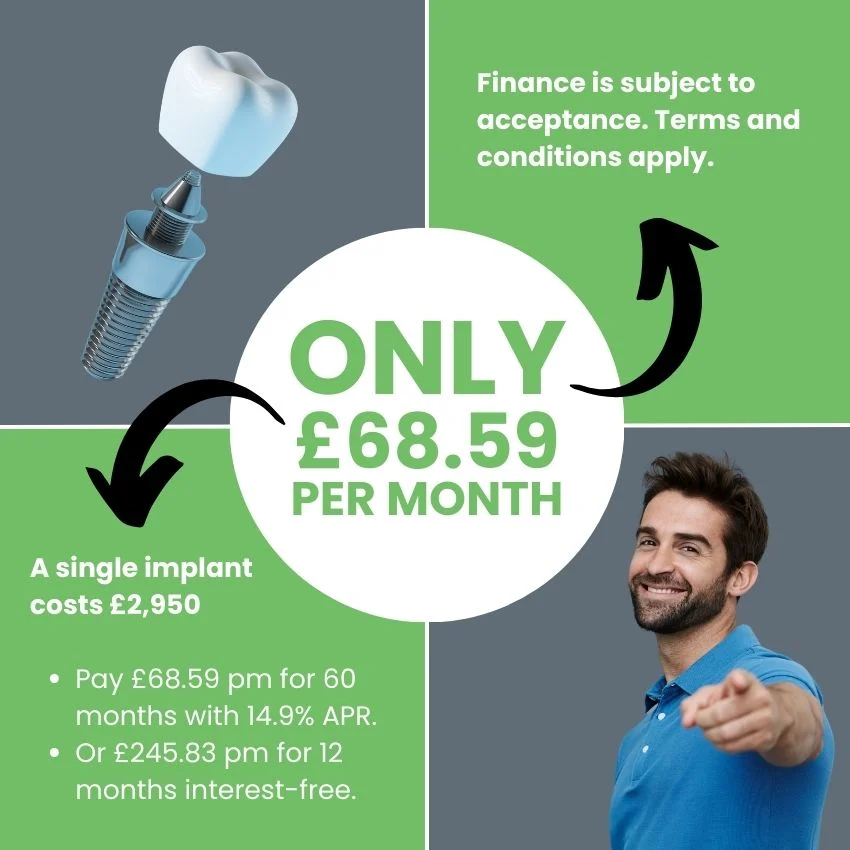
The average cost for a single dental implant in the UK typically ranges from £2,500 to £4,000. This includes the implant fixture, abutment, and crown. For multiple implants or a full arch replacement (all on 4 dental implants in Albania is an option you can explore), the cost can increase significantly, ranging from £7,000 to £25,000 or more. A full mouth reconstruction can be even higher. Don’t let the cost deter you without researching options like the services available at Albania Dental Implants Services.
Factors Affecting Cost
- Materials: The type of material used for the implant (titanium, zirconia implants in Albania) and crown (porcelain, ceramic) influences the price.
- Clinic Location: Clinics in London and other major cities tend to have higher prices than those in smaller towns.
- Dentist Experience: More experienced and specialized dentists may charge higher fees.
- Complexity of the Case: If bone grafting (bone grafting in Albania) or sinus lifts (sinus lift in Albania) are required, this adds to the overall cost.
Comparison: NHS vs Private Clinics
Dental implants are rarely covered by the NHS, meaning most people opt for private clinics. Private clinics offer a wider range of options and materials but come at a higher cost. The NHS primarily funds implants only in cases of medical necessity. Private clinics, like those specializing in dental implants in Albania, provide greater flexibility and availability.
Hidden Costs
Be aware of potential hidden costs:
- Consultation Fees: Some clinics charge for initial consultations.
- X-Rays and Scans: Necessary for planning the implant procedure.
- Aftercare: Follow-up appointments, pain medication, and special cleaning products.
Does the NHS Cover Dental Implants?
Many people wonder about NHS dental implants and whether they can access this treatment through the National Health Service. The reality is that NHS coverage for dental implants is very limited.
NHS Eligibility Criteria
The NHS generally only provides dental implants in cases of significant medical need. This might include:
- Patients who have lost teeth due to trauma (e.g., an accident).
- Patients with congenital defects (e.g., missing teeth from birth).
- Patients who have had teeth removed as part of cancer treatment.
Even if you meet these criteria, approval is not guaranteed and depends on the specific circumstances and the availability of funding within your local NHS trust.
When NHS May Fund Implants
The NHS may fund implants if the lack of teeth severely affects your ability to eat, speak, or maintain overall health. However, cosmetic reasons are not considered a valid basis for NHS funding.
Typical Waiting Times and Process
If you are eligible for NHS dental implants, be prepared for potentially long waiting times. The process typically involves:
- Referral from your general dentist to a specialist.
- Assessment by the specialist to determine eligibility.
- Approval from the local NHS trust.
- Placement on a waiting list.
Waiting times can range from several months to over a year, depending on the area and demand.
What is Not Covered by NHS
The NHS generally does not cover:
- Implants for purely cosmetic reasons.
- Replacement of existing implants that have failed (unless there is a clear medical reason).
- Costs associated with private dental implant treatment.
Private Dental Implants: What to Expect
Since NHS coverage is limited, many individuals seeking private dental implants UK opt for private dental treatment. This route offers more flexibility, a wider range of options, and potentially shorter waiting times.
Why Most People Choose Private Treatment
Private dental implant treatment is often chosen for the following reasons:
- Availability: Private clinics offer more readily available appointments and treatment slots.
- Choice: You have more control over the materials, techniques, and dentist you choose.
- Cosmetic Benefits: Private treatment focuses on aesthetic outcomes in addition to functionality.
- Advanced Technology: Private clinics often invest in the latest technology for more precise and comfortable procedures.
Typical Costs and What’s Included
Private dental implant costs vary, but generally include:
- Initial Consultation: Examination, X-rays, and treatment planning.
- Implant Placement: Surgical insertion of the implant fixture into the jawbone.
- Abutment: The connector piece between the implant and the crown.
- Crown: The artificial tooth that sits on top of the abutment.
- Follow-up Appointments: Monitoring and adjustments after the procedure.
Remember to clarify exactly what is included in the quoted price to avoid unexpected expenses.
Choosing a Reputable Clinic
Selecting a reputable dental clinic is crucial for a successful dental implant procedure. Consider the following factors:
- Qualifications and Experience: Ensure the dentist is qualified and experienced in implant dentistry.
- Reviews and Testimonials: Check online reviews and testimonials from previous patients.
- Technology and Equipment: Look for clinics that use modern technology and high-quality materials.
- Consultation and Communication: The clinic should provide a thorough consultation and communicate clearly about the treatment process and costs.
- Guarantees and Warranties: Ask about guarantees or warranties on the implants and crowns.
Dental Implant Payment Plans in the UK
For many, the cost of dental implants is a significant hurdle. Fortunately, dental implant payment plans can help make the treatment more affordable by spreading the cost over time.
What are Payment Plans?
Payment plans, also known as dental finance, allow you to pay for your dental implant treatment in monthly instalments rather than a lump sum. This can make it easier to budget for the procedure and manage your finances.
How Do Clinics Offer Instalments?
Dental clinics typically offer payment plans through third-party finance providers. These providers specialize in financing medical and dental treatments. The clinic will facilitate the application process, and if approved, the finance company will pay the clinic directly, and you will repay the finance company in monthly instalments. Considering travelling for your dental work? Explore the option of payment plans when you contact Albania dental implants to learn more about your payment options.
Typical Terms
- Deposit: Some plans may require an initial deposit.
- Monthly Payments: The remaining balance is paid in fixed monthly instalments.
- Interest Rates: Payment plans may come with interest rates, which can vary depending on the provider and your credit score.
- Loan Term: The repayment period can range from a few months to several years.
Pros and Cons of Payment Plans
Pros:
- Makes dental implants more affordable by spreading the cost.
- Allows you to access treatment sooner rather than waiting to save the full amount.
- Fixed monthly payments make budgeting easier.
Cons:
- Interest charges can increase the overall cost of treatment.
- Requires a credit check and approval.
- Missed payments can negatively impact your credit score.
Dental Implant Finance and Loans
In addition to payment plans offered by clinics, you can also explore dental implant finance UK options through personal loans or specialist dental finance companies.
Types of Dental Loans
- Personal Loans: Unsecured loans from banks or credit unions that can be used for any purpose, including dental treatment.
- Specialist Dental Finance: Loans specifically designed for dental procedures, often offered by finance companies partnering with dental clinics.
How to Apply for Dental Implant Finance
The application process typically involves:
- Comparing loan options from different lenders.
- Completing an application form with personal and financial information.
- Undergoing a credit check.
- Providing proof of income and identity.
Interest Rates and Repayment Terms
Interest rates on dental loans vary depending on the lender, your credit score, and the loan amount. Repayment terms can range from one to seven years.
Risks and Things to Watch Out For
- High Interest Rates: Be wary of loans with high interest rates, as they can significantly increase the overall cost.
- Hidden Fees: Look out for application fees, early repayment fees, or other hidden charges.
- Credit Score Impact: Missed payments can negatively affect your credit score.
- Affordability: Ensure you can comfortably afford the monthly payments before taking out a loan.
Dental Implant Insurance in the UK
Many people wonder if dental implant insurance UK is a viable option to help cover the costs. While some dental insurance policies may offer limited coverage, it’s essential to understand the specifics.
Does Dental Insurance Cover Implants?
Most standard dental insurance policies do not fully cover dental implants. Some policies may offer partial coverage for certain aspects of the treatment, such as consultations, X-rays, or the crown. However, the implant fixture itself is often excluded or only partially covered.
Types of Dental Insurance Policies
- Basic Dental Insurance: Covers routine check-ups, cleanings, and basic treatments like fillings.
- Comprehensive Dental Insurance: Offers more extensive coverage, including major treatments like crowns, bridges, and sometimes implants.
- Specialized Implant Insurance: Some insurance companies offer policies specifically designed to cover dental implants, but these tend to be more expensive and may have limitations.
What’s Usually Excluded
Common exclusions in dental insurance policies include:
- Pre-existing conditions (e.g., missing teeth before the policy start date).
- Cosmetic treatments (unless medically necessary).
- Implants placed within the first few months of the policy.
- Annual limits on coverage.
How to Choose the Right Policy
If you’re considering dental insurance to help cover the cost of implants, follow these steps:
- Read the Fine Print: Carefully review the policy terms and conditions to understand what is covered and excluded.
- Compare Quotes: Get quotes from multiple insurance providers to find the best coverage at the most competitive price.
- Consider Waiting Periods: Be aware of any waiting periods before you can claim for major treatments like implants.
- Assess Annual Limits: Check the annual limits on coverage to ensure they are sufficient for your needs.
Grants and Assistance for Dental Implants
Finding dental implant grants UK can be challenging, but there are avenues to explore for potential financial assistance. While government grants are rare, certain charities and organizations may offer support.
Charities and Organisations Offering Help
Some charities that may provide financial assistance for dental treatment include:
- The Dental Health Foundation: Offers grants for dental treatment to individuals in need.
- Dentaid: Provides dental care to vulnerable people in the UK and overseas.
- The Oral Health Foundation: While not a grant provider, they offer information and support on oral health issues and can direct you to potential resources.
Government Schemes (if any)
Currently, there are no specific government schemes in the UK that provide grants specifically for dental implants. However, it’s worth checking with your local council to see if they offer any discretionary funding for dental treatment in cases of extreme hardship.
Crowdfunding and Community Support
Crowdfunding platforms like GoFundMe can be a way to raise funds for dental implants. Share your story and explain why you need the treatment, and ask your friends, family, and community for support.
How to Make Dental Implants More Affordable
If the cost of dental implants seems prohibitive, there are several strategies you can employ to make them more affordable dental implants UK.
Tips for Saving Money
- Shop Around: Get quotes from multiple dental clinics and compare prices.
- Consider Off-Peak Deals: Some clinics offer discounts during quieter periods.
- Ask About Payment Options: Inquire about payment plans or financing options to spread the cost.
- Check for Discounts: Some clinics offer discounts for seniors, students, or members of certain organizations.
- Prioritize Preventive Care: Maintaining good oral hygiene can prevent future dental problems and reduce the need for expensive treatments.
Considering Treatment Abroad
Dental tourism in Albania and other countries can offer significantly lower costs for dental implants. However, it’s essential to weigh the risks and benefits carefully.
Risks:
- Language barriers.
- Lower quality standards in some clinics.
- Difficulty with follow-up care and complications.
- Travel costs and logistics.
Benefits:
- Significantly lower costs.
- Opportunity to combine treatment with a vacation.
Preventive Care to Avoid Future Costs
Investing in preventive dental care can help you avoid the need for costly treatments like dental implants in the future. This includes:
- Brushing and flossing daily.
- Regular dental check-ups and cleanings.
- Avoiding sugary foods and drinks.
- Quitting smoking.
Frequently Asked Questions (FAQs)
How Much Do Dental Implants Cost in the UK?
The average cost per implant ranges from £2,500 to £4,000, including the implant, abutment, and crown. Costs vary based on materials, clinic location, and dentist experience.
Does the NHS Cover Dental Implants?
The NHS rarely covers dental implants, typically only in cases of medical necessity like trauma or congenital defects.
Can You Get Dental Implants on the NHS?
It is difficult to get dental implants on the NHS unless you meet very specific medical criteria and are approved by your local NHS trust. If you don’t qualify for NHS coverage, the Albania Dental Implants clinic may be able to provide more affordable options.
What Are the Payment Options for Dental Implants in the UK?
Payment options include paying upfront, using dental implant payment plans offered by clinics, taking out a personal loan, or using dental insurance (if applicable).
Are There Dental Implant Payment Plans Available?
Yes, many dental clinics offer payment plans that allow you to spread the cost of treatment over several months or years.
Can You Get Dental Implant Finance or Loans?
Yes, you can obtain dental implant finance through personal loans from banks or specialist dental finance companies.
Is Dental Implant Insurance Available in the UK?
Some dental insurance policies may offer partial coverage for dental implants, but it’s essential to check the policy details carefully.
Are There Grants or Assistance for Dental Implants in the UK?
Government grants specifically for dental implants are rare. However, some charities and organizations may offer financial assistance in certain cases.
What Are the Risks of Dental Implant Financing?
The risks of dental implant financing include high interest rates, hidden fees, and the potential impact on your credit score if you miss payments.
How Can I Make Dental Implants More Affordable in the UK?
You can make dental implants more affordable by shopping around, considering treatment abroad, asking about discounts, and prioritizing preventive care.
Conclusion: Your Options for Paying for Dental Implants in the UK
Paying for dental implants in the UK can seem daunting, but understanding the available options empowers you to make an informed decision. From exploring limited NHS coverage to considering private payment plans, loans, and even treatment abroad, numerous avenues exist to achieve a healthy and confident smile. Consider options like a full mouth reconstruction in Albania to help reduce costs without comprising quality.
Remember to carefully weigh the risks and benefits of each payment method, prioritize preventive care, and consult with both a dentist and a financial advisor to determine the best course of action for your individual circumstances. Start by exploring the options available at cost of dental implants in Albania, a popular destination for affordable, high-quality dental care.
Schedule a consultation with a dentist to discuss your dental implant options and explore potential payment plans. If considering financing, consult with a financial advisor to assess your financial situation and determine the most suitable loan option.