



After getting full mouth dental implants, one of the most common questions patients ask is: How long after full mouth dental implants can I eat normally? Understanding the recovery timeline is crucial for planning your diet and managing expectations. This guide covers the full mouth dental implants timeline, appropriate diet, necessary aftercare, and what to expect as you gradually return to normal eating. Albania Dental Implants is committed to providing you with the best care, and we’re here to help you navigate this process with confidence.
What Happens During Full Mouth Dental Implants?
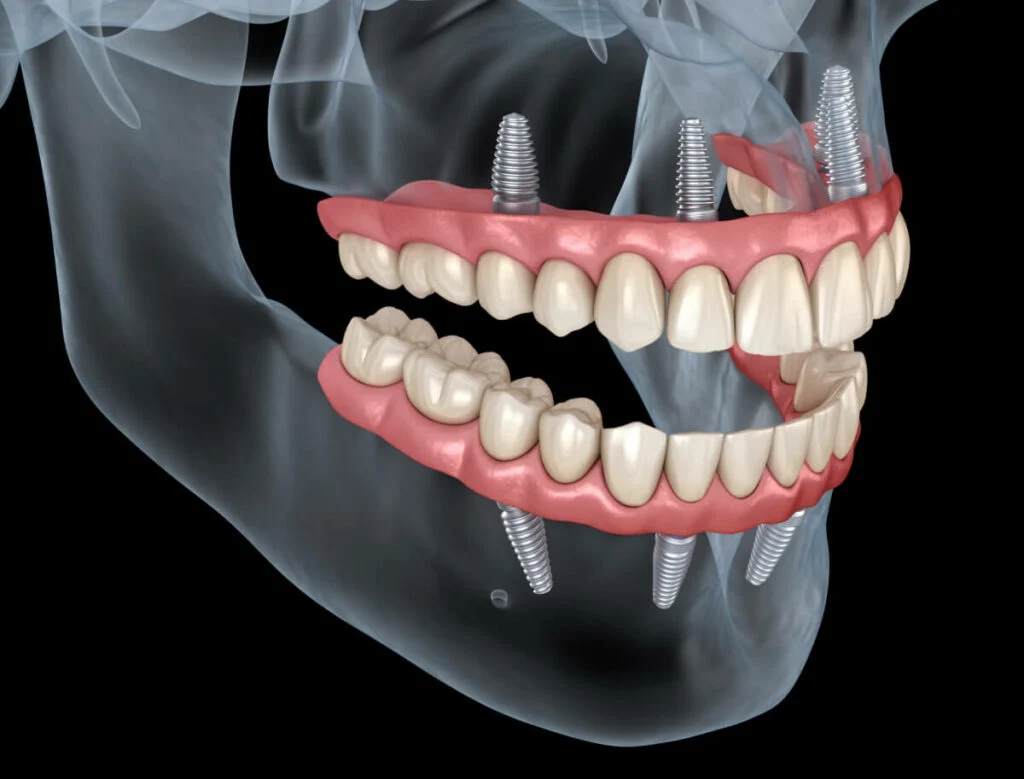
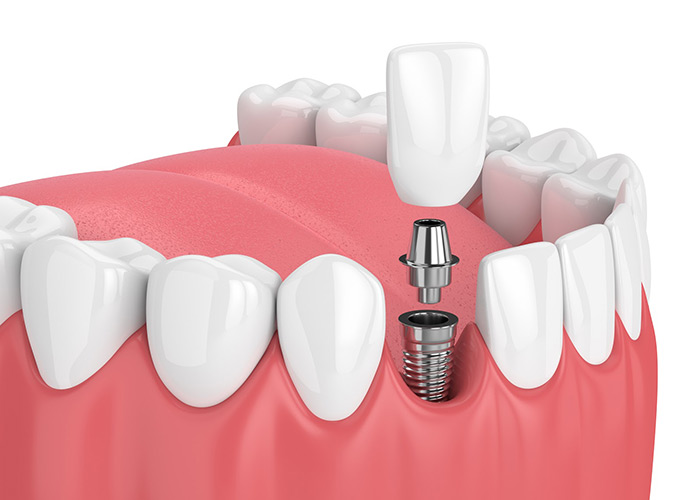
The full mouth dental implants healing process involves a series of steps, starting with the surgical procedure itself. During this process, all remaining teeth are extracted, and dental implants are strategically placed in the jawbone. These implants serve as anchors for a full set of replacement teeth.
Overview of the Surgical Procedure
The procedure typically begins with a thorough examination and planning phase. This includes X-rays, CT scans, and impressions to create a precise surgical guide. On the day of the surgery, you’ll be given anesthesia to ensure you’re comfortable throughout the procedure. The surgeon will then extract any remaining teeth, clean and prepare the jawbone, and place the implants.
Immediate Post-Op Expectations
Following the surgery, it’s normal to experience some swelling, pain, and numbness. Your dentist will provide you with pain medication to manage any discomfort. Applying ice packs to your face can also help reduce swelling. It’s crucial to rest and avoid strenuous activities during the initial recovery period.
Importance of Following Aftercare Instructions
Following aftercare instructions is vital for a successful recovery. This includes taking prescribed medications, maintaining good oral hygiene, and attending follow-up appointments. Proper aftercare helps prevent infection and ensures the implants integrate properly with the jawbone. At Albania Dental Implants, we prioritize patient education to ensure you’re well-equipped to handle your recovery.
What Can I Eat Immediately After Full Mouth Dental Implants?
Your full mouth dental implants diet immediately following the procedure will be limited to very soft foods. This is to protect the surgical sites and allow them to heal properly. Choosing the right foods and avoiding certain ones is essential for a smooth recovery.
List of Soft Foods
Here are some excellent soft food options to consider:
- Smoothies: A great way to get nutrients and stay hydrated.
- Mashed Potatoes: Easy to eat and digest.
- Yogurt: Provides protein and is gentle on the stomach.
- Soups: Opt for broth-based soups without chunks.
- Applesauce: A simple and nutritious choice.
These foods require minimal chewing and won’t irritate the surgical sites.
Foods to Avoid
It’s equally important to know what foods to avoid after dental implants:
- Hard Foods: Nuts, chips, and hard candies can damage the implants.
- Crunchy Foods: Raw vegetables and granola can be difficult to chew.
- Spicy Foods: Can irritate the surgical sites.
- Hot Foods: May increase swelling and discomfort.
Avoiding these foods helps prevent complications and promotes healing.
Tips for Staying Hydrated and Nourished
Staying hydrated is crucial for healing. Drink plenty of water, but avoid using straws, as the sucking motion can disrupt the surgical sites. You can also supplement your diet with protein shakes to ensure you’re getting adequate nutrition. If you’re struggling to eat, consult with a nutritionist or your dentist for additional guidance.
How Long Does It Take to Recover from Full Mouth Dental Implants?
The full mouth dental implants recovery time varies from person to person, but there are general timelines you can expect. Understanding these timelines can help you plan and manage your recovery effectively.
Timeline: First 24 Hours
In the first 24 hours, focus on rest and managing pain and swelling. Take prescribed medications as directed and apply ice packs to your face. Stick to a liquid diet and avoid any strenuous activities.
Timeline: First Week
During the first week, you can gradually introduce softer foods into your diet. Continue to take pain medication as needed and maintain good oral hygiene by gently rinsing your mouth with warm salt water. Avoid brushing directly on the surgical sites.
Timeline: First Month
By the end of the first month, you should start to feel more comfortable. You can begin to eat more solid foods, but still avoid anything too hard or crunchy. Attend all follow-up appointments with your dentist to ensure the implants are healing properly. According to the American Academy of Implant Dentistry, most patients experience significant improvement by the end of the first month.
Factors Affecting Recovery
Several factors can influence your recovery time:
- Age: Younger patients tend to heal faster.
- Overall Health: Existing health conditions can slow down recovery.
- Smoking: Smoking impairs healing and increases the risk of complications.
- Aftercare: Following aftercare instructions closely is crucial.
Addressing these factors can help speed up your recovery.
When Most Patients Can Start Eating Soft Solids
Most patients can start eating soft solids within 2 to 4 weeks after the procedure. However, it’s important to listen to your body and gradually increase the texture of your food. If you experience any pain or discomfort, revert back to a softer diet.
When Can I Start Eating Solid Foods After Full Mouth Dental Implants?
Knowing when can I eat solid food after dental implants is a common concern. The transition to solid foods is gradual and depends on how well your implants are healing.
Typical Timeline
The typical timeline looks like this:
- 2–4 Weeks: Soft solids like mashed vegetables, pasta, and well-cooked meats.
- 3–6 Months: Gradual introduction of harder foods as the implants fully integrate with the bone.
It’s important to remember that everyone heals at their own pace.
Importance of Gradual Progression
Gradually progressing your diet is essential to avoid putting too much stress on the implants. Starting with soft foods allows the surgical sites to heal without being disturbed. As the implants become more stable, you can slowly introduce more textured foods.
Signs That You’re Ready for More Solid Foods
Here are some signs that you’re ready to move on to more solid foods:
- Reduced Pain: Minimal discomfort when chewing.
- Decreased Swelling: Swelling has subsided significantly.
- Improved Stability: The implants feel secure and stable.
If you notice these signs, consult with your dentist to get the go-ahead.
What Foods Should I Avoid After Full Mouth Dental Implants?
Proper full mouth dental implants aftercare includes knowing what foods to avoid. Certain foods can hinder healing and increase the risk of complications.
List of Foods to Avoid
Here’s a detailed list of foods to steer clear of:
- Nuts and Seeds: Can get lodged in surgical sites and cause irritation.
- Chips and Crackers: Hard and crunchy, posing a risk to the implants.
- Sticky Foods: Caramel and gummy candies can pull on the implants.
- Alcohol: Impairs healing and can interact with medications.
- Caffeine: Can interfere with sleep and healing.
Avoiding these foods will help ensure a smoother recovery.
Risks of Eating Too Soon
Eating the wrong foods too soon can lead to several complications:
- Infection: Food particles can get trapped in the surgical sites, leading to infection.
- Implant Failure: Excessive pressure can prevent the implants from integrating properly with the bone.
- Delayed Healing: Irritation and inflammation can slow down the healing process.
Adhering to the recommended diet helps minimize these risks.
Tips for Maintaining Oral Hygiene
Maintaining good oral hygiene is crucial while eating:
- Rinse After Meals: Gently rinse your mouth with warm salt water after eating to remove any food particles.
- Brush Carefully: Use a soft-bristled toothbrush to gently clean around the implants, avoiding direct pressure.
- Use Antibacterial Mouthwash: An antibacterial mouthwash can help prevent infection.
These practices will keep your mouth clean and promote healing.
Managing Pain and Swelling While Eating After Dental Implants
Dental implants pain and eating can be managed with the right strategies. Addressing pain and swelling is crucial for making your recovery more comfortable.
Tips for Pain Relief
Here are some effective ways to relieve pain:
- Medication: Take prescribed pain medication as directed by your dentist.
- Cold Compresses: Apply ice packs to your face for 15-20 minutes at a time.
- Rest: Get plenty of rest to allow your body to heal.
These methods can significantly reduce discomfort.
How to Eat Comfortably During Recovery
To eat more comfortably, consider the following tips:
- Cut Food into Small Pieces: This makes it easier to chew and digest.
- Eat Slowly: Take your time and chew carefully.
- Avoid Chewing on the Surgical Sites: Focus on using the other side of your mouth.
These adjustments can make eating more manageable.
When to Contact Your Dentist
It’s important to know when to seek professional help. Contact your dentist if you experience:
- Severe Pain: Pain that doesn’t respond to medication.
- Signs of Infection: Fever, redness, or pus around the surgical sites.
- Excessive Bleeding: Bleeding that doesn’t stop with gentle pressure.
Promptly addressing these issues can prevent further complications.
What Are the Risks of Eating Too Soon After Full Mouth Dental Implants?
The dental implants healing process can be significantly impacted by eating too soon after surgery. Understanding these risks can help you make informed choices and prioritize your recovery.
Infection
One of the primary risks of eating too soon is infection. Food particles can easily become trapped in the surgical sites, providing a breeding ground for bacteria. This can lead to:
- Inflammation
- Pain
- Delayed Healing
In severe cases, infection can compromise the implants and require additional treatment.
Implant Failure
Excessive pressure from chewing too soon can also lead to implant failure. The implants need time to properly integrate with the jawbone, a process called osseointegration. Putting too much stress on the implants can:
- Prevent Osseointegration
- Cause Instability
- Lead to Implant Loss
Proper healing is essential for the long-term success of your implants.
Delayed Healing
Even if infection and implant failure are avoided, eating too soon can still delay the healing process. Irritation and inflammation can slow down the body’s natural healing mechanisms, extending the recovery period. This can lead to:
- Prolonged Discomfort
- Increased Swelling
- Additional Follow-Up Appointments
Patience and adherence to the recommended diet are key.
Importance of Following Your Dentist’s Advice
Your dentist is the best source of guidance for your recovery. They can assess your individual healing progress and provide personalized recommendations. Following their advice ensures:
- Optimal Healing
- Reduced Risk of Complications
- Successful Long-Term Outcomes
Always consult with your dentist before making changes to your diet or aftercare routine.
How Long Does It Take for Dental Implants to Fully Heal?
Understanding the full mouth dental implants timeline is crucial for setting realistic expectations and ensuring a successful outcome. This involves understanding the osseointegration process, follow-up appointments, and monitoring.
Osseointegration Process
Osseointegration is the process by which the dental implants fuse with the jawbone. This process typically takes:
- 3-6 months for the lower jaw
- 4-8 months for the upper jaw
During this time, new bone grows around the implants, providing a stable and secure foundation for the replacement teeth. Factors such as bone density, overall health, and adherence to aftercare instructions can influence the duration of osseointegration. According to a study published in the Journal of Oral Implantology, successful osseointegration is crucial for the long-term success of dental implants.
When You Can Eat Normally with Permanent Teeth
Once osseointegration is complete and your dentist confirms that the implants are stable, you can gradually return to eating normally with permanent teeth. This typically involves:
- Starting with softer foods
- Gradually reintroducing harder foods
- Avoiding excessively hard or sticky foods
This gradual transition ensures that the implants are not subjected to excessive stress too early in the healing process.
Follow-Up Appointments and Monitoring
Regular follow-up appointments are essential for monitoring the healing process and ensuring the long-term success of your dental implants. These appointments typically include:
- X-rays to assess bone integration
- Examination of the gums and surrounding tissues
- Adjustments to the replacement teeth if necessary
During these appointments, your dentist can identify and address any potential issues early on, helping to prevent complications and ensure the longevity of your implants. At Albania Dental Implants, we emphasize the importance of these follow-up appointments to ensure our patients achieve the best possible outcomes. This comprehensive care is also part of our dental tourism in albania.
Signs of Successful Healing After Full Mouth Dental Implants
Identifying signs of successful healing is crucial for monitoring your recovery and ensuring the long-term success of your full mouth dental implants. These signs include reduced pain and swelling, ability to eat without discomfort, and absence of complications. These indicators suggest that the implants are integrating well with the jawbone and that the surrounding tissues are healing properly.
Reduced Pain and Swelling
One of the primary signs of successful healing is a noticeable reduction in pain and swelling. Initially, it’s normal to experience some discomfort and inflammation following the implant procedure. However, as the healing progresses, these symptoms should gradually subside. Key indicators include:
- Decreasing need for pain medication
- Visible reduction in facial swelling
- Overall improvement in comfort
If pain and swelling persist or worsen, it’s important to contact your dentist, as this could indicate a complication, such as an infection.
Ability to Eat Without Discomfort
Another sign of successful healing is the ability to eat without significant discomfort. As the implants integrate with the jawbone, you should gradually be able to reintroduce a wider variety of foods into your diet. Indicators include:
- Ability to chew soft foods without pain
- Gradual tolerance of more textured foods
- Restoration of normal chewing function
However, it’s important to avoid excessively hard or sticky foods to protect the implants and prevent damage.
No Signs of Infection or Complications
The absence of infection or other complications is a critical sign of successful healing. Monitor the implant sites for any signs of infection, such as:
- Redness
- Swelling
- Pus or discharge
- Fever
Also, be vigilant for any other complications, such as implant loosening or shifting. If you notice any of these signs, contact your dentist immediately. At Albania Dental Implants, we provide detailed aftercare instructions and encourage our patients to contact us with any concerns, ensuring a smooth and successful recovery.
Can I Eat Normally with Temporary Teeth After Full Mouth Dental Implants?
Patients often wonder about eating after full mouth dental implants when they have temporary teeth. It’s important to understand what to expect and what dietary restrictions to follow during this phase.
What to Expect with Temporary Teeth
Temporary teeth, also known as provisional prostheses, are typically placed immediately after implant placement. These teeth are designed to:
- Restore Aesthetics: Provide a natural-looking smile during the healing process.
- Maintain Function: Allow you to speak and chew to some extent.
- Protect Implants: Shield the implants from excessive pressure.
However, temporary teeth are not as strong or stable as permanent teeth, so it’s important to exercise caution when eating.
Diet Restrictions and Tips
When eating with temporary teeth, it’s important to follow certain dietary restrictions to protect the implants and prevent damage to the temporary prostheses. Key tips include:
- Soft Foods: Stick to soft, easy-to-chew foods, such as mashed potatoes, yogurt, and soups.
- Avoid Hard Foods: Avoid hard, crunchy, or sticky foods that can damage the temporary teeth or put excessive pressure on the implants.
- Cut Food into Small Pieces: Cut food into small, manageable pieces to reduce the amount of chewing required.
- Chew Carefully: Chew slowly and carefully, avoiding excessive force.
It’s also important to maintain good oral hygiene by rinsing your mouth after each meal and gently brushing around the temporary teeth.
What Should I Do If I Experience Pain or Complications When Eating After Dental Implants?
Addressing complications during dental implants aftercare is crucial for ensuring a successful recovery. If you experience pain or complications when eating after dental implants, it’s important to take prompt action. Knowing when to contact your dentist and how to manage common complications can help prevent further issues.
When to Contact Your Dentist
It’s essential to know when to seek professional help. Contact your dentist immediately if you experience any of the following:
- Severe Pain: Pain that doesn’t respond to over-the-counter pain medication.
- Signs of Infection: Redness, swelling, pus, or fever.
- Implant Loosening: A feeling that the implant is moving or unstable.
- Excessive Bleeding: Bleeding that doesn’t stop with gentle pressure.
These symptoms could indicate a serious complication that requires immediate attention.
Common Complications and How to Manage Them
Here are some common complications and how to manage them:
- Infection: Your dentist may prescribe antibiotics to treat the infection. Maintain good oral hygiene and follow all aftercare instructions.
- Implant Loosening: If the implant is loose, your dentist may need to adjust or replace it. Avoid putting pressure on the implant until it’s stabilized.
- Nerve Damage: Temporary or permanent nerve damage can cause numbness or tingling in the gums, lips, or chin. Your dentist can assess the extent of the damage and recommend appropriate treatment.
- Sinus Problems: Implants in the upper jaw can sometimes cause sinus problems. Your dentist may refer you to an ear, nose, and throat (ENT) specialist for further evaluation.
Being proactive and seeking timely treatment can help minimize the impact of these complications. At Albania Dental Implants, we provide comprehensive follow-up care and are always available to address any concerns you may have.
Conclusion
In summary, most patients can start eating soft foods within a few days after full mouth dental implants, progress to soft solids in 2–4 weeks, and gradually return to normal foods in 3–6 months. The key to a successful recovery is to follow aftercare instructions diligently, listen to your body, and consult with your dentist regularly.
Remember, your recovery is a journey, and patience is essential. By following the guidelines outlined in this guide, you can help ensure a smooth and successful transition back to normal eating. At Albania Dental Implants, we’re committed to providing you with the highest quality care and support throughout your entire implant process.
Ready to take the next step toward a confident, healthy smile? Contact Albania Dental Implants today for personalized advice and to schedule a consultation. Our team of experienced professionals is here to answer your questions and guide you through every step of the process. We also offer dental implants services, including all on 4 dental implants in albania and full mouth reconstruction in albania . Don’t wait – a brighter smile is just a phone call away! If you require oral surgery, you can review our oral surgery in albania services.
Additionally, we would like to provide you with our list of dental clinics in albania and to make the process even simpler, we invite you to contact Albania Dental Implants.





